Category: Point of InterestPage 15 of 16
Places of interest around the Gardens
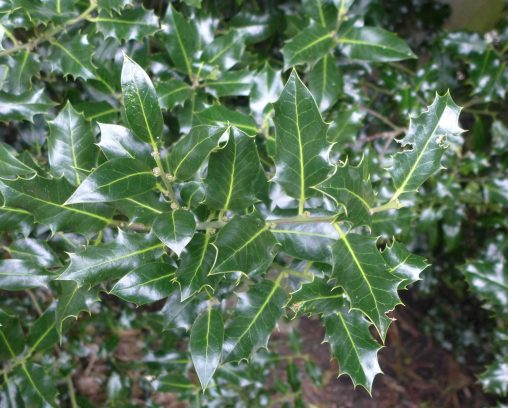
Holly is native to western and southern Europe, and is perhaps one of the most easily recognisable of those trees native to Scotland.
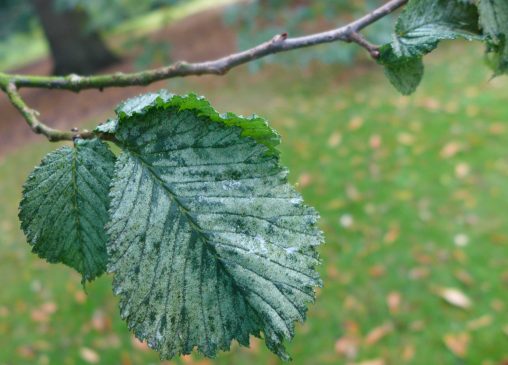
Elm is native across large parts of Europe and western Asia. In Britain many large specimens of Elm have been lost as a result of Dutch Elm disease, with few populations, including those in northern and western Scotland and Brighton, escaping the destruction it caused.
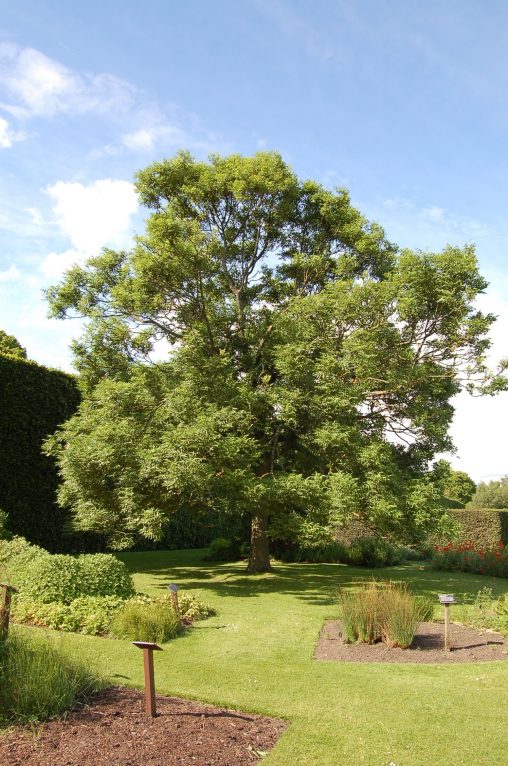
Ash is native to most of Europe, and is one of the commonest large trees in Scottish woodlands, growing 25-30m in height. The Common Ash can be distinguished from other species by the black leaf buds which are present during the winter.
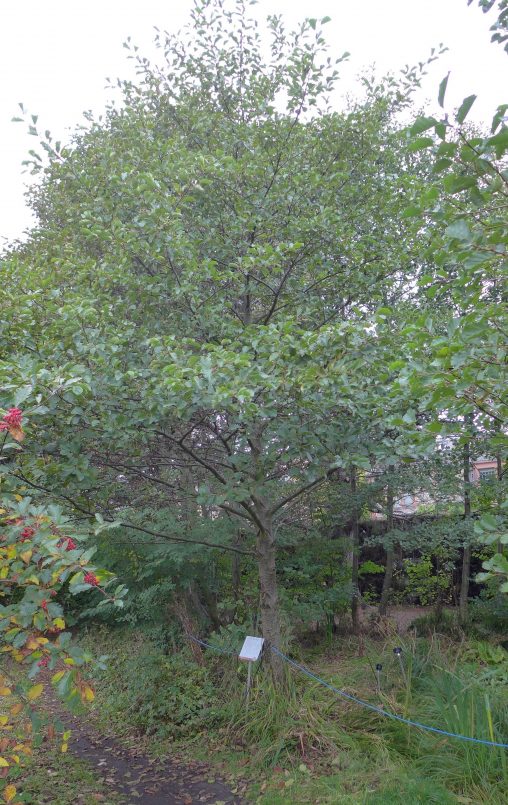
Alder is found in wet places and has a wide native range through Europe, west Asia and north Africa. It is a pioneer species of wet and marshy land, helping to open up water-logged soils and stabilising river banks, allowing other species to colonise these areas.
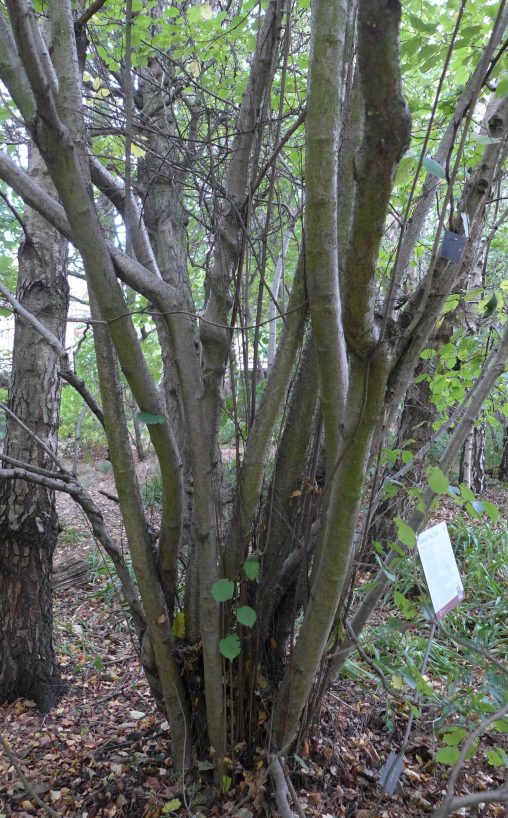
Hazel is a small shrubby, multi-stemmed tree, found throughout Europe and west Asia.
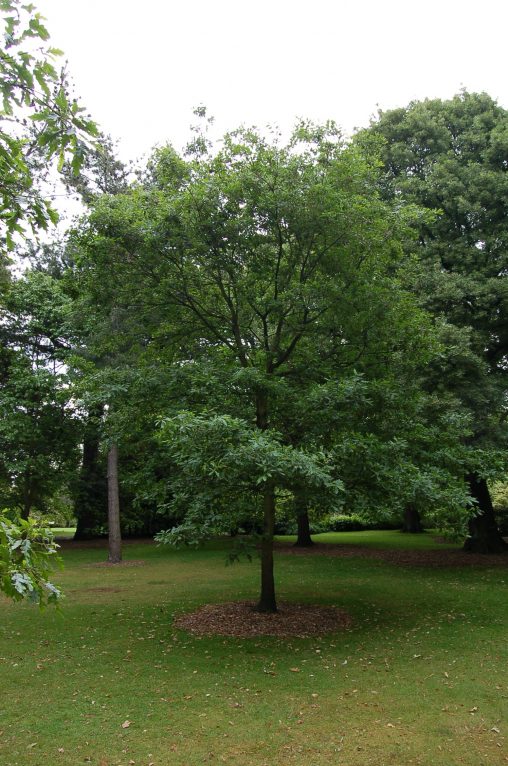
The sessile oak is native to Europe and Asia minor. It is the dominant tree of the Atlantic (west coast) woodlands in Scotland, these are temperate rainforests supporting a wide variety of species, including large numbers of lichens.
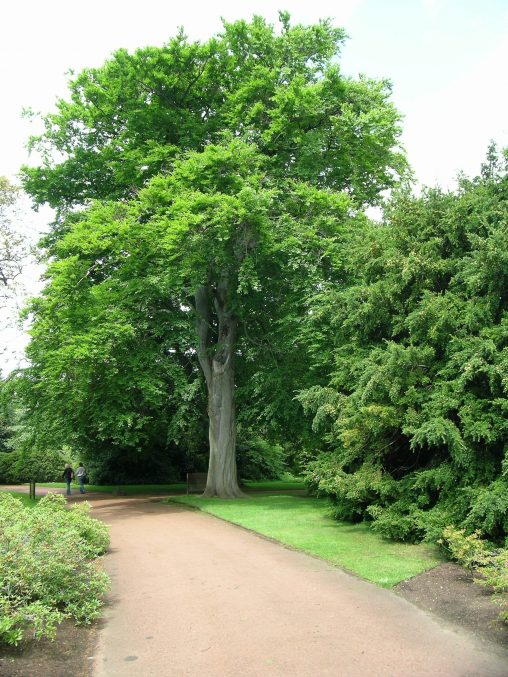
Beech isn’t native to Scotland as its range only reaches into Southern Britain. It was introduced to Scotland as it was planted widely for ornament and shelter, so can often been seen in woodlands, estates and field margins.
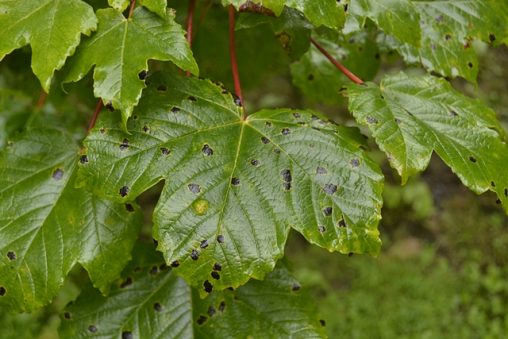
Whilst sycamore is a common sight in Scottish woodlands it isn’t a native species and was introduced from Europe, possibly by the Romans.
This trail showcases examples of eighteen of Scotland’s most significant woodland trees. A tour of these maturing specimens will take the visitor on an informative circular wander around the Inverleith Garden.
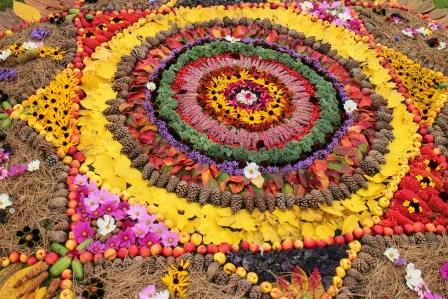
A beautiful mandala was created in the garden yesterday from leaves, fruits and flowers. Celebrating the bounty of autumn, this transient piece of art is on the grassy slope…
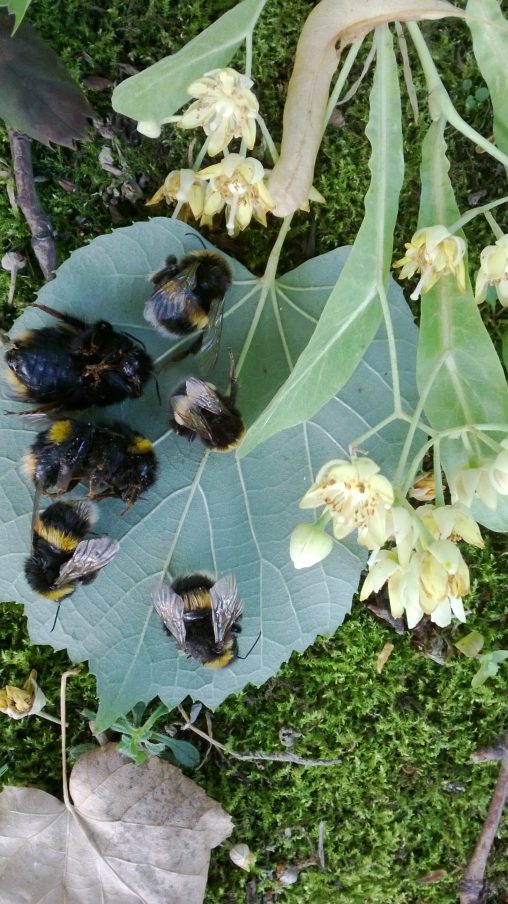
A few weeks ago I was walking through the Edinburgh Garden near the foot of the Chinese Hillside when I was struck by the large number of dead…
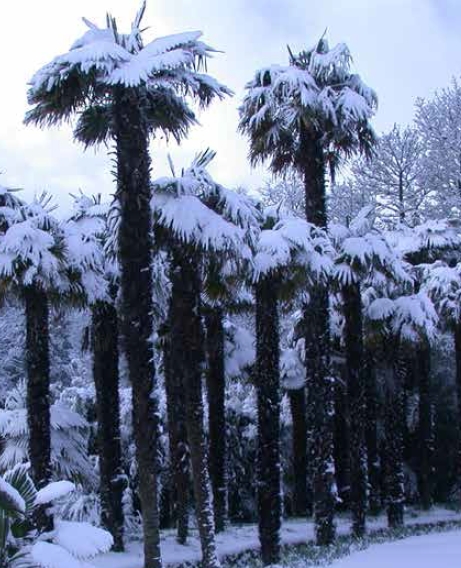
Trachycarpus fortune This hardy oriental palm survives not only the Edinburgh climate, but in the far north west of Scotland. At Scourie in Sutherland a specimen is growing…
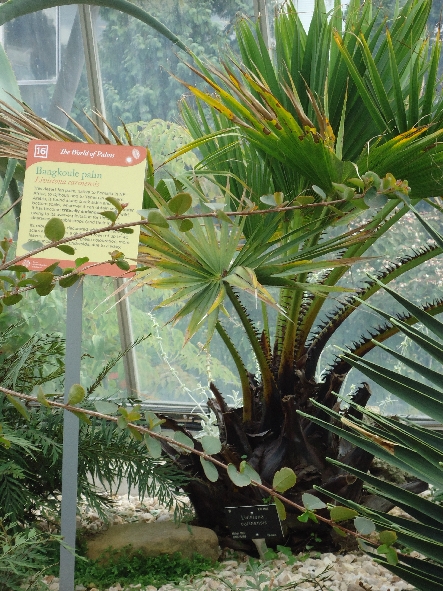
Livistona carinensis This desert fan palm, native to Somalia in NE Africa, to Djibouti and to Yemen in southern Arabia, is found along creek sides and in valley…
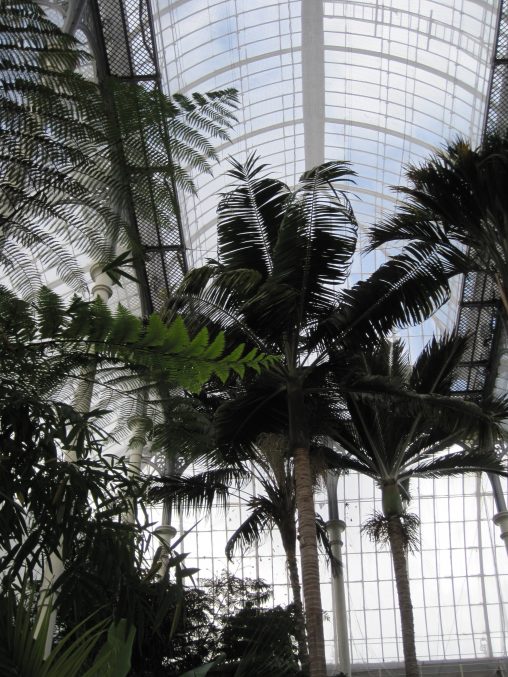
Archontophoenix cunninghamia This Australian palm bears attractive trusses of violet flowers followed by red fruits. It occurs in warm humid tropical and subtropical forests. Its popular name reflects…
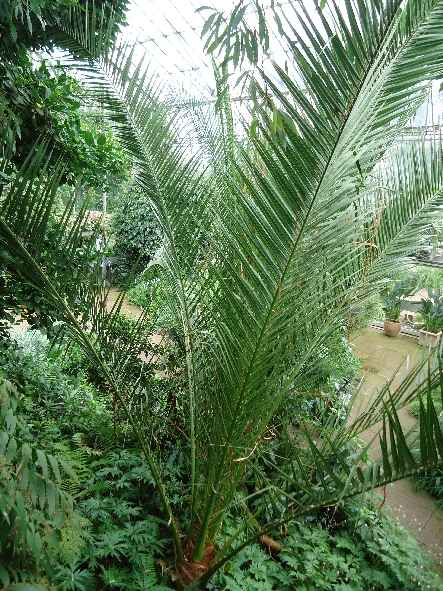
Phoenix canariensis This solitary palm can reach heights in excess of 40 metres in its native islands, where it is also known as the pineapple palm. It is…
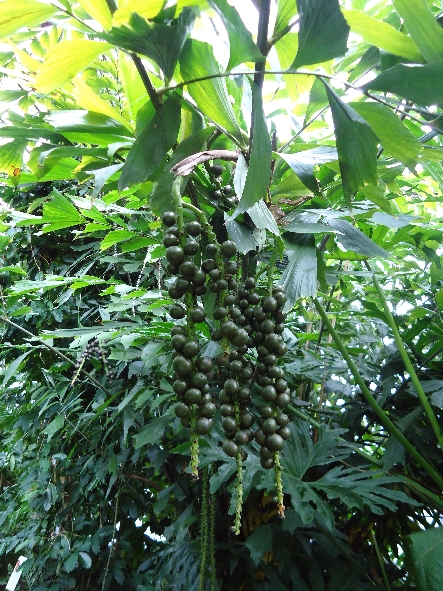
Caryota mitis Gracefully arching overhead are the tall fronds of this distinctive palm, with each leaflet resembling the tail fin of a fish. In common with most of…
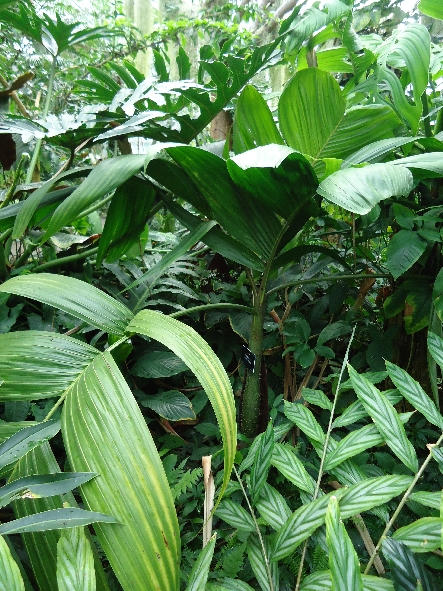
Roscheria melanochaetes This young palm gives gives visitors a chance to get up close – but beware the rings of black spines at each leaf junction with the…
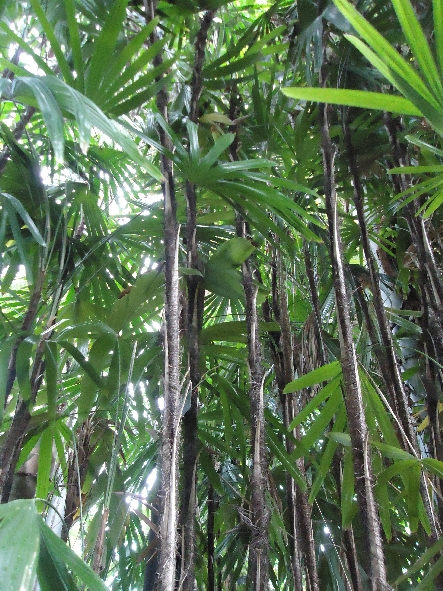
Raphis humilis This elegant palm is native to southern China and tends, as here in the Tropical Palm House, to produce a dense stand of many thin stems,…
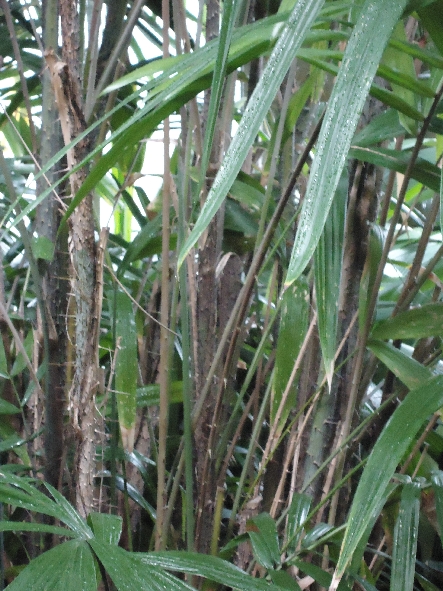
Calamus flagellum Rattans are unusual vine-like palms which do not produce the characteristic clustered crown of foliage. Instead, they have long spaces between each leaf on their very…
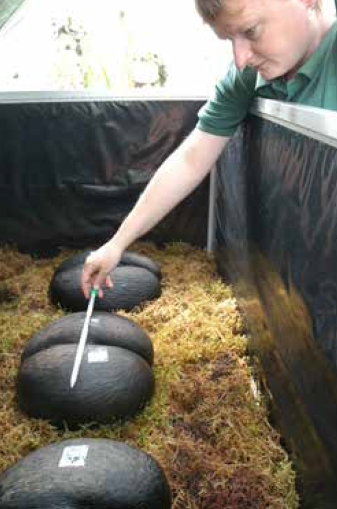
Lodoicea maldivica This remarkable palm, with its spectacular double-barrelled fruit, has had an intriguing history ever since it was first documented as Coco das Maldivas (coconut of the…