
Hayden Lorimer teaches cultural geography and environmental humanities at University of Edinburgh. His research explores connections between landscape, memory and the geographical imagination. He is the author of essays that examine personalised histories of field study in the sciences and arts.

Email: Hayden.Lorimer@ed.ac.uk
This is a peculiar place to confess to the fact that I’ve never much been taken with plants. Nor flowers, mosses or lichens for that matter. To be honest, there have always seemed so many more appealing ways of reading a landscape, of learning what makes it come to life in the way that it does. You name it really: people, paintings, maps, photographs, poems, paths, buildings, bridges, birds, rivers, mountain summits, stone circles. Each have been added to life’s gazetteer at different points in time, inviting new forms of attention as I go about navigating the world.
But plant-life? Nah, sorry, just not me.
This heresy didn’t budge until last year – my fifty-fourth – when entirely unexpectedly I found myself a convert to matters botanical. Just how it happened is a tale I’ve grown fond of telling.
The story starts with a lucky strike. My dad’s, not mine, during a visit to the local rubbish dump. He’s running an errand, emptying the car-boot of garden waste. But we’re a family of bibliophiles, so a book-bin stuffed full to the brim is a tempting sight. He wanders over, tugs at the overspill. The first item loosening free from the jam has a handsome looking cover. The black emboldened text reads: A Year in the Hills. 1942. Jean Dymock.
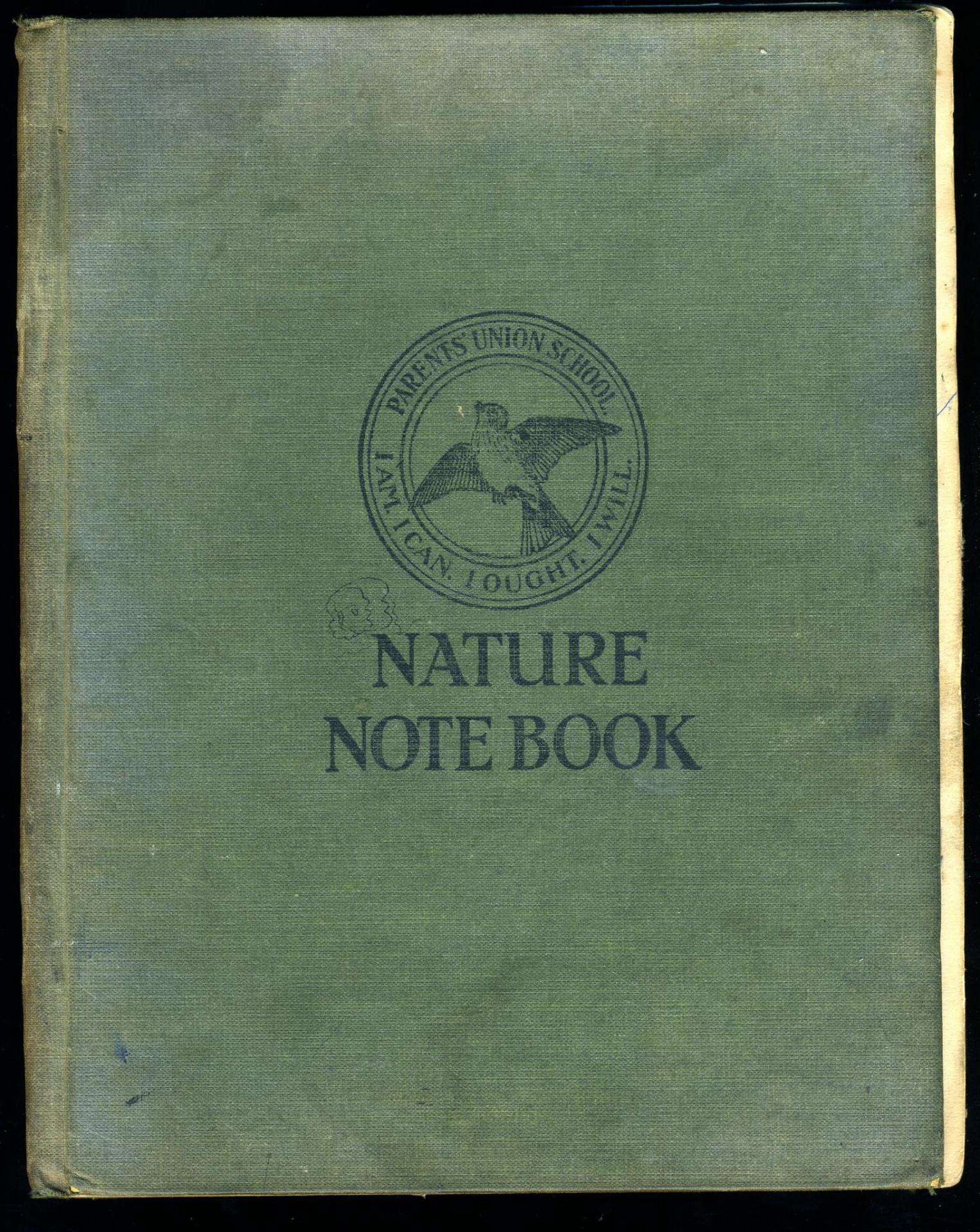
It’s a hardback version of a personal diary, originally kept using a school exercise book, now reproduced in large format, not by a publishing house, but privately printed it seems. Dad’s curiosity is piqued. He flicks the pages. Inside, diarist Jean (twenty years young, a student at Gray’s School of Art in wartime Aberdeen) recounts her outings in the Cairngorm and Grampian mountains, made with plant-loving friends, in search of wildflowers in bloom.
I get news of the find from Dad on WhatsApp.
- “Would I want it?”
- “Are you kidding me? Like, totally!”
The book arrives in the post a couple of days later. I’m bowled over by the creativity on display. It’s easy to feel an affinity with an author-artist this joyful, curious and energetic, to revel in her experience of the Cairngorms as a newly discovered continent, immense and profound. The pages are filled with photographs, hand-drawn maps and miniature watercolours. Her palette – all soft mauves, greens, greys and browns – perfectly captures the ever-changing moods of mountain weather. Some storylines are illustrated in panel format, proceeding sequentially, comic-book style.
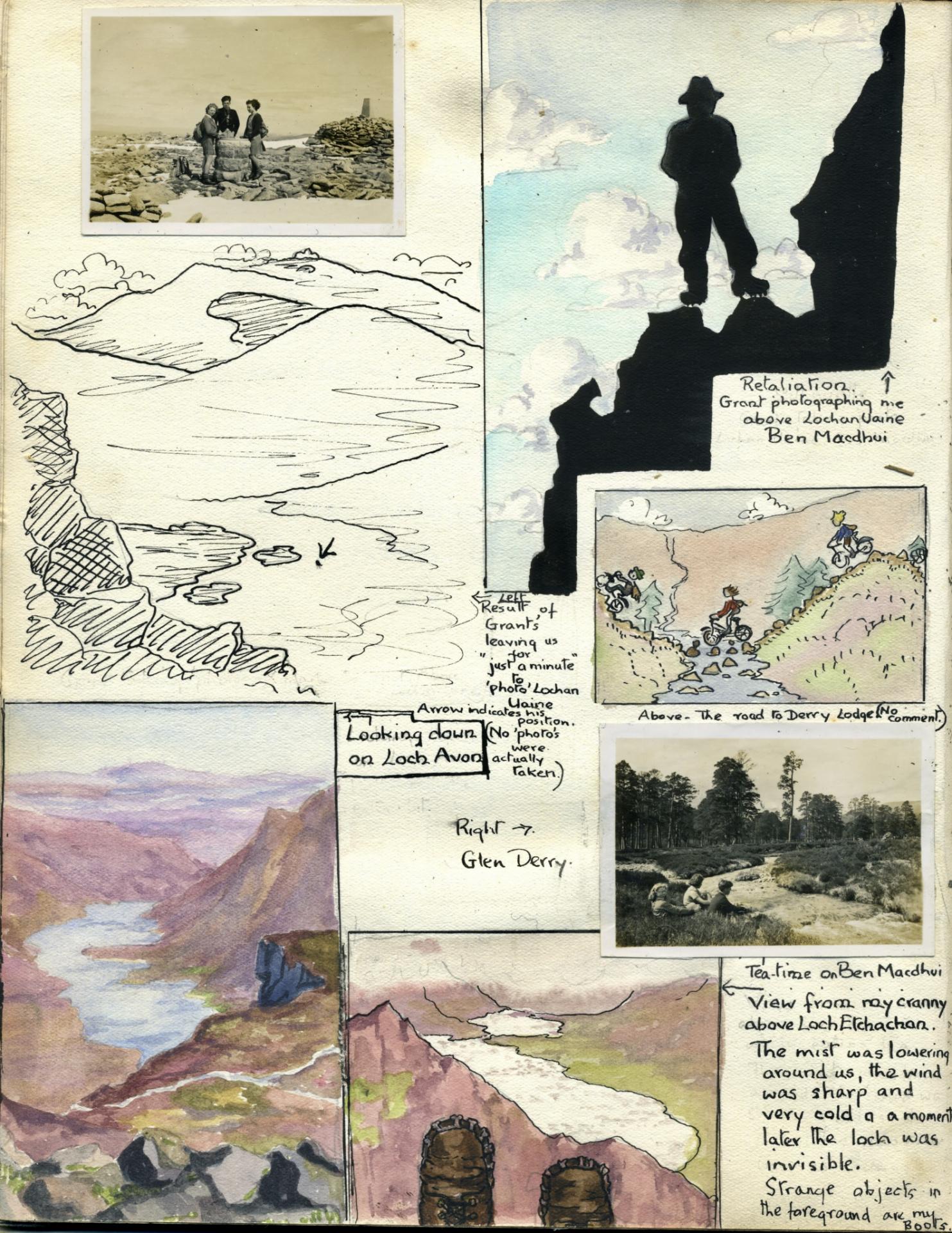
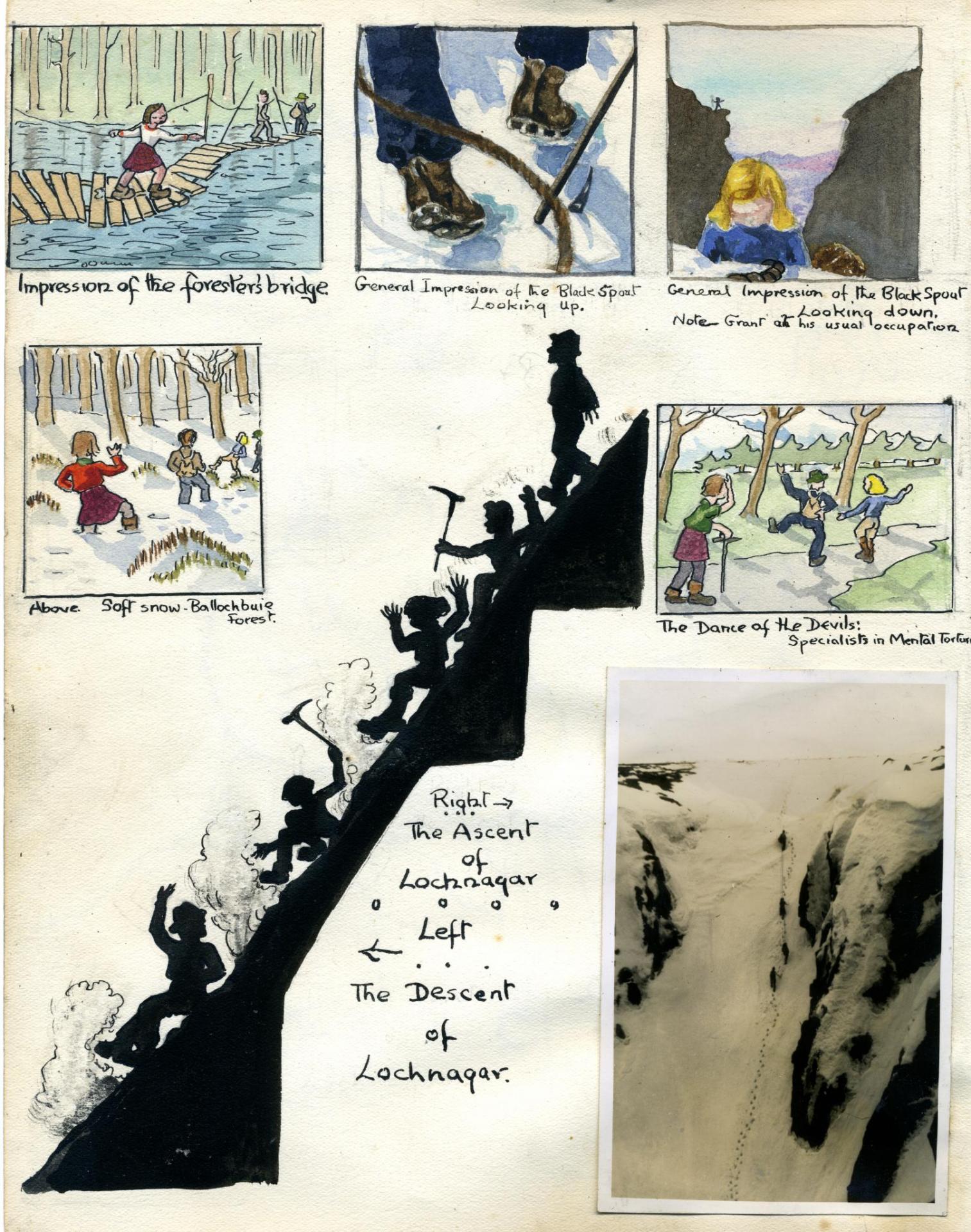
Jean is clearly skilled in this new graphic form: her figures cartoonish to exaggerate effects, her captions striking up a conspiratorial dynamic, as if inviting the reader to join the gang on their latest expedition: “Come over here! Have a look at this…” She creates theatrical episodes full of high jinks and close shaves, moments of farce and melodrama. And best of all? Surely, it’s a readiness to play her pals for laughs. Here, gently ribbing a daft show of mountaintop machismo. There, poking fun at plant-hunters as they practise their peculiar customs: hushed gatherings, down on all fours, speaking in tongues, holding heated debates about petal formation. It’s puckish stuff. Pulled off with a depth of affection, and plenty of side-eye.
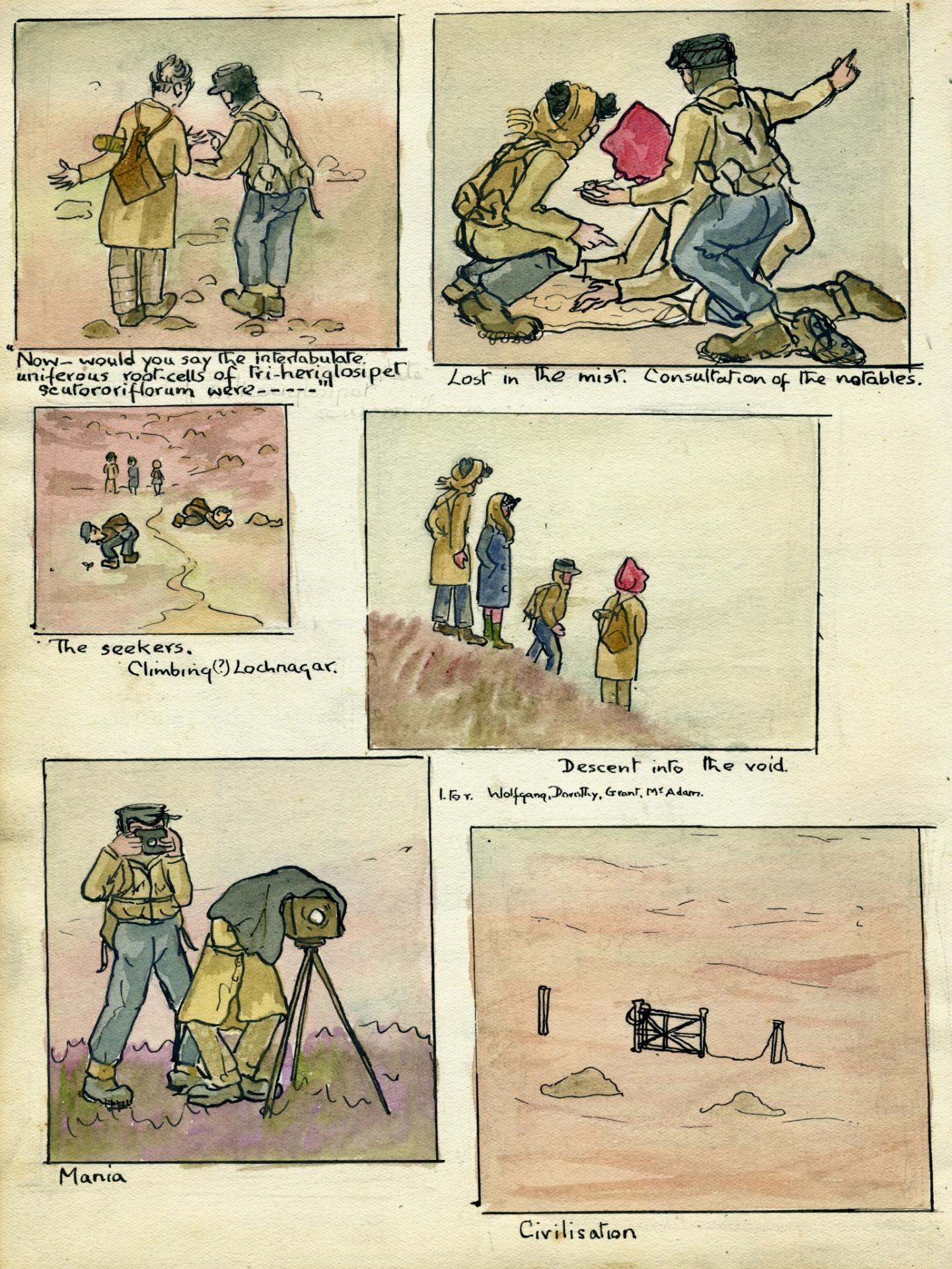
(‘Mr Adam’ – the figure concealed beneath a red hood and under a dark cloth behind a half-plate camera – is Robert M. Adam, Photographer and Artist for the Royal Botanical Gardens Edinburgh, and official artist to the Botanical Society of Edinburgh.)
Joking aside, there’s no mistaking Jean’s own sensibilities as a budding plant-lover. Her botanical portraits are considered and purposeful, close studies in colour, form, shape and balance. They make for a fine litany: lady’s mantle, purple saxifrage, starry saxifrage, moss campion, trailing azalea. Assorted alpines: milk-vetch, blue sow-thistle, spoonwort.
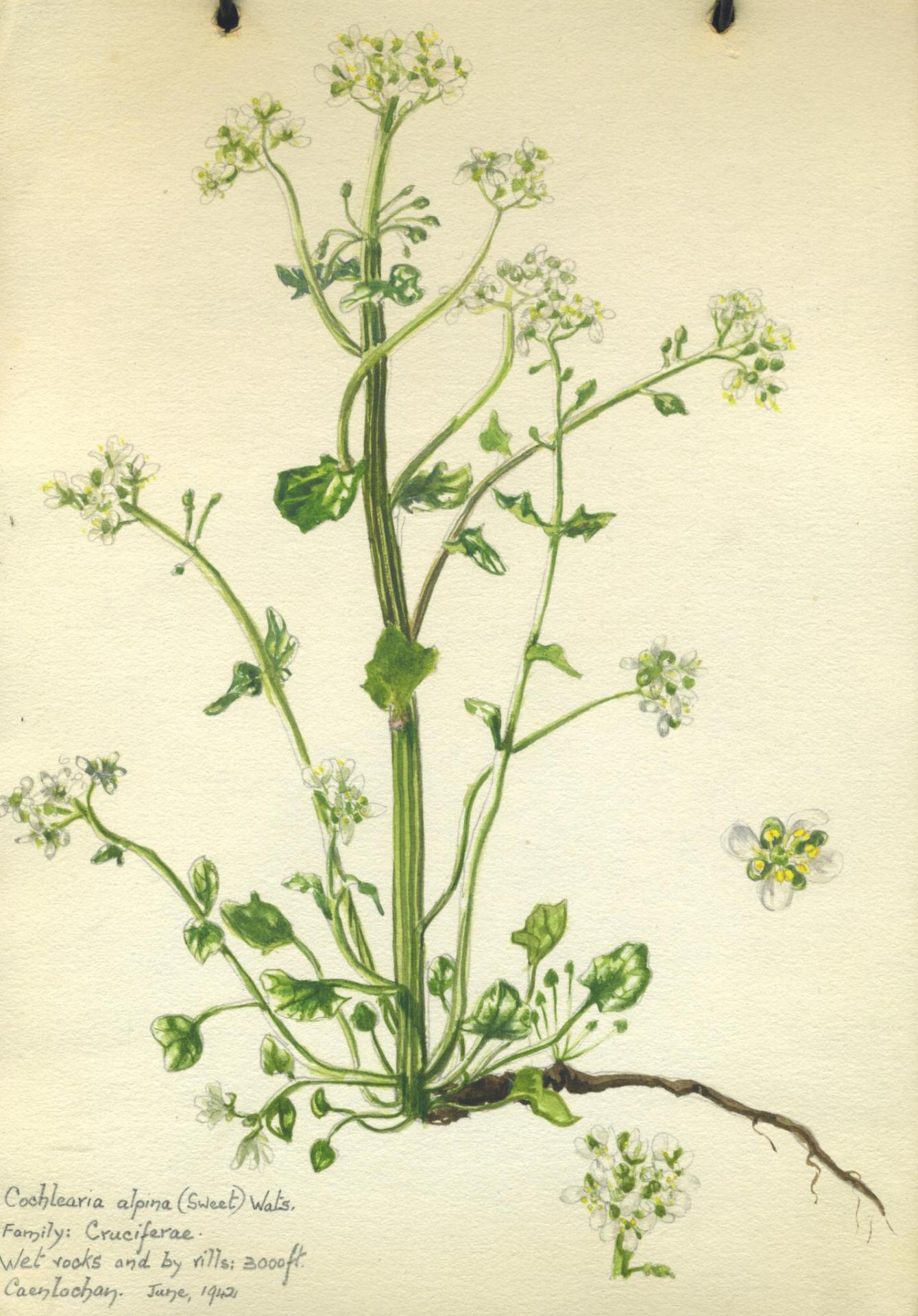
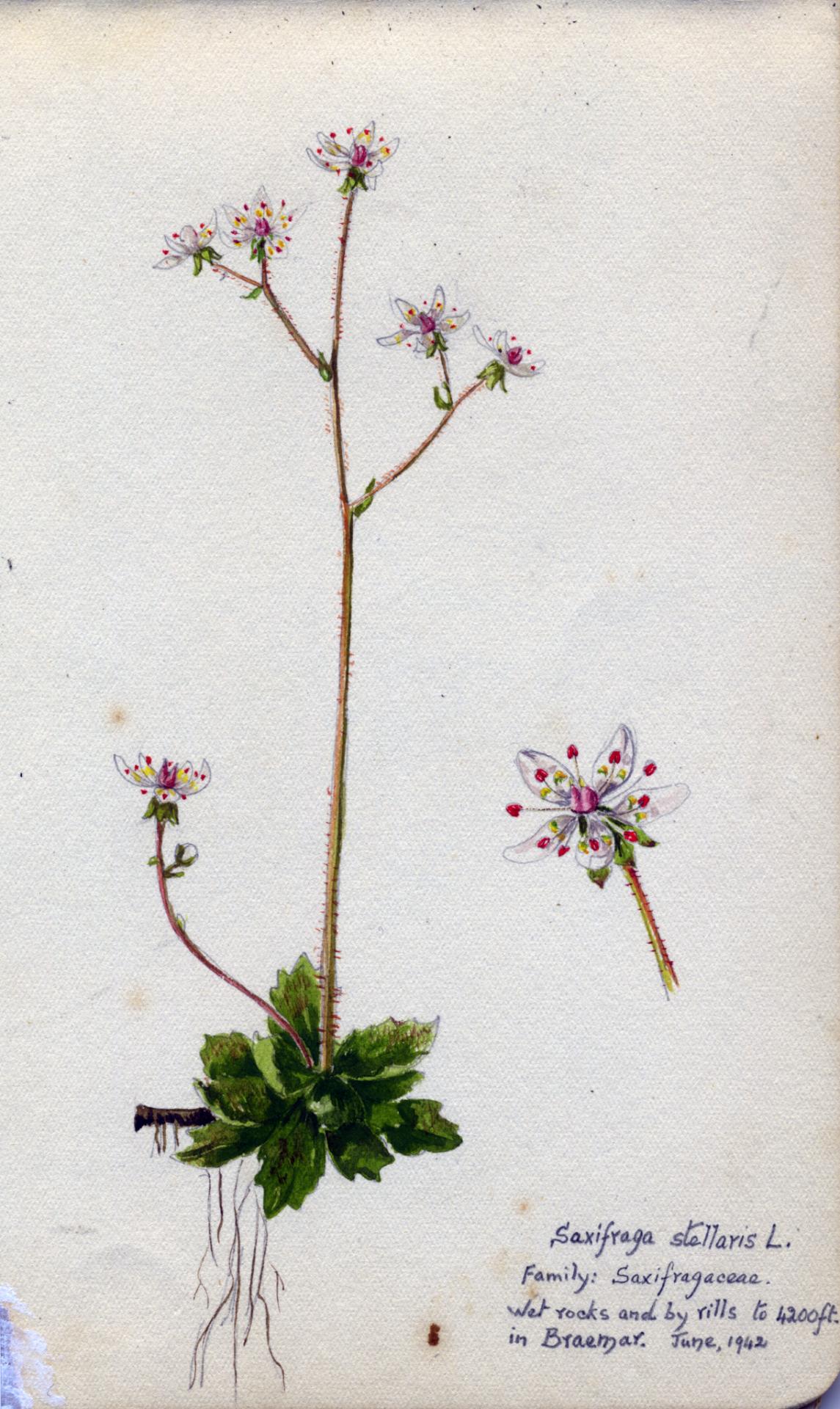
What the diary also discloses, ever so gently, is the blossoming of romance. Jean’s heart is being stolen by Grant Roger, field botanist extraordinaire, day job as curator of Aberdeen’s regional museum. Its blissful stuff, sweet-heartedly Edenic: a whole world before them.
I read the entire diary, cover-to-cover, all in one sitting, and am immediately hungry for more. The prospect of a proper sleuthing job exerts its irresistible draw. Just who was Jean Dymock? Is there more to learn of this landmark year so creatively recounted? Where next did she direct her talents?
Thanks to a short note of self-introduction left by Neil Roger, the diary’s editor-compiler, and first-born son of Jean and Grant, there are a few basic biographical clues to work with. Online searches return plenty of information, though all of it skews towards Grant: records of a postwar career dedicated to nature conservation, his scientific articles in botanical journals, tributes paid by learned societies, obituary notices in the press, the commemorative brass plaque approved by RBGE, set into a secluded spot by the Alpine House.
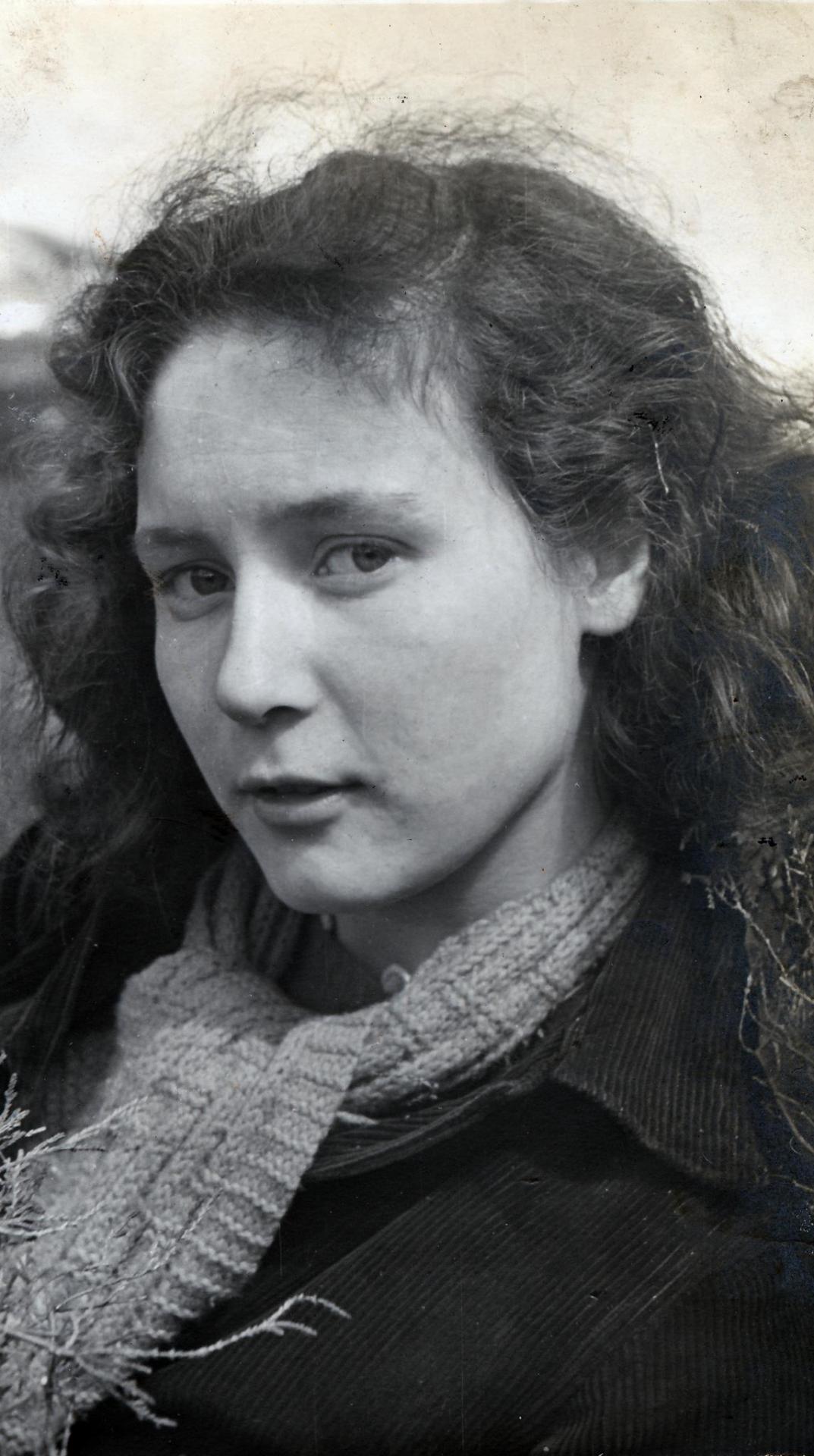
But when it comes to Jean, I’m drawing a blank. Digitally speaking she doesn’t exist. All I have to go on is a copy of the order of service from her 2015 funeral, found safely tucked inside the retrieved diary’s back-cover. She died aged ninety-four. It carries photographs of Jean, taken late-in-life, in what looks like a back-garden setting. She’s seated in a small summerhouse. ‘Morrone’, it says, is the name of the house where she lived.
Meanwhile, my efforts to branch out along the family tree falter. The diary’s editorial note carries no address for correspondence. The couplet of ‘Neil’ and ‘Roger’ is common enough that endless Googling only results in a growing tally of false-starts and dead-ends. I try centring my missing person search on upper Deeside: the note tells me that Jean and Grant considered Braemar, where they first met, as their spiritual home, and Morrone, I know, is the name of the big hill rising directly behind the village. A few local contacts get tapped, but nothing surfaces. It’s fair to say I’m a wee bit stumped.
Making a breakthrough requires a bit of lateral thinking. How about warping the map I wonder, reversing north and south? What if I pair ‘Morrone’ with ‘Melrose’, the town in the Scottish Borders where Jean’s funeral was held? And just like that: an address appears, in Newstead, neighbouring Melrose, tagged to an estate agent’s listing for a 2016 house sale. Google Earth presents a birds-eye view of a property backing onto a tree-lined garden verdant enough to match the scene pictured on the order of service. Maybe, just maybe…
My first chance to follow this lead lands in run-up to Christmas; I’m down in the Borders, visiting my folks for the festive season. Popping over to Newstead, I park the car, walk up the path, give the front-door a tentative knock. It opens. Initially, my query meets with a little puzzlement. I apologise, repeat the reason for my unannounced arrival, and this time things click. I’m given a promising pointer, one that sends me circling back to Gattonside, the village where my parents live, a stone’s throw across the River Tweed, so that later that same day I’m enjoying a mince pie, trading kitchen-table stories with Jennifer, a friend to Jean late in the evening of her life, who is quite sure that upstairs, somewhere on the desk in the study, there’s a slip of paper with an email address for Neil. Ta-da! Mystery solved! And breathe…
What followed remains unfinished. A life-writing project with Jean at its centre, enriched by the memories of family and friends, expanded by personal archives containing letters, photos and mementoes. It’s my good fortune to be working with Neil’s endorsement, generosity, and keen eye for detail. Of course, time spent with Jean’s “Flora Grampiania & Cairngormia” leads to the quick realisation that I will need to get the hang of wild mountain flowers. Pick one, I think, just for starters. I plump for Mulgedium Alpinum, mostly because this was the prize that drew Grant, Jean & Co. into the hairiest of their botanising adventures, in the Black Spout, a gully thrusting up through the great castellated buttresses of Lochnagar.
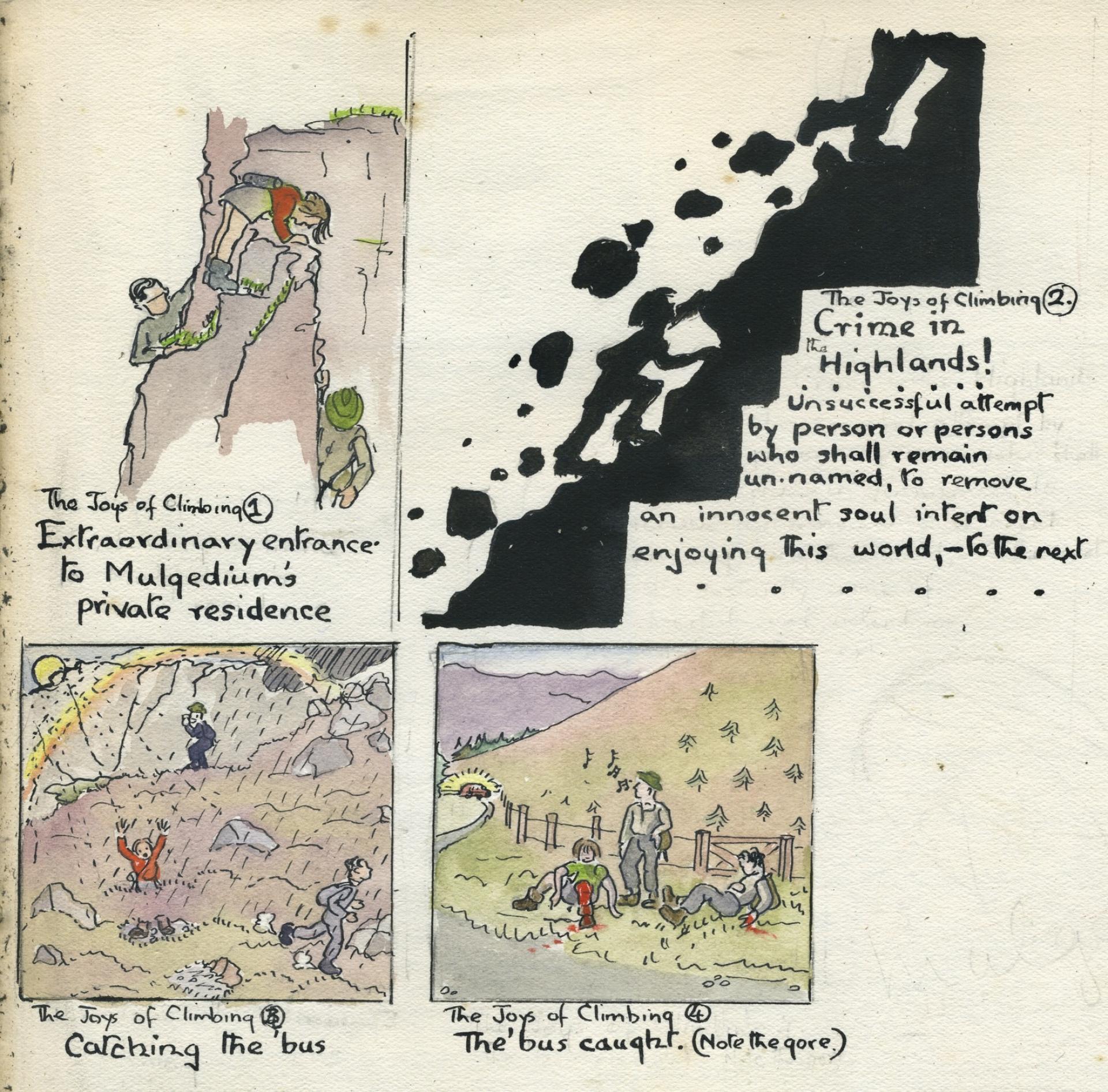
I build myself a little library, learning that what botanical science earlier referred to as Mulgedium A. now goes by a different name, Cicerbita alpina. and that scarcity has become its defining feature. Today Scotland’s refuge colonies can be counted on the fingers of one-hand. I read about multiple threats that endanger their existence: landslide and rockfall; climate change; the mouths of daring red deer or fool-hardy sheep; and the absence of genetic diversity in long-isolated plant communities. Each problem compounds the other, numbers can’t rebound.
Before I know it, I’ve grown enchanted with Cicerbita Alpina’s bluish-purple flowers, arrow-headed leaves, and ever so slightly raddled appearance. To know more of its native haunts and habits, I do what every rookie should: turn to those most expert. The National Plant Recovery team welcome me into their comradely huddle, sharing deep knowledge of plant ecology and biogeography, extending a precious opportunity to tag along on a summer survey in Glen Doll. They’ll be quick to remind me: I was warned well in advance.
“Come over here! Have a look at this…” A mountain ravine, no-more than 5-metres wide, starved of sunlight, filled with loose stone and rock, that make for treacherous footing, tilting away ever more steeply before it puckers tight and meets with thin air. To reach this last resort of the alpine blue sow-thistle there’s one point of entry: from the broad summit plateau above. The safest way to descend is slithering forward on your backside, gripping onto grassy tussocks as emergency brakes. Then comes the bad-step, requiring you to shimmy along an exposed and greasy rib of rock, before pirouetting or pratfalling (at your discretion…) into the jumble of vegetation beneath.
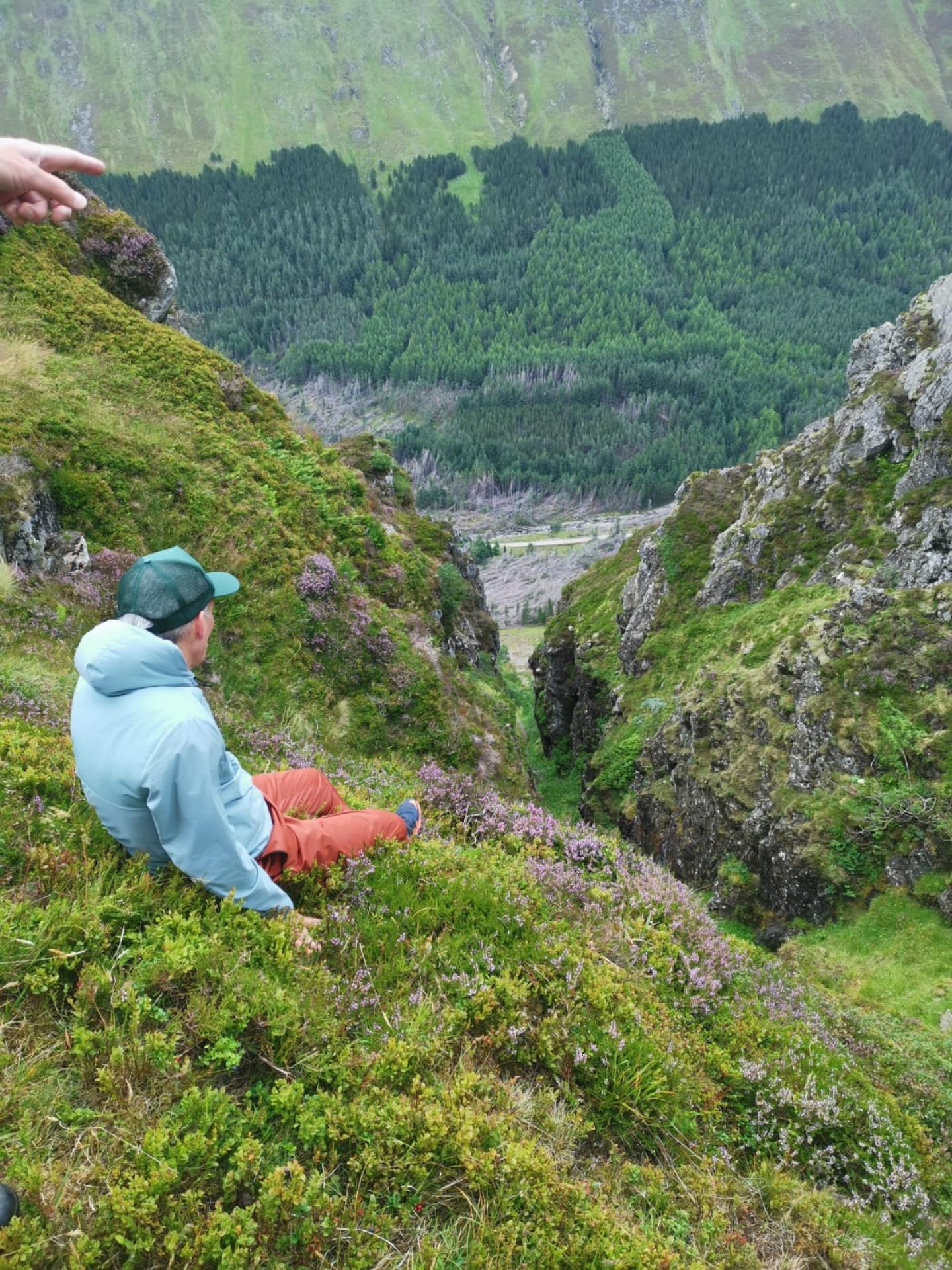
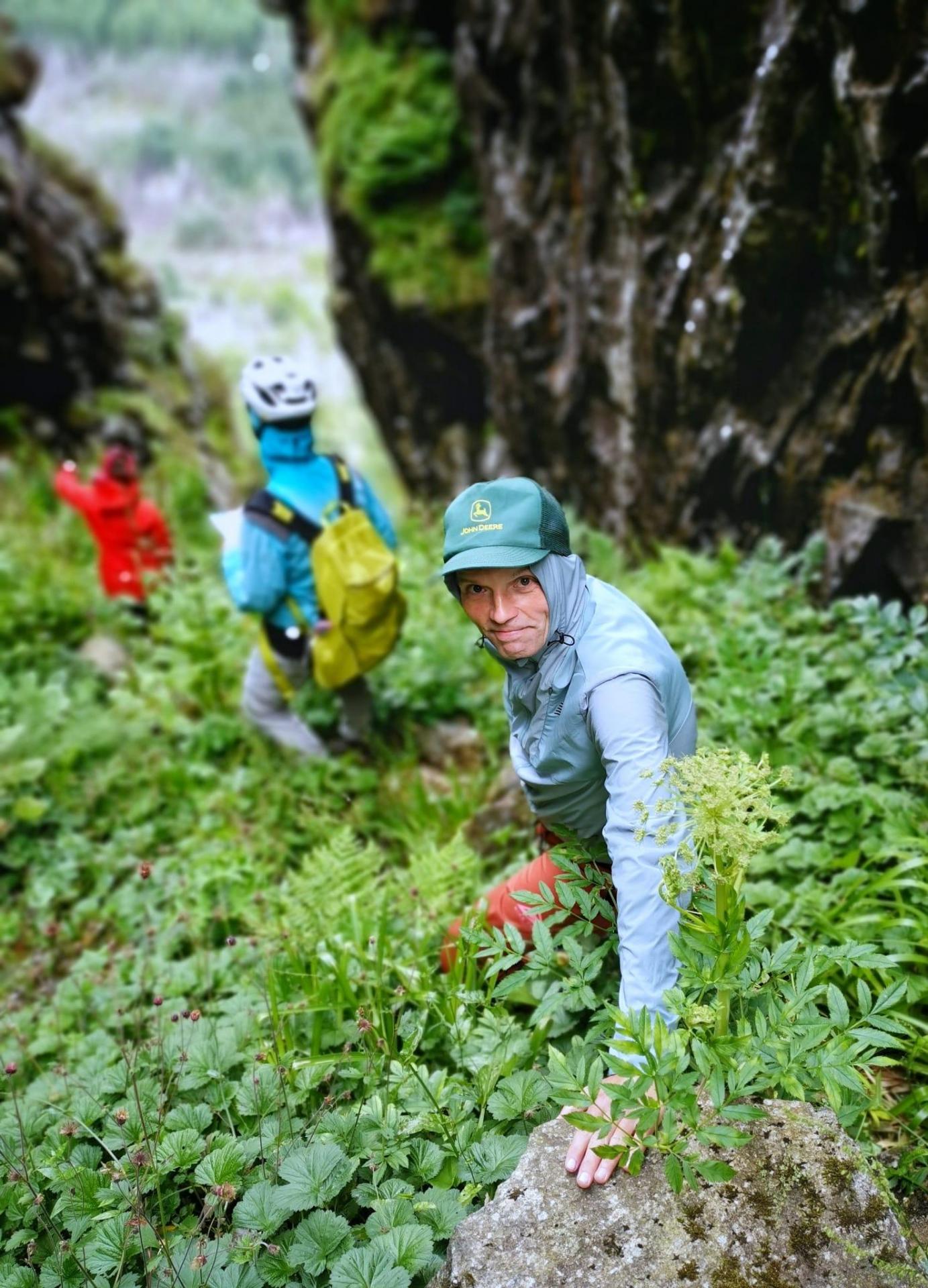
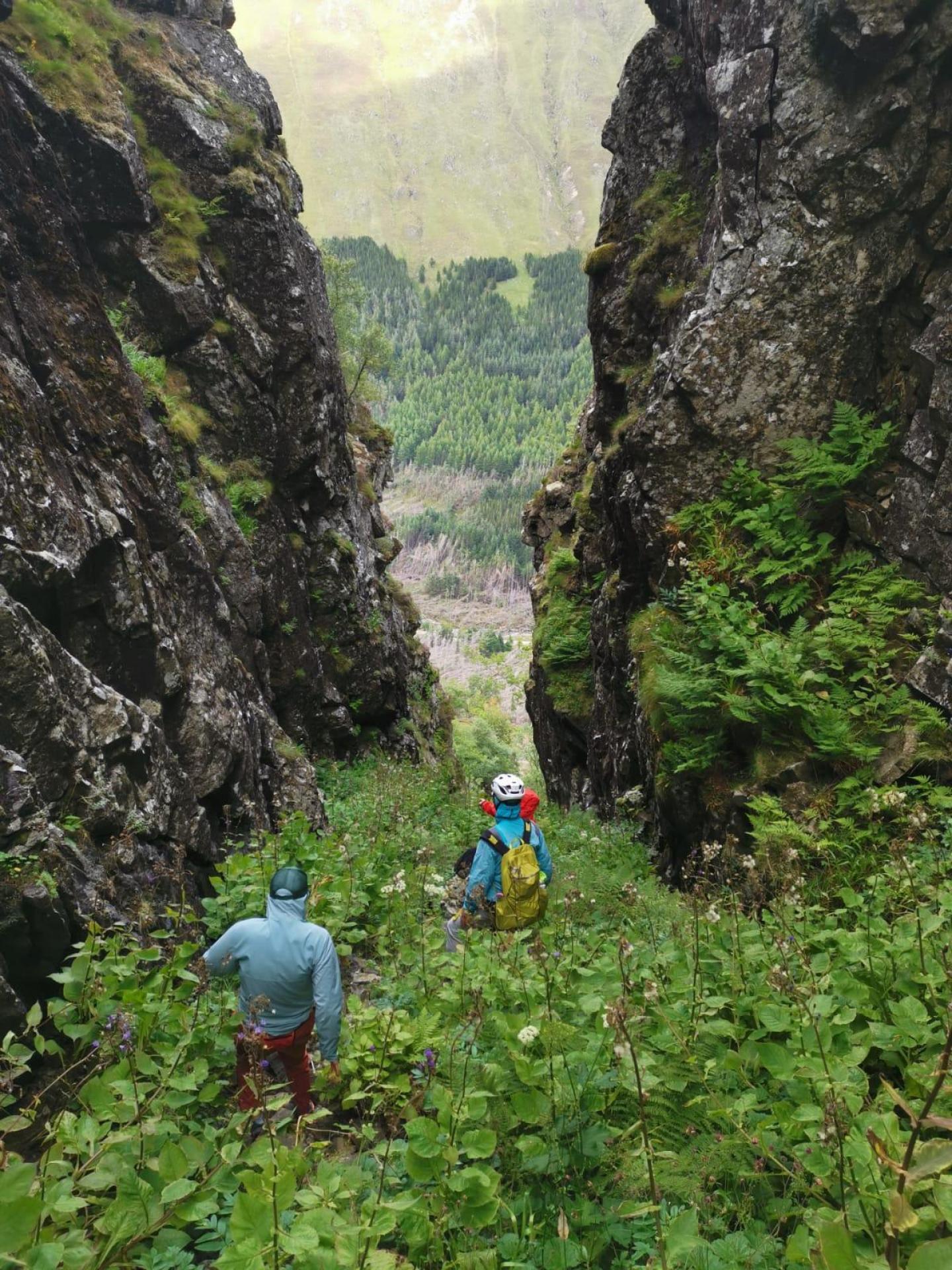
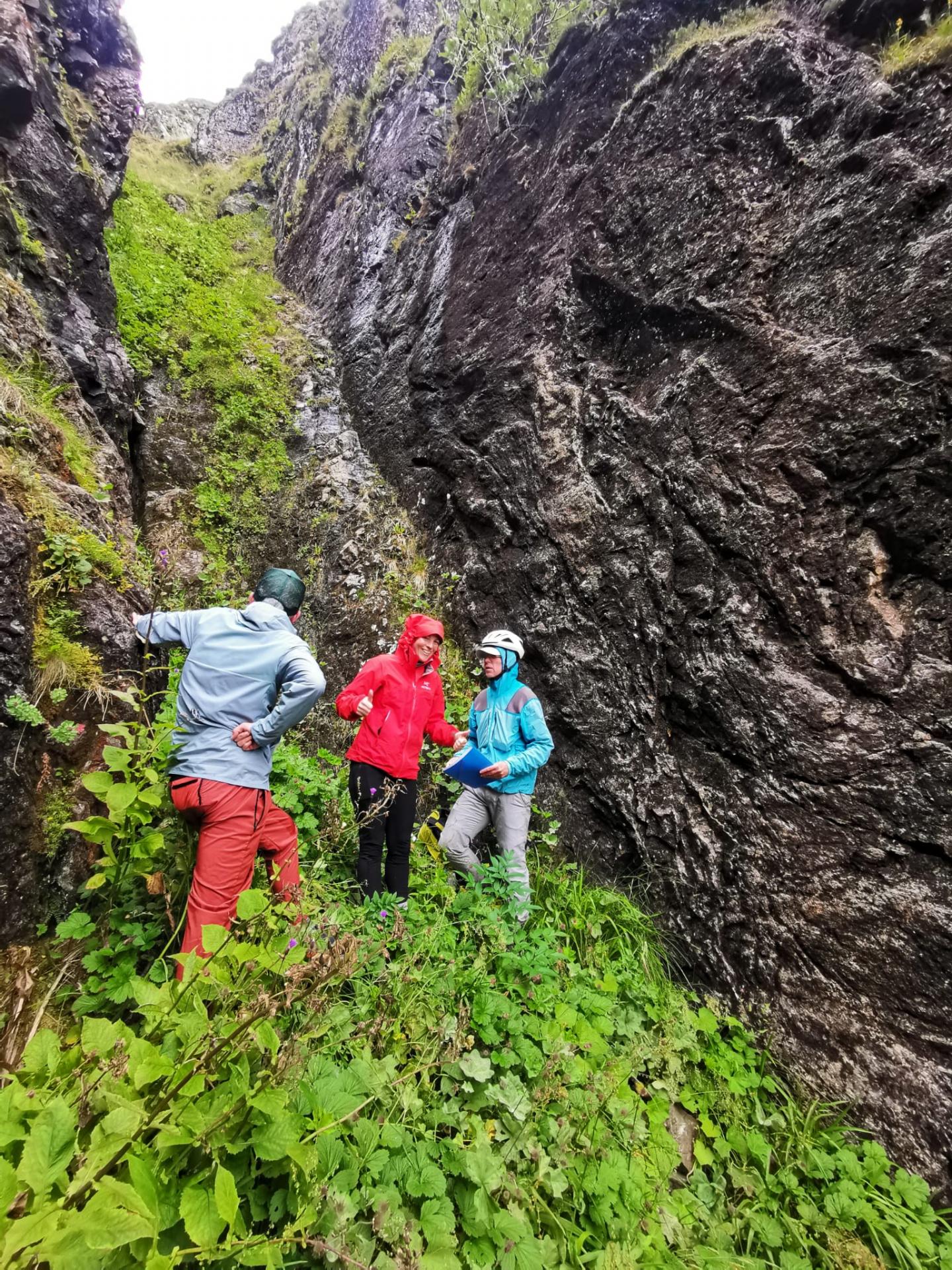
Encountering Cicerbita this way feels like a devotional pilgrimage, rite of passage and act of folly all rolled into one. After the spike of adrenalin subsides, we begin a headcount of the tightly socketed colony; the first undertaken since pre-pandemic days. A sitemap charts the location of each remaining plant. There’s some talk of signs of resilience. But I sense a chill. Draughts of cool mountain air send the long stems bobbling, with each shiver a sense of time drawing near.
Memories of that brief visit have stuck with me. Whenever seasons are on the turn, during the stormiest of weather, I find my thoughts funnelling back down the ravine, harbouring hopes that the thistles are hanging in there.
There are other legacies. I may not yet be green fingered, and perhaps unlikely ever to graduate to the status of plantsman, but for sure have had my lightbulb moment: plants open new doors of perception, acting as small focal points bringing the world’s vastness back into proportion. They’re offering me a new education in looking, making me pay attention, differently. But the clincher surely is the storied plant, and my good fortune is to have happened across a storyteller as creative as Jean, whose art, spanning generations and geographies, is turning the plant kingdom into something truly relatable.
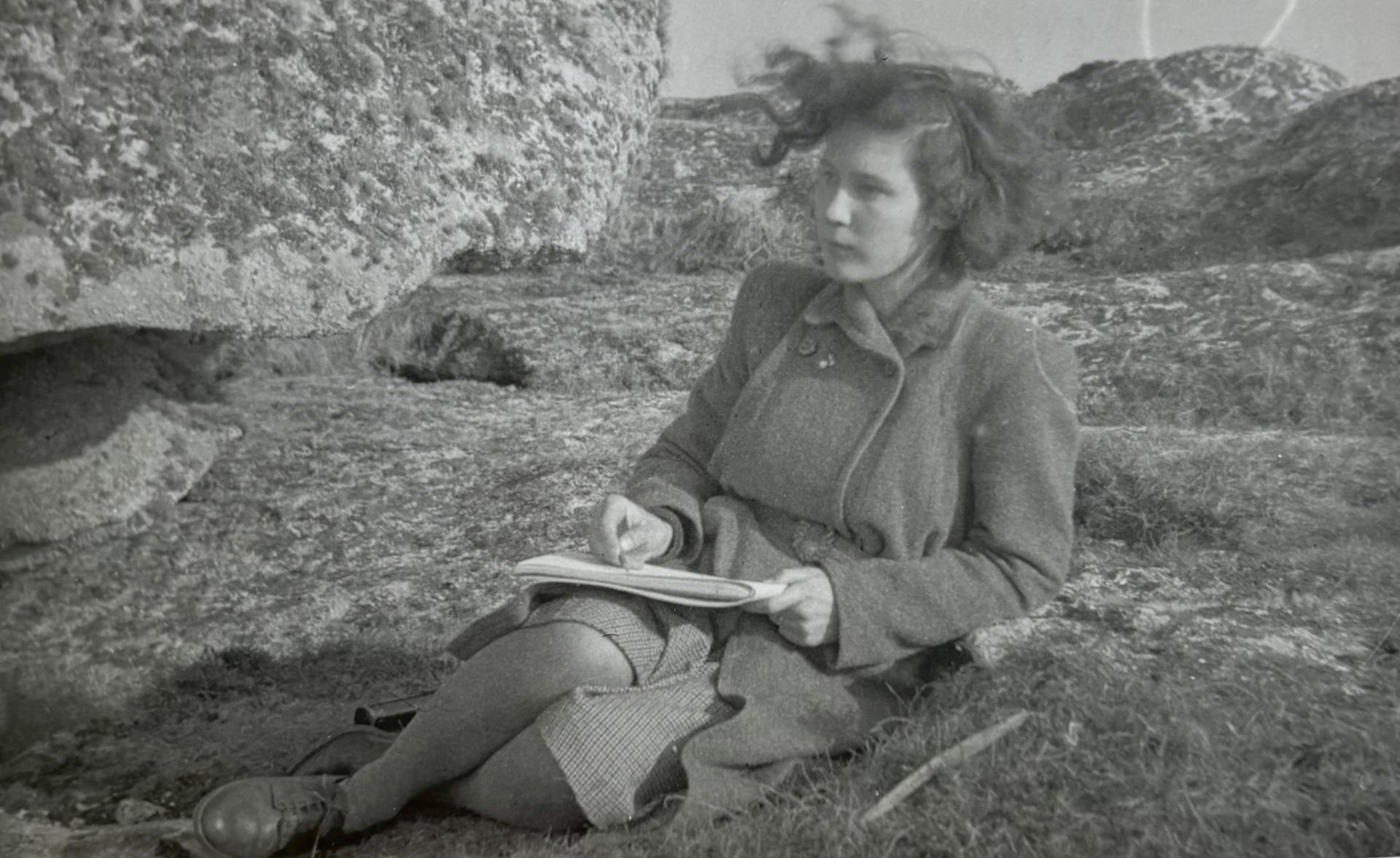
We want to give a big thanks to Hayden for bringing Jean Roger’s story to light and also for all his wonderful help out in the field!
The Scottish Plant recovery Team


Instagram @rbgescottishplants
Bluesky @thebotanics.bsky.social
X @nature_scot
X and Facebook @ScotGovNetZero
Facebook @NatureScot
#NatureRestorationFund
Linde
Thank you for intoducing me to Jean’s work. I would never have known otherwise.