Released in Kathmandu (Nepal) in August 2008 with the mission to return to the Botanics, the Edinburgh Flora of Nepal Geocoin has just completed a 22,000 km adventure, visiting 1000 geocaches along the way.
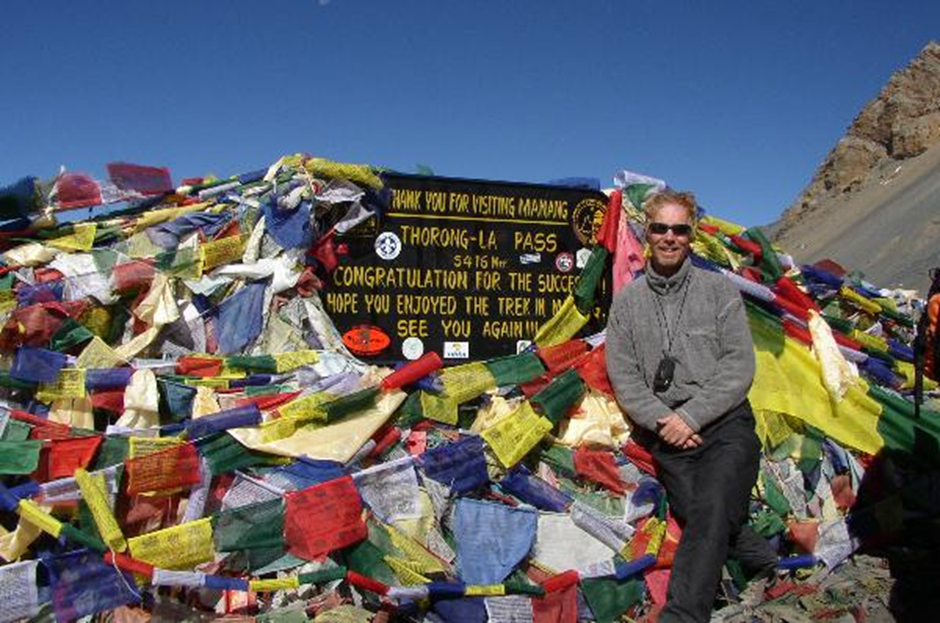
Celebrating the Garden’s international leadership of the Flora of Nepal, this geocoin was picked up from a geocache in Thamel by ‘Team Hardy’, who then took it on an arduous trek around the Annapurna Circuit, crossing the Thorong La…it went high!
Team Hardy then took the geocoin to Europe, dropping it off in a cache in southern Portugal. It spent many years going around many European countries before returning to Scotland in August 2022. After a four-year stay at Nessy’s Travel Bug Hotel overlooking Loch Ness, the Flora of Nepal geocoin was on the move again, making a trip round the west coast of Scotland before being returned to Edinburgh on 4 May. Many times I thought it was lost, pocketed by an unscrupulous player, but I should have kept faith in the amazing global community of geocachers who so conscientiously passed it on. What will be its next mission?…we will have a think on that.
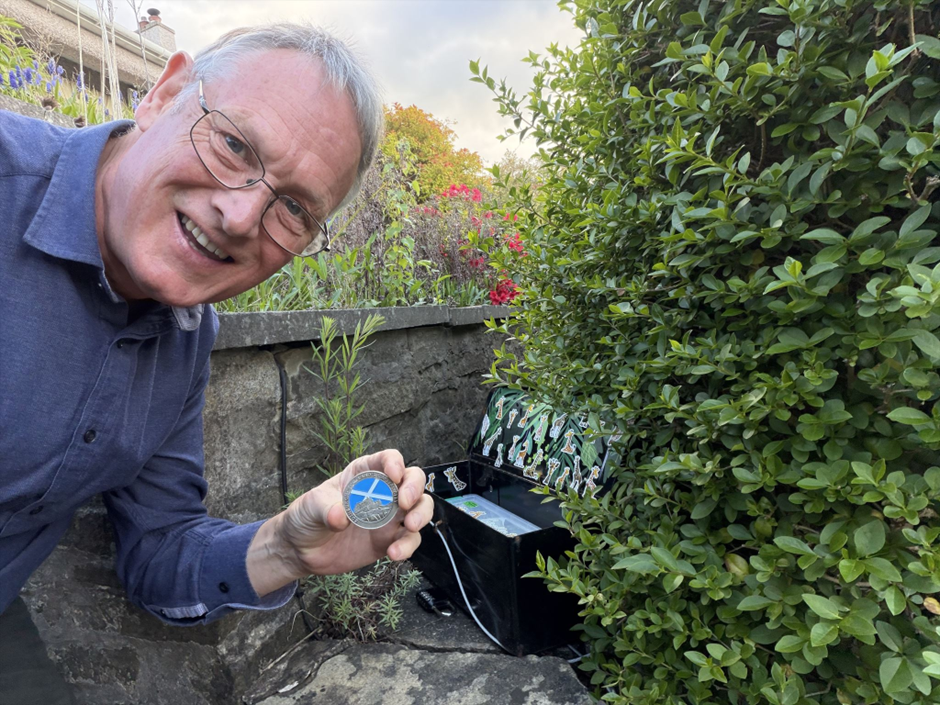
Geocaching has been described as the world’s largest treasure hunt. Its an outdoor recreational activity where participants hide weatherproof boxes (geocaches) at locations around the world, and people find them using GPS coordinates posted on the Geocaching.com website. Back in the naughties when geocaching started, geocachers needed to buy separate GPS receivers to locate caches, but now mobile phone apps do this seamlessly. Geocaching has its roots back in the late nineteenth century with Letterboxing on Dartmoor (who knew that this was a thing?), and now includes a wide range of cache types. As caches must be freely accessible to the public at all times, we can’t have a physical cache at Inverleith, but there is a virtual EarthCache – Tufa in The Garden – which gives seekers a basic geology lesson on different rock types. Logan and Dawyck also don’t have physical geocaches, but Benmore has several for you to go and find.
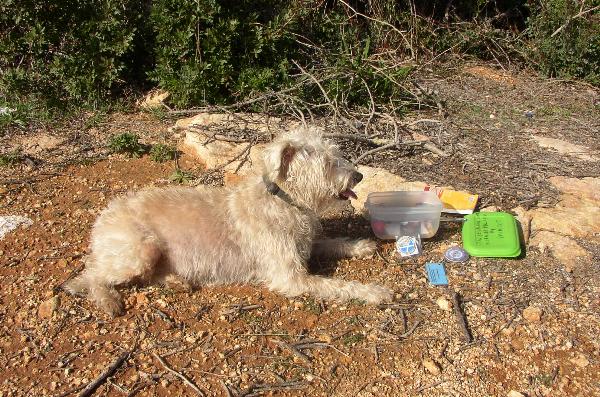
Geocaches often take you to interesting places – a draw for adults – and have a log book and pencil to record your visit. Some contain small items (‘treasure’) which you can pick up and drop off – adding excitement for children. Caches can house ‘trackable items’, which can be basically anything with an official geocode…I once logged a giant teddy which had a geotag necklace!
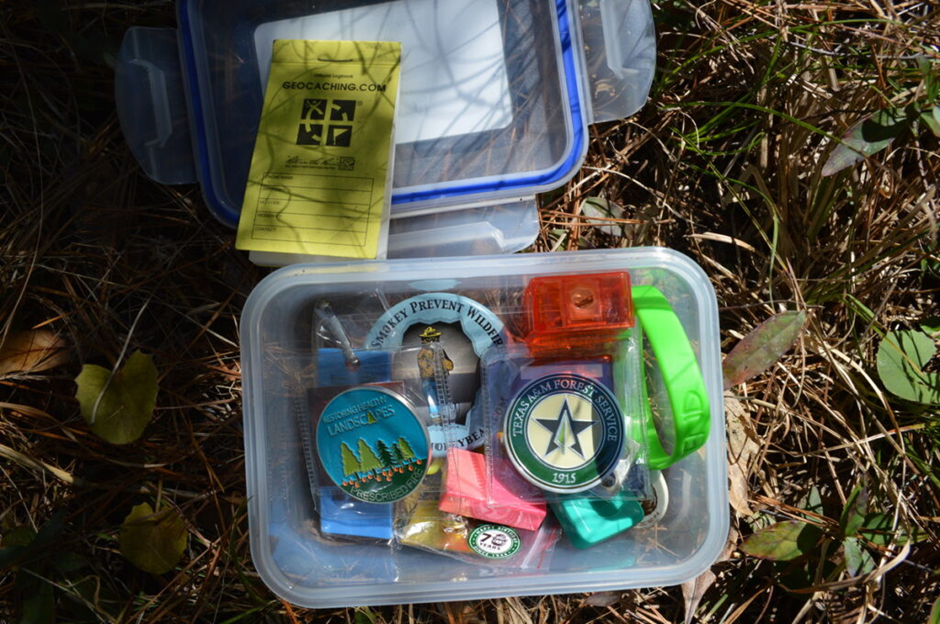
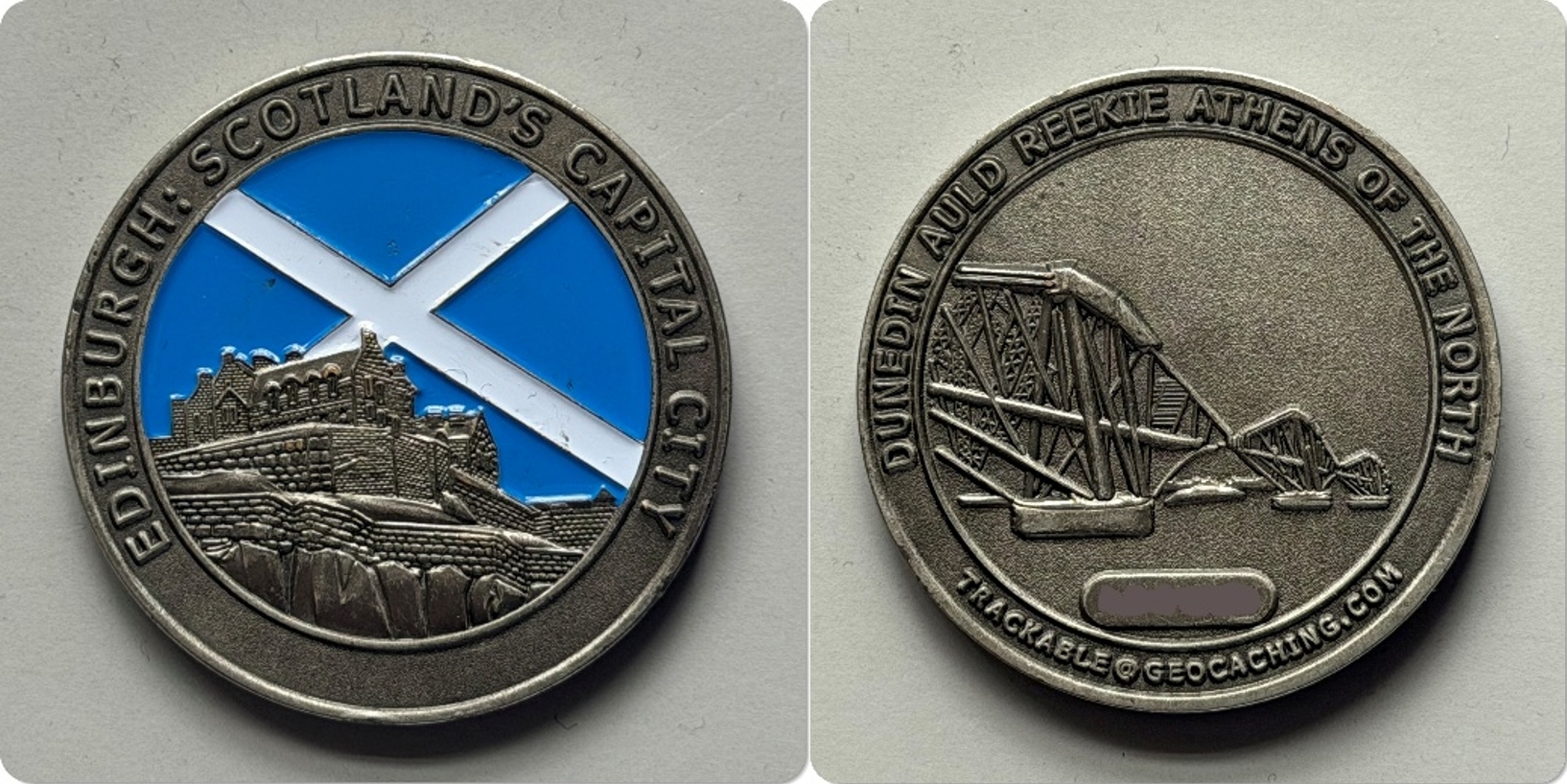
The Edinburgh Flora of Nepal Geocoin is one such trackable, with the code etched on the reverse. You use the code to prove you have the geocoin when you log picking it up and dropping it off. Each trackable has its own webpage where you can see where it has been and who has carried it on its way. Trackables have missions which maybe to get to a destination, or a general wish such as to be placed in caches overlooking the sea. You can get started with geocaching using a free basic account – watch out, you might get hooked and want to subscribe to get access to more advanced features!
Mrs Georgina L Parmenter
Mark introduced me to Geocaching and, as a geographer, it opened up new ways of enjoying natural landscapes. Must check to see what has happened to my Geocoins and the one cache I created.
Amy McDonald
This is brilliant – thanks for sharing, Mark!