Author: Robyn DrinkwaterPage 11 of 35
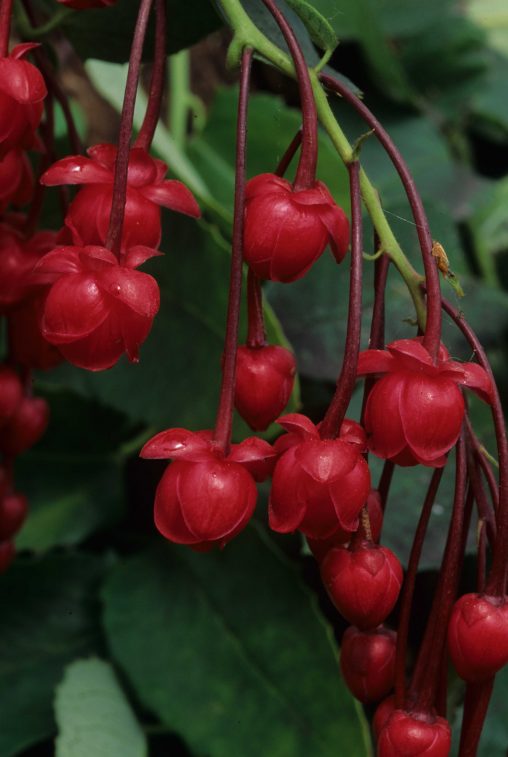
The plants on this terrace represent one of the largest collections of cultivated Chilean plants, many of which have been collected by members of staff from RBGE during expeditions to Chile.
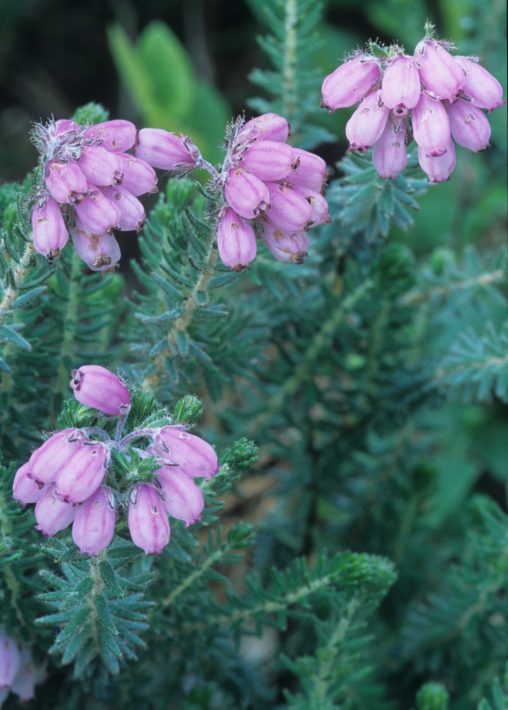
This area of the garden is planted with native species which were, and still are, used by Scots. Not all of them are still used today, as unfortunately some uses have passed out of memory. Others are still used to produce popular foods, drinks and other products.
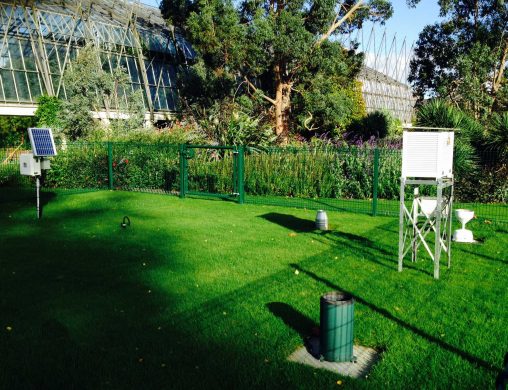
Since 1956 RBGE has been an official weather station for the Meteorological Office, with observations being made at 9am everyday.
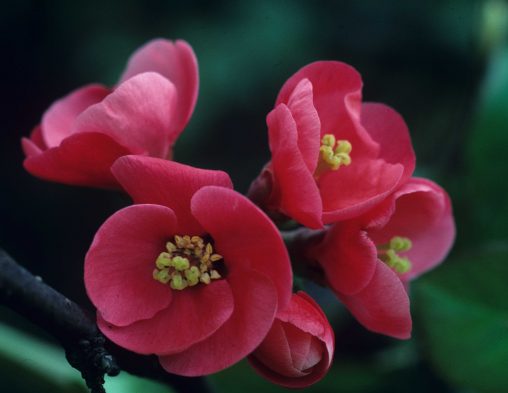
The study of recurring seasonal events, such as flowering and leaf-fall in plants, or hibernation in animals, is known as phenology.
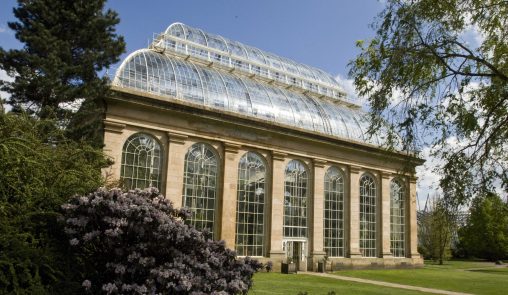
The Botanics captures the imagination of everyone who visits and is world renowned for its horticultural excellence. Over 70 acres of beautifully landscaped grounds provide a tranquil haven just one mile from the city centre.
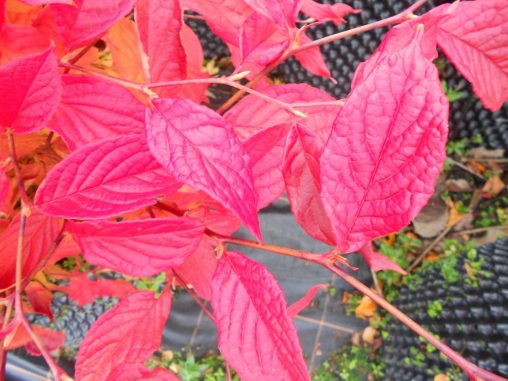
With leaves dropping, now is the time to consider planting deciduous material. When choosing a site it is recommended to research the growing conditions in the native habitat…
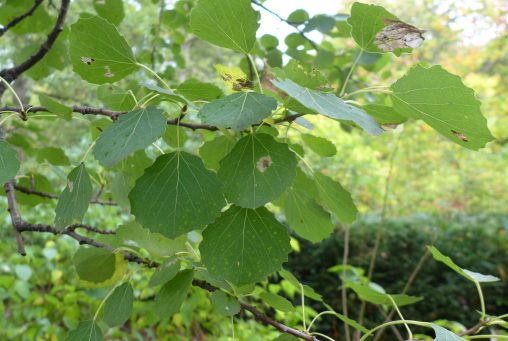
The aspen is native throughout the cool and temperate regions of Europe and Asia, and has the most northerly distribution of those trees native to Scotland, occurring in Shetland out of the way of grazing animals.
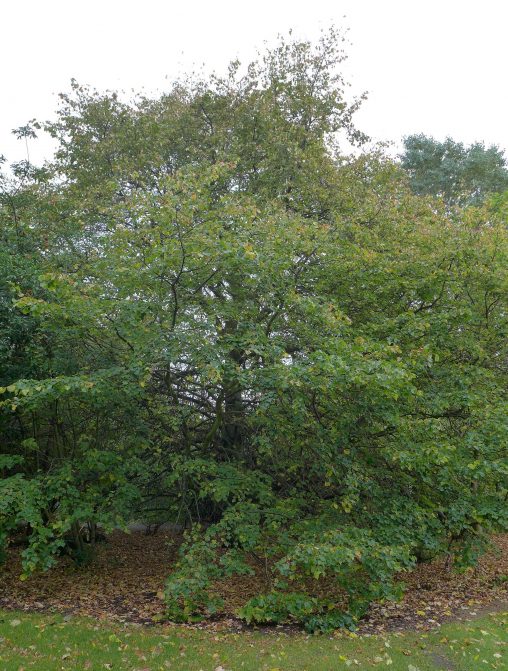
The lime is native across much of Europe and into western Asia. In Britain it is thought to be native up into northern England, with populations further north introduced.
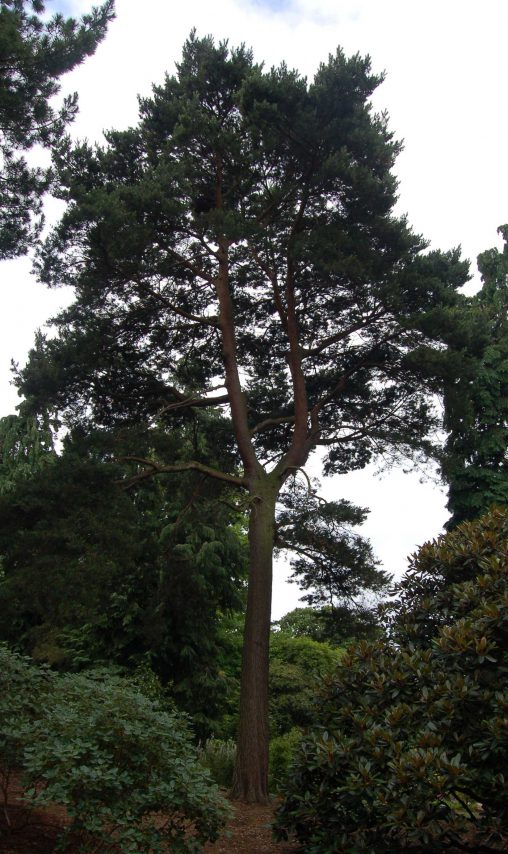
The Scots Pine is one of the most wide spread pine species, with a range extending from north China to western Scotland.
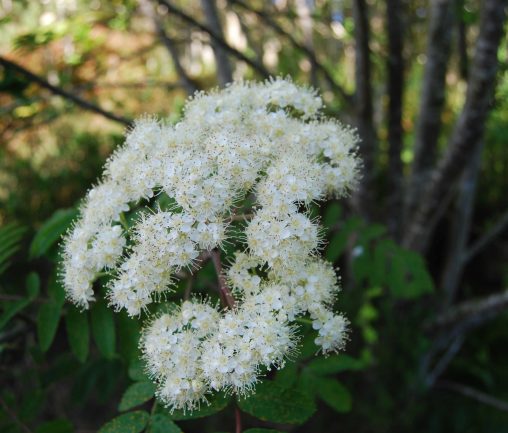
The rowan is also known as the mountain ash, as its leaves resemble those of ash (Fraxinus excelsior). It is found throughout most of Europe, parts of Asia and northern Africa.
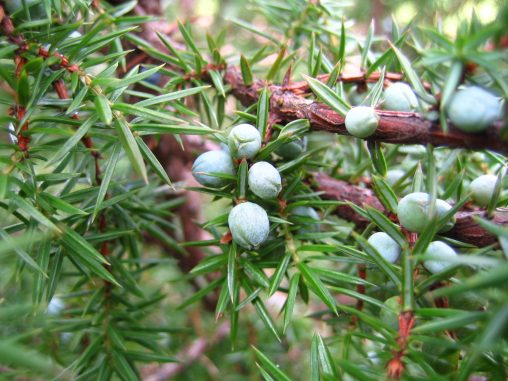
Juniper is a shrubby conifer, with a wide range throughout the cooler regions of the northern hemisphere.
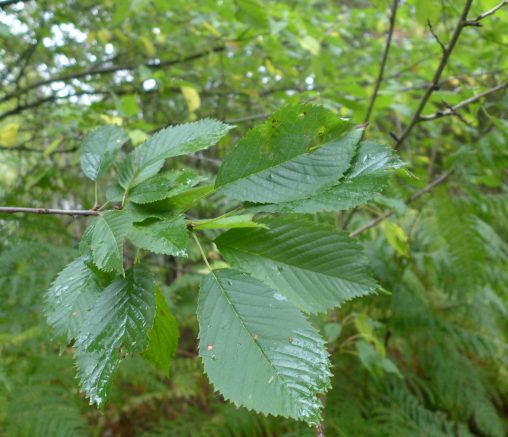
Native to northern Europe and northern Asia it flourishes along streams and on woodland edges, tolerating quite poor and limey soils.
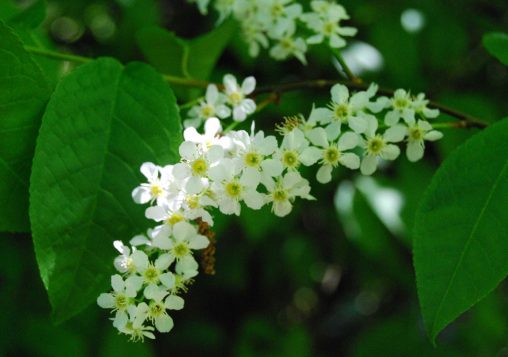
Gean is native to Europe, north west Africa and west Asia. In Britain it grows in deciduous woodland and is easily recognisable in the early summer, when large clusters of white flowers cover its branches.
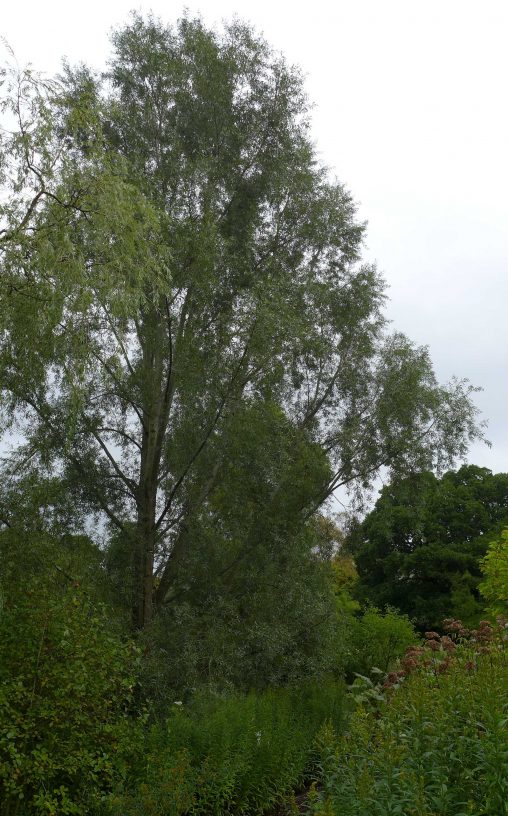
Willow is native throughout Europe, and western Asia. There are numerous species, many of which are known as willow, with more than a dozen in Scotland.
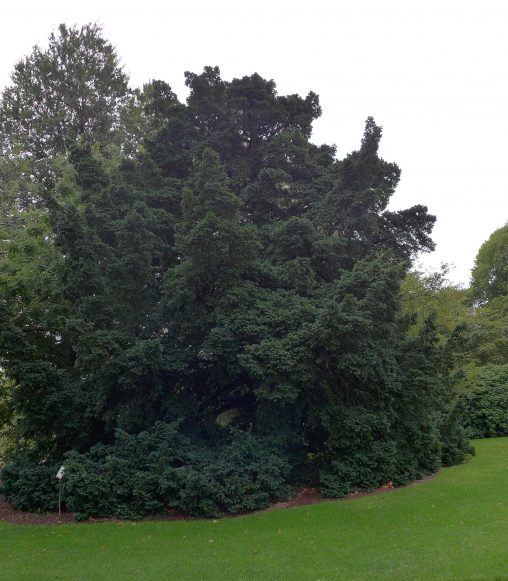
The evergreen conifer Yew is native to Europe and Asia Minor. It can be very long-lived, with reports of trees reaching thousands of years old.
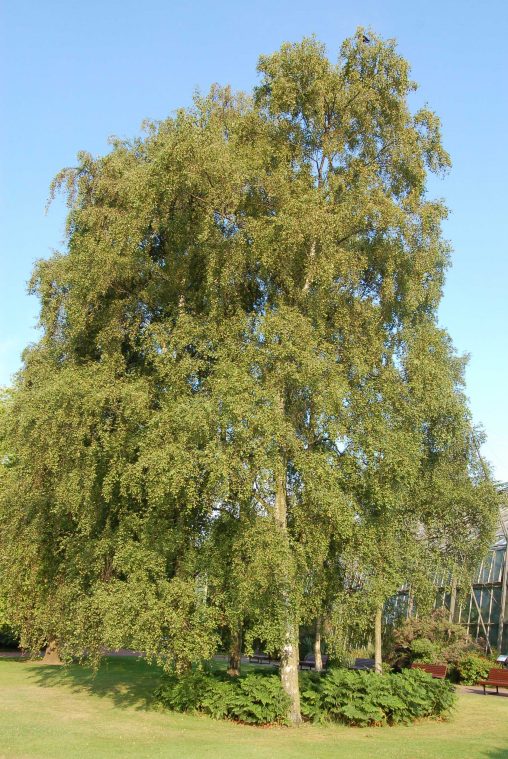
The birch is native throughout Europe, and can be found more widely as it is an attractive tree frequently used in gardens and parks.
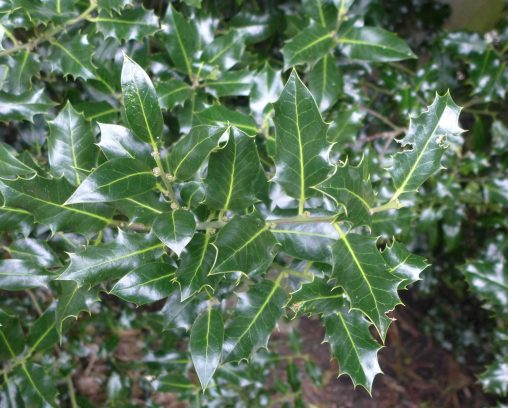
Holly is native to western and southern Europe, and is perhaps one of the most easily recognisable of those trees native to Scotland.
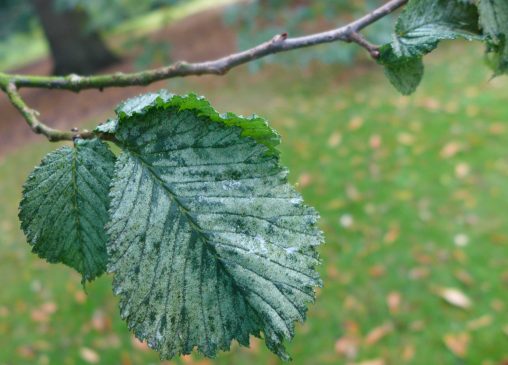
Elm is native across large parts of Europe and western Asia. In Britain many large specimens of Elm have been lost as a result of Dutch Elm disease, with few populations, including those in northern and western Scotland and Brighton, escaping the destruction it caused.
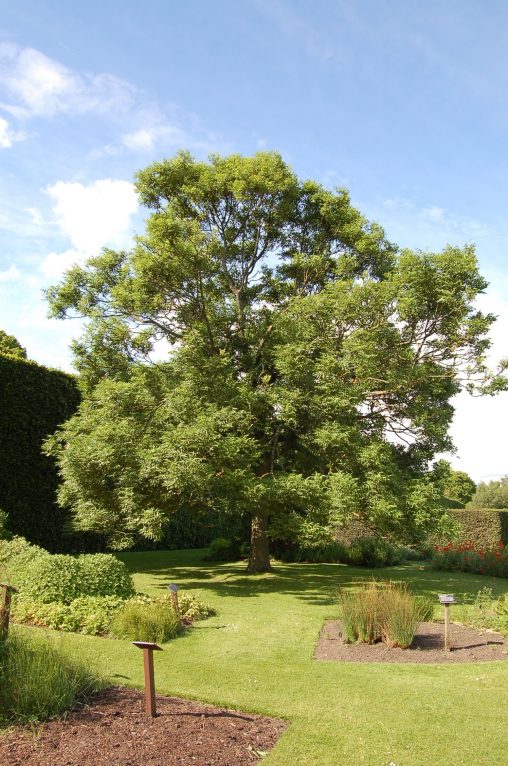
Ash is native to most of Europe, and is one of the commonest large trees in Scottish woodlands, growing 25-30m in height. The Common Ash can be distinguished from other species by the black leaf buds which are present during the winter.
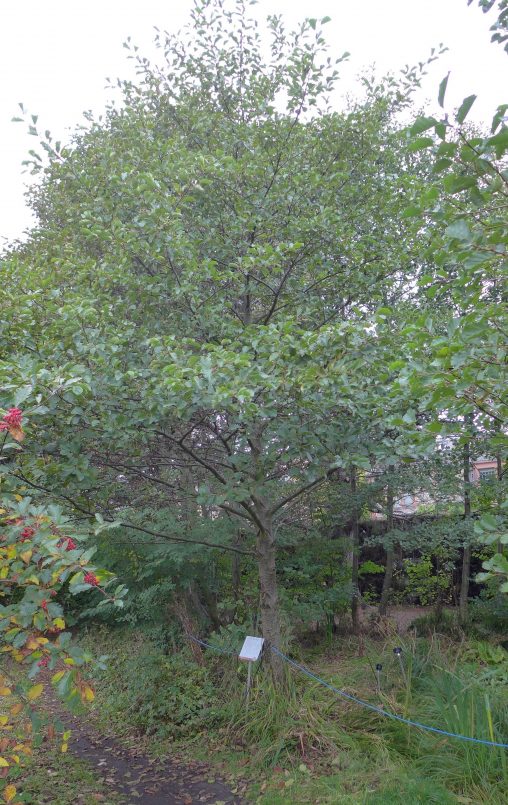
Alder is found in wet places and has a wide native range through Europe, west Asia and north Africa. It is a pioneer species of wet and marshy land, helping to open up water-logged soils and stabilising river banks, allowing other species to colonise these areas.