
Page 82 of 127
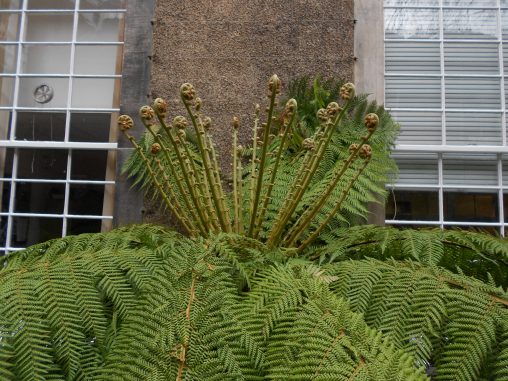
The crown of the tree fern, Dicksonia antartica, has rushed into life. Catching the warmth from the sun and surrounded by four walls in an enclosed courtyard it…
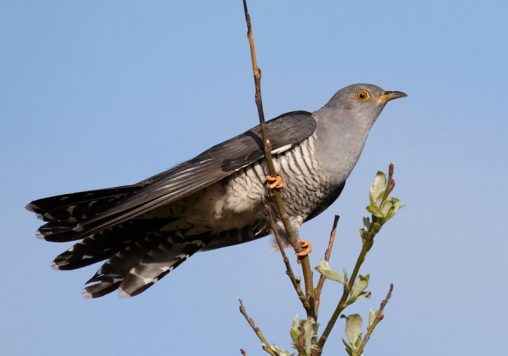
Last Sunday, 11 May, about half an hour before the Garden opened, three of the horticulturists (Clare Morter, Neil Davidson and Peter Wilson) all heard a Cuckoo calling…
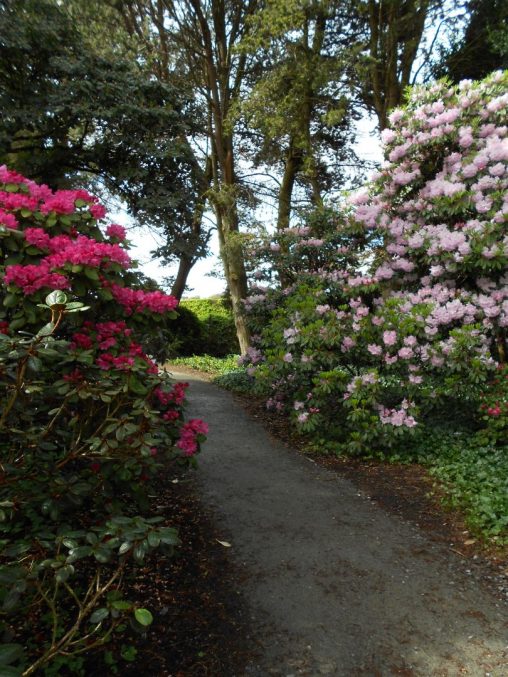
A walk through the Garden will prove rewarding with so many Rhododendrons in flower. In the copse R. orbiculare ssp. orbiculare and R. vernicosum are full of colour….
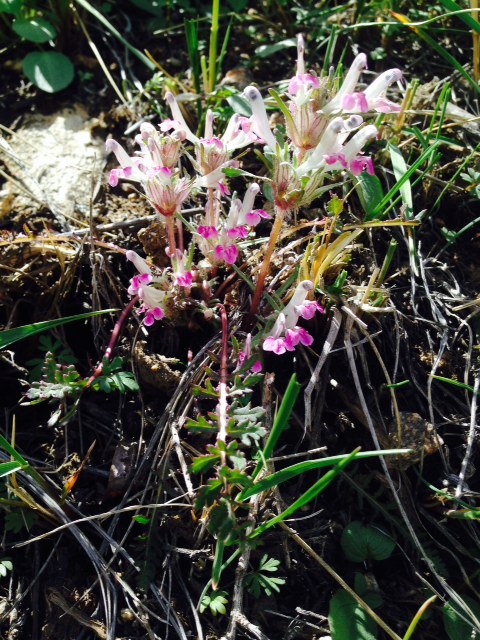
Just back from driving down to Ishkaham then driving along the Wakhan corridor right the way to Langar. The whole valley is dominated by mountains over 5000 meters….
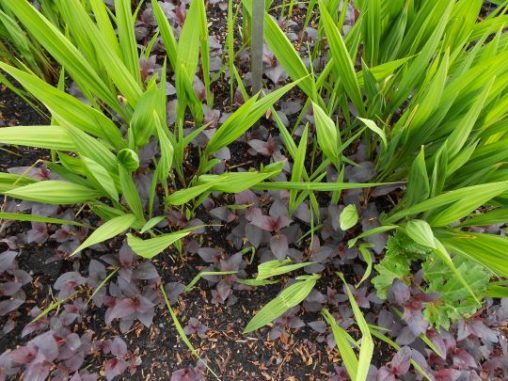
A clump of contrasting foliage within a mixed border is always welcome. A border full of Lysimachia ciliata is a different matter. This North American native has an…
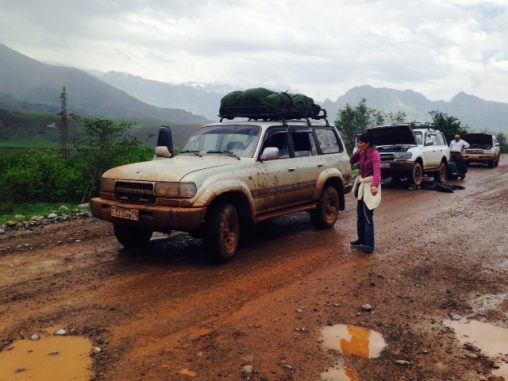
We have now arrived in Tajikistan and, after spending a day in Dushanbe sorting out equipment and looking round Dushanbe Botanic garden, we hired a 4x4to drive us…
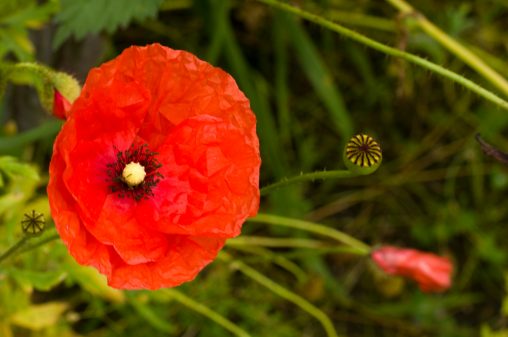
The summer of 1914 was the beginning of World War 1. In summertime this year, it will mark 100 years since it began. In memory of those who…

Building on the success of the Really Wild Veg trials last year we will be doing further growing trials this year. Last year we grew beet, radish and…

On Monday the 28th of April 2014 a momentous moment took place in the long project to rebuild the Botanic Cottage – we finally broke ground! To mark…
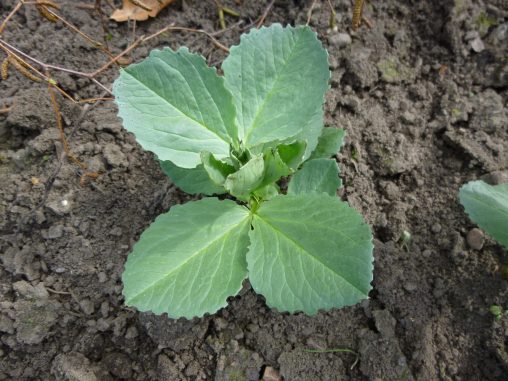
This year seems to be a bad year for pea and bean weevil infestations. The adult weevil damages plants by eating notches out of the edge of the…
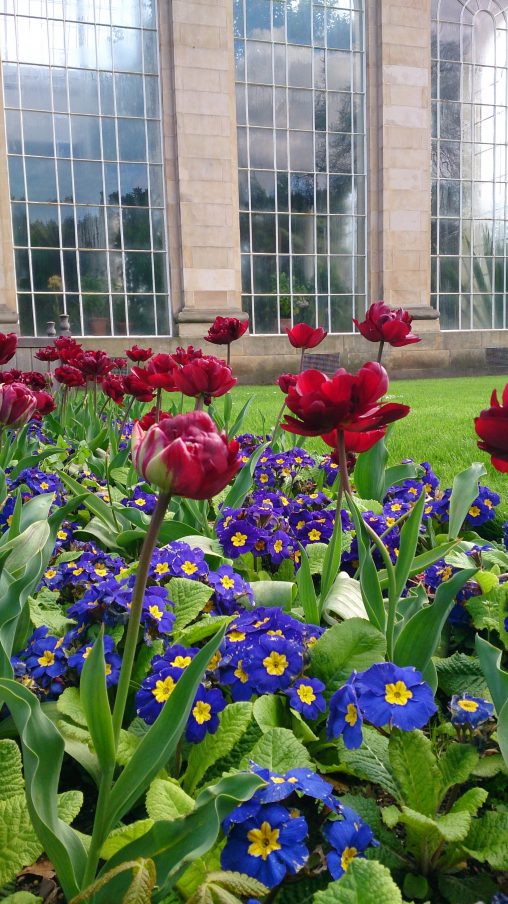
If the forecast is to be believed we are in for a few cold nights at the end of the week. If you bought your bedding plants over…
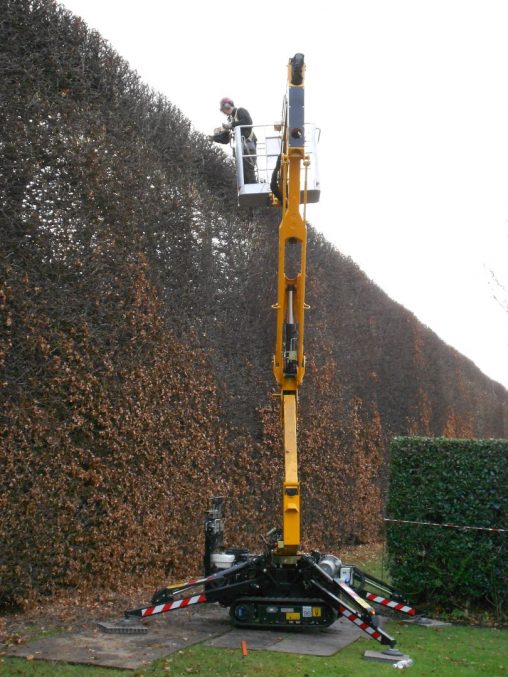
Maintenance Maintain a weed free root zone. Water establishing plants in a prolonged dry spell. Only cut when the bird nesting season is over. Forming the shape…
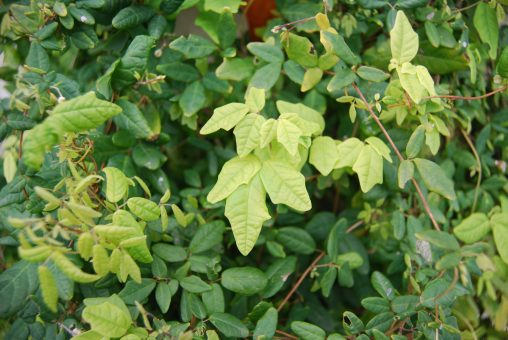
I was reading an online articles in National Geographic and Science about a Chilean Vine Boquila that can change it’s leaf shape and colour to mimic other plants around it and…

Two horticultural staff from the Royal Botanic Garden Edinburgh, John Mitchell Alpine Supervisor and team leader with Richard Brown have been joined by a member of staff from…
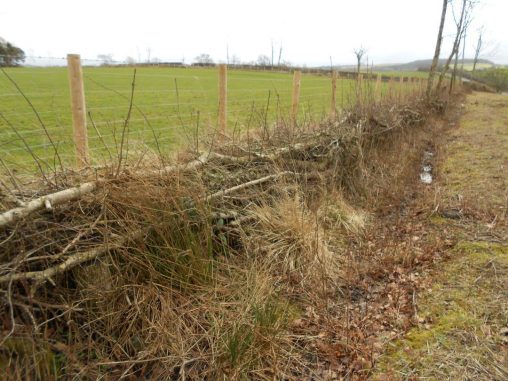
Hawthorn, Crataegus monogyna, the stock fence on farmland. Deciduous, spiny, flowering, berrying and impenetrable to livestock. These days, often cut with a tractor mounted flail mower. Craftsmen traditionally…
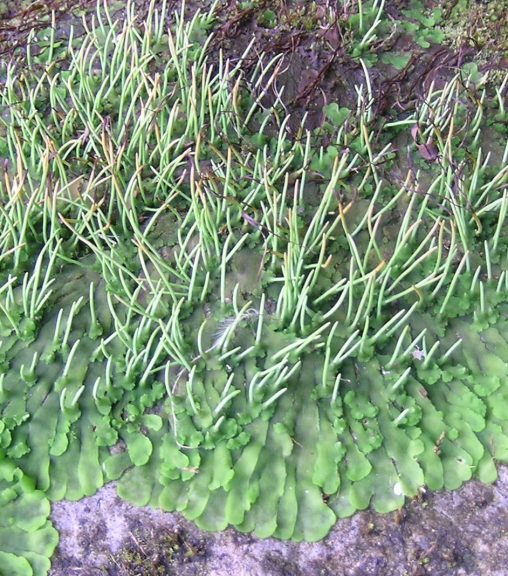
As a follow-on to my post about why bryophytes are important is this thoughtful piece by Dr Janice Glime, author of the comprehensive and freely downloadable book Bryophyte…
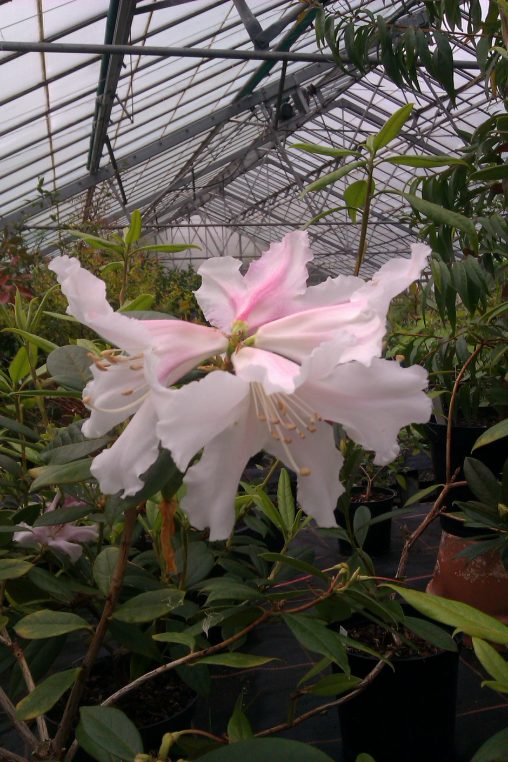
I have a fair interest in Rhododendron because the are such a ubiquitous Scottish garden plant, but at Royal Botanic Gardens Edinburgh we have a world class collection…
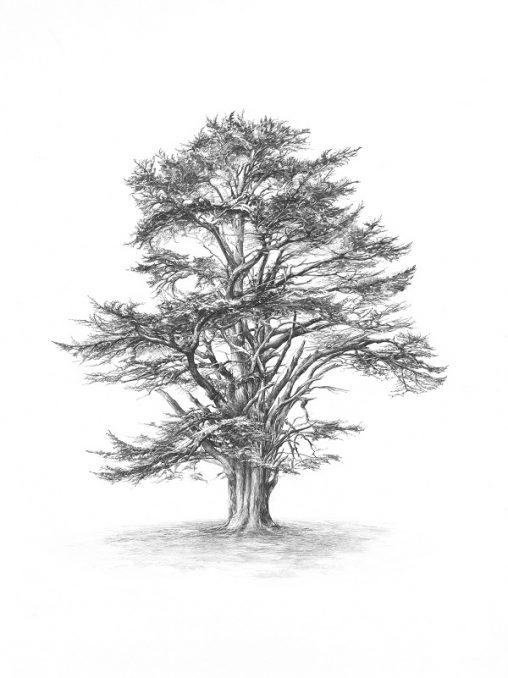
Opening on Thursday 17 April, Sylva, the new exhibition at the John Hope Gateway, marks the 350th anniversary of the publication of one of the earliest practical manuals on silviculture,…
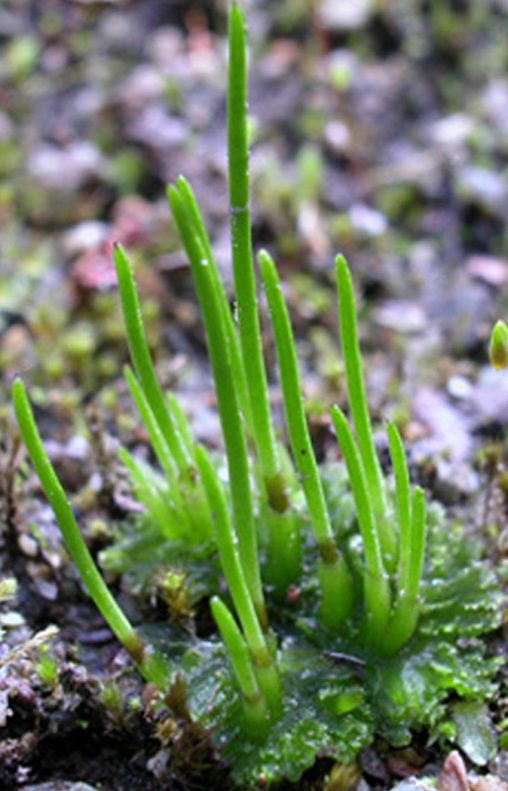
As someone who has used taxpayers’ money to fund research on bryophytes (the collective term for mosses, liverworts and hornworts), ‘But why do bryophytes actually matter?’ is one…
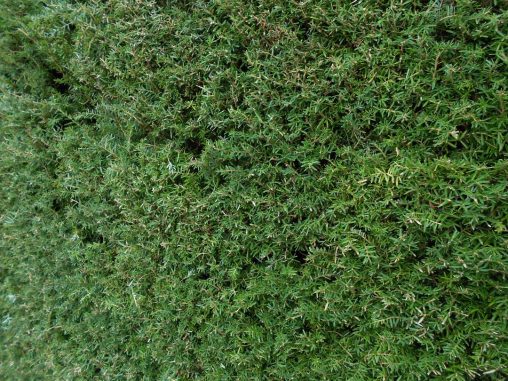
Tsuga heterophylla, the Western Hemlock, neat and dense, withstands close clipping and retains its shape. A tree of forest proportions in its native Western North America. A Pacific…