
Page 88 of 126
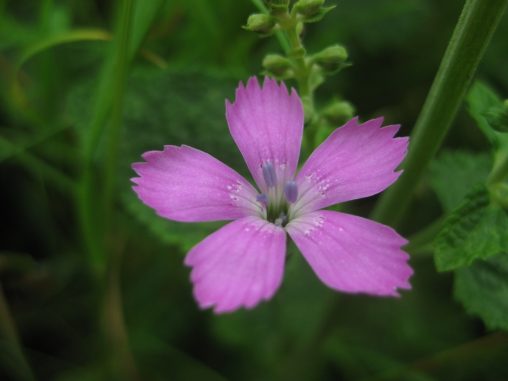
Holyrood Park is home to a great variety of plants. Among them are some that are relative rarities and these are carefully monitored by the Historic Scotland Ranger…
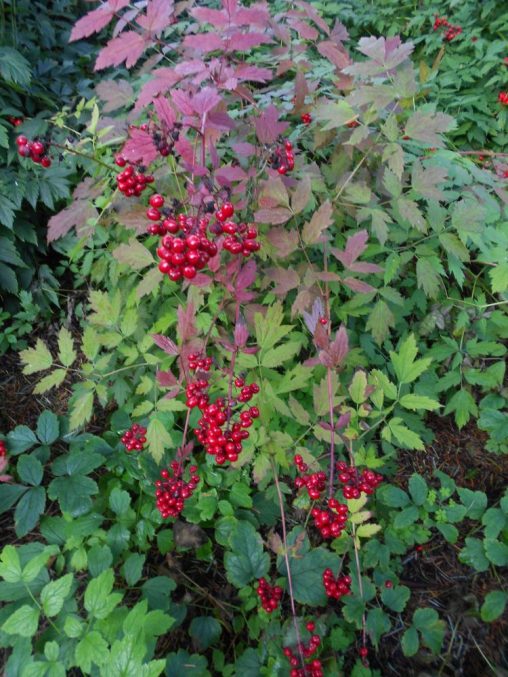
Actaea pachypoda – Fleshy and fruity Macleaya cordata – Dry and noisy Two herbaceous plants from opposing continents both doing what they should; setting a store of seed…
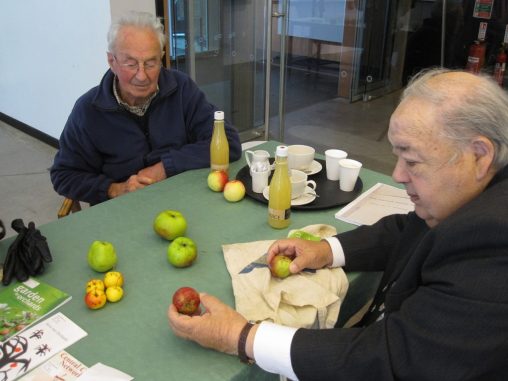
Apples are a feast for the senses. The variety of size and colour is incredible. Small varieties have fruits little bigger than a golf ball while the aptly…
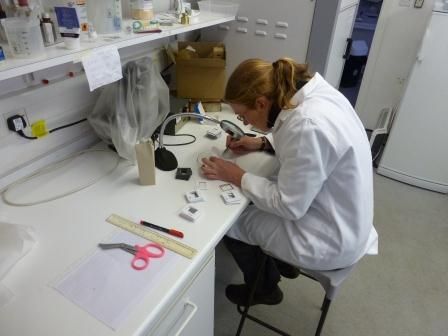
As part of the Scottish Plants Project we are trying to understand the propagation requirements of 170 of Scotlands’s most threatened or vulnerable species. We are well on…
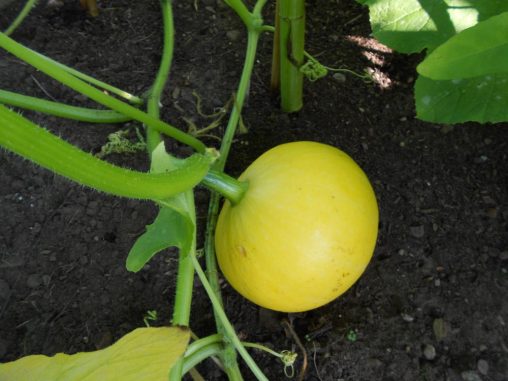
Swelling nicely for the Halloween harvest is a patch of Pumpkins. These trailing members of the Cucurbitaceae family have appreciated the warmth of this summer. Cucurbita maxima ‘Yellow…
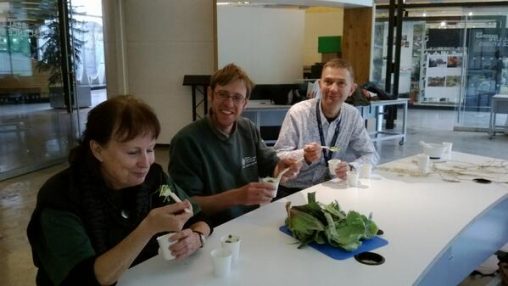
By domesticating wild plants to create our familiar crops we have selected desirable traits like disease resistance, yield and flavour. The Really Wild Veg project has been examining…

Wild plants are not only part of our landscape, they are integral to our culture and history. Plantlife’s unique project celebrates our fascination with wild plants in the form of…

When working through endless spreadsheets of data occasionally something jumps out because it looks odd. Scanning down the list of living Clematis at RBGE the accession number 19021013 set…
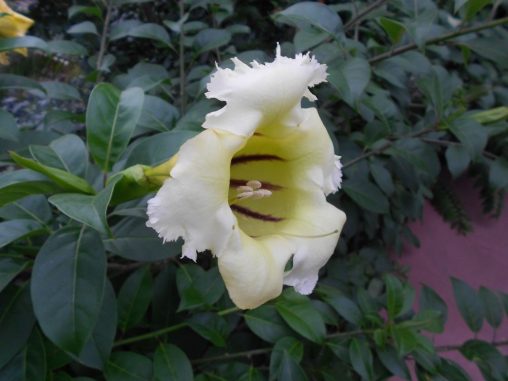
Blooms resembling a chalice are opening on the vigorous growth of Solandra grandiflora covering the railing of the elevated walkway in the temperate house. Planted in the border…
The importance of conserving crop genetic resources, including the species regarded as Crop Wild Relatives (CWRs), is a subject that has featured quite a bit in this blog…
Now that harvest is a major activity in the Demonstration Garden the final crops in the Really Wild Veg project are approaching maturity. This project has been growing…
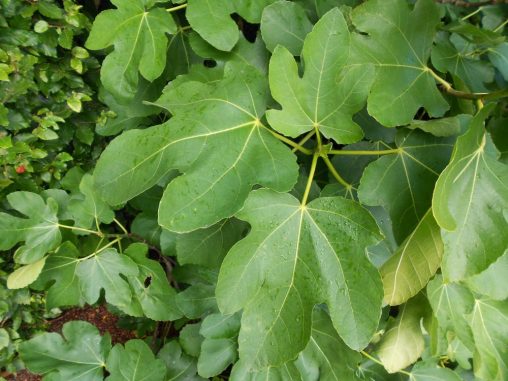
Relegated to the back of our memories during the past dismal summers and severe winters, a Fig tree has cropped well this year. A handsome specimen, Ficus carica,…
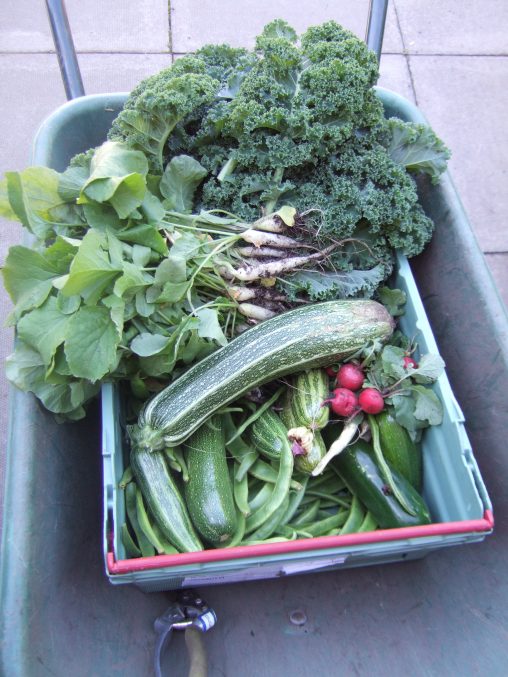
Here are some tasty ideas to help you deal with your courgette glut. 1. Stuffed Baked in the oven with a rice, cous cous or bulger wheat…
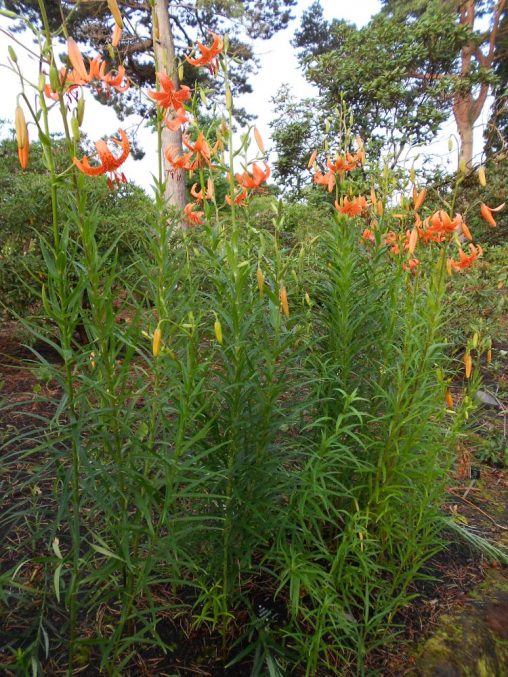
Lilium leichtlinii var. maximowiczii; tall growing and bright of flower. A welcome splash of colour in the woodland area at the start of autumn. At a height touching…
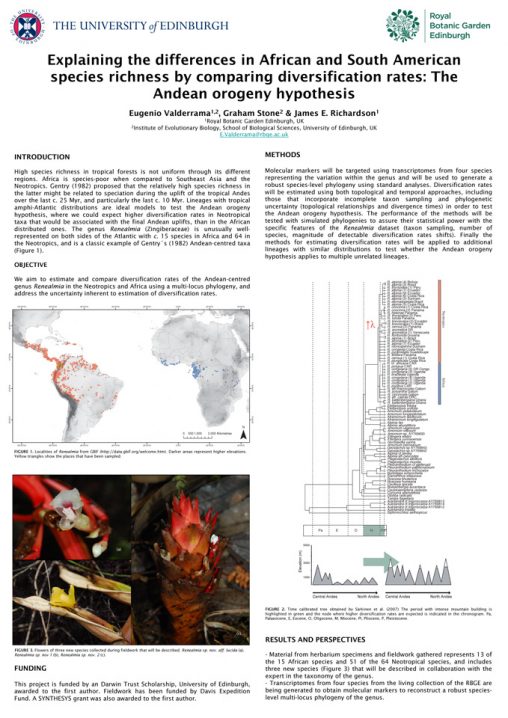
As part of a PhD programme in the School of Biological Sciences at Edinburgh University students are expected to create and present a poster at the end of their 2nd…
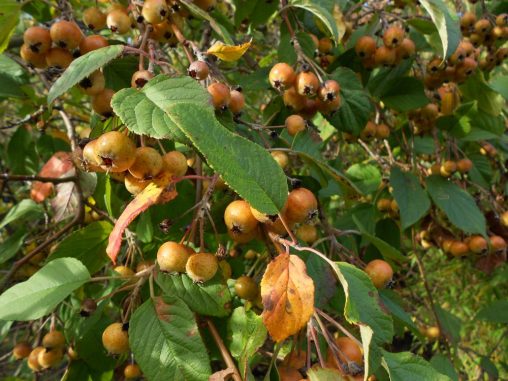
A good year for apples, cultivated and botanical. Malus yunnanensis is no exception. A native to south western Provinces of China. The seed was collected in Yunnan Province…
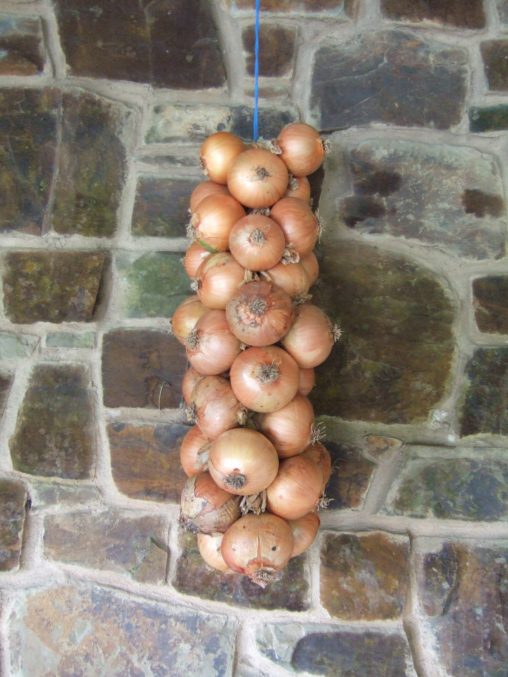
The best way of storing onions is using the traditional string method. Onions must be dried first if they are to…
This year is the 150th birthday of the magnificent avenue of redwoods at Benmore. The story behind how this species reached Britain involves a race to bring back…
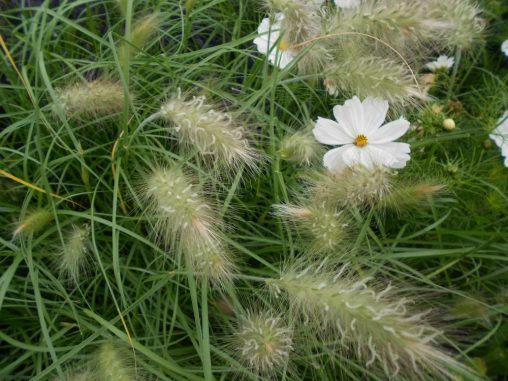
Plants raised from seed in March, grown on under cover until the cold spring ended and planted out during May to form this year’s successful potager. In the…
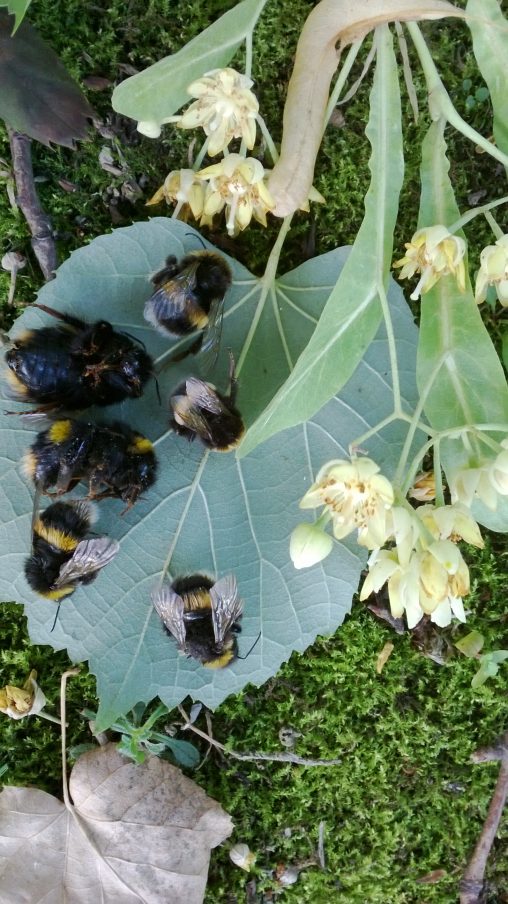
The story of dead bumblebees at the Botanics that had apparently been killed by the toxic effect of nectar from silver lime (Tilia tomentosa) http://stories.rbge.org.uk/?p=5319 has taken a new…