When you think about a “good city,” what comes to mind? Parks and green spaces? Shops and cinemas? Safe streets? Opportunities for everyone?
Recently, I had the privilege of joining a fascinating panel hosted by the Royal Society of Edinburgh as part of its Curious programme to explore exactly that question: What makes a good city—and how can we build one that works for both people and the planet?
I was joined by an inspiring group of speakers: Gillian Dick – expert in urban planning and nature-based solutions, Julia Leino – champion of environmental rights – and Professor Roger Crofts – environmental leader and found of Scottish Natural Heritage. Our conversation was chaired by Dr Lydia Cole, who guided us through the big questions.
📺 Watch the full discussion on YouTube
Why This Matters
Cities are where most of us live, work, and play. Urban life brings incredible opportunities: access to jobs, education, healthcare, and culture. Cities can be vibrant, creative, and full of energy.
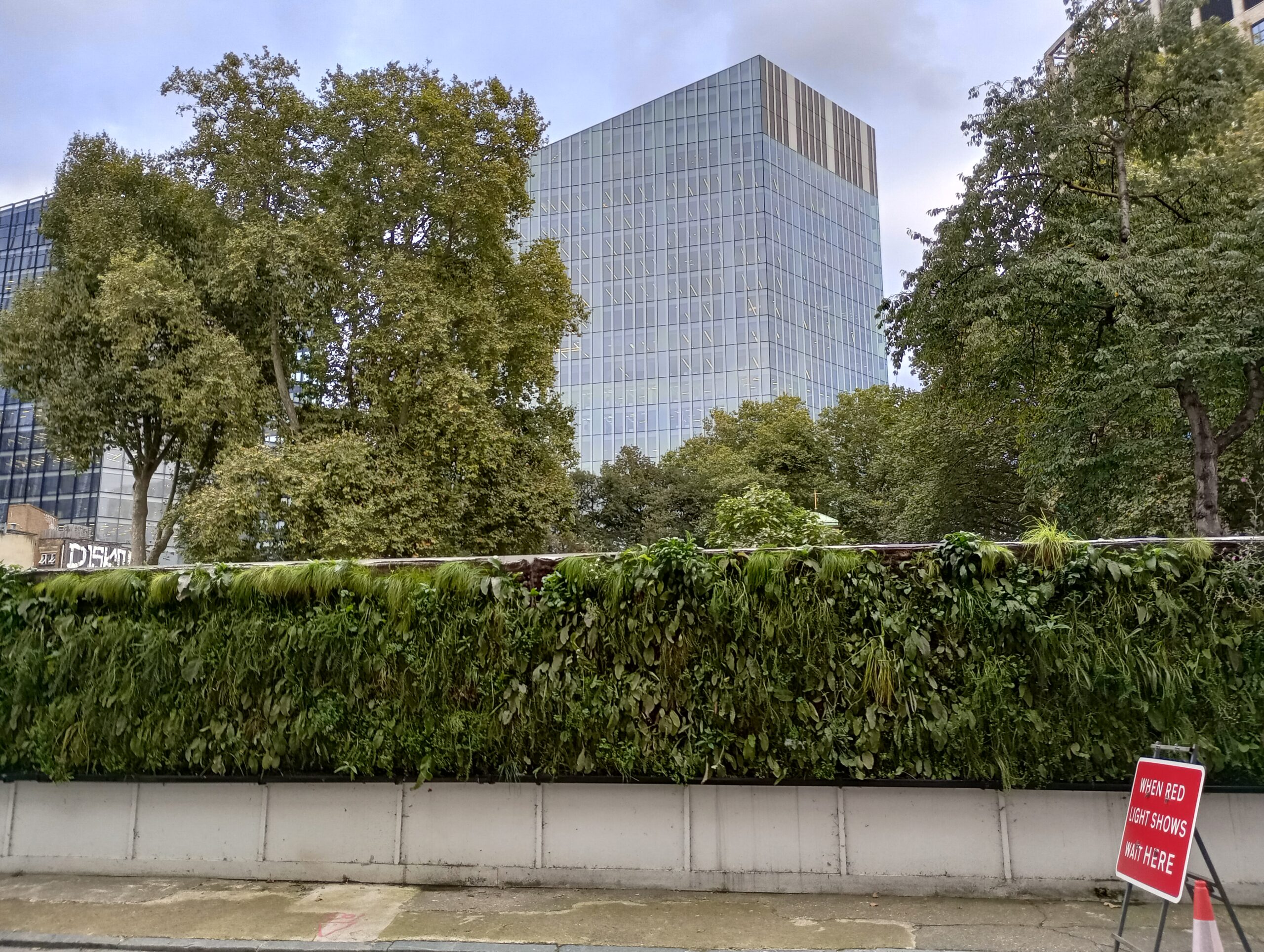
But as they grow and densify, cities often push out nature—replacing green spaces with concrete, burying waterways, and losing the benefits that natural environments provide. This affects everything from clean air and water to mental health and climate resilience. And not everyone feels the impact equally.
Still, cities are constantly evolving and that gives us a chance to rethink how we live with nature and with each other. Can our towns and cities be good both for the people who live there and for the planet?
What I Learned from My Fellow Panellists
The discussion wasn’t just about theory—it was about real, lived experiences and practical solutions. Each speaker brought a unique perspective on what makes a city truly good.
Julia reminded us that a good city is an inclusive city.
“I think a good city is a place, a community that provides a healthy life for all of its inhabitants and a place where in turn those inhabitants are able to care for and equally participate in shaping that city. And that means everyone, all people, regardless of who they are and where they live, as well as those other species that we share our city spaces with.” – Julia Leino, Policy & Communications Officer, Environmental Rights Centre for Scotland
This sentiment was echoed by Roger, who reminded us to look beyond ourselves and our own experiences.
“Speak to people who you never normally speak to and understand their part of the city.” – Roger Crofts, RSE Convenor Community of Interest on Environment
Gillian spoke passionately about designing spaces that serve multiple purposes and generations:
“Our blue, grey, and green spaces have the ability to be multifunctional. They should be our flood alleviation spaces. They should be our carbon capture spaces. They should be our play spaces, our thinking places, our learning spaces. The ‘I want to be on my own space’, ‘I want to learn to walk space’, ‘I want to climb a tree space’, ‘I want to think about the world space’—and they need to do all of that for us at different ages.” – Gillian dick, Manager of the Spatial Planning, Glasgow City Council

So, What Makes a Good City?
For me, a good city is one where nature isn’t an afterthought—it’s woven into the very fabric of the design. It’s a city where young people get to walk to school surrounded by nature, where communities shape the places they love, and where every planning decision takes account of the needs of people and the planet.
My take-home messages from this event:
- Listen to lived experiences: Young people notice things that adults often overlook. Their voices challenge assumptions and offer fresh perspectives that can transform how we design our cities.
- Don’t forget who’s missing: Not everyone has access to nature—or feels connected to it. We need to take time to understand what matters to different communities and why, so solutions are truly inclusive.
- Target improvements where they’re needed most: Inequality in access to nature is real. We can’t keep making the green places greener while leaving nature-deprived areas behind. A good city is one that is good for everyone.