Growing a Network for Artists and Botanic Institutions
By Siôn Parkinson
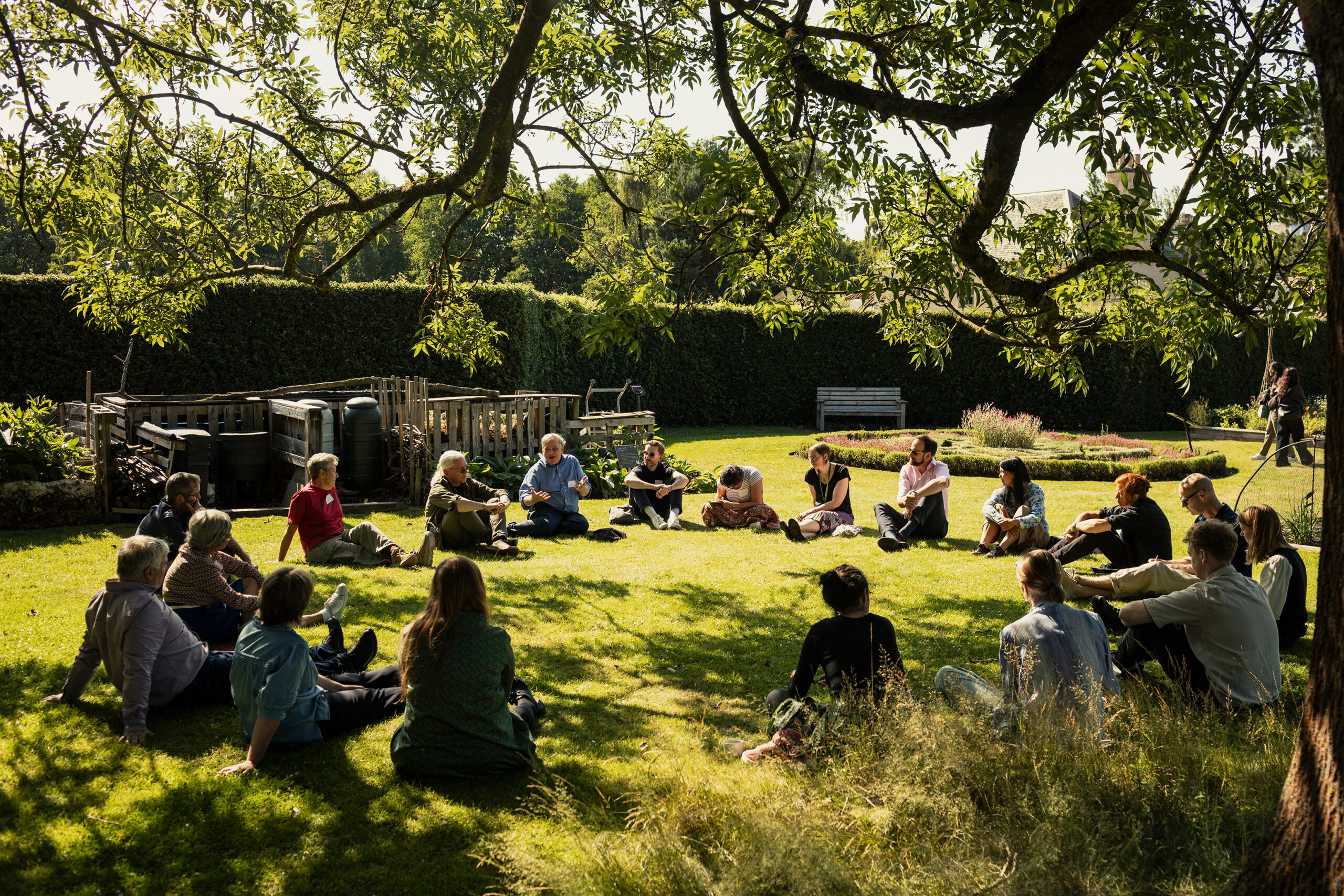
The first Routes to Roots network gathering in the Botanic Cottage garden. Photo: Ross Fraser McLean, 2025.
On 16 July 2025, twenty artists, curators, researchers and collections staff gathered in the Botanic Cottage at the Royal Botanic Garden Edinburgh for the first Routes to Roots workshop. The day was convened by Marleen Boschen (Royal Botanic Gardens, Kew) and myself as a collaboration between RBGE and Kew, bringing together colleagues from across the UK with experience of, or an interest in, working with artists in their collections. Our aim was to test something simple but long overdue: what happens when artists and botanic institutions meet on equal footing, and what is needed for that work to grow across the UK?
The workshop developed out of our shared position as AHRC Early Career Research Fellows embedded within botanic gardens — Marleen at Kew, myself at RBGE. Both fellowships ask what it means for artists to undertake humanities research within science-based institutions. Routes to Roots became a practical way of testing that question with colleagues from across the UK.
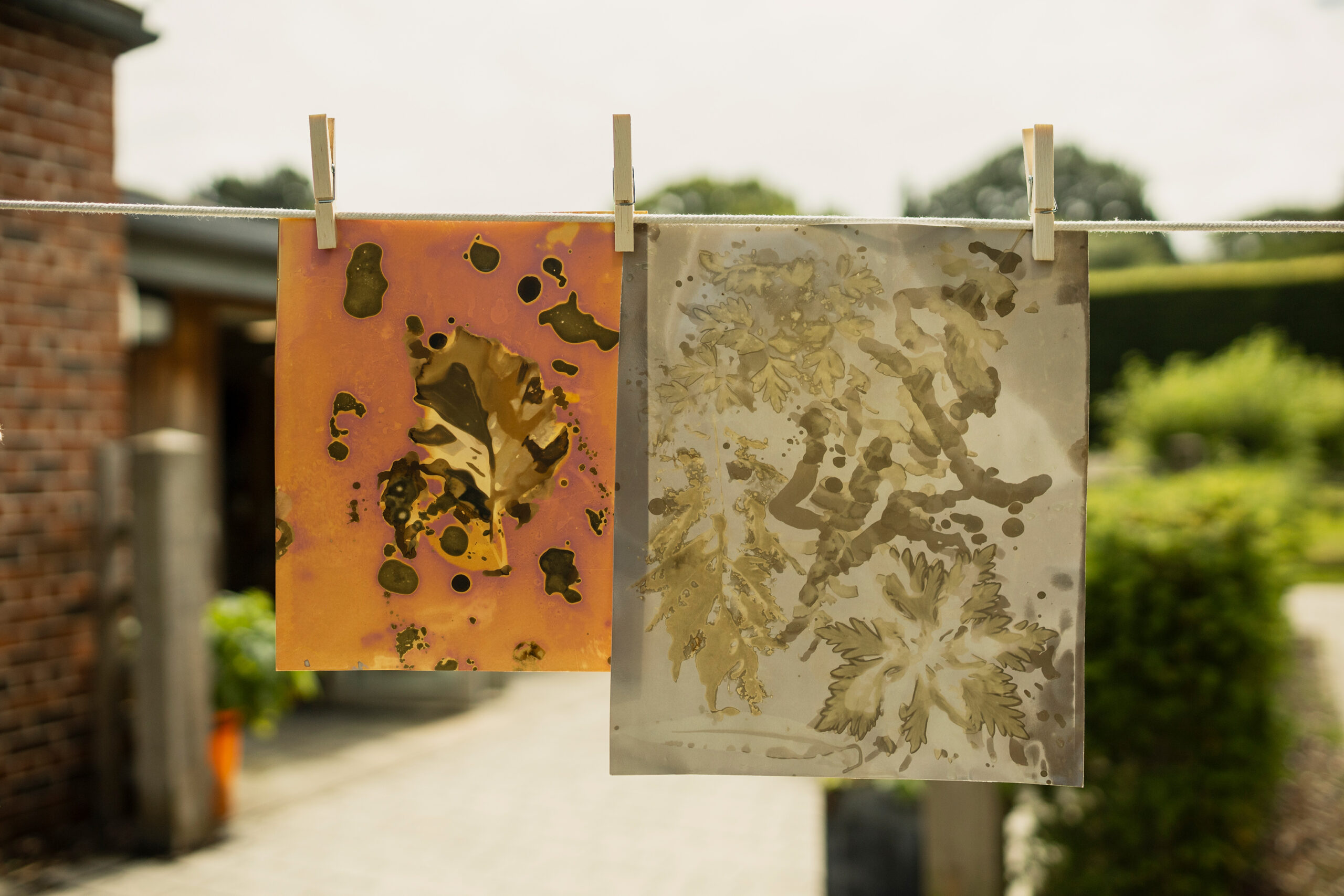
Plant-based photograms drying in the sun during a hands-on session led by artist Edd Carr. Photo: Ross Fraser McLean, 2025.
We kept the group small and the format hands-on. Rather than polished presentations, the point was conversation, trying things out, and being frank about what gets in the way. Two artists, Edd Carr and Cristina Ochoa, led practical sessions using photographic and plant-based processes, grounding the day in method rather than slides.
The day also connected closely with RBGE’s strategic work in the Plant Humanities, bringing living and preserved collections into dialogue with research across the arts, sciences and humanities.
By the end of the day, three recurring priorities had emerged: Access, Method and Hosting.
1. Access
Access is not simply entering a space. It is knowing what sits within the collections, who holds what knowledge, and how to work safely and responsibly with living plants, preserved specimens and archival material. Contributors spoke about institutional barriers that lead to a default ‘no’ — from siloed teams to unclear points of contact — but also about the opportunity to shape access differently in future. What happens when we say ‘yes’ to requests from artists to access collections, and how can institutions give curators the conditions and confidence to say ‘yes’?
A recurring point was that access depends on people: transparent communication about capacity; clarity on what is possible; and the trust that develops when curators, horticulturists and scientists can share expertise early in a project. Artists, in turn, benefit from understanding scope, limits and care requirements from the outset, particularly when collections carry difficult histories or emotional labour.
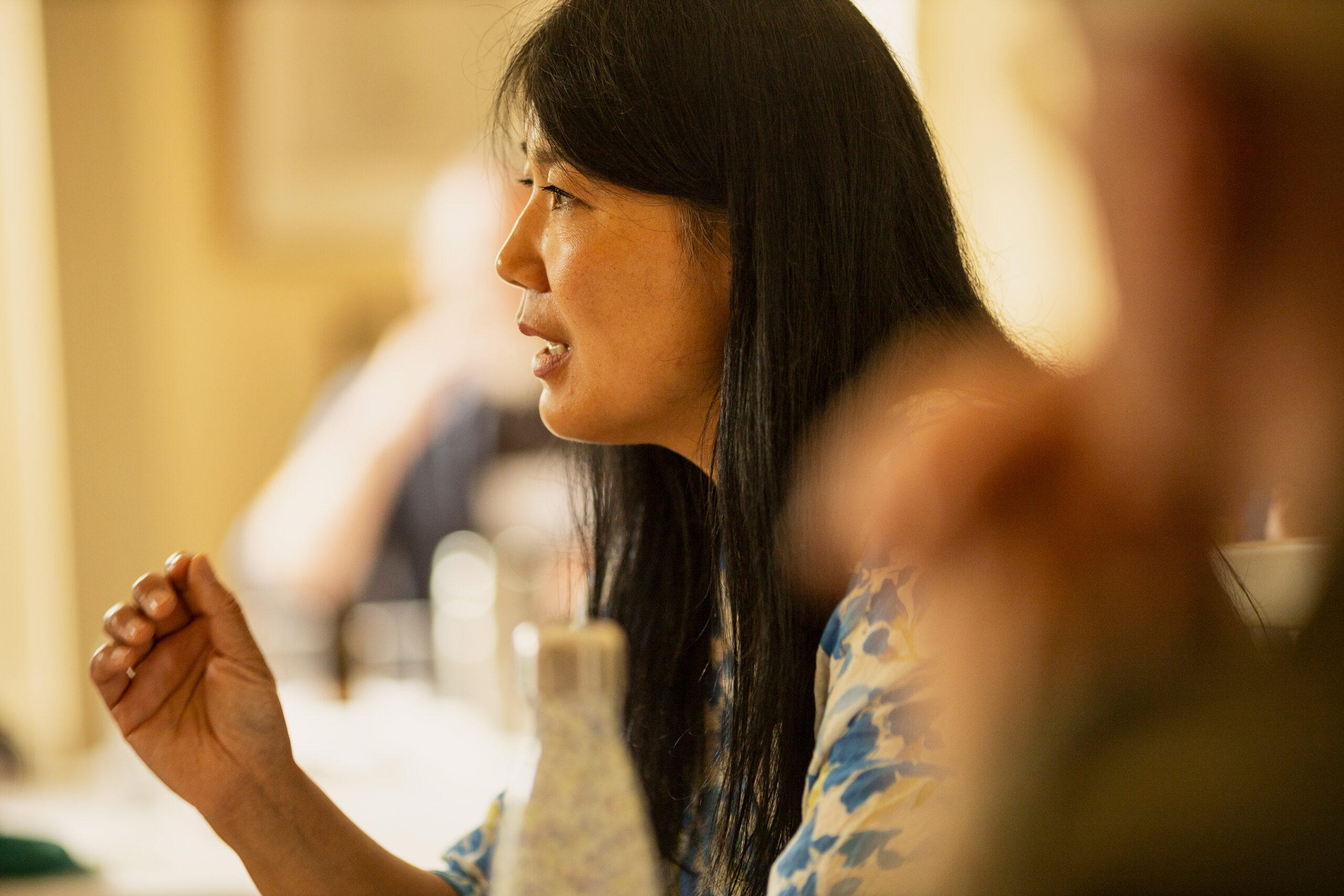
Contributors emphasised the need for clear entry points to collections and transparent conversations about institutional capacity. Photo: Ross Fraser McLean, 2025.
2. Method
Throughout the day, contributors noted the similarity between artistic and scientific research. Both are intuitive, material and process-driven, relying on testing ideas through practice. In botanic contexts this often means tactile, sensory and seasonal approaches: handling specimens, waiting for processes to unfold, shifting between the garden, the lab and the archive.
The practical workshops made this clear. Photographic experiments dried in the sun. Natural dyes stained cloth. Leaves and papers were folded, soaked and held. Contributors spoke about touch, smell, sound and ‘dwell time’ (giving visitors time and prompts to stay with a specimen) as routes into understanding, both for research and for public engagement. Working with plant and fungal material is always embodied. It involves holding, folding, staining, smelling and waiting, and this physical encounter shapes what, and how, we come to know.
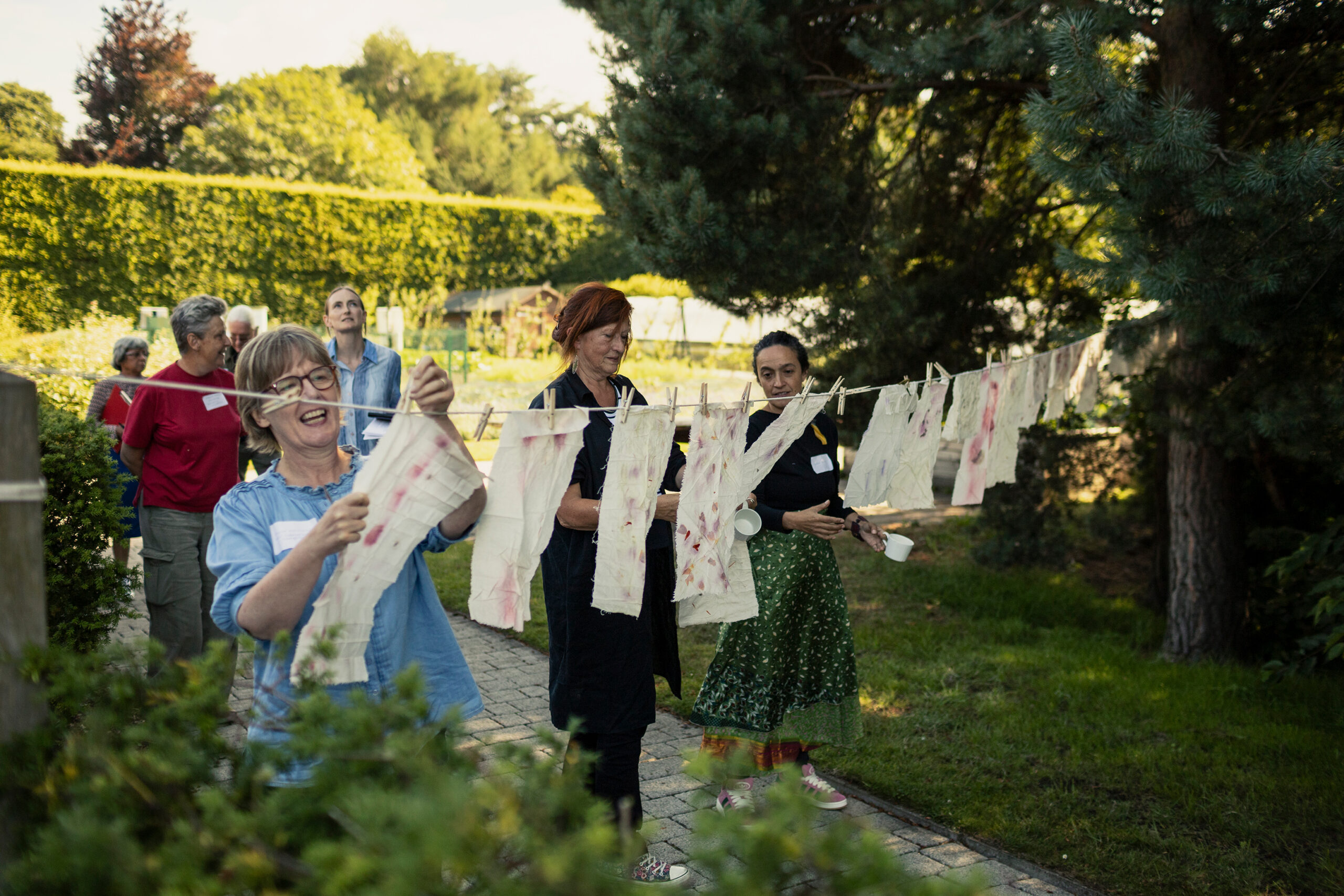
Experimenting with natural dyeing techniques in Cristina Ochoa’s ‘Plant Sensing’ workshop. Photo: Ross Fraser McLean, 2025.
3. Hosting
If access is about finding a way in, hosting is about the conditions that make collaboration possible. Three needs came up repeatedly: time for staff to share knowledge; practical resources such as keys, passwords and desk space; and confidence on both sides, from institutions supporting artistic research to artists navigating unfamiliar systems.
Discussions returned often to expectations: what early-phase research looks like, what kind of material or learning might be left behind for the institution, and how to avoid extractive working. These are not bureaucratic concerns but practical ones, essential for sustainable partnerships.
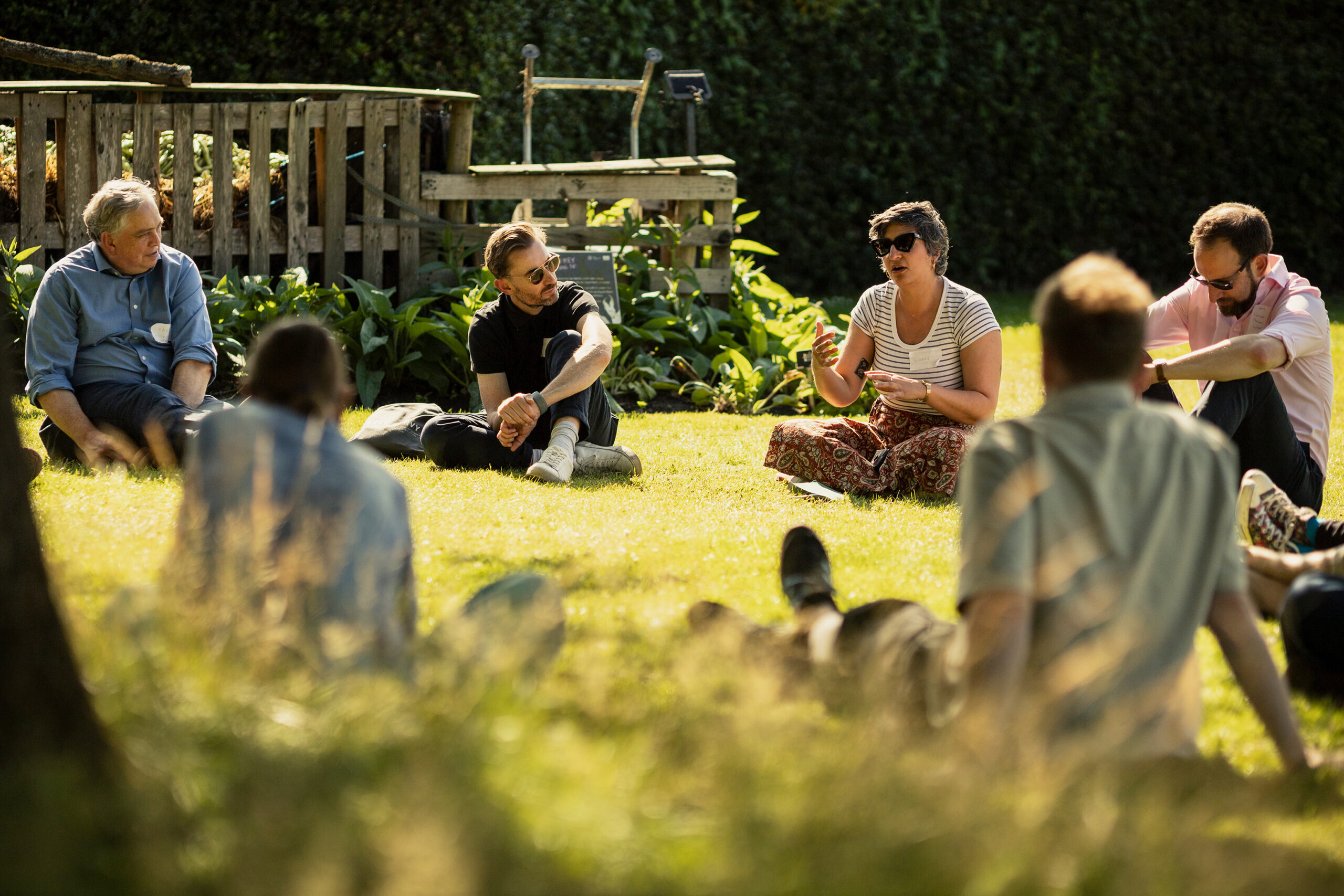
Conversations continued outdoors, linking plants, collections and lived experience. Photo: Ross Fraser McLean, 2025.
Why now?
Routes to Roots grew from the AHRC Early Career Fellowships in Cultural and Heritage Institutions, which placed eight arts and humanities researchers across a variety of host organisations. For Marleen and me, this meant working as artists inside two botanic gardens, and the overlaps in our research were obvious from the start. The workshop offered a way to explore those shared questions with others. A Seed Fund award linked to the Fellowship gave us space to test how artists and botanic collections at RBGE, Kew and across the wider natural-science sector might work together around shared questions rather than isolated projects.
This work also aligns with the growing emphasis on Plant Humanities within both organisations, where artistic and humanities-led approaches are becoming part of how collections are interpreted, used and cared for. Bringing people together at this moment felt timely: as roles and projects inevitably shift, it is important that what we learn is recorded clearly so future collaborations can start from firmer ground.
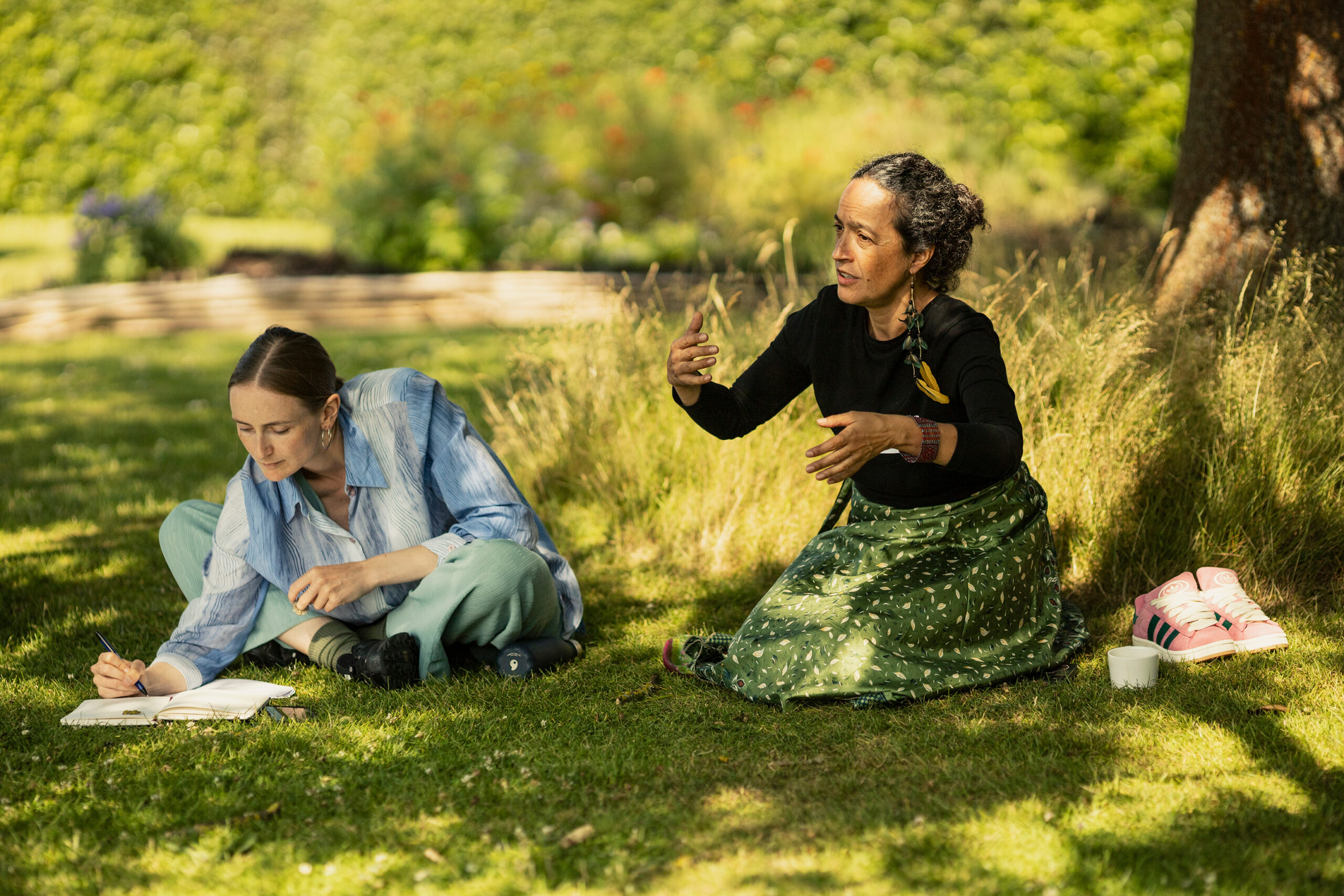
Contributors in conversation, connecting practice with research across collections. Photo: Ross Fraser McLean, 2025.
Next steps
The clearest result from the workshop was the need for a short set of working principles: practical, plain-language guidance for artists and institutions working together around collections. These principles will be developed collaboratively, forming a modest but useful shared reference for future projects. Other ideas, such as documentation of methods and further workshops, may follow as the network grows.
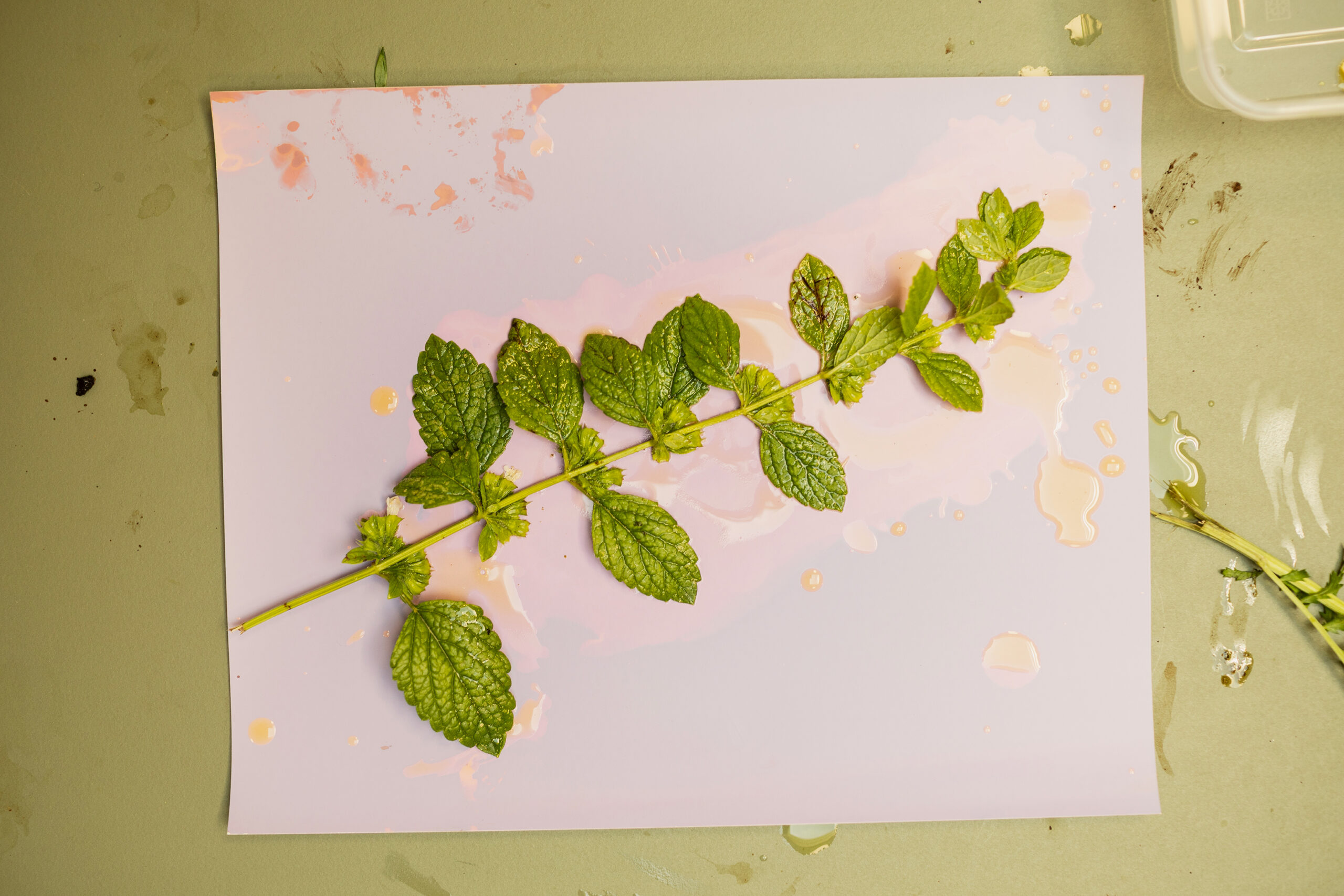
Leaf and light experiment from artist Edd Carr’s workshop, which invited
contributors to work directly with plant material and photographic processes as a way of rethinking method. Photo: Ross Fraser McLean, 2025.
Acknowledgements
Routes to Roots was supported by an AHRC Seed Fund through the Early Career Fellowships in Cultural and Heritage Institutions. With thanks to all contributors and colleagues at RBGE and Kew, to Audrey Scardina at Historic Environment Scotland for workshop facilitation support, and to Rose Kent at RBGE for note-taking.
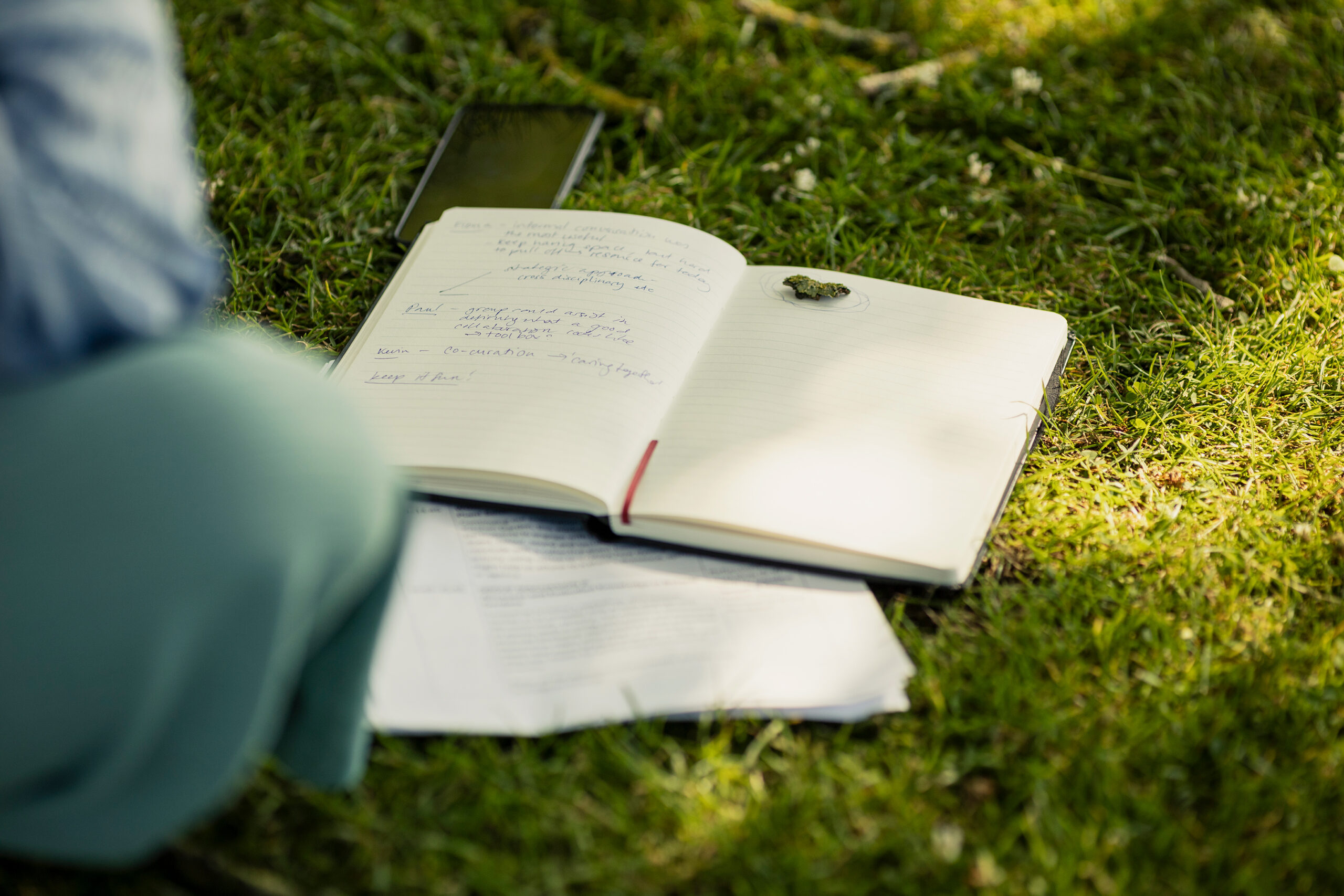
Notes from the day: reflections captured outdoors as discussion moved between garden and cottage. Photo: Ross Fraser McLean, 2025.