
“Conservation Translocation is the deliberate movement and release of organisms primarily for a conservation benefit.”
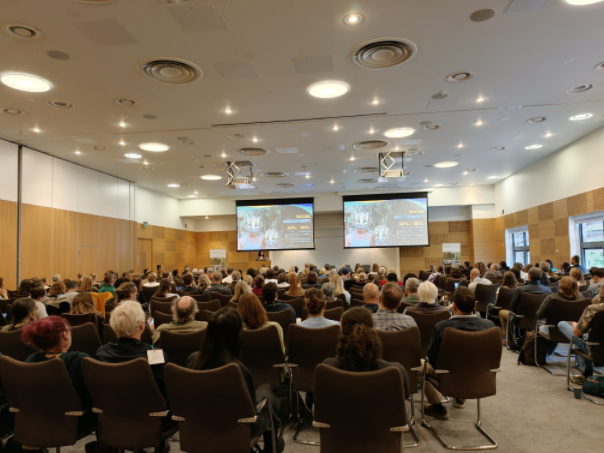
Earlier on this month, the 4th International Conservation Translocation Conference (ICTC) took place in Edinburgh. Following on from the previous ICTC conference in Perth, Australia in 2023, this was the first time that it had been held in Europe. The event was organised through a collaborative effort between NatureScot, the Royal (Dick) School of Veterinary Studies, University of Edinburgh, Royal Zoological Society of Scotland and the Royal Botanic Garden Edinburgh. Over the course of 3 days, 300 delegates from all over the world came together to share and discuss the latest developments in conservation translocation management, research and innovation. There were 174 presentations in total and 4 specialist workshops covering policy, practise and research of species across many different taxa and habitats. If you would like further information on all the presentations, you can find the conference abstracts here. The ICTC also had the pleasure of hosting the Scottish Cabinet Secretary for Climate Action and Rural Affairs, Gillian Martin, who gave a presentation which highlighted some of the Conservation Translocation work happening in Scotland.
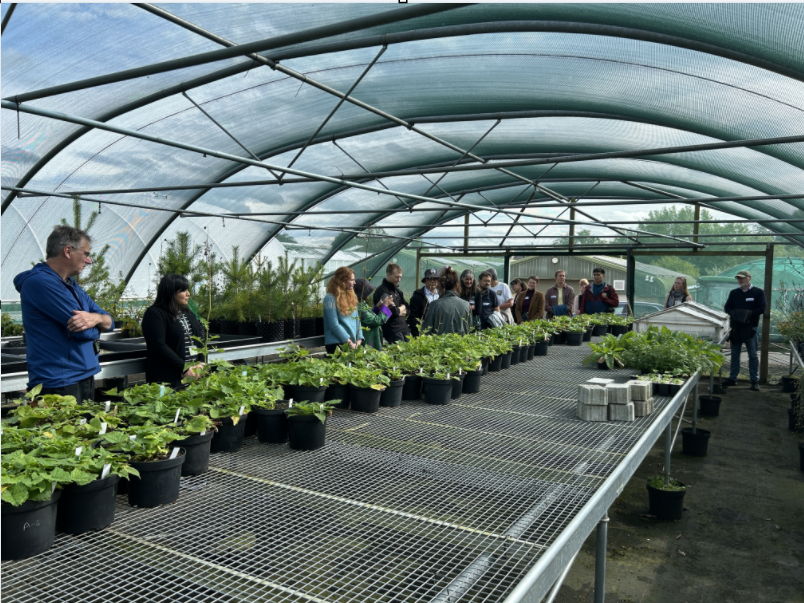
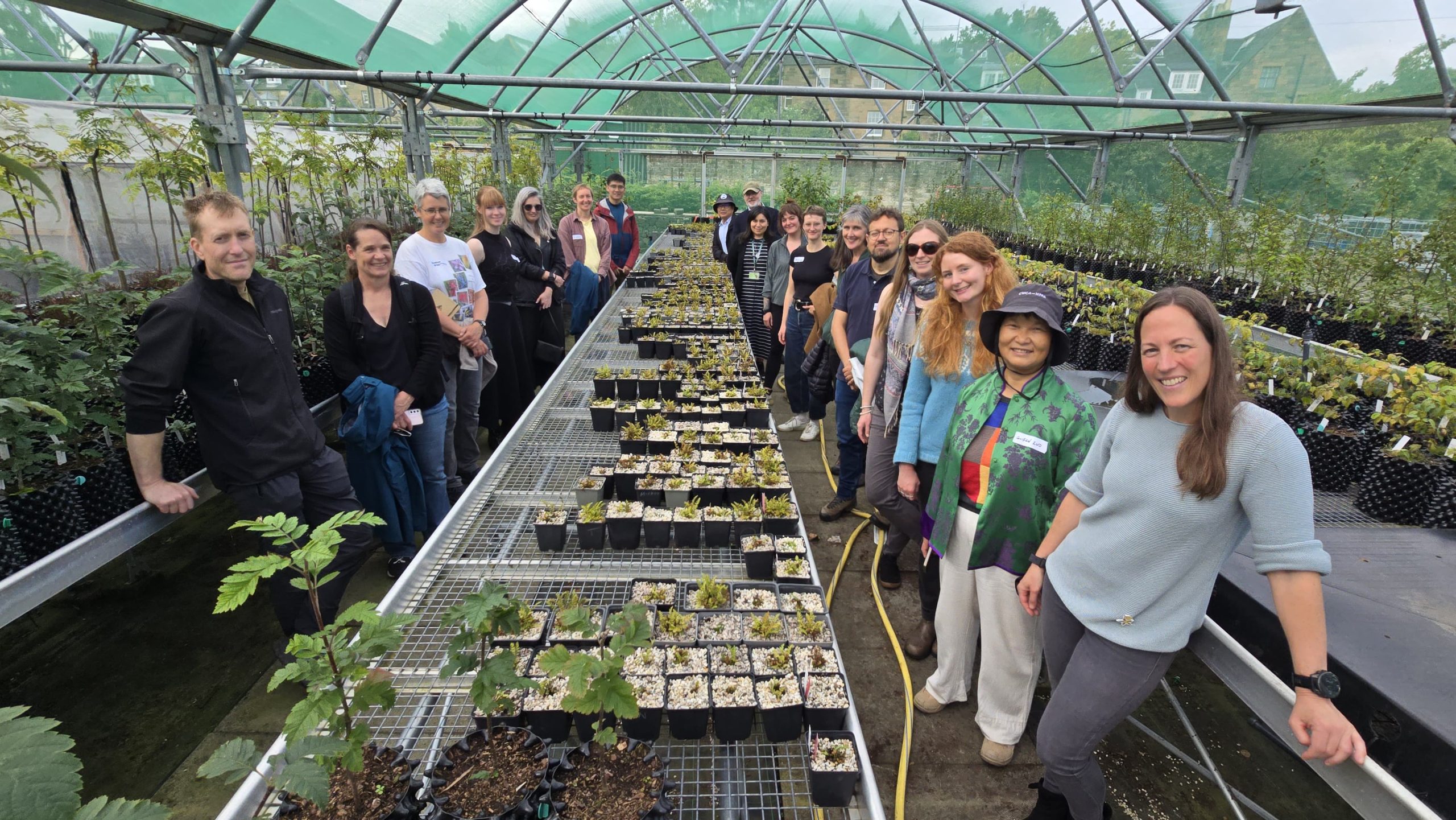
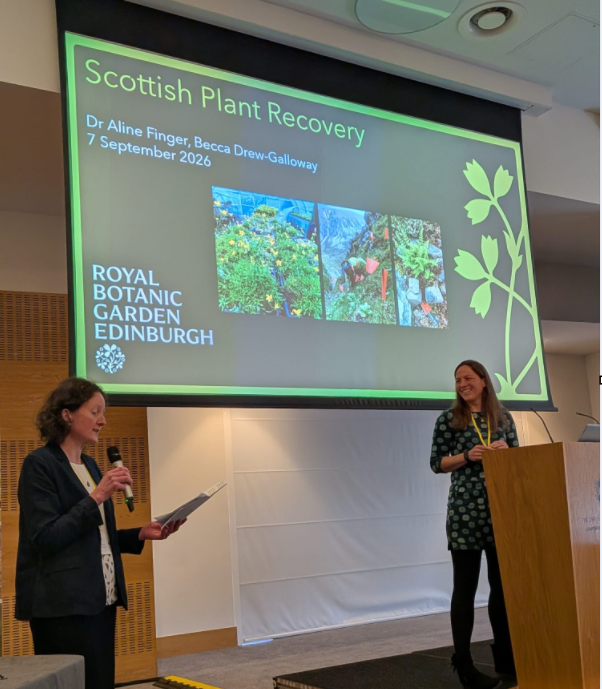
The Scottish Plant Recovery (SPR) team attended the full 3 days as well as the SPR project lead, Aline Finger, being a part of the organising team for the conference as well as giving a presentation on the first day about the SPR project. Alongside Aline, the SPR Project’s horticultural supervisor Becca Drew, also carried out a tour of the Project’s ex-situ collection at the RBGE Nursery to a number of the delegates.
The ICTC was a great opportunity to not only catch up with different partners that we have worked closely with on the project but also to network and learn from others in the Conservation Translocation (CT) field. As a few weeks have passed it’s given the team a chance to reflect upon the conference and collate our thoughts on a lot of the reoccurring take home points from the different presentations and conversations over those 3 days.
A multi-taxa conference
Conservation Translocations are a growing practise across the world due to the increased threat of species extinction. The 4th ICTC aimed to highlight this growing practise by covering a wider range of work across different species and habitats compared to conferences in previous years. There was the welcomed addition of a series of plant presentations, as well as one on invertebrates. This is in no way meant to disregard the work on mammals and birds, but from many people we talked to throughout the conference, the consensus was that it was great to hear from a wider range of taxa as it emphasised the importance of looking to restore all parts of our natural world, no matter how big or small they may present themselves.
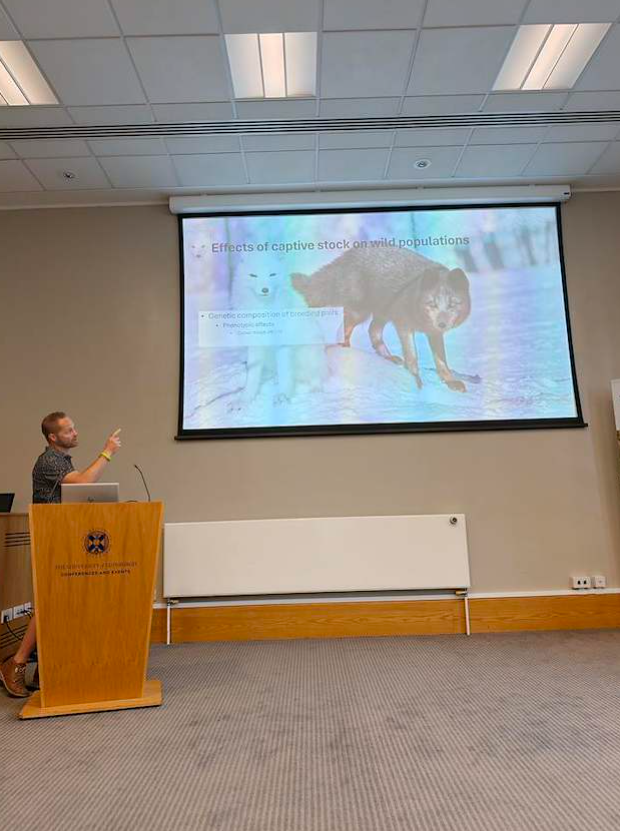
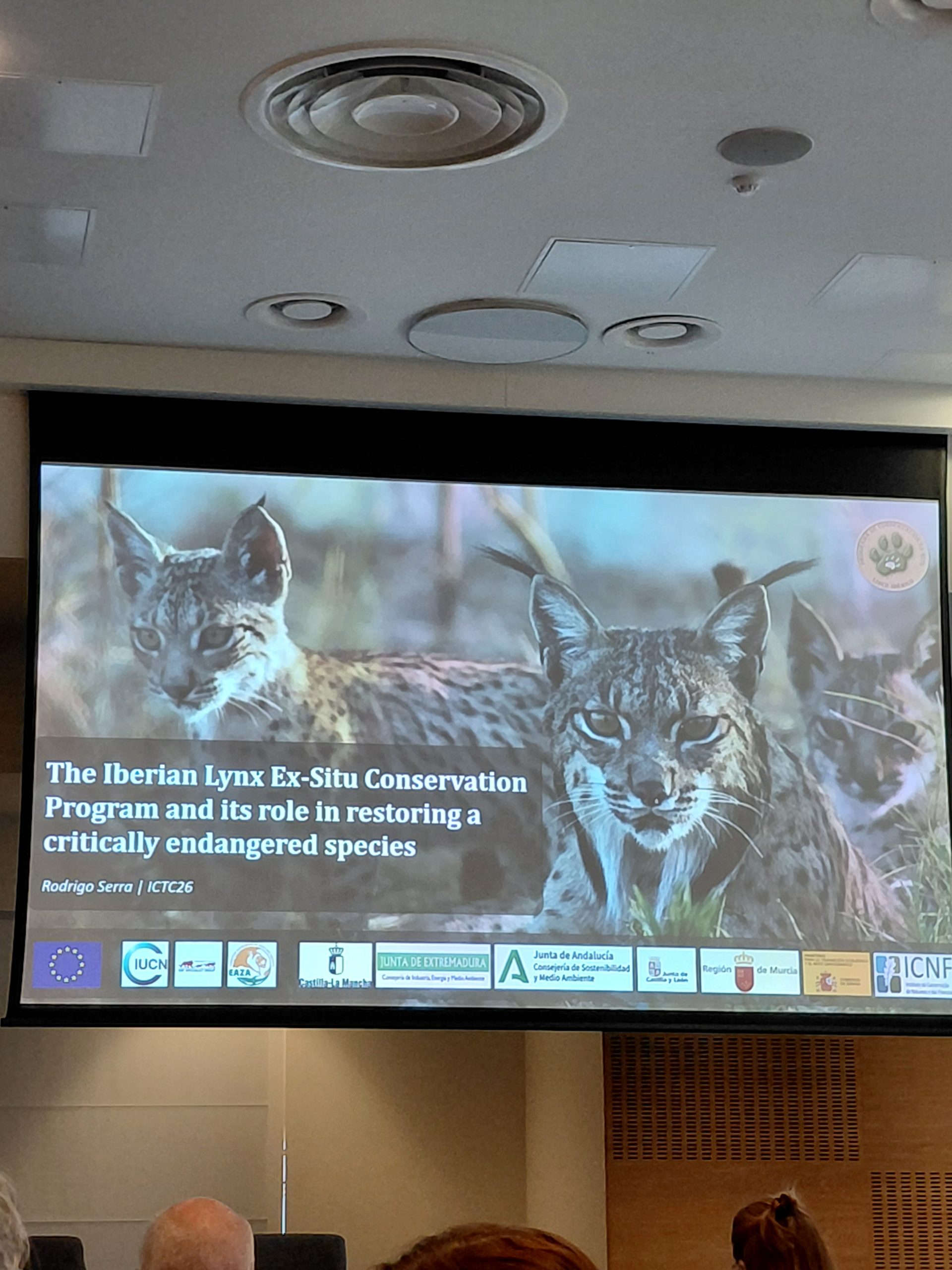
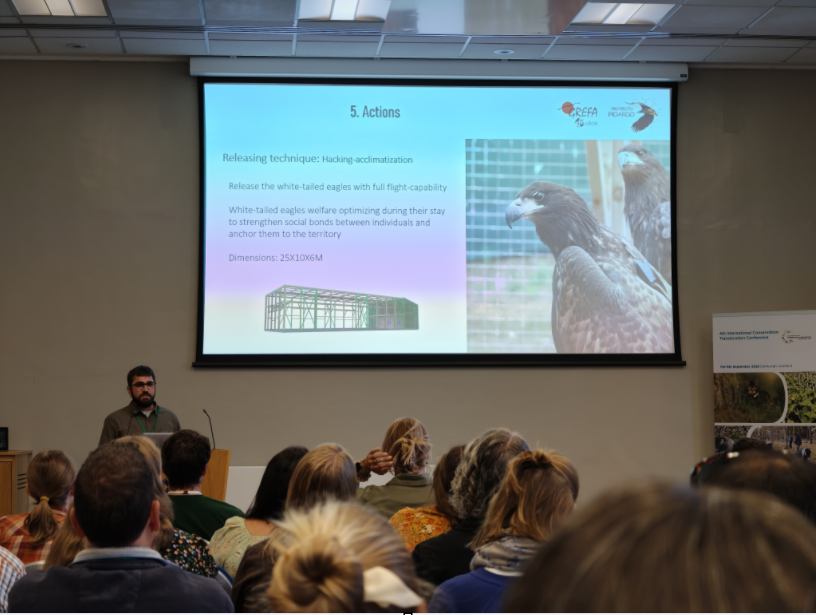
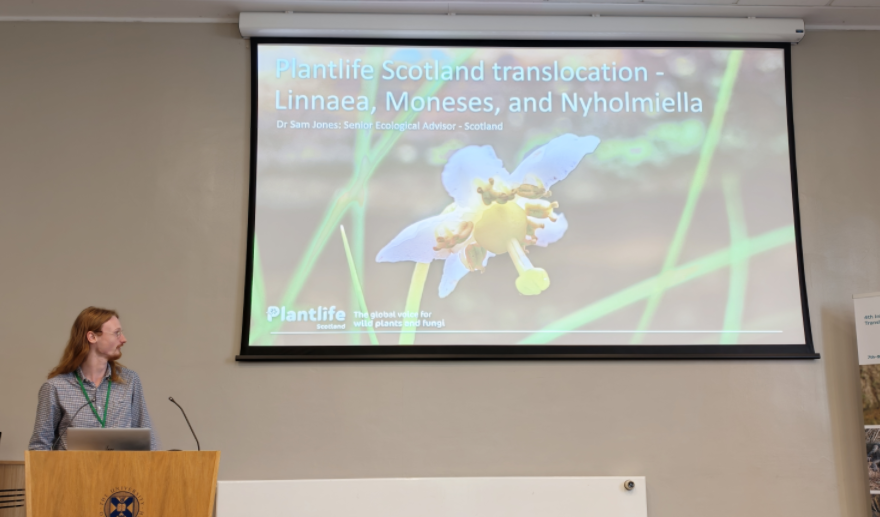
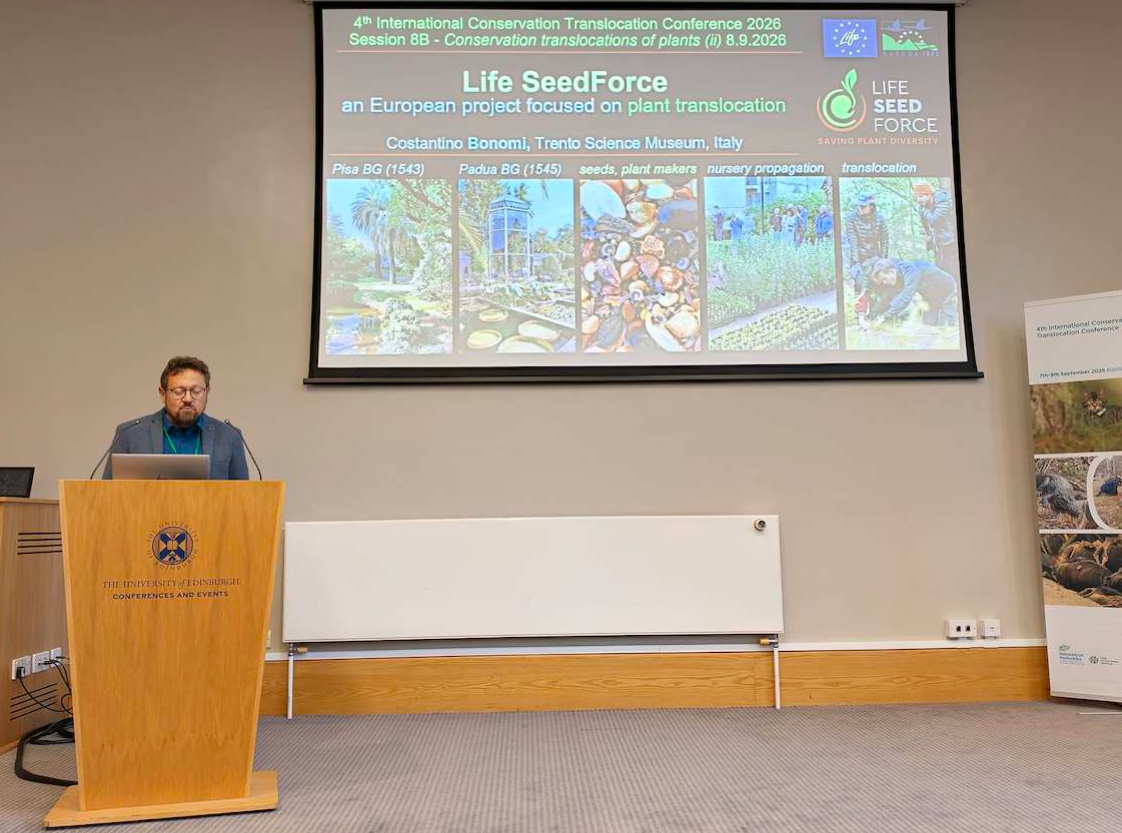
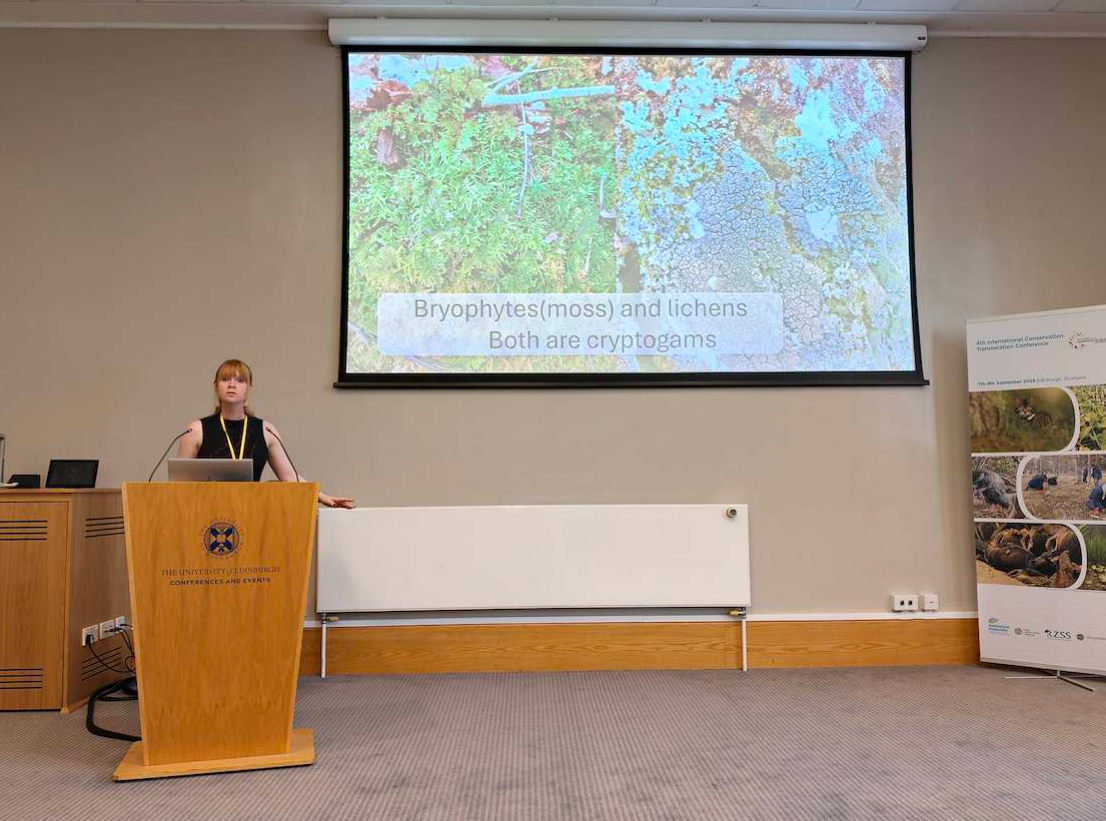
There were many moments where I was listening to a presentation on a particular species and could relate a lot to what was being said, even though the species on the SPR Project could not be more different. Whether that be the challenges we face or similarities in protocol, it highlighted to me the interconnectedness of the conservation world. The fact that many people are facing the same challenges when it comes to CT’s gave us the opportunity to discuss how to overcome these challenges through open conversation and bouncing ideas off each other.
Promoting habitat restoration through a multi-species approach
Most likely a result of having presentations on a wider range of taxa, one of the main take home points for me was how we should aim to be looking more at multi-species approaches when planning CT’s. Currently the general standard practise is to focus on a species and plan the CT project around that species. This has certainly shown to bring species back from the brink and there are many great success stories out there. However, many presentations highlighted that one of the hardest challenges for their CTs is finding suitable habitats for the species to fully prosper in, not just survive. Partnering habitat restorations alongside CTs of endangered species will not only increase biodiversity but have a better chance of safeguarding these different species for years to come. Although this may seem like a daunting large-scale operation, the overwhelming openness to cooperation and sharing knowledge at this conference gave me the impression that this is a plausible direction future CT’s could take.
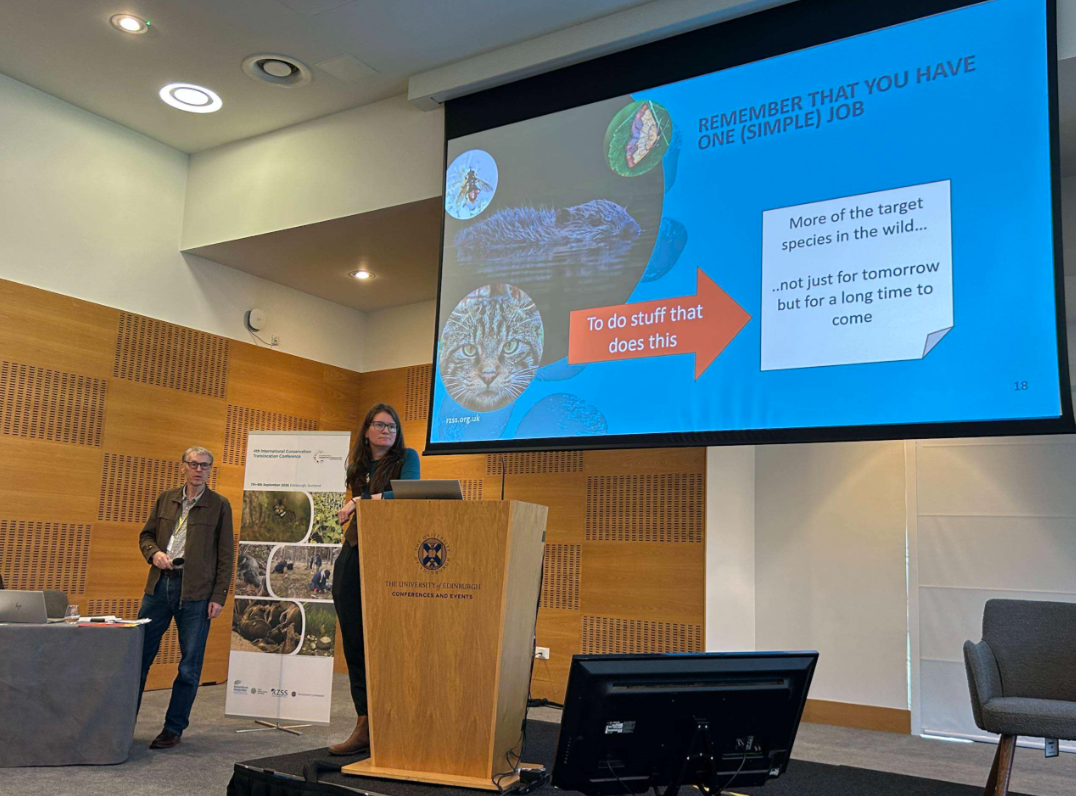
I feel like the SPR project is heading in that direction with many of the sites we have worked on now being home to multiple reintroduced native plant species. The SPR project is only possible to work at such a large nationwide scale because of all the help and collaboration from our various partners, the sharing of knowledge and resources is vital if we want to make a significant positive difference in species recovery.
Importance in involving local communities
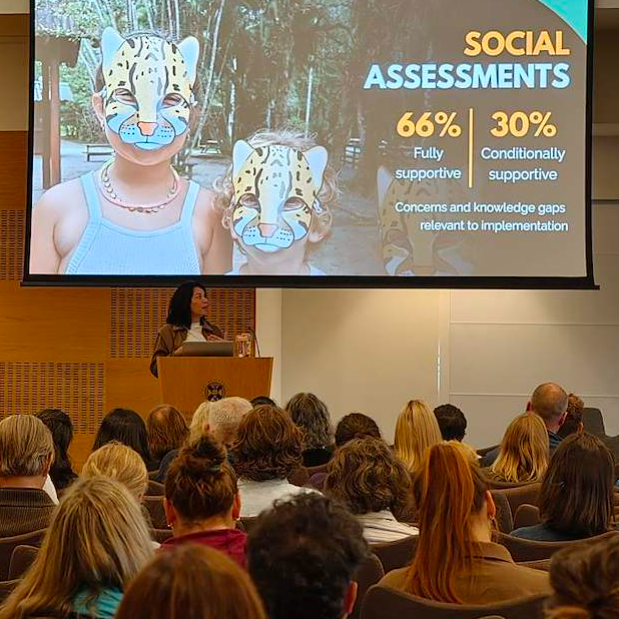
Another topic that appeared throughout the conference was the importance of working with local communities during CTs. Historically, this is something that Western science has ignored and there has been countless of documented cases of conservation work where local communities have been totally neglected and pushed to the side. It was very refreshing to hear in many presentations from across the globe about how they have involved local communities from the get-go, and the successes they have had in doing so. It goes back to the point of open communication and how important it is to diversify a project on different fronts. Local communities will have knowledge of the land and the species on it that an outsider may not. For many indigenous communities, there is a spiritual and cultural connection to the natural world. When planning any sort of conservation work it is vital that this is accounted for, properly heard, respected and integrated into the planning process. Involving local communities throughout the entire process, from the early planning to future management strategies is key for a successful relationship that all parties will benefit from.
On the SPR Project we work closely with a range of partners and volunteers and often have student placements at the RBGE Nursery which has proven fundamental to our work. To further diversify our outreach, carrying out more workshops and presentations to inform and involve local communities in our CTs will only bring positive outcomes.
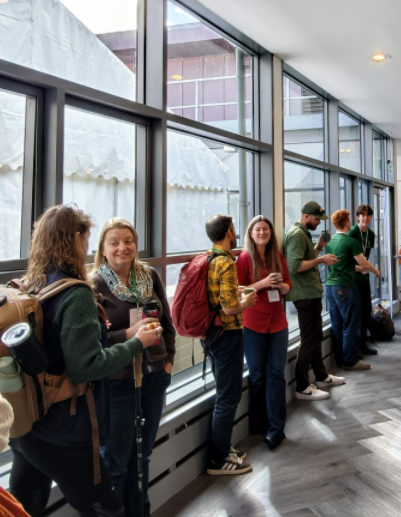
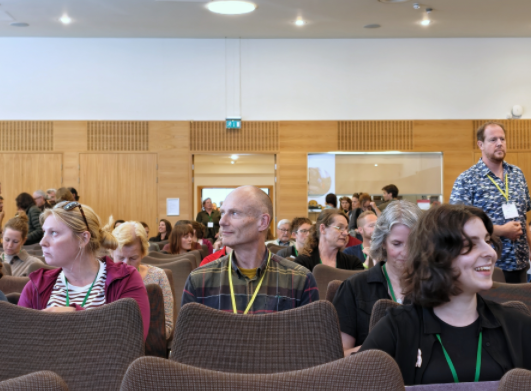
One thing I particularly liked about the ICTC, was that it was a very varied demographic. People from all over the world and of all different backgrounds and ages came together for a common cause. As one of the younger attendees at the conference and my first experience of an event like that, I left feeling inspired and hopeful for our future which has often proven difficult in our current climate. I think it’s important that the international conservation community continues to broaden its outreach, and in particular aim to inspire and educate the youth on their work. Whether this be through different workshops and presentations or investing time and resources into social media, it is vital that we share our work with the world and hopefully inspire the next generation.
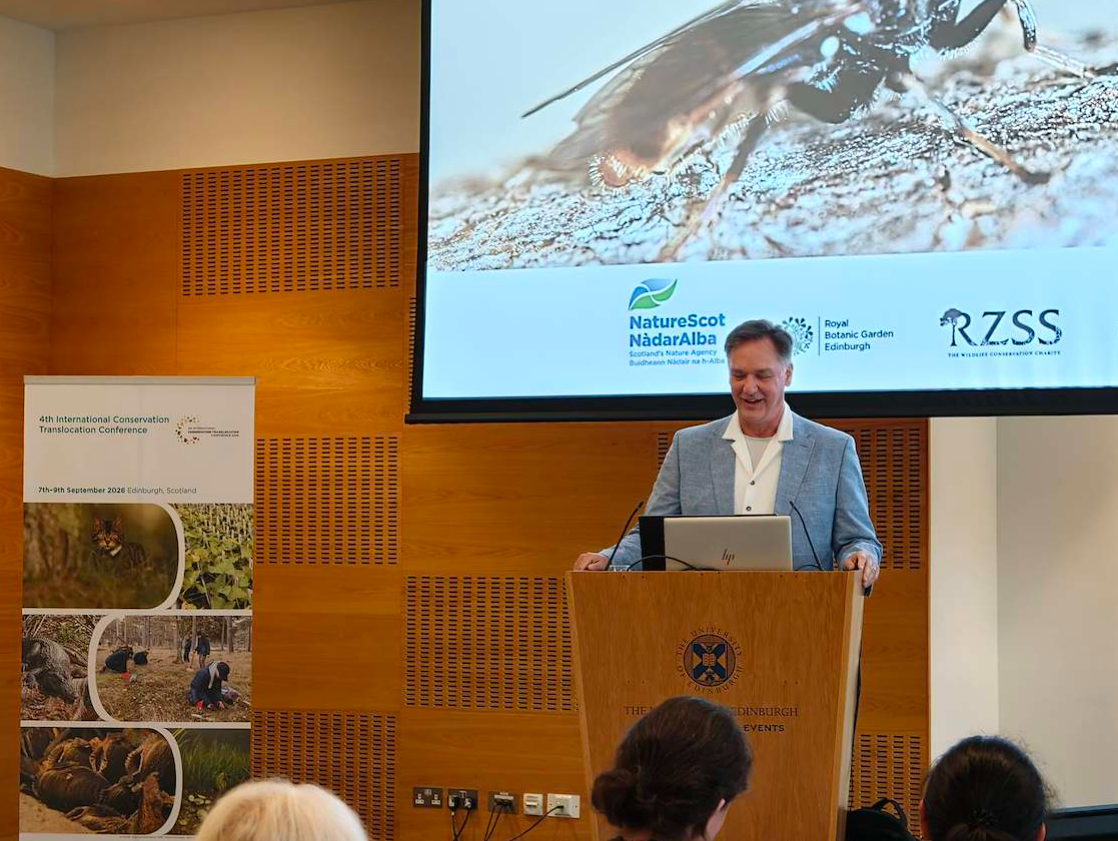
Axel Moehrenschlager gave a wonderful closing speech to round off 3 days of hearing inspiring stories from across the world
We are now fully into the second stage of the SPR project, with the team having just completed a busy summer of monitoring and seed collections. Coming back from the ICTC has further inspired and motivated us to continue our conservation work on some of Scotland’s most endangered plant species. I’m very interested to see what the future holds for Conservation Translocations, not just in Scotland, but right across the world.


Instagram @rbgescottishplants
Bluesky @thebotanics.bsky.social
X @nature_scot
X and Facebook @ScotGovNetZero
Facebook @NatureScot
#NatureRestorationFund