Search results: "herbarium"Page 9 of 24
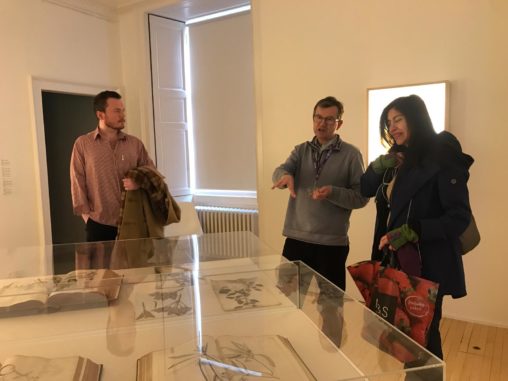
…medicinal, found in the Malabar coast region of India, which pretty well equates with modern-day Kerala. The herbarium specimens were one of the other main inspirations for the artist. Each…
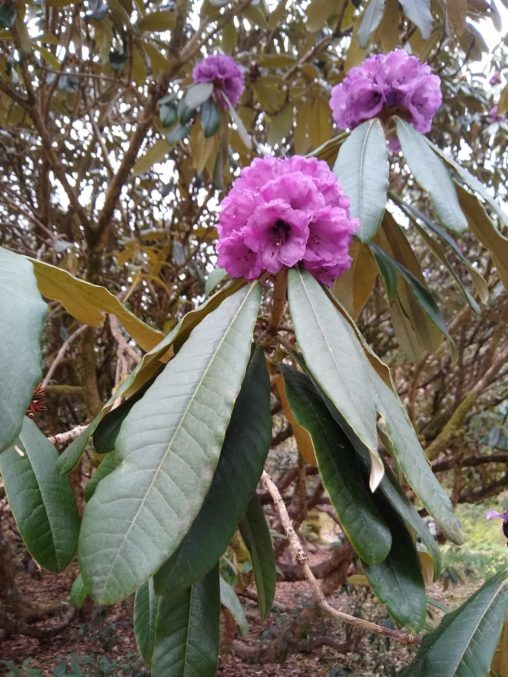
…and by James Cullen proved game changing. Cullen never saw any of the species in the field and his work was largely based on herbarium specimens. David’s work coincided with…
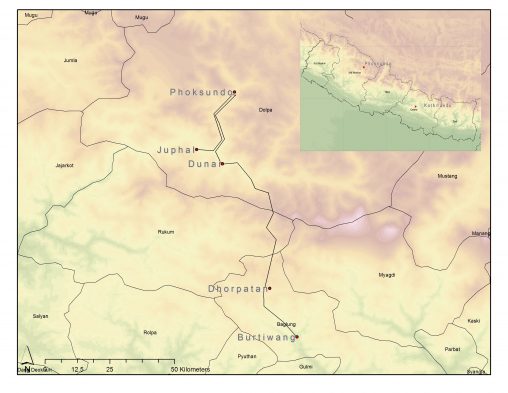
…of the fieldwork are: to collect herbarium specimens and associated data used to prepare the Flora of Nepal to train two Nepalese staff members at the National Herbarium of Nepal…
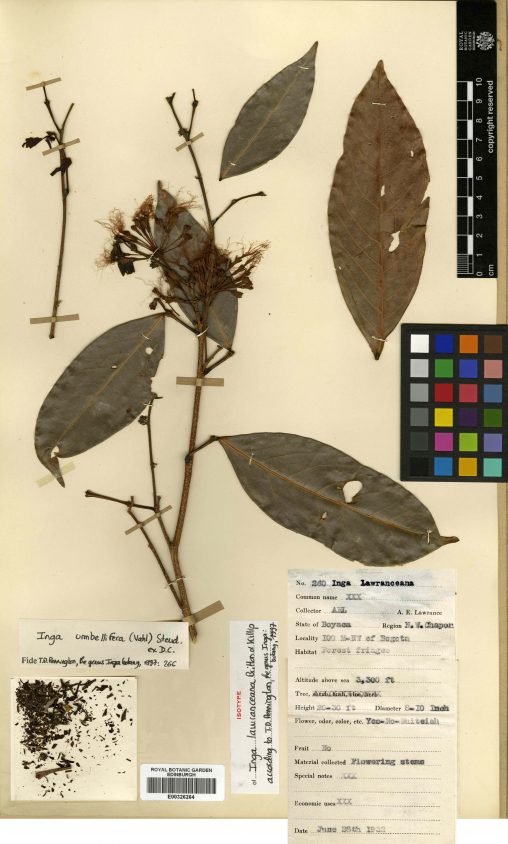
…now been successfully tested using DNA extracted from 45 silica-dried Inga collections (Nicholls et al. submitted). Digitized herbarium specimen of Inga umbellifera, collected by Lawrance in 1932 Inga umbellifera –…
…week project based on the Herbarium, Library, Archives and Living Collections here at Edinburgh. This collaboration is part of a concerted effort by RBGE in seeking new audiences for our…
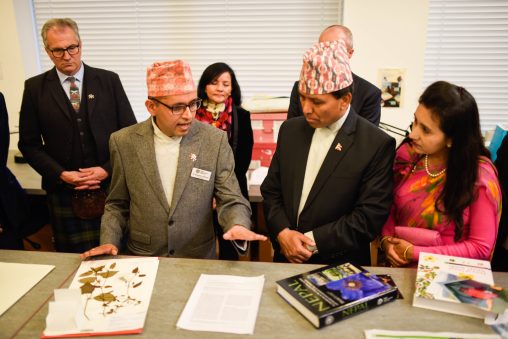
…resited in pride of place at our Reception, before looking at his original, hand-written notes held in our Archives, and his 215-year-old plant specimens preserved in our Herbarium. The Ambassador…
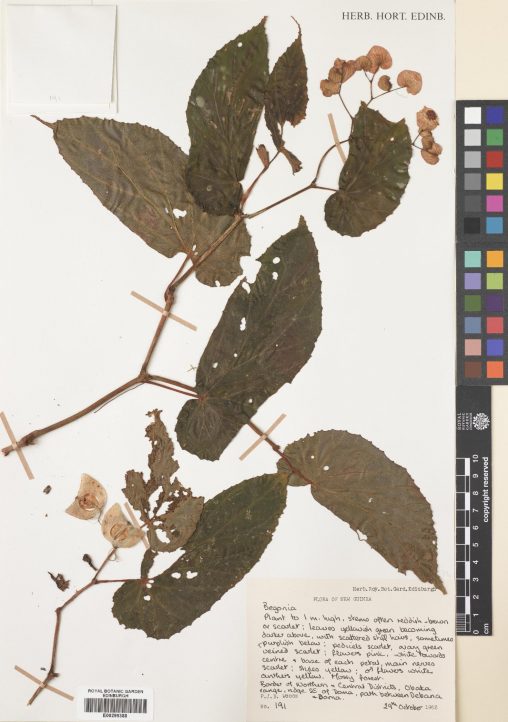
…hybrid bait capture on DNA from herbarium specimens. The phylogeny she produces will be used for biogeographic, systematic and functional phylogenomic research. Historically, sampling for phylogenetic studies has been limited…
There’s a first time for everything and last week the RBGE herbarium digitisation team hosted its first WeDigBio onsite transcription event! Worldwide Engagement for Digitising Biocollections, WeDigBio, is an annual…
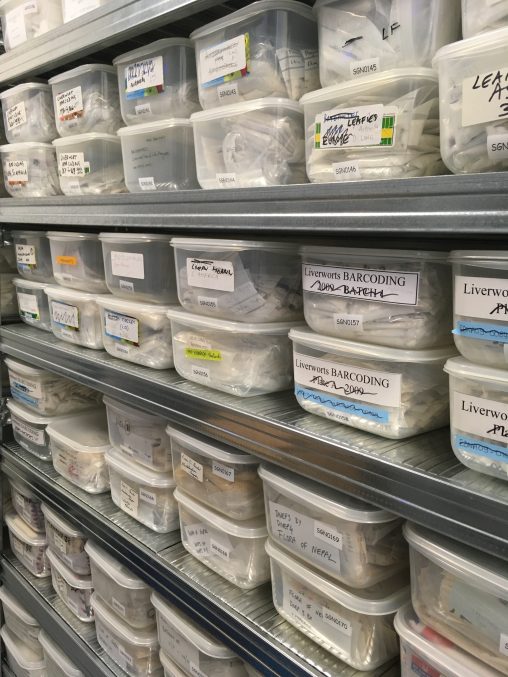
…associates and is linked to other RBGE collections, either herbarium specimens and/or accessions in the living collection. The link to other RBGE collections and their associated data makes the silica-dried…
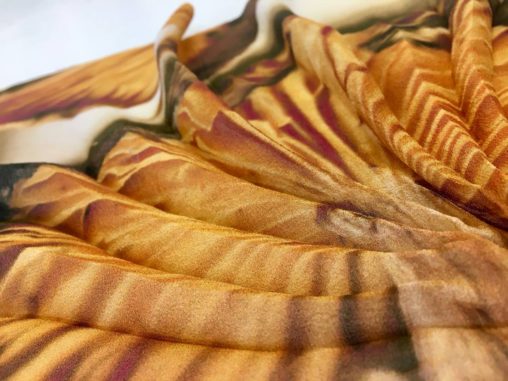
…marvellous fruiting bodies. As part of her research for this collection, she visited the RBGE Herbarium to study and photograph a selection of fungi specimens. Pleated Silk Georgette Cape with…
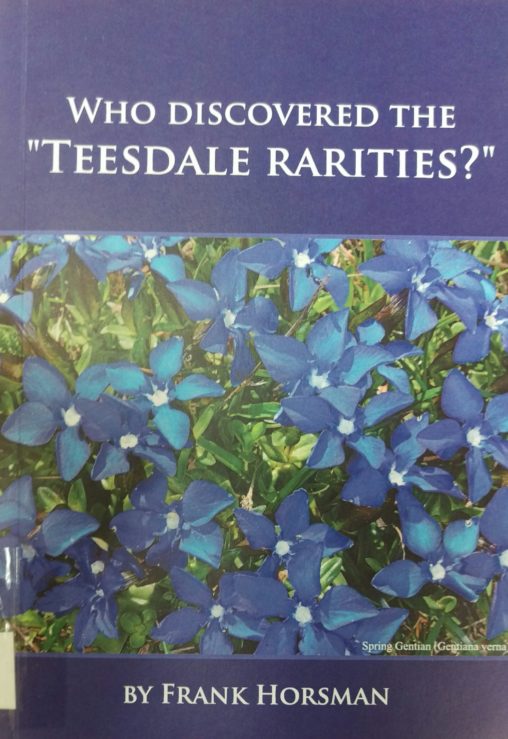
…an associate of Johnson’s who botanised in Upper Teesdale. Label from Edward Robson’s herbarium at Sunderland Museum. TWCMS : 2006.1309 Bartsia alpina There followed an interregnum in the cultural climate…
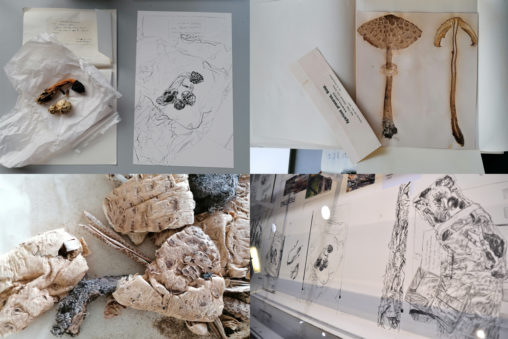
…the Botanic Gardens as an artist in residency, delving deeper into the scientific community there and the Herbarium’s fungi collection. Therefore, during summer 2022, I was based in a laboratory…
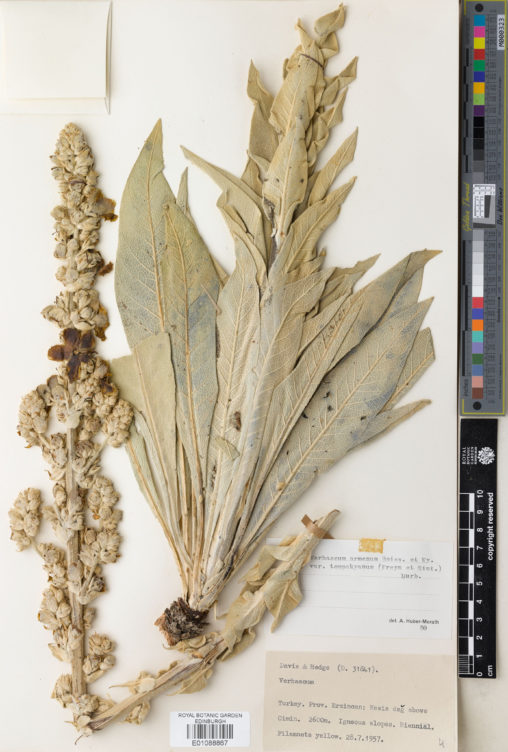
The following blog was written by Becky Camfield a digitiser in the Herbarium. Since 2021 we have increased our digitisation capacity with the goal of getting to 1 million specimens…
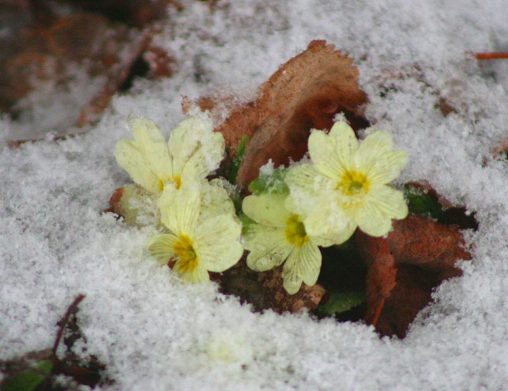
The following blog was written by Courtney Kemnitz a digitiser in the Herbarium. Since 2021 we have increased our digitisation capacity with the goal of getting to 1 million specimens…
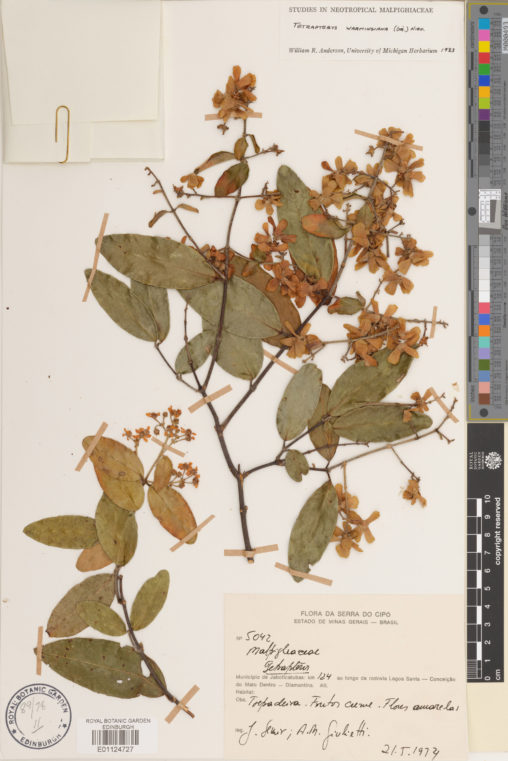
The following blog was written by Linde Hess a digitiser in the Herbarium. Since 2021 we have increased our digitisation capacity with the goal of getting to 1 million specimens…
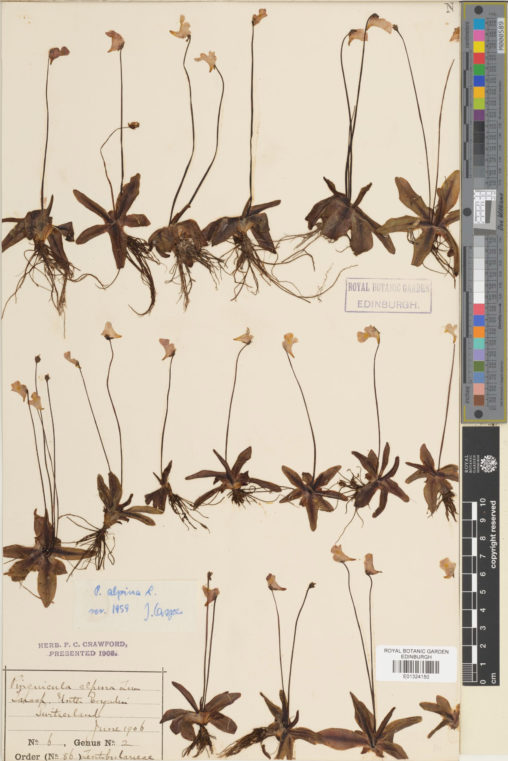
The following blog was written by Rebecca Camfield a digitiser in the Herbarium. Since 2021 we have increased our digitisation capacity with the goal of getting to 1 million specimens…
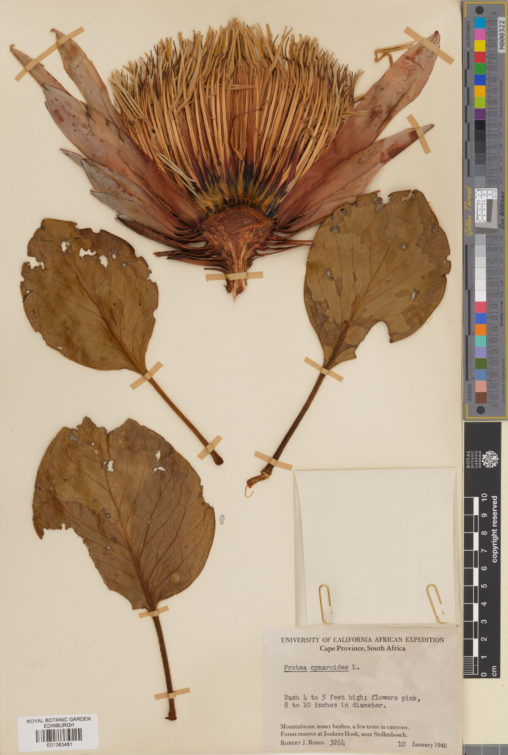
The following blog was written by Iain Ratter a digitiser in the Herbarium. Since 2021 we have increased our digitisation capacity with the goal of getting to 1 million specimens…
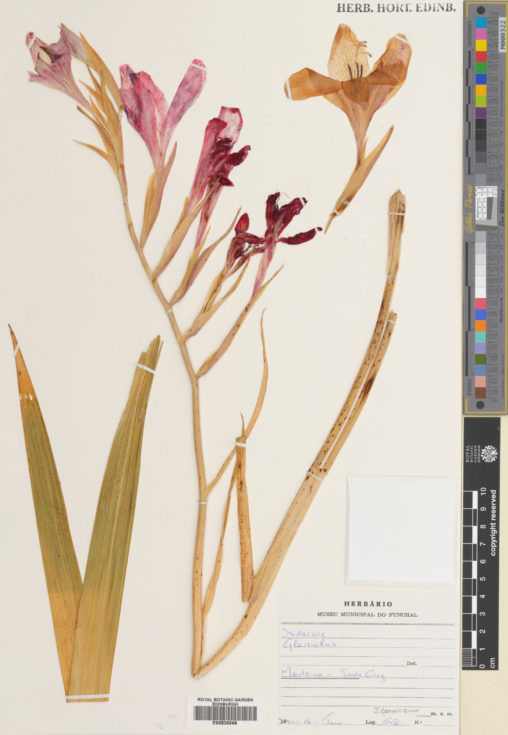
The following blog was written by Iain Ratter a digitiser in the Herbarium. Since 2021 we have increased our digitisation capacity with the goal of getting to 1 million specimens…
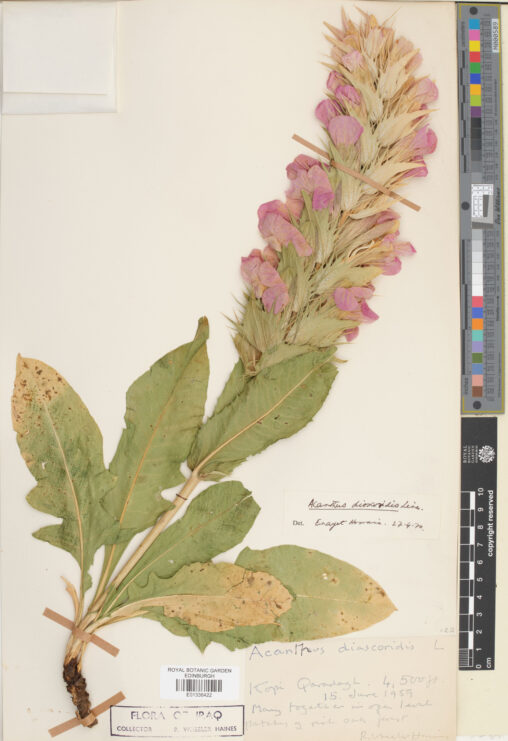
The following blog was written by Rebecca Camfield a digitiser in the Herbarium. Since 2021 we have increased our digitisation capacity with the goal of getting to 1 million specimens…
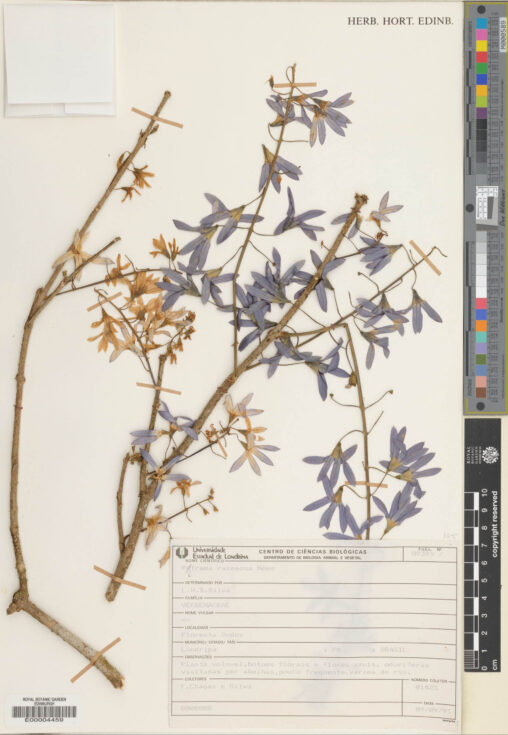
The following blog was written by Rebecca Camfield a digitiser in the Herbarium. Since 2021 we have increased our digitisation capacity with the goal of getting to 1 million specimens…