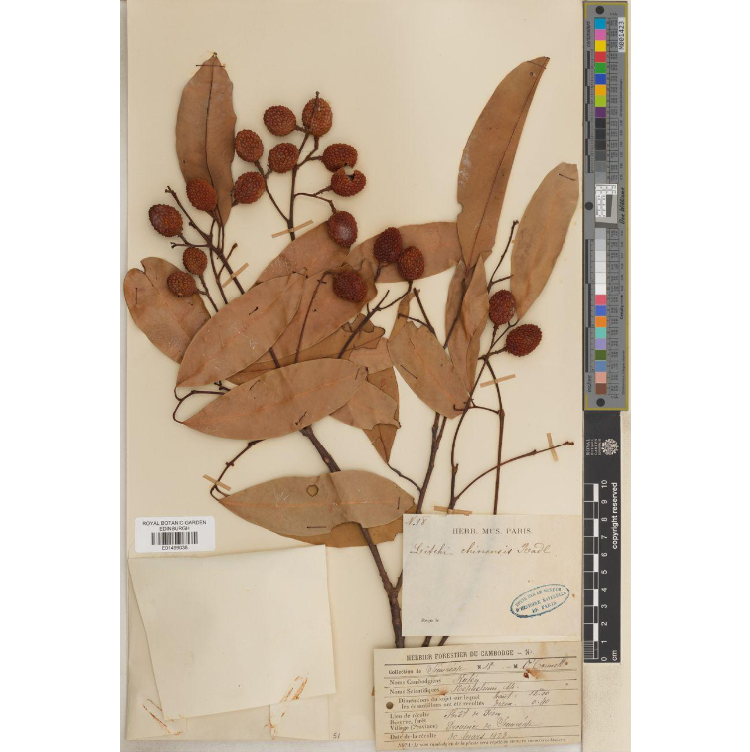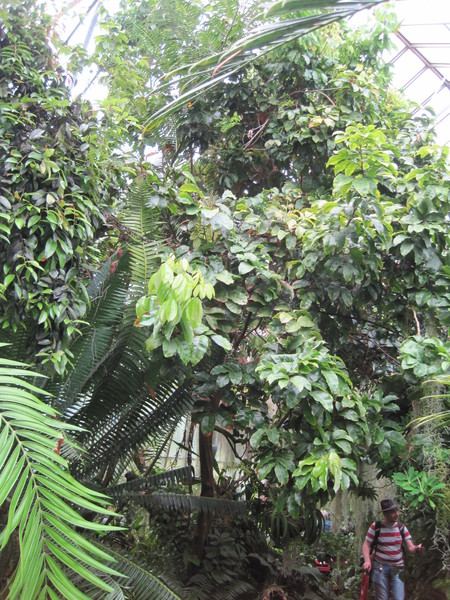
The following blog was written by Chris Knowles a digitiser in the Herbarium.
Since 2021 we have increased our digitisation capacity reaching 1 million specimens imaged in August 2024. Each digitiser is assigned a family of plants to work through. This series of blogs will spotlight the families that have been completed by a member of the team.
Sapindaceae is known as the soapberry family as some species produce latex and contain saponins, which are compounds that can create a soap-like-lather and have been used traditionally for cleaning and cosmetics. The family consists of nearly 150 genera and up to 1,900 species which predominantly include many tropical trees but also incorporate some well-known temperate species like field maples, horse chestnuts and sycamores.
Our Collections
Before digitisation we had 3,769 specimens available through our catalogue. Digtisation almost doubled this, with a total of 6,835 specimens available. Our Sapindaceae collections can be viewed here.
Top 5 regions
| No. of Specimens | Herbarium Filing Region |
| 1,630 | Inner China, Korea and Taiwan |
| 1,291 | Cultivated |
| 700 | India, Bangladesh & Pakistan |
| 587 | North America |
| 560 | East Tropical South America |
Top 5 Genera
| No. of Specimens | Genus |
| 5,141 | Acer |
| 710 | Dodonaea |
| 599 | Allophylus |
| 338 | Aesculus |
| 333 | Cardiospermum |
Species of Interest
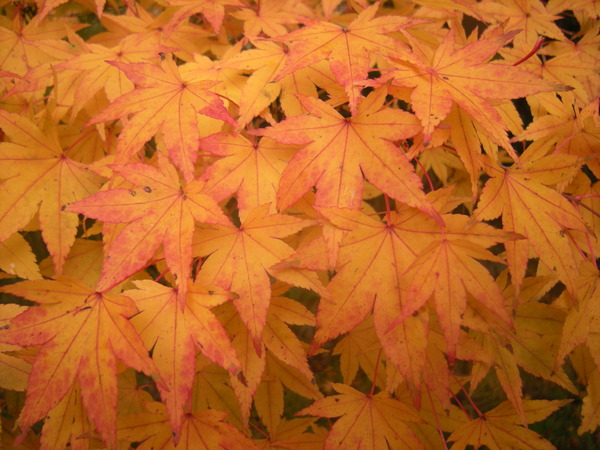
The RBGE collection is massively dominated by the Acers of temperate regions, as can be seen in the table above. As well as species like our own, native field maple this genus includes the many ornamental maples that are prized for their beautiful foliage and the sugar maples that are used for syrup production.
There are also several tropical genera in Sapindaceae that produce edible fruits, like lychees, rambutan and guarana. The bizarre guarana fruits that resemble monstrous eyeballs have long been prized for their high caffeine content and have been traditionally used in herbal teas to treat a variety of ailments.