
The following blog was written by one of the digitiser’s in the Herbarium.
Since 2021 we have increased our digitisation capacity reaching 1 million specimens imaged in August 2024. Each digitiser is assigned a family of plants to work through. This series of blogs will spotlight the families that have been completed by a member of the team.
Typhaceae more commonly known as the cattail & bur-reed family, can be found on every continent except Antarctica.
Made up of two genera, Typha and Sparganium, with a total of 51 species. Sparganium is a more recent addition to the family and was added in 2009.
The genus Typha is the cattail. The ‘tail’ or spike typically breaks open in late autumn. The seeds ‘explode’ and can travel several miles on a light breeze. A single cattail head can contain up to 250,000 seeds. Each one attached to a tiny, fluffy coma.
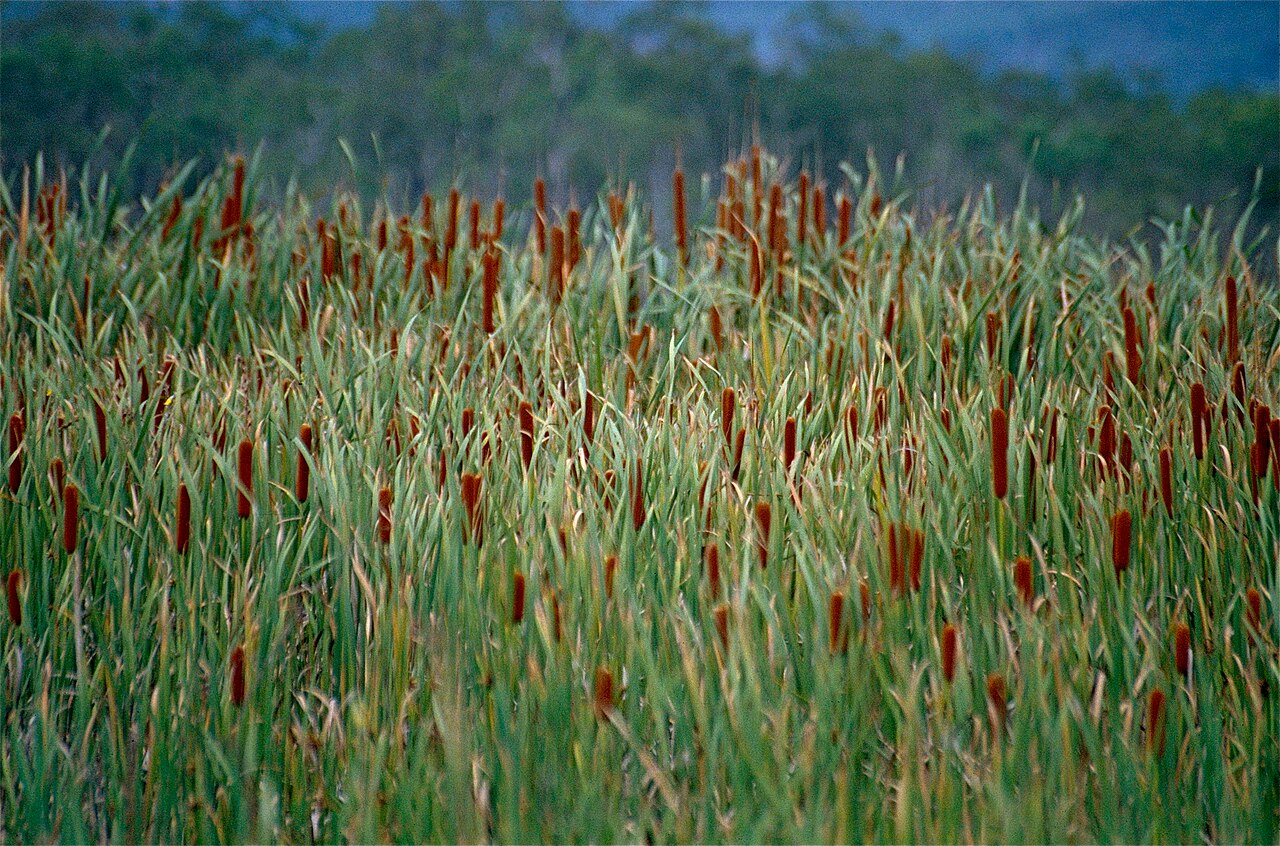
_(9874570833).jpg)
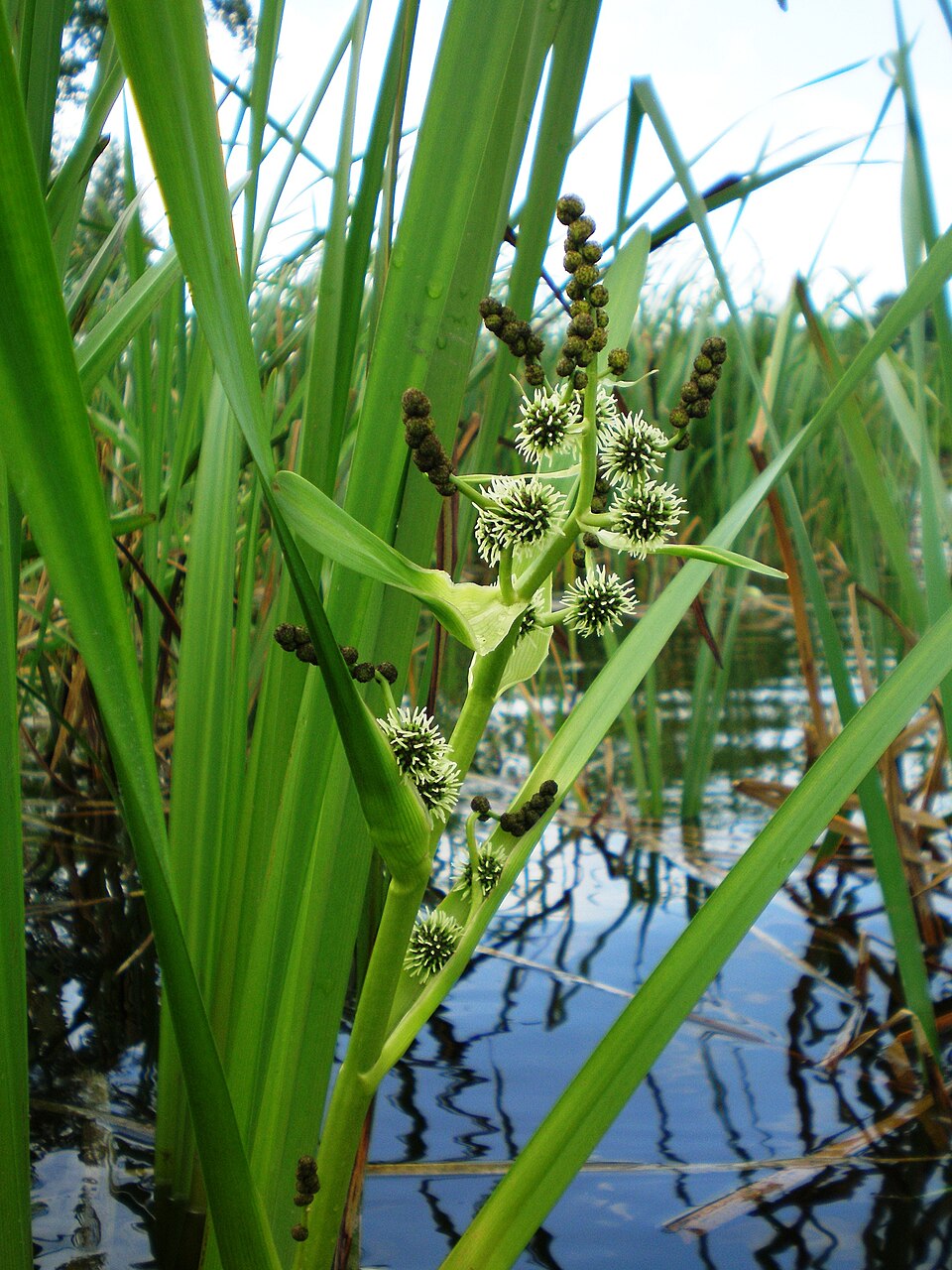
Sparganium on the other hand doesn’t have the iconic ‘cattail’ shape of Typha but instead has a spiky flower head, that looks more like a medieval mace.

Our Collections
Despite the size of the family and RBGE’s small holdings, the Herbarium houses 3 type specimens
Specimens of Typhaceae can be viewed here.
Top 5 regions
| No. of Specimens | Herbarium Filing Region |
| 413 | Britain and Ireland |
| 292 | Europe, excl. Britain and Ireland |
| 142 | North America |
| 110 | West Asia |
| 45 | Inner Chine, Korea and Taiwan |
Top Genera
The two genera have a near 60/40 split: Typha makes up about 63% of RBGE’s holdings and Sparaganium makes up nearly 37%.
| No. of Specimens | Genus |
| 741 | Typha |
| 437 | Sparagainum |