
Habitats, plants, insects, and people—there are constant reminders that the ecosystem is connected in unexpected ways.
During the summer of 2025 I surveyed plants and pollinators across 31 sites in central Edinburgh as part of a joint project between Pollinating London Together and the Royal Botanic Garden Edinburgh. Each of these urban sites has a different human use, and if managed thoughtfully can act as surprising and crucial refuge for our unseen pollinator residents. Our study locations included the Botanics, allotments, cemeteries, rooftop gardens, and public green spaces like Princes Street Gardens and St Andrews Square.
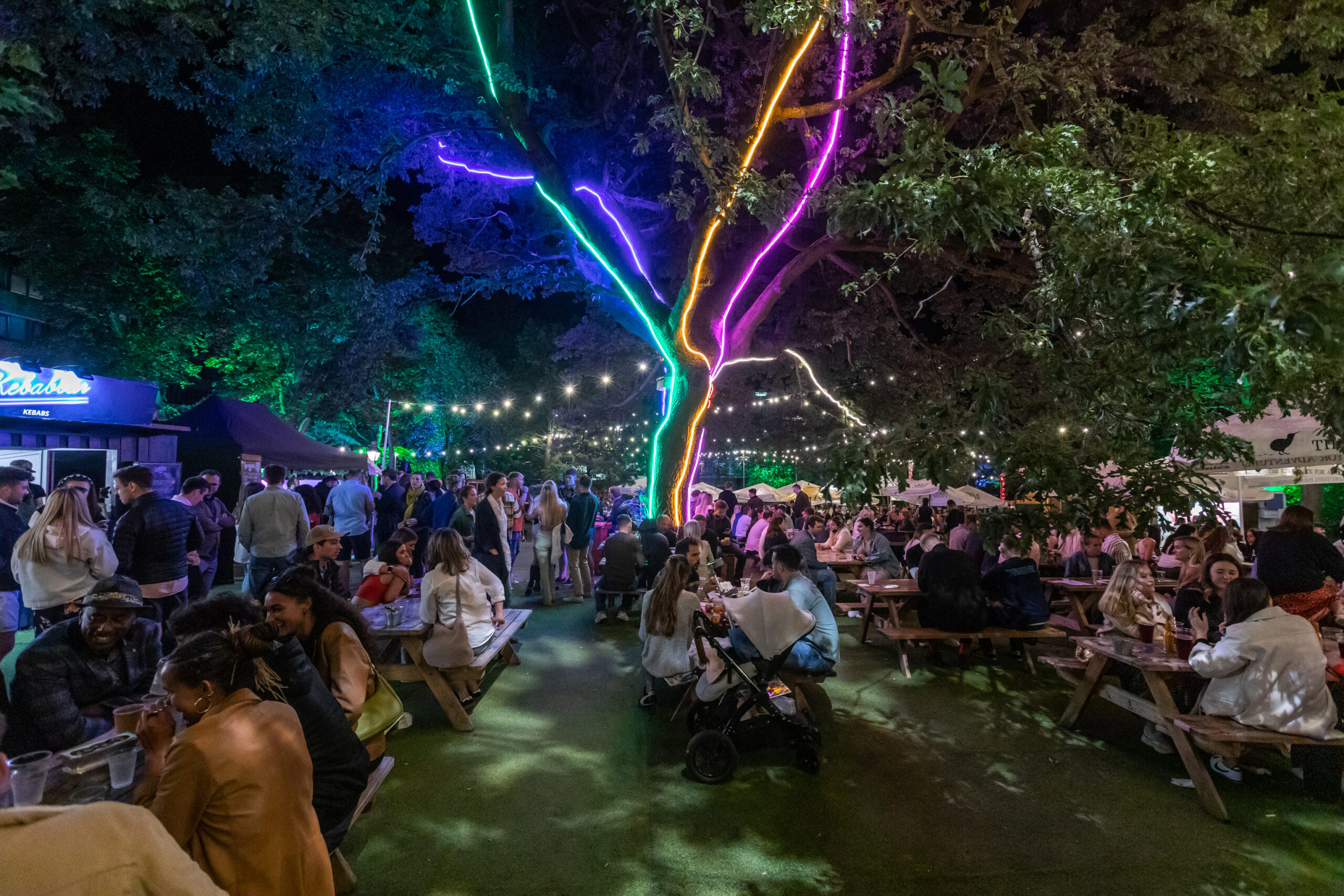
One of these sites was George Square Gardens, a greenspace situated in front of the Edinburgh University Library. Quiet throughout the year, it transforms into a vibrant Fringe location during August. Although not a particularly ecologically diverse site, it appears to be well managed for biodiversity – with much the understory left uncut during the summer and plenty of deadwood left in situ. In mid-July I visited this site and although it was closed to the public, I managed to persuade the construction crew manager to grant me permission to survey this site (with a hardhat) before it was covered with fringe venues, bars, food trucks and festival goers.
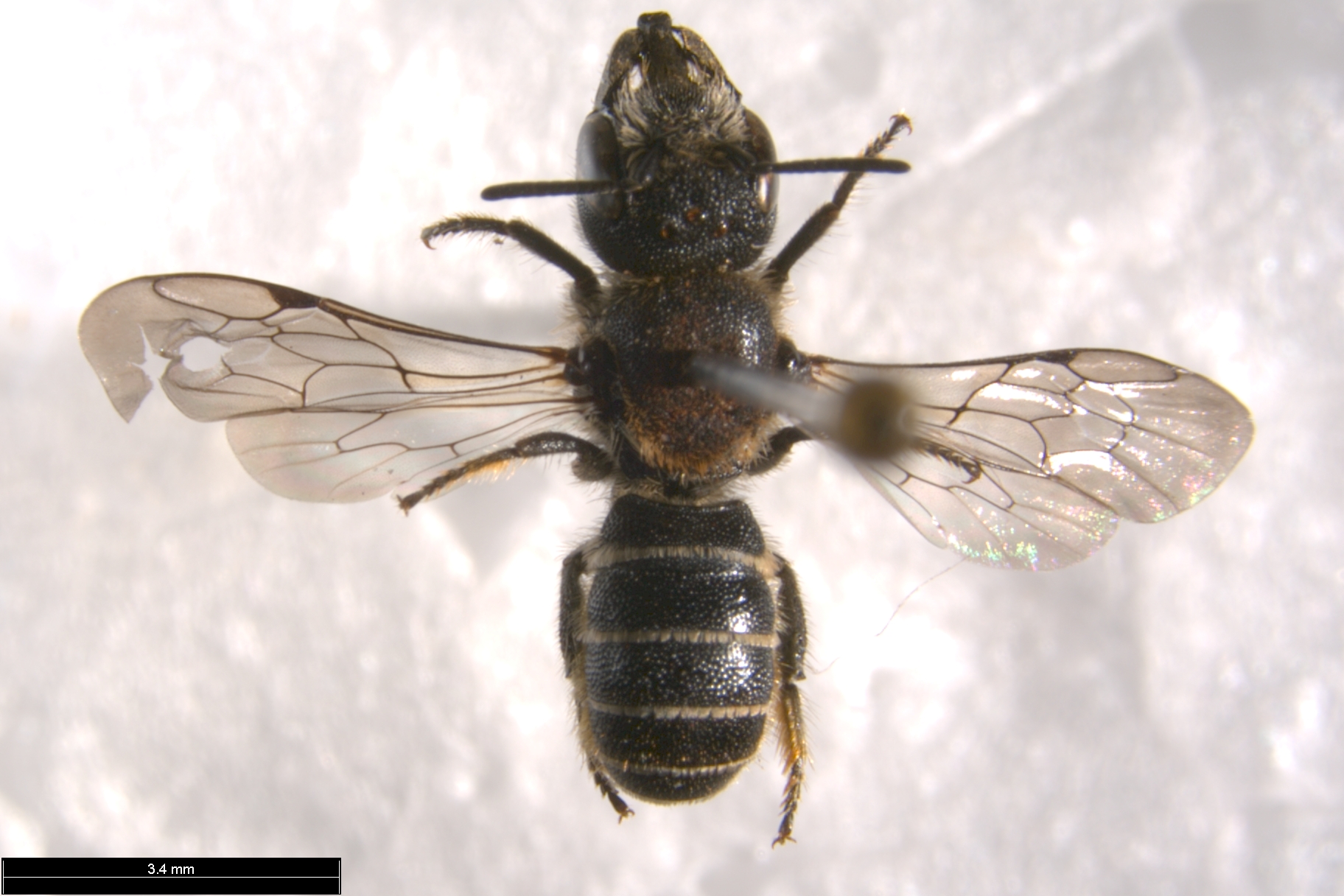
It was during this survey I made a very surprising discovery – Heriades truncorum. This solitary bee species is primarily associated with the south-east of England, particularly the commons of Surrey. It has always been considered scarce and in fact, it has never been recorded north of Shropshire. Undoubtedly, this species has been spreading northward and becoming more common, likely in response to the warmer late summers of recent decades. However, it seems unlikely that it eluded recorders in the >200 miles between Shropshire and Edinburgh.
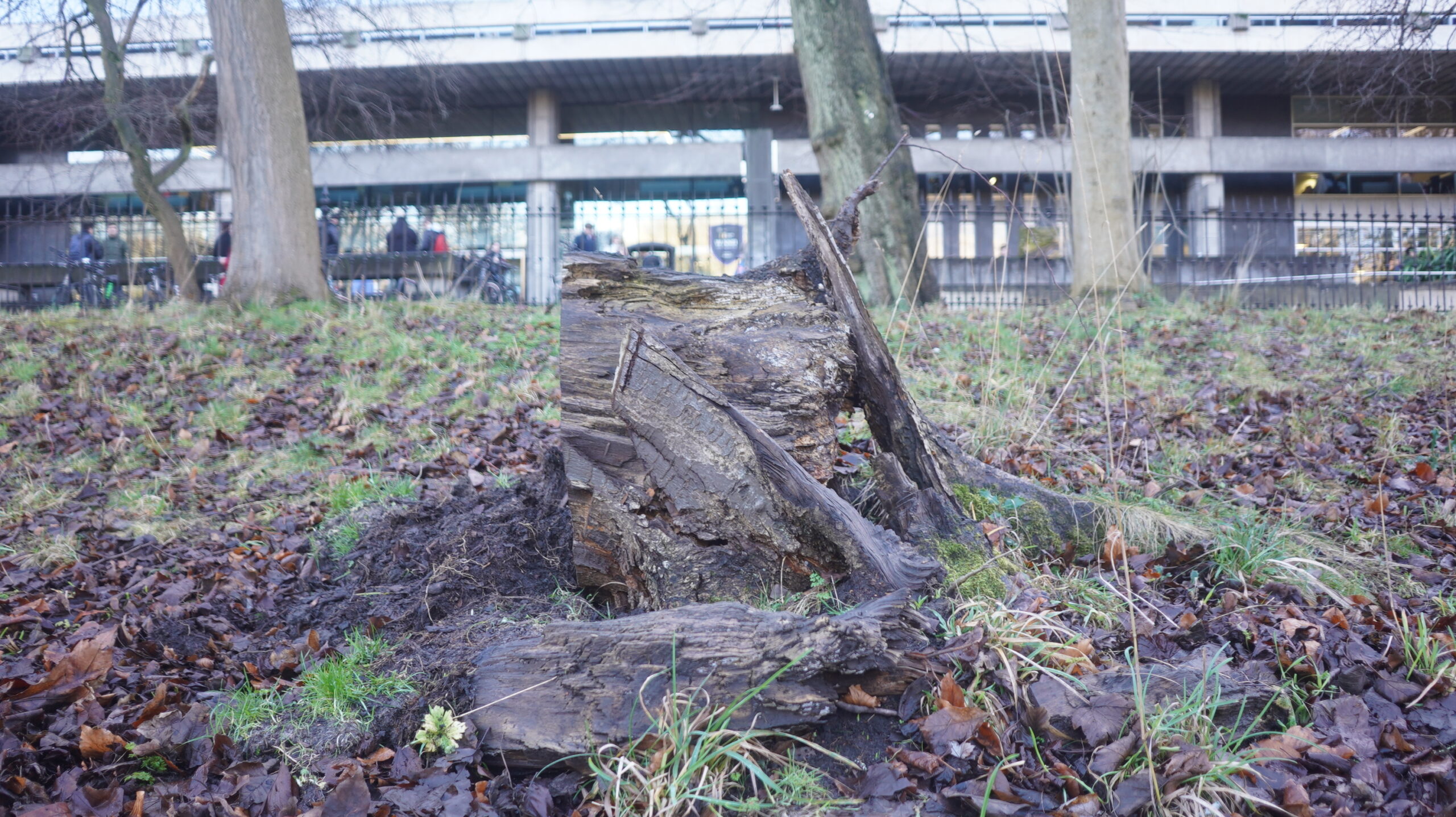
The female of the species utilizes pre-existing holes, often in dead wood, such as old beetle galleries, and seals the individual cells of her nest with tree resin and small bits of grit. Hence, their common name – resin bees. Interestingly, this species has also been observed to nest in cavities of construction timber. Which raises the question – could this bee have hitched a ride north in the plethora of construction timber that is brought to this site every August for the Edinburgh Festival? However it got here, let’s just hope the population at George Square survived the festival!
Hazel Wilks
Hi Nicholas,
If you still have this specimen, I’d love to do a drawing of it? It might be interesting to record?
I am a botanical illustrator, but have been doing drawings of insects in recent years. I have just joined the team of tutors at RBGE.
Kind regards
Hazel
Nicholas Balfour
HI Hazel,
Yes, I still have the specimen. You are welcome to borrow it, if you would like to draw her.
Cheers, Nick