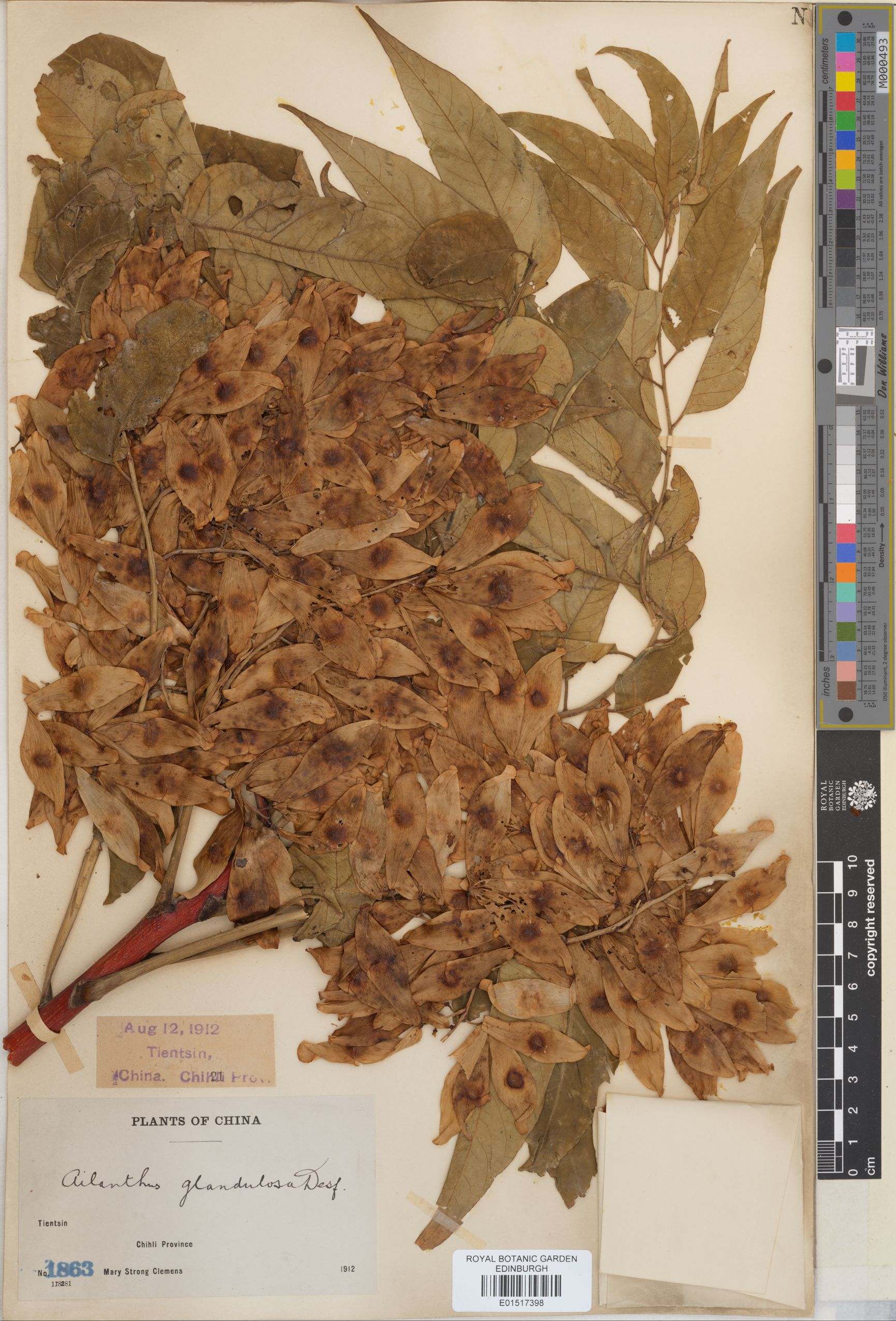
The following blog was written by Chris Knowles a digitiser in the Herbarium.
Since 2021 we have increased our digitisation capacity reaching 1 million specimens imaged in August 2024. Each digitiser is assigned a family of plants to work through. This series of blogs will spotlight the families that have been completed by a member of the team.
Meliaceae
Meliaceae is known as the mahogany family after those economically important species, however there are several other genera in this family that are also important for their wood, fruit and seeds. The family consists of about 50 genera and over 600 species with a primarily tropical distribution around the world.
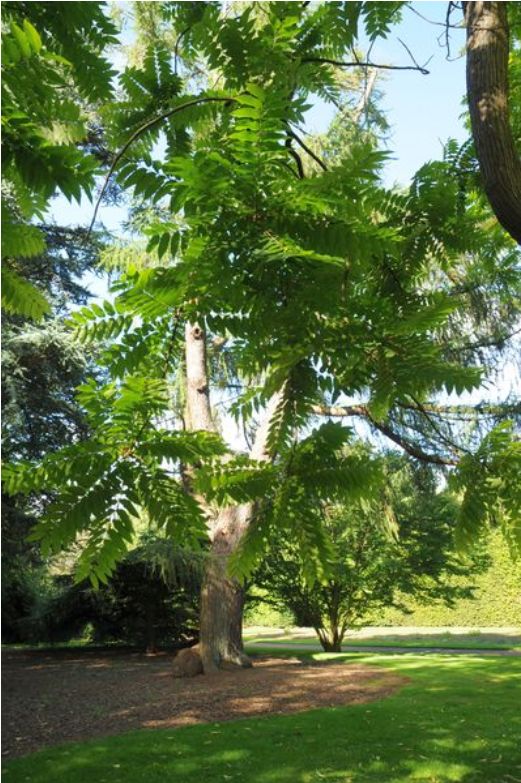
Our collections
We have a total of 3982 specimens in the collection, of which 116 are Types. Our collections can be viewed here.
Top 5 regions
| No. of Specimens | Herbarium Filing Region |
| 616 | Malay Islands |
| 462 | India, Pakistan & Bangladesh |
| 395 | New Guinea |
| 318 | Indo-China |
| 318 | Tropical Africa |
Top 5 Genera
| No. of Specimens | Genus |
| 872 | Aglaia |
| 526 | Trichilia |
| 455 | Dysoxylum |
| 295 | Melia |
| 238 | Chisocheton |
Species of Interest
As you can see in the table above, species in the Aglaia genus are most common in the RBGE collection. These trees which are mostly found in Southeast Asia, the Pacific Islands and Northern Australia produce a wide range of chemicals that are being studied for a their potential use in medicine.
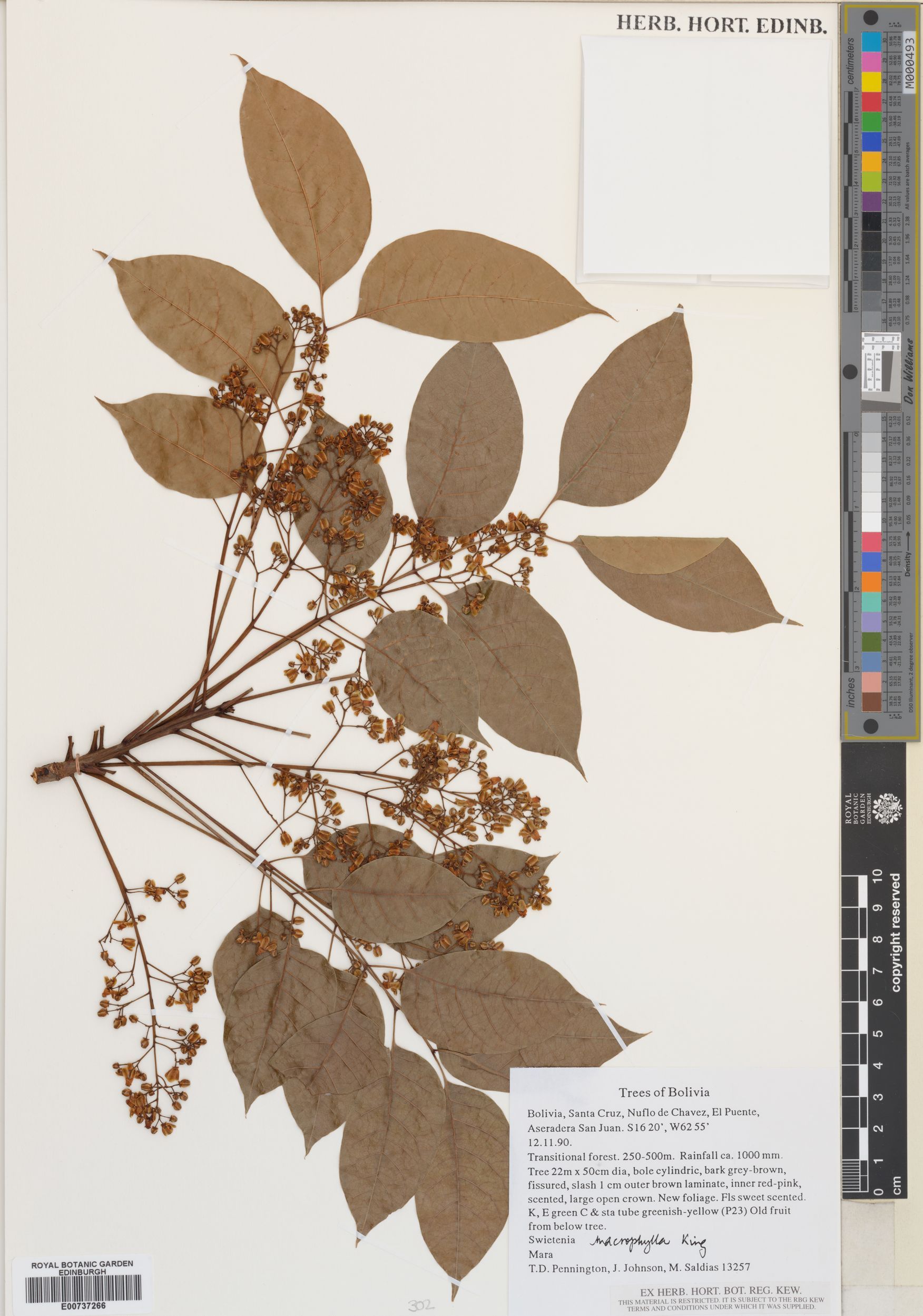
The genus Swietenia are the true mahogany trees, whose reddish wood has been prized for centuries in the construction of furniture and musical instruments. It was one of the first hardwoods that was transported back to Europe from the new world, but over-harvesting has led to the introduction of CITES trade restrictions on all mahogany species.
The common name Cedrela odorata is ‘Spanish cedar’, which is more than a little confusing for this tree which is native to the Caribbean, central and south America, and which is not a cedar at all. The wood of this tree contains compounds that make it naturally resistant to insects, which makes it popular for the construction of humidors and outdoor furniture. Another tree that is valued for its insecticidal and medicinal use compounds is Azadirachta indica, the seeds and fruits of which are used to make neem oil.
Simaroubaceae
Simaroubaceae is known as Quassia family. It is one of the smaller families in the Sapindales, but shares some of the characteristic traits of the larger Meruliaceae (discussed above). In particular they are noted for the unique compounds they produce, many of which are extremely bitter and are used as insecticides, astringents and flavourings. The family consists of only about 20 genera and under 200 species and have a primarily tropical distribution around the world.
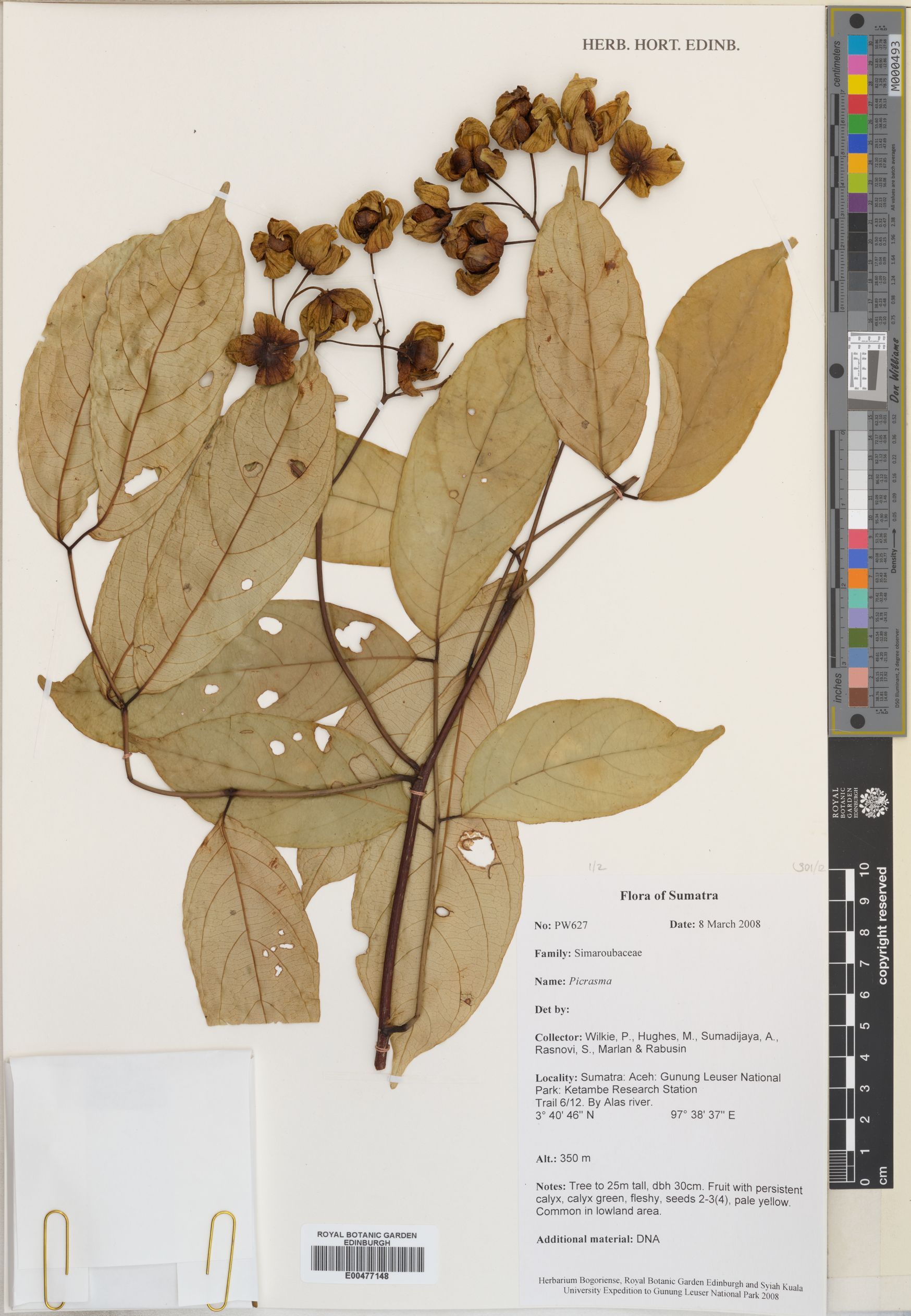
Our collections
We have a total of 690 specimens in the collection, of which 13 are Types. Our collections can be viewed here.
Top 5 regions
| No. of Specimens | Herbarium Filing Region |
| 154 | Inner China, Korea and Taiwan |
| 80 | India, Pakistan & Bangladesh |
| 80 | Indo-China |
| 75 | East Tropical South America |
| 32 | Tropical Africa |
Top 5 Genera
| No. of Specimens | Genus |
| 181 | Picrasma |
| 149 | Ailanthus |
| 97 | Brucea |
| 53 | Simarouba |
| 51 | Eurycoma |
Species of Interest
Ailanthus altissima is commonly known as the ‘Tree of Heaven’ due its rapidly attained height. It has had a long history of cultural significance in its native China, Taiwan and Korea due to its use in medicine, and as the host plant for the Samia Cynthia moth, who’s larvae are used to produce a coarse silk. However, where it has been introduced around the world it is often referred to as the ‘Tree of Hell’ due to its invasive nature.