
Category: SciencePage 31 of 38
Latest science blog posts from the Royal Botanic Garden Edinburgh
Seasonally Dry Tropical Forests are found throughout Latin America from Mexico to south-western Brazil and northern Argentina. Dry forest is the world’s most threatened tropical forest due to…
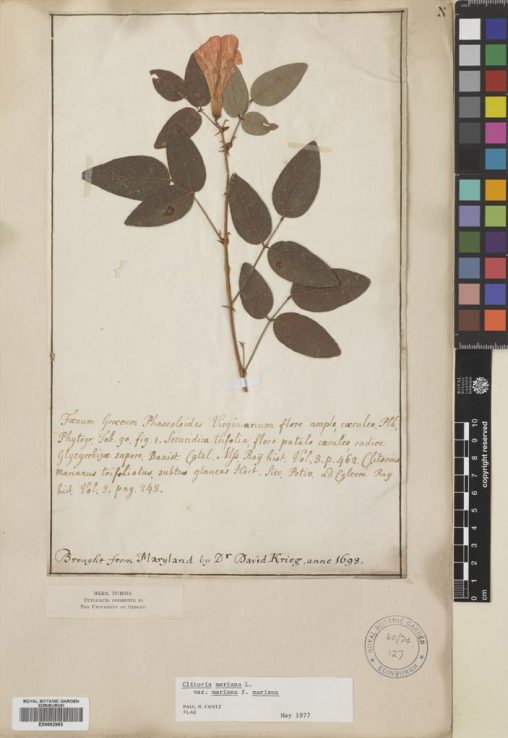
Yesterday saw the 300,000th specimen from our herbarium collection imaged and made available on our website. This is a big milestone for the digitisation programme, which has been…
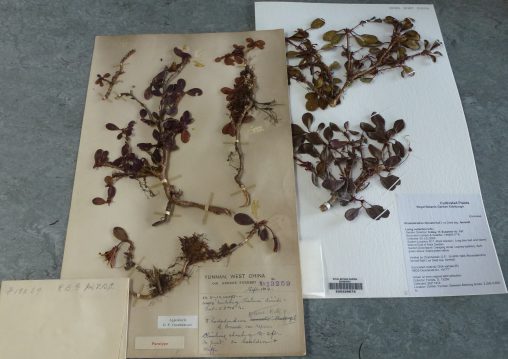
In the Autumn of 1914, George Forrest was travelling in China. His letters written at the time mention the difficulties he was facing in getting permission to…
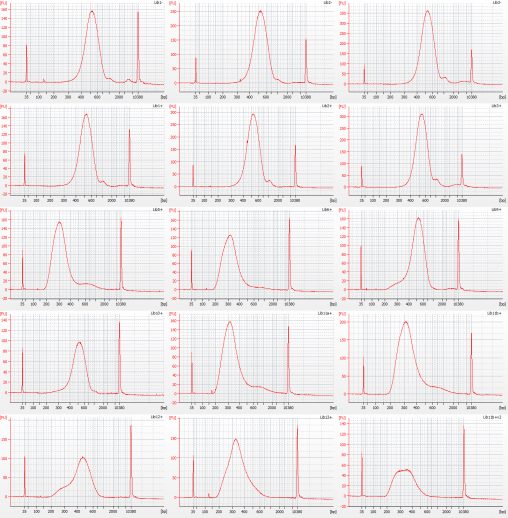
Both the Tru-Seq and NEB libraries were amplified pre-hybrid capture – another step at which modifications were made, according to how much DNA there was in each library….
As previously mentioned, we tested two different kits in our NBAF project. The first is the Illumina Tru-Seq Nano library preparation kit (FC-121-4001), which recommends a starting DNA…
The flowering of our Amorphophallus titanum (titan arum) was a tremendous event with c 19,000 people visiting the Glasshouses to see the plant growing from a small bud…
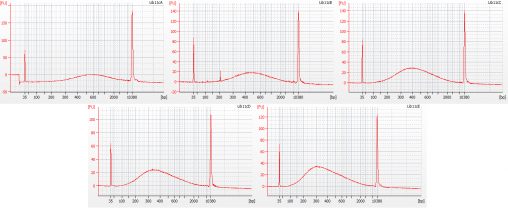
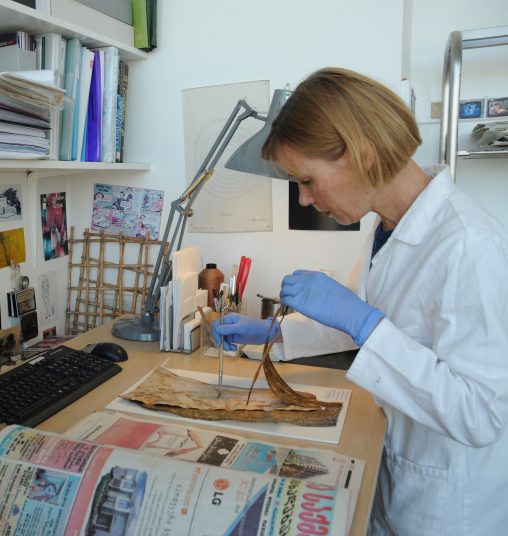
A few days ago, I read a tweet from the Botany2015 meeting in Alberta that described DNA extracted from herbarium specimens as “pre-sheared”. This resonates with our own…
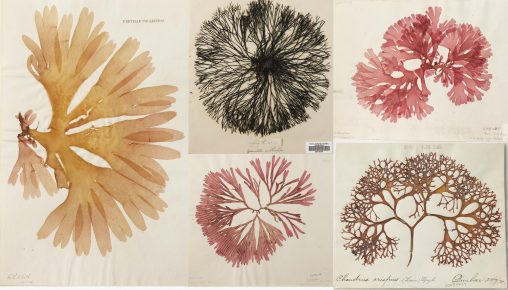
Here at the RBGE we have just finished digitising our collection of British Rhodophyta (Red Algae), a total of 7850 specimens. Our collection dates from present day right…
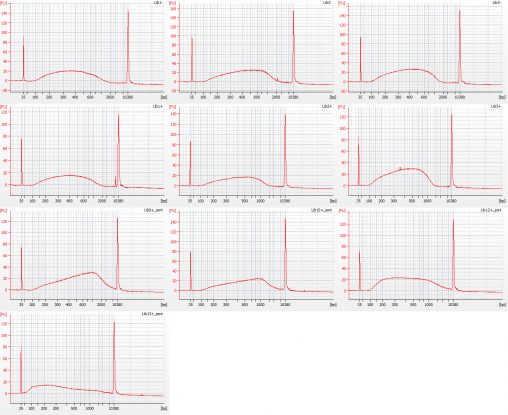
The mantra for many years for next generation sequencing has been, like “garbage in, garbage out”, that the optimal starting point is high quality, high molecular weight DNA….
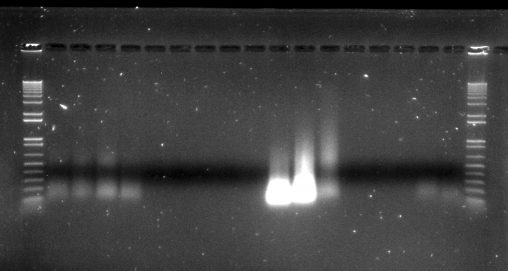
In March this year, having already chosen and obtained the plant material that we were going to use for our NBAF project on using a hybrid bait protocol…
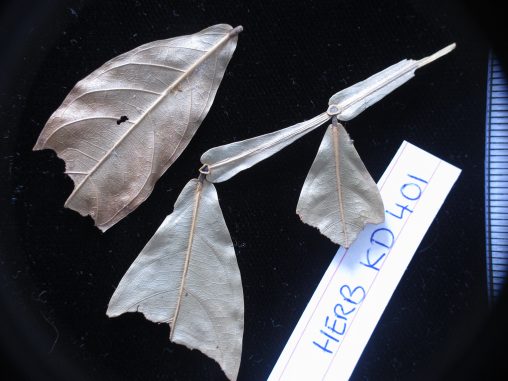
Having chosen Inga umbellifera as the study organism for our NBAF-funded project to test the use of hybrid baits for recovery of DNA sequences from herbarium material, we…
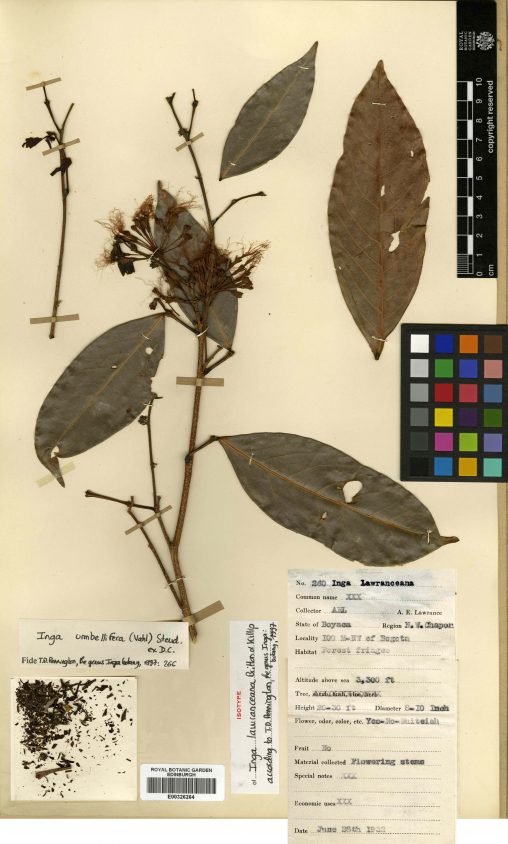
About 300 species of Inga (Leguminosae: Mimosoideae: Ingeae) grow in lowland and montane rain forest throughout the humid tropical zone, from Mexico to Uruguay. Most species diversity is…

In February this year, Dr Catherine Kidner, Dr Michelle Hart, Dr James Nicholls and I were awarded an NBAF pilot grant by NERC to explore the use of…

As part of the digitisation of the collections held at RBGE we are starting to barcode our microscope slide collections. As part of this we have been investigating…
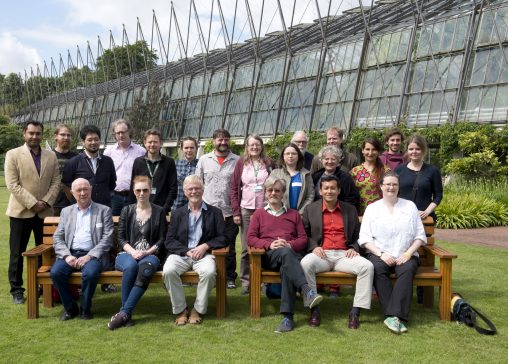
Twenty-five participants from 13 countries have just attended a symposium on complex thalloid liverworts in Edinburgh #Marchantia2015. The meeting also included two teleconferences (from Australia, John Bowman, Monash…
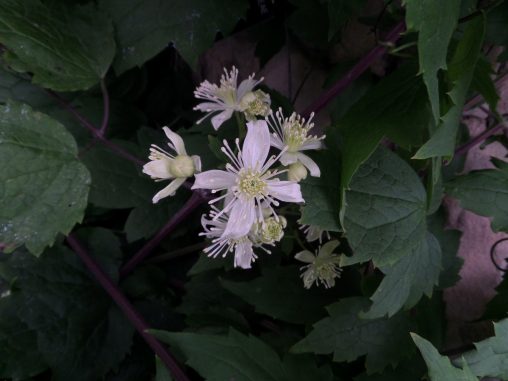
Tucked away on a boundary wall near the glasshouses, but not on public display, is one of the oldest living Clematis specimens in our collection. This plant was…
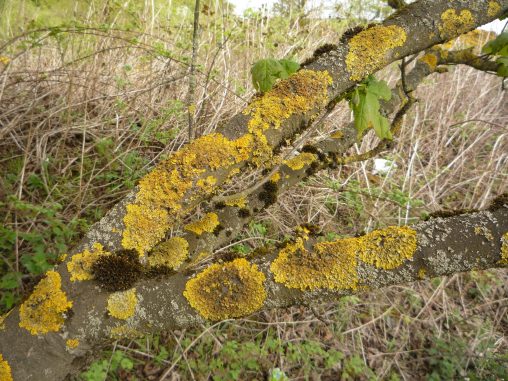
A train and bus ride see me heading out west to a air pollution monitoring station out on the edge of a small town. My bus stop is…
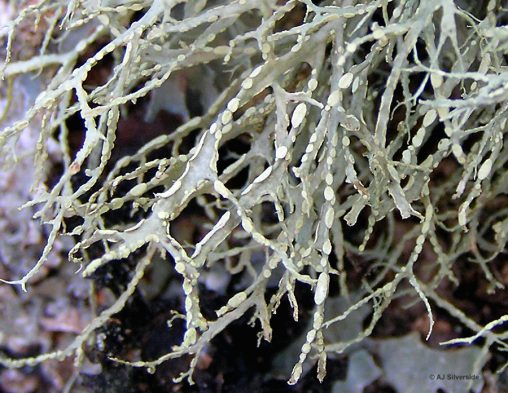
Surveying in Alloa as part of my project Lichens as Air Quality Indicators led me to a local police station. This is not my first encounter with the…
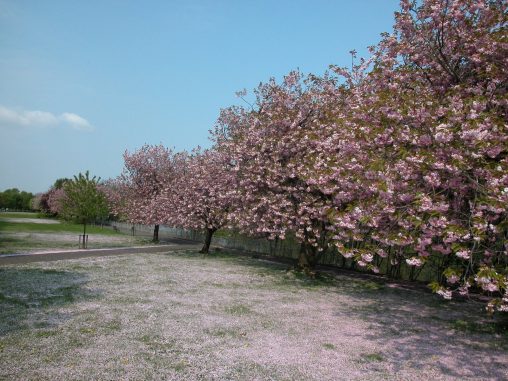
Under a glorious canopy of blossom I find the Stirling’s automatic air pollution monitoring station, (part of the Automatic Urban & Rural Network). A rather battered looking station,…
The New to Science blog is a regular post about new plant species as they are being named, described and published for the first time. The only requirements…