Category: SciencePage 30 of 38
Latest science blog posts from the Royal Botanic Garden Edinburgh
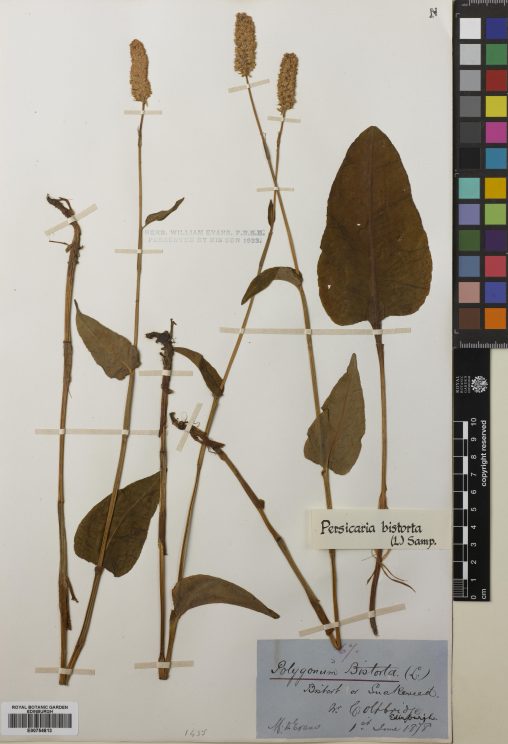
Two of our herbarium specimens from the 19th Century are in the new exhibition entitled PLAGUE! at the National Library of Scotland on George IV Bridge. They make…
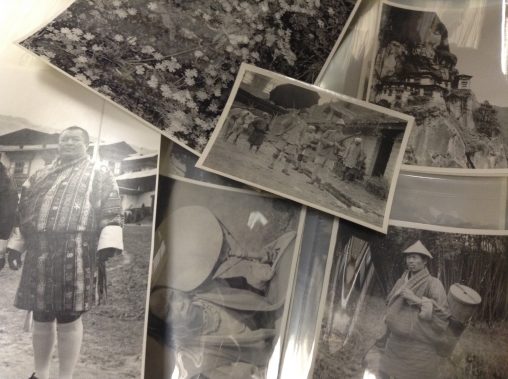
In early November 2015 we were lucky enough to be asked if we’d take a postgraduate student studying Archives and Records Management at Glasgow University for a two…
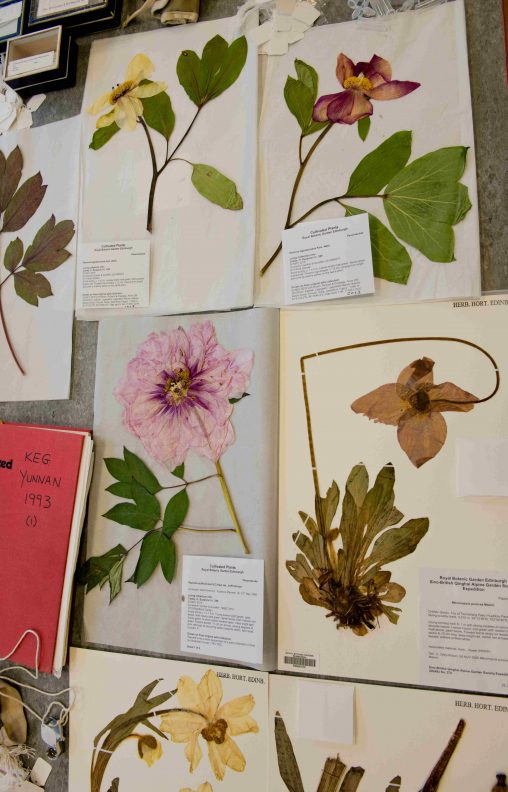
Zoë Goodwin, who first arrived at RBGE as an MSc student, became a member of staff, and is now a PhD student (University of Oxford), has just published…
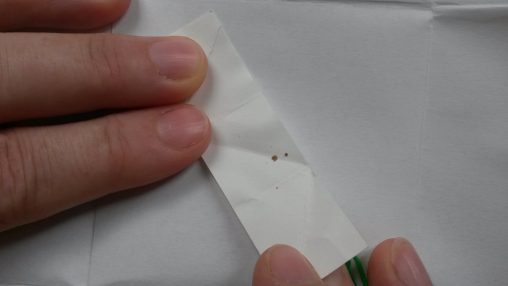
The complex thalloid liverwort Monocarpus sphaerocarpus has been found on two continents, Australia and Africa, separated by around 8,000 km of mostly ocean. The green plants themselves are…
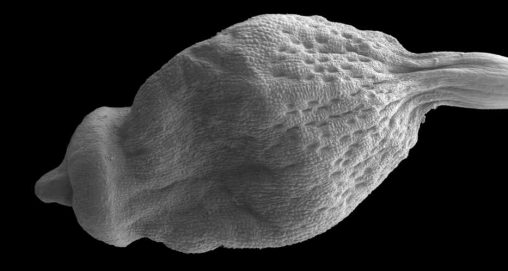
The relative structural simplicity of some groups of mosses can disguise their uniqueness, especially when simplified features have evolved multiple times within the same family from ancestors with…
Although the exact relationships between the earliest land plant lineages are not yet well resolved, there is consensus that liverworts are one of the most ancient land plant…
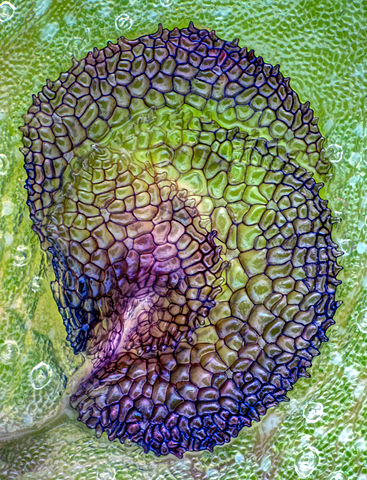
One of the earliest plastid genomes to be sequenced, in the late 1980s (Ohyama et al.), was that of Marchantia polymorpha, one of the commonest liverworts around town,…
Rather a while ago, back in 2003, we started working on a phylogeny of the complex thalloid liverworts at the Royal Botanic Garden Edinburgh (as a Molecular Phylogenetics…
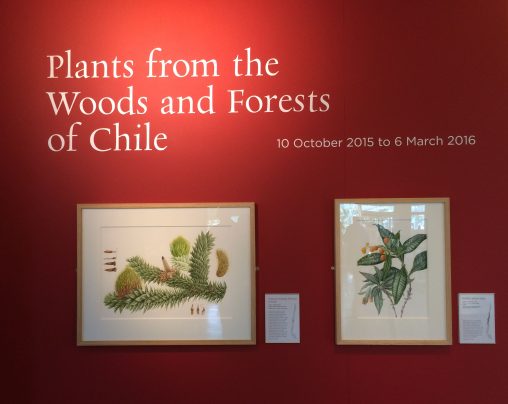
To tie in with the launch of ‘Plants from the Woods and Forests of Chile’, we wanted to look at some of the material from our herbarium and…
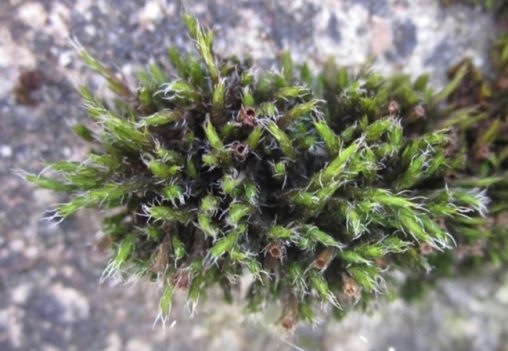
Back in 2014, staff in the molecular lab and herbarium at RBGE greatly enjoyed a three-week visit from Austrian Dr Wolfgang Hofbauer. With funding from the EU SYNTHESYS…
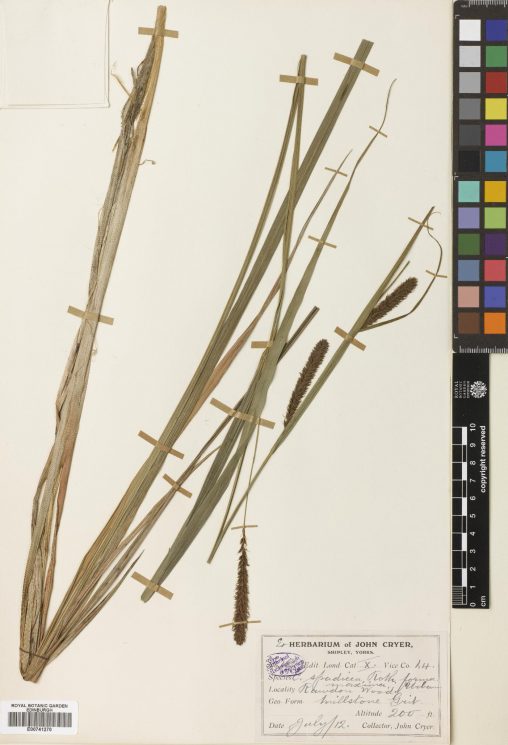
RBGE has recently started to explore the use of Citizen Science platforms by providing images and data to Herbaria@Home, a long standing and successful platform for transcribing herbarium…
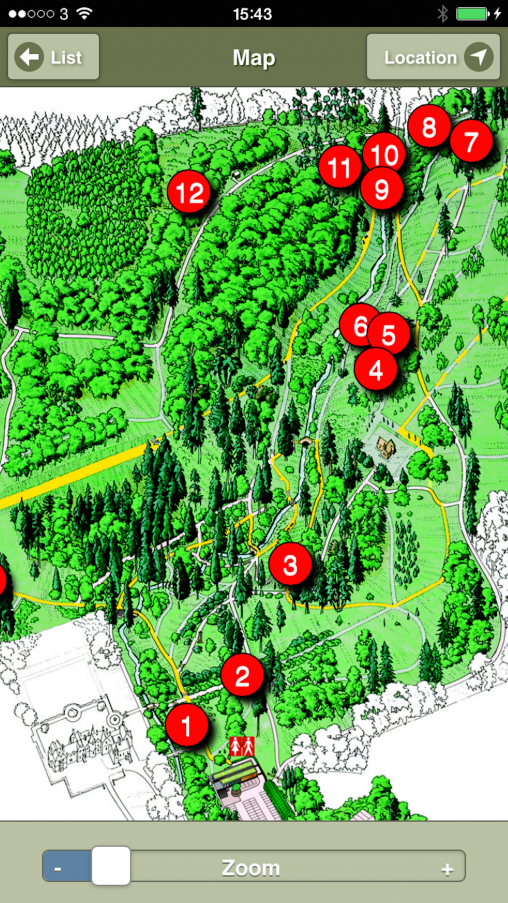
Apps Apps Apps For several years now we have been looking for a way to make appropriate use of mobile phones to deliver interpretation material. Smart phones really…
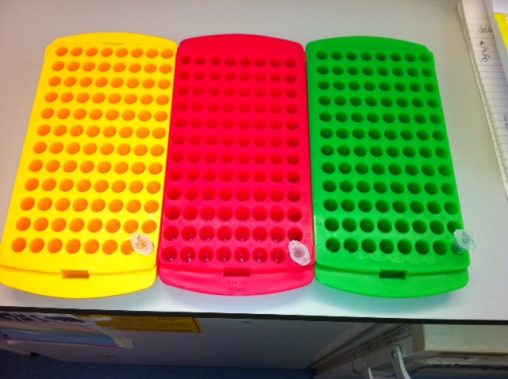
By mid-May 2015, we had 32 separate Inga umbellifera libraries, 15 generated using the Illumina Tru-Seq Nano library preparation kits, and 17 with the NEBNext Ultra library preparation…
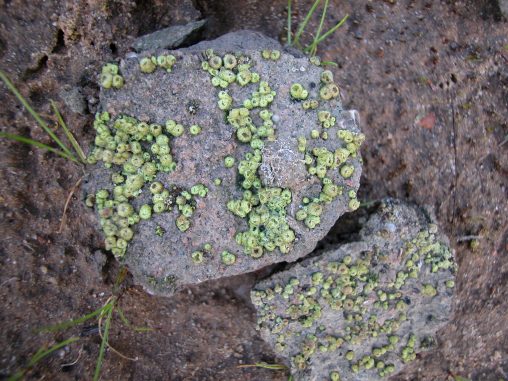
Sadly, although not surprisingly, I was not able to amplify the regions of Monocarpus DNA needed to compare it to other complex thalloid liverworts from a 1950s collection that we had…
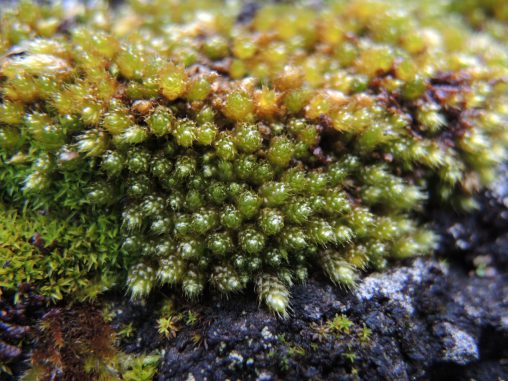
Some of the most remote and beautiful wilderness landscapes in Scotland are in the extreme north-west, in Sutherland, so-called from the Vikings who regarded it as the south…
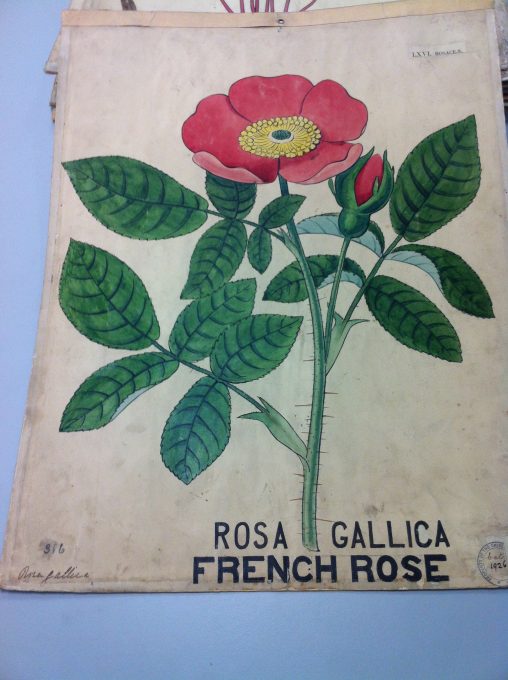
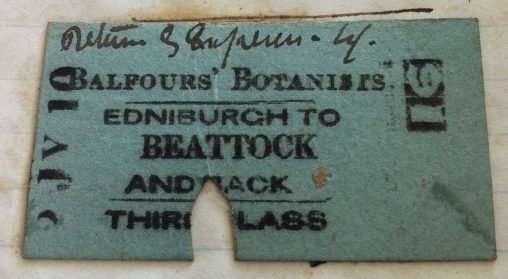
“Excursions may be truly said to be the life of the botanist. They enable him to study the science practically, by the examination of plants in their living state, and…
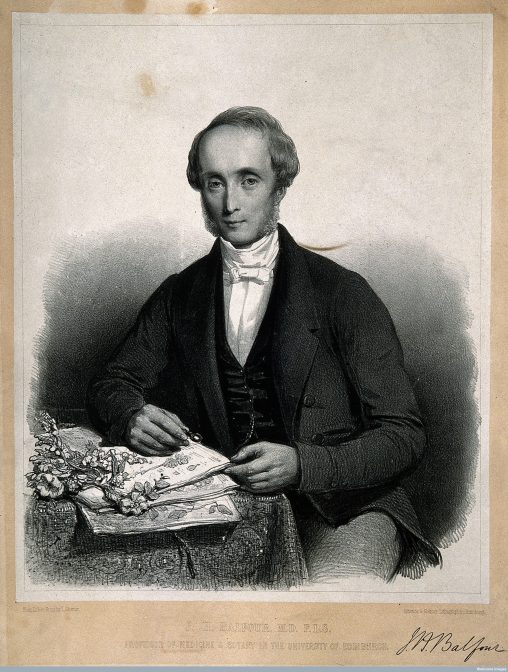
John Hutton Balfour Born: 15 September 1808 Place of Birth: Buccleuch Place, Edinburgh Died: 11 February 1884 Place of Death: Inverleith House, Edinburgh Occupation: Botanist and Teacher The…
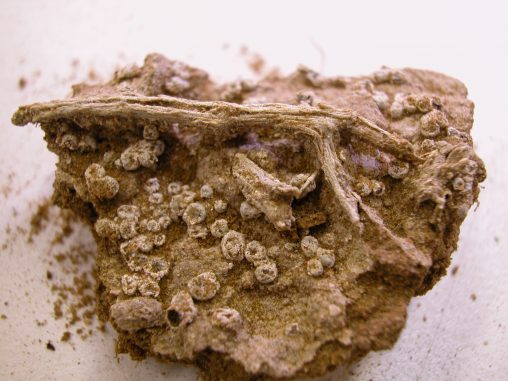
At the Royal Botanic Garden Edinburgh we’ve been working on the phylogeny of the complex thalloid liverworts for rather a while now. David Long presented a poster on…
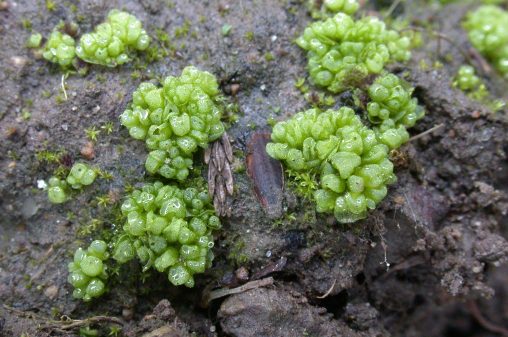
As far as liverworts go, Monocarpus is a rather strange plant. It’s very small, in itself not that unusual for a bryophyte, but rather problematic if you need…