
Category: SciencePage 29 of 38
Latest science blog posts from the Royal Botanic Garden Edinburgh
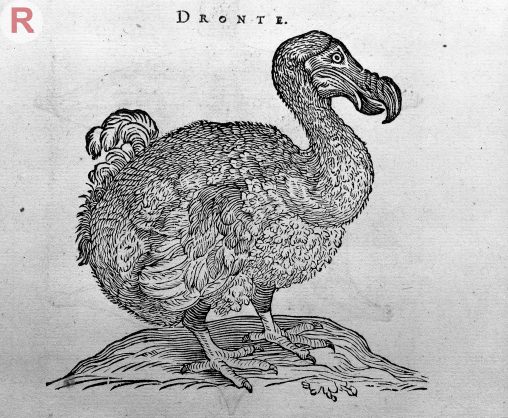
The Sapotaceae plant family provides us with some wonderful examples of the sometimes intricate interactions plants have with animals. One of the more intriguing cases is that of…
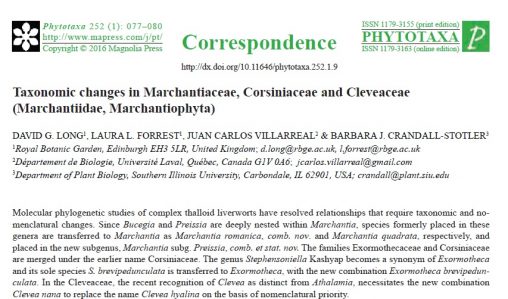
One of the most recognisable groups in the bryophytes, the complex thalloid liverwort genus Marchantia, has just become a bit larger. We have sunk Preissia and Bucegia into…
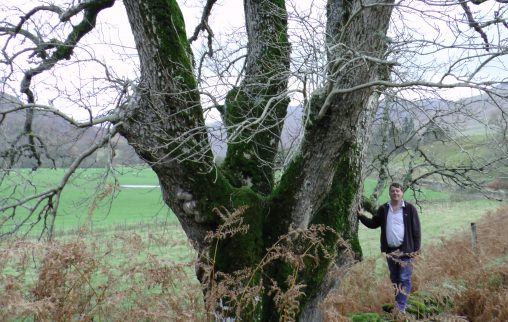
Archaeological studies have shown that, ‘Biochar’, or at least a similar product, was used by ancient Amazonians to add to the soil to help with their food growing….
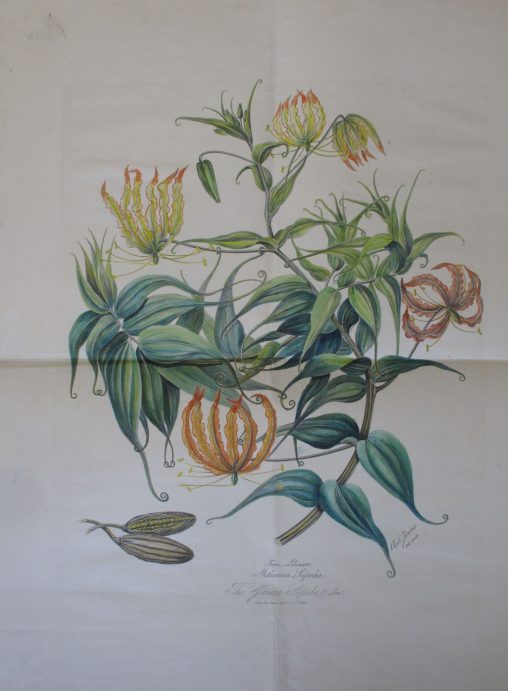
In the past I have written about botanical ‘swagger prints’ – large-format illustrations commissioned at least in part to boost the ego of the commissioner. At RBGE (from…
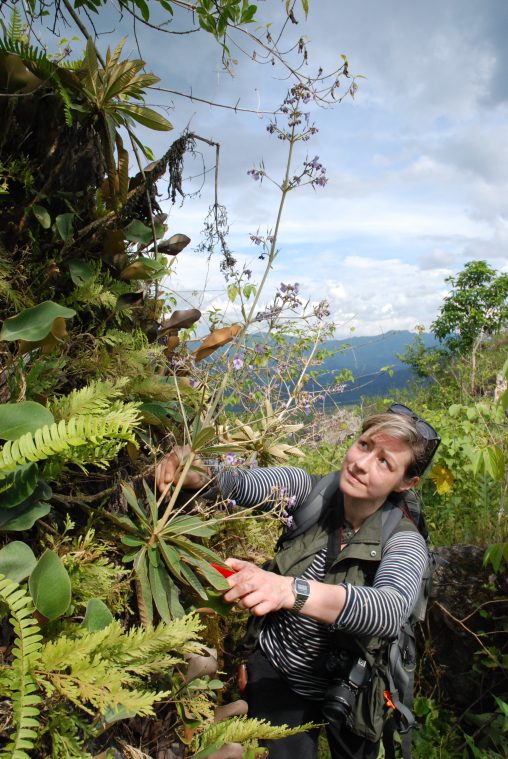
In order ‘to explore, conserve and explain the world of plants’ we need to build up our collections, both of living plants and herbarium specimens, especially from under-collected…
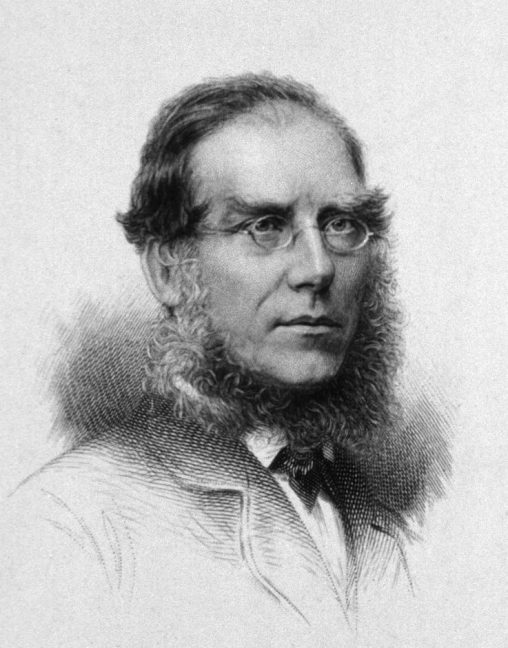
The most glowing review of Cleghorn’s (frankly rather dull – his father uncharitably told him that it would ‘drive all other soporifics out of fashion’) 1861 Forests &…

Bertha Chandler (1885-1961) In 1901 did Andrew Carnegie know, by donating $10 million to create the Carnegie Trust for the Universities of Scotland, that his legacy would assist…
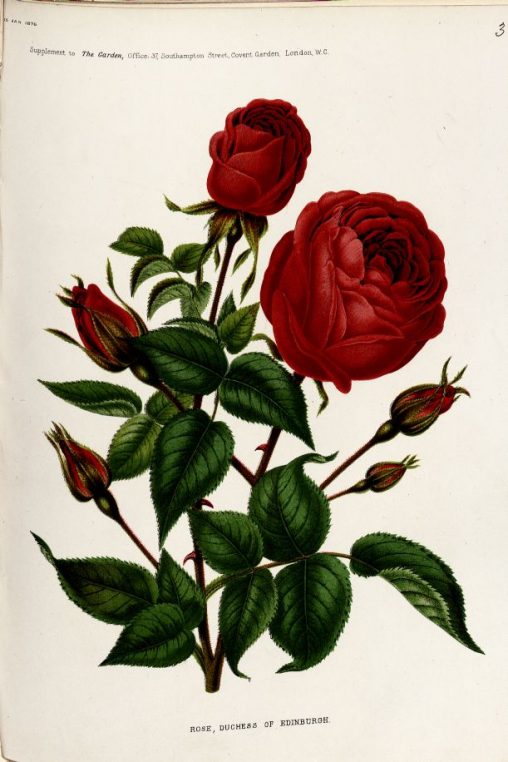
With Valentine’s Day occurring recently it may be apt to recount the story of a nineteenth century Royal visit to RBGE, and tell the stories behind two red roses named in honour of the…

Behind many of the books in the RBGE library lie interesting stories or provenances. One that has come to light during research for a new biography of the…
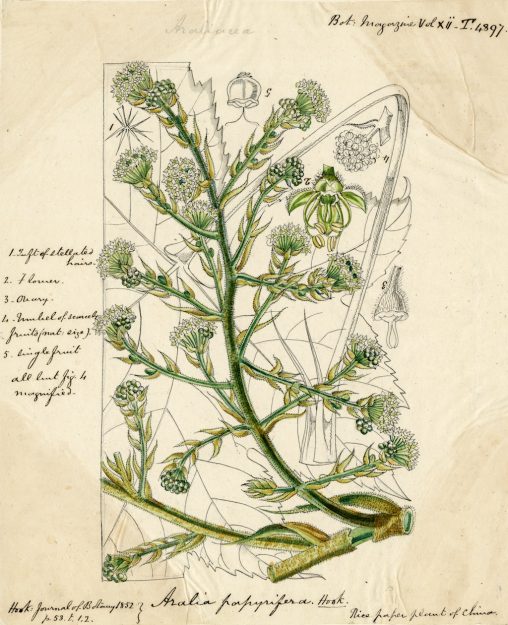
Two new books are shortly to be published by RBGE about one of the Garden’s most significant, but forgotten, benefactors – Hugh Cleghorn of Stravithie (1820–1895). Some of…
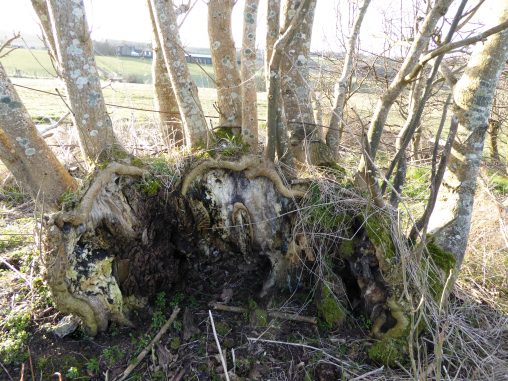
There is renewed optimism for the future of ash trees in the UK, following new research which has identified genetic markers for susceptibility to Ash Dieback caused by…
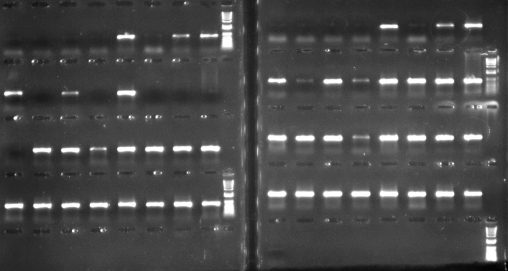
This last week I’ve actually managed to spend a bit of time in the lab, trying to get some gaps filled in a DNA barcoding matrix for simple…
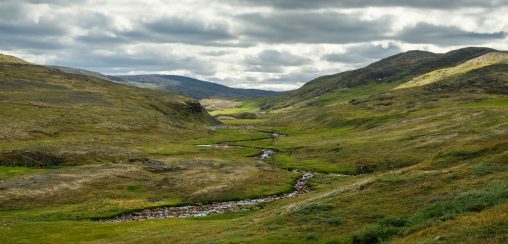
By Sandra Angers-Blondin, PhD student, School of GeoSciences, University of Edinburgh The Arctic is warming rapidly and, as a result, tundra plants are growing faster and colonising new…
Background information for Yes / No question ? Is this specimen in the subfamily Cichorioideae? (ie. with only ligule flowers & latex) Handout as a PDF Background The…
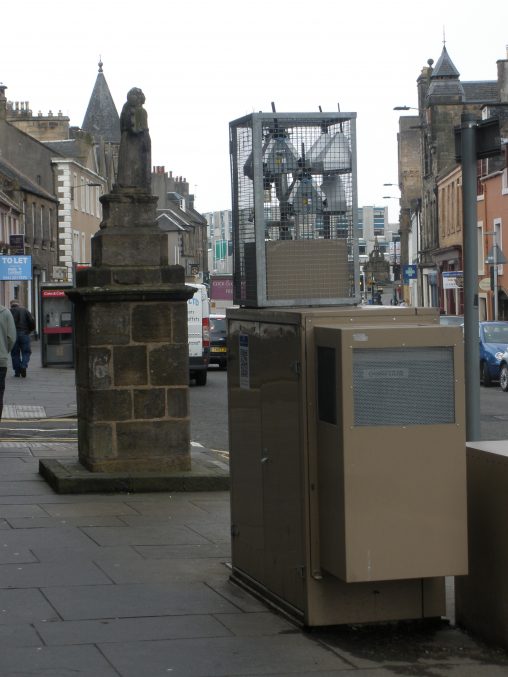
How a particularly grand piece of street furniture such as this one has not been captured on Google Maps I do not know… Almost invisible to the casual…
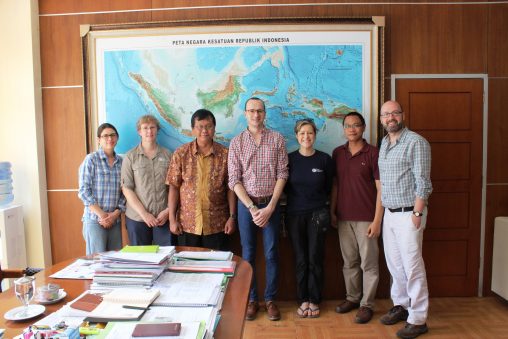
A team of five staff from RBGE (three scientists and two horticulturists) have set out on an expedition to Indonesia; Phase 1 of a project which aims to…
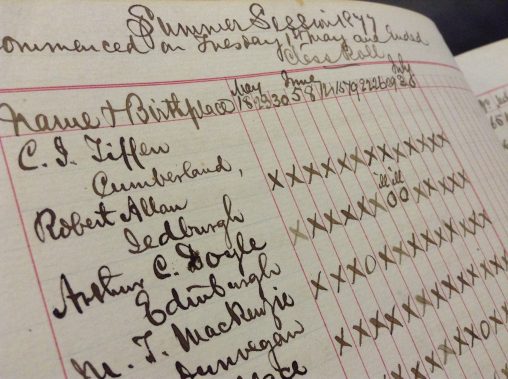
In amongst the institutional archives of the Royal Botanic Garden Edinburgh are items relating to the teaching of botany here, including lists of students going back to 1798. …
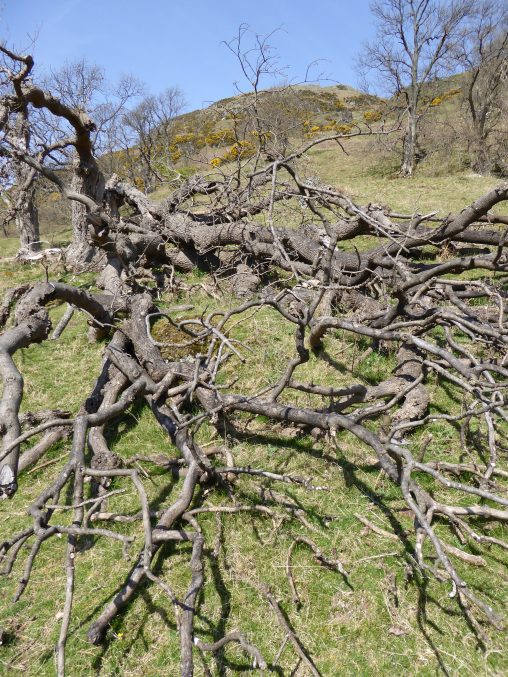
Ash dieback, caused by Hymenoscyphus fraxineus (aka Chalara) infection was first recorded in the UK in 2012. Symptoms include blackened or withered leaves, crown dieback and diamond-shaped bark…
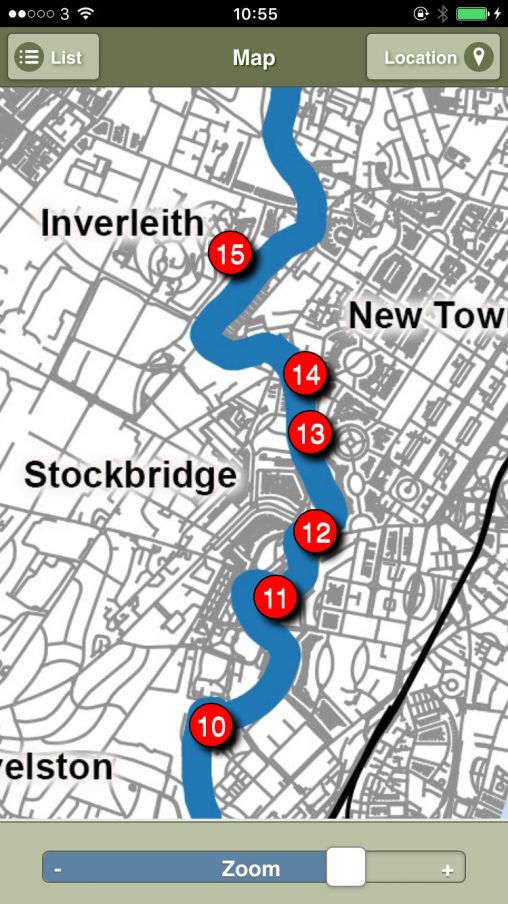
This week the Water of Leith Walkway Audio Tour app went live in the Apple iOS app store and the Google Play store. We have produced this in…

Back in July 2013 we held a workshop here at RBGE on the use of HTTP URIs (also known as URLs or just plain web addresses) for specimens….