
Category: Other NewsPage 42 of 53
Stories not categories under anything else
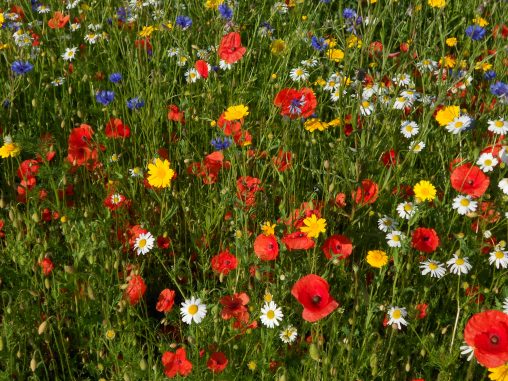
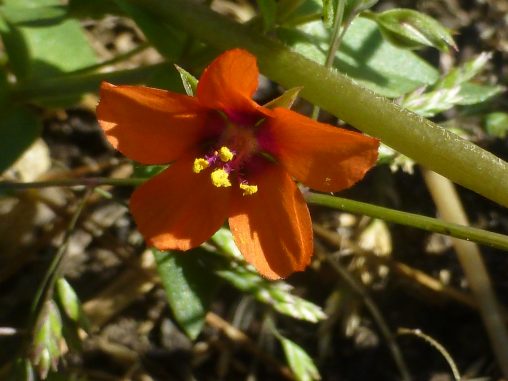
Early this morning on my way in to my office I had a look at some of the annual plants that are appearing near the north boundary of…
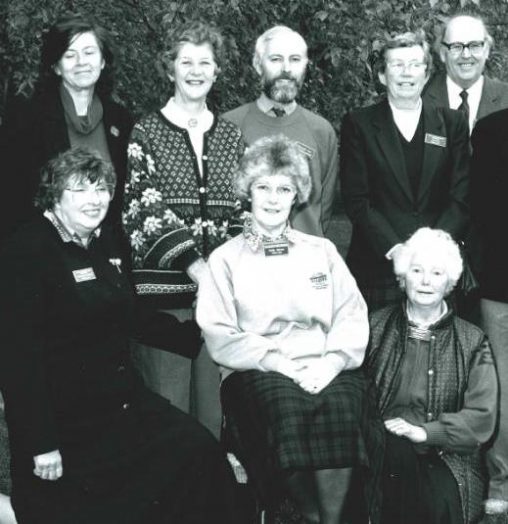
On 15 June I posted a blog entry here, “Tree Bumblebee – Coming to a garden near you, and maybe a Garden near you” (see http://stories.rbge.org.uk/archives/11851). David Adamson,…
We are hosting a small two-day workshop at the Royal Botanic Garden, Edinburgh on the 11th-12th September 2014 to discuss issues around morphologically cryptic species, whether we can…
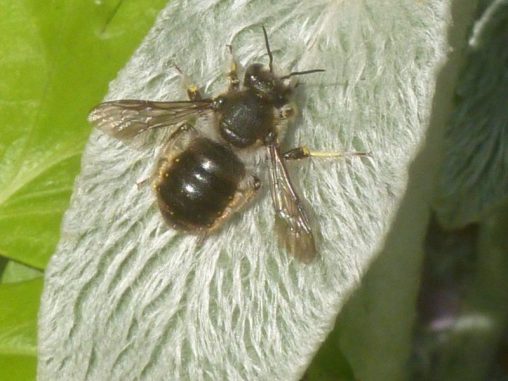
Yesterday morning I saw a male Wool Carder Bee, Anthidium manicatum, defending the Stachys alpina edging around the Fruit Garden against bumblebees. I first recorded the Wool…
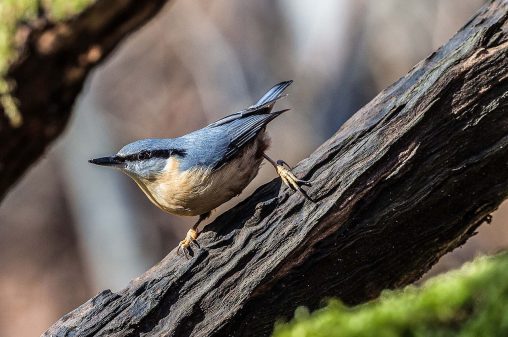
This morning while walking through the top part of the Chinese Hillside on the way to my office I heard an unusual ‘chup-chup’ call that I had not…
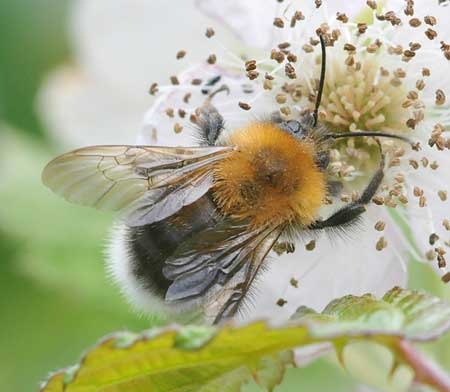
Tree Bumblebee, Bombus hypnorum, first arrived in Britain from the Continent in 2001. From its initial base in south-east England it has spread northwards rapidly, and the first…
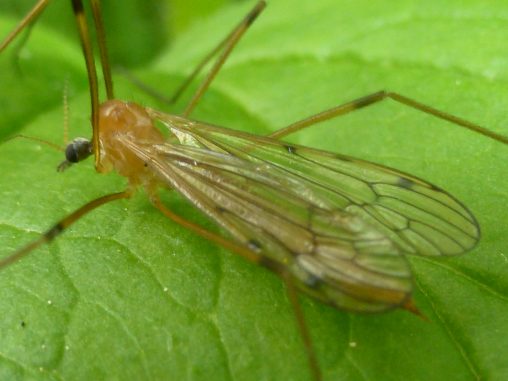
May 2014 was rather warm but also rather dull for much of the time, at least weather-wise. However it was anything but dull in terms of the wildlife…
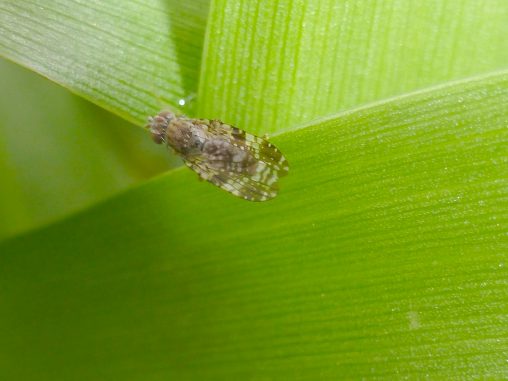
First of all I need to apologise for the lateness of this report! The May monthly report will follow in the next few days. Birds — Thirty-seven species…
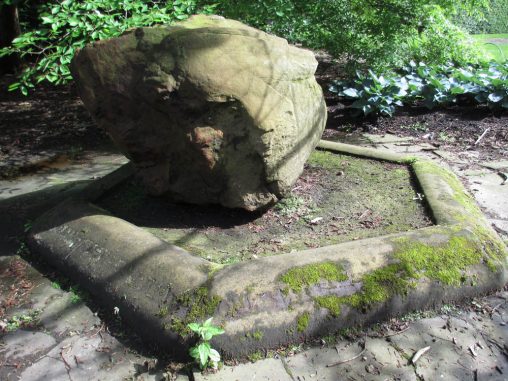
Have you ever wondered what the stone situated to the west of the beech hedge at RBGE is? Have you even noticed it’s there? The lump of red…
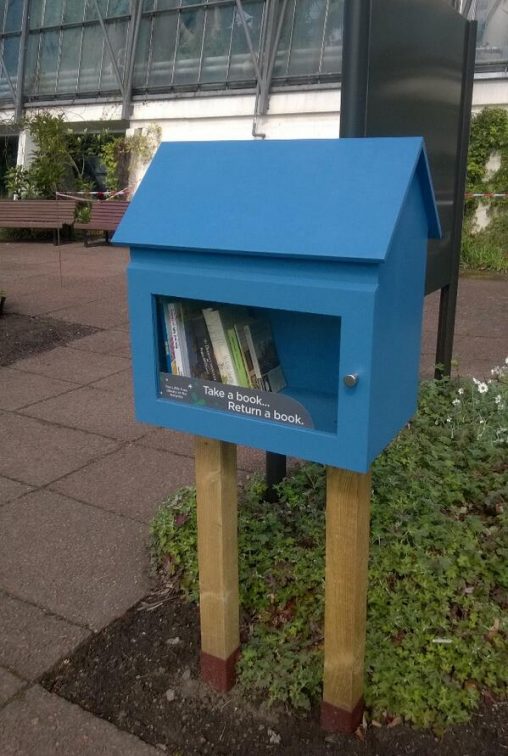
If you have been to the Garden recently you may have spotted our Little Free Library, situated between our Glasshouses and main Science buildings. The concept of a…

Join the artist of the Sea Flora exhibition, Sara Dodd and RBGE Plant Specimen Preparer, Kate Eden, for a conversation exploring the rich history of seaweed collecting in…
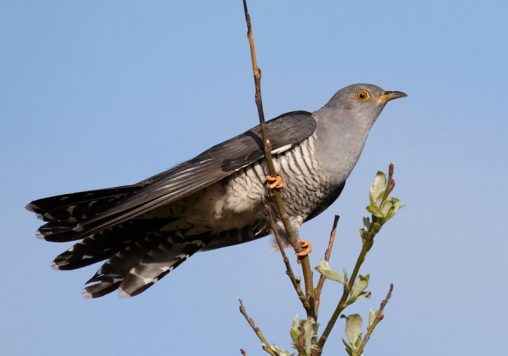
Last Sunday, 11 May, about half an hour before the Garden opened, three of the horticulturists (Clare Morter, Neil Davidson and Peter Wilson) all heard a Cuckoo calling…
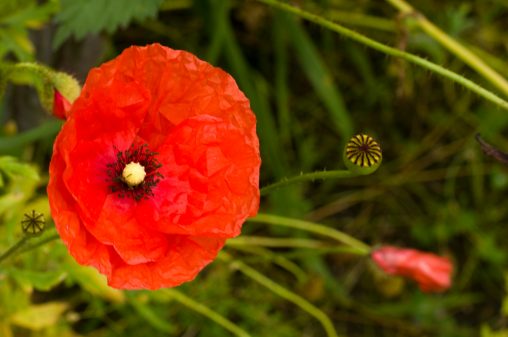
The summer of 1914 was the beginning of World War 1. In summertime this year, it will mark 100 years since it began. In memory of those who…
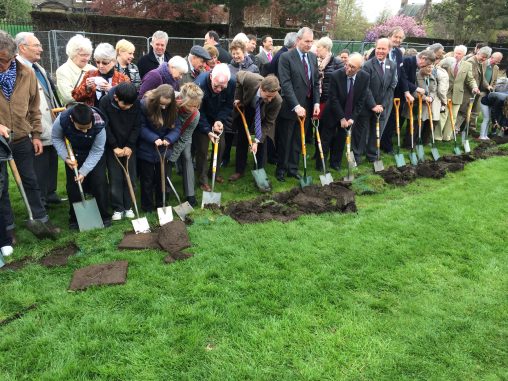
On Monday the 28th of April 2014 a momentous moment took place in the long project to rebuild the Botanic Cottage – we finally broke ground! To mark…
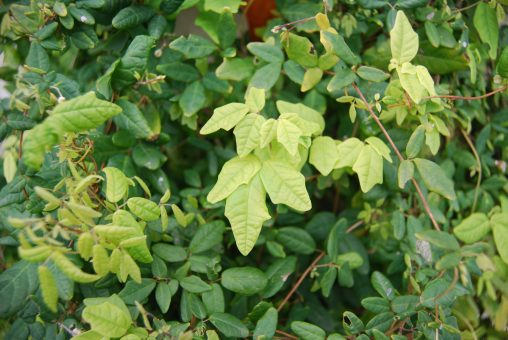
I was reading an online articles in National Geographic and Science about a Chilean Vine Boquila that can change it’s leaf shape and colour to mimic other plants around it and…
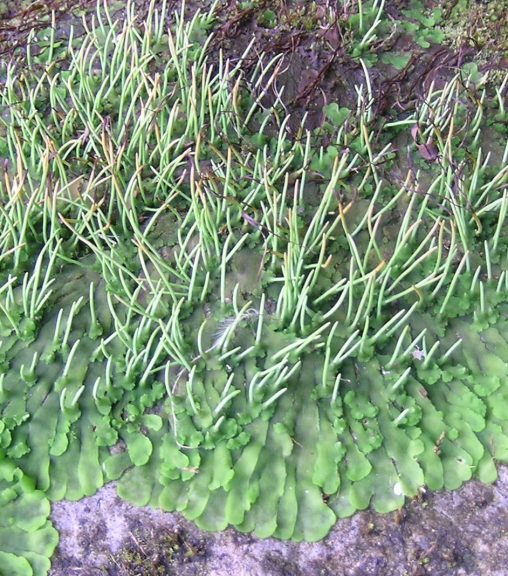
As a follow-on to my post about why bryophytes are important is this thoughtful piece by Dr Janice Glime, author of the comprehensive and freely downloadable book Bryophyte…
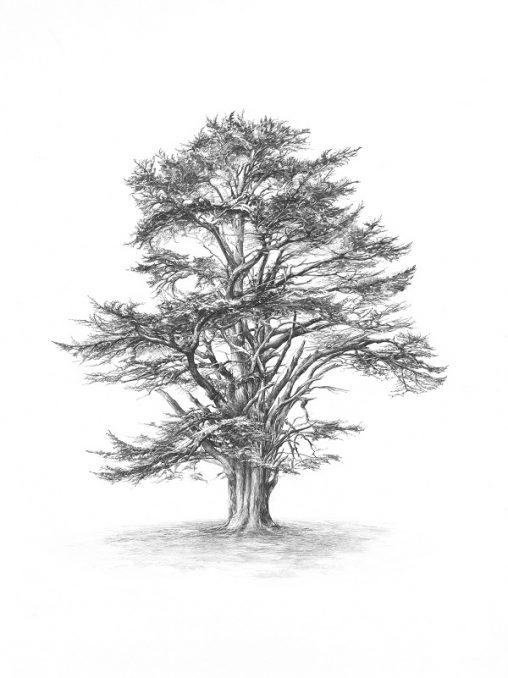
Opening on Thursday 17 April, Sylva, the new exhibition at the John Hope Gateway, marks the 350th anniversary of the publication of one of the earliest practical manuals on silviculture,…
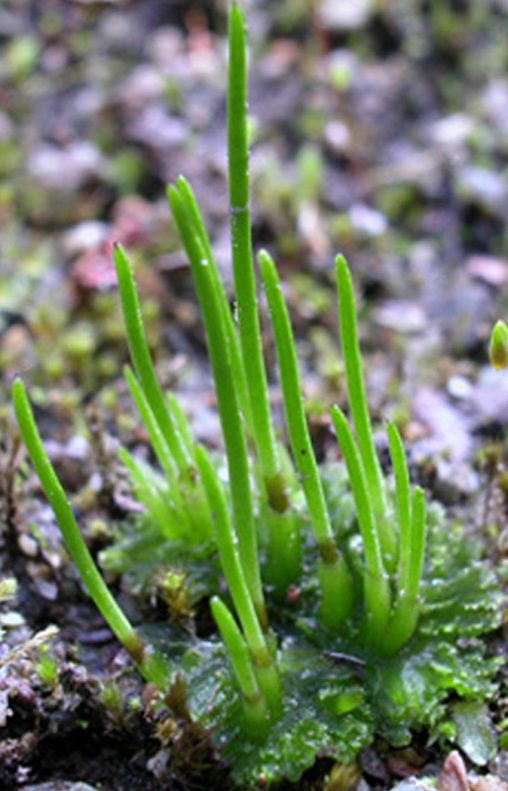
As someone who has used taxpayers’ money to fund research on bryophytes (the collective term for mosses, liverworts and hornworts), ‘But why do bryophytes actually matter?’ is one…