
Page 13 of 126
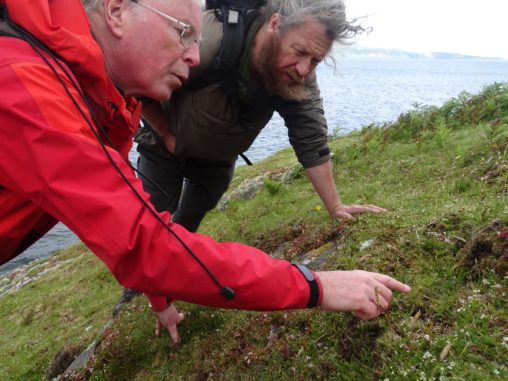
The small adder’s-tongue fern has a single leaf not much bigger than your little fingernail. Apart from this easily overlooked leaf, the only other visible part of the…
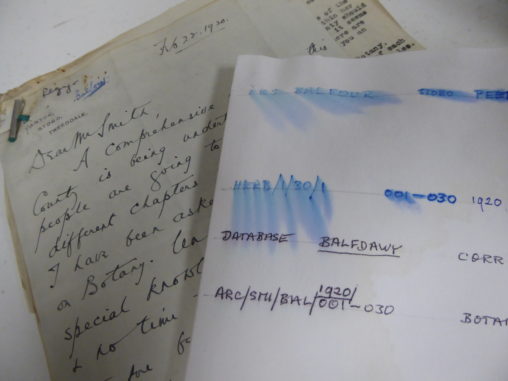
On the 4th of July 2021, water ingress from a burst drainpipe above the reception of our Science building on Inverleith Row made its way into the RBGE…

Understanding the interplay between landscapes and people. Professor Jaboury Ghazoul is plant ecologist studying the bidirectional impacts of land-use decisions and ecological processes. Previously focused on the tropics…
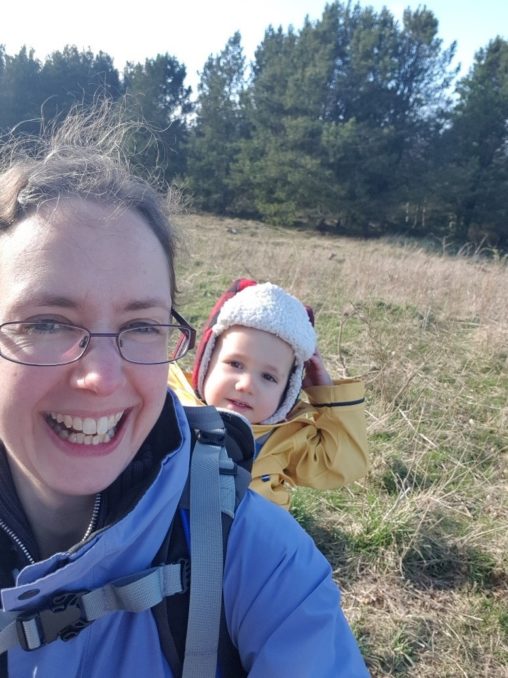
Championing joined-up approaches to socio-ecological systems. “Broadly, what I want to do,” says Dr Kerry Waylen when asked to describe her research, “is save the world!” More specifically,…
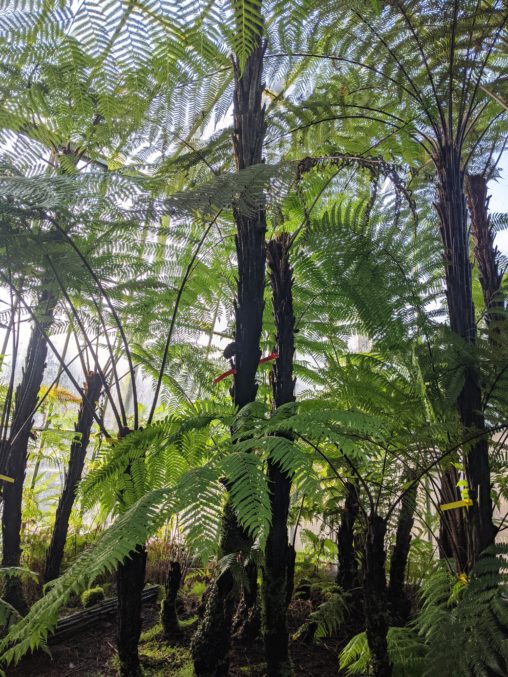
So far, the iconic Temperate Palm House and the Tropical Palm House have been emptied of plants and are ready for refurbishment work to begin. The plants that…
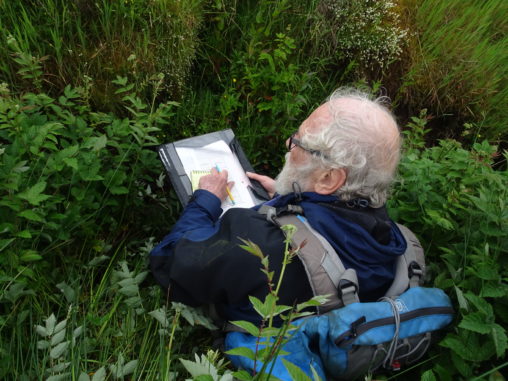
On the 17 and 18 June 2022 naturalists and the public came together at Little Sparta, a garden in the Pentland Hills 25 miles southwest of Edinburgh, to…
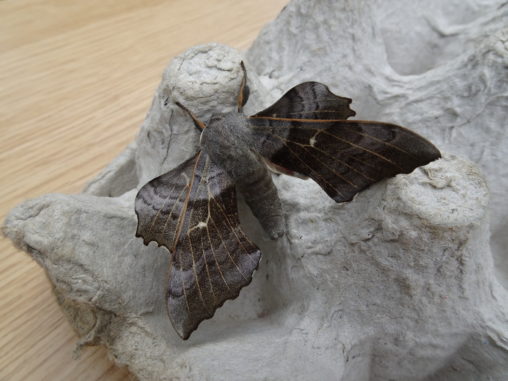
The artist Ian Hamilton Finlay created a garden in the hills near Biggar that he called Little Sparta in response to the characterization of Edinburgh as the Athens…
Essential empirical data for effective ecological restoration. Human activity can have both positive and negative impacts on biodiversity, often playing out over long timescales. Professor Kirsty Park’s research…
We assign human qualities to animals without a second thought. The wise owl and the cunning fox will produce a smile, even though we know this is just…
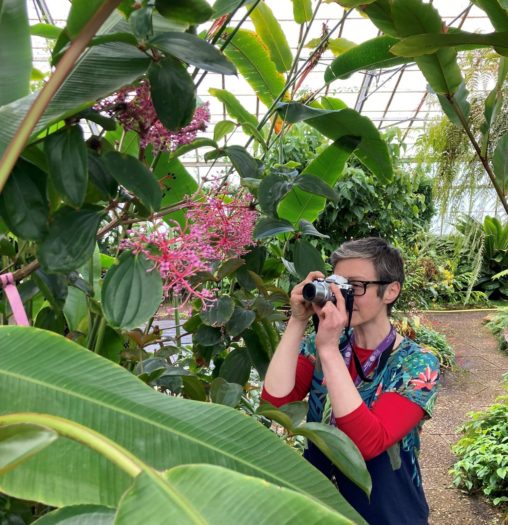
In an age where 40% of the world’s plants are faced with extinction, the recording of data is more important now than ever. Documenting, describing, and researching the properties of plants enhances their chances of survival; how can we protect what we don’t know we have?
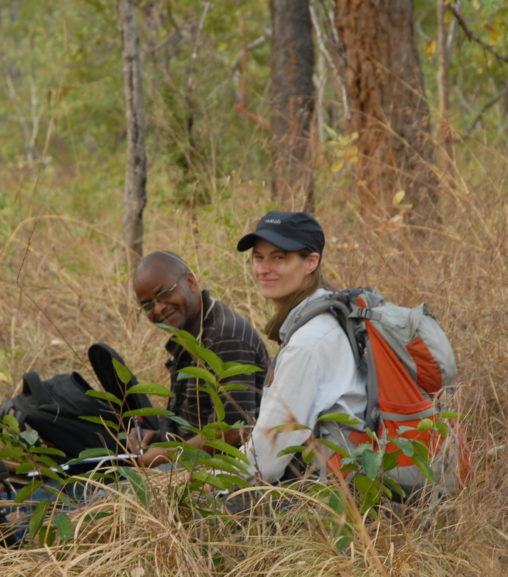
A radical approach to forest degradation and destruction. The role of plantation agriculture in deforestation – and hence biodiversity loss and climate catastrophe – has been widely publicised,…

Exploring open ecosystems through a lens of environmental and social justice. Dr Caroline Lehmann describes her research as a “bridge between evolutionary and ecological science to understand the…

In the run-up to the global biodiversity conference, COP15, we present a series of posts in partnership with Scottish Government and NatureScot, showcasing Scotland’s innovative, high-impact research supporting…
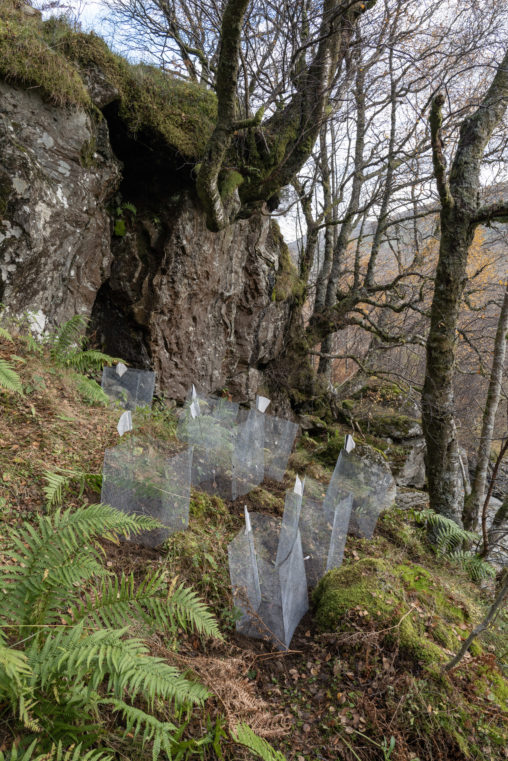
In the run-up to the global biodiversity conference, COP15, we present a series of posts in partnership with Scottish Government and NatureScot, showcasing Scotland’s innovative, high-impact research supporting…
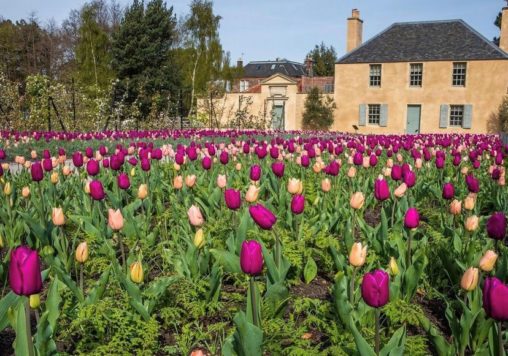
At the Royal Botanic Garden Edinburgh we were kindly donated 15,000 tulips by Taylor’s Bulbs to create a stunning colourful display leading up to the famous Botanic Cottage…
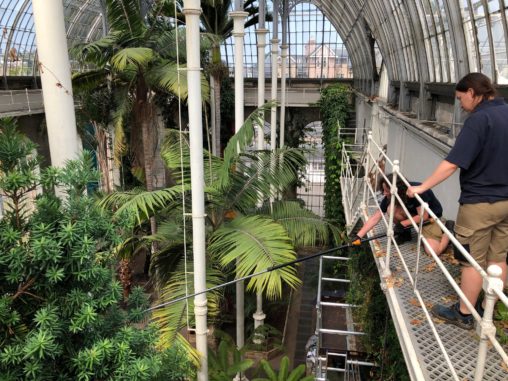
During summer 2021 the first phase of the Biomes Project began and the Glasshouse staff were tasked with the mammoth undertaking of removing all plants from the Palm…
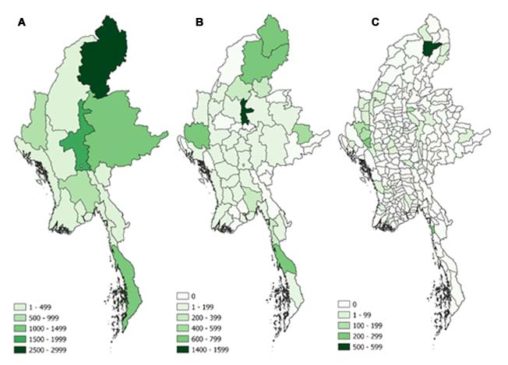
A collaborative effort has seen the complete digitisation of herbarium specimens of vascular plants from Myanmar, complemented by data standardisation and georeferencing.
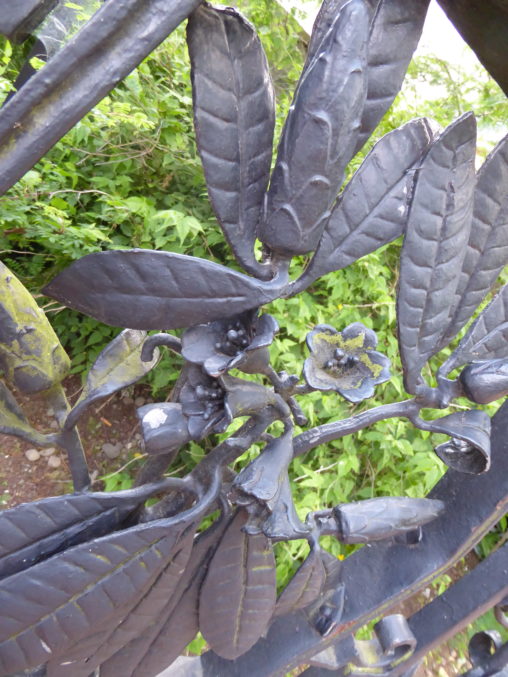
Every day, hundreds of visitors pour into the Royal Botanic Garden Edinburgh, many of them through our East Gate. To do this, one must pass through two sets…
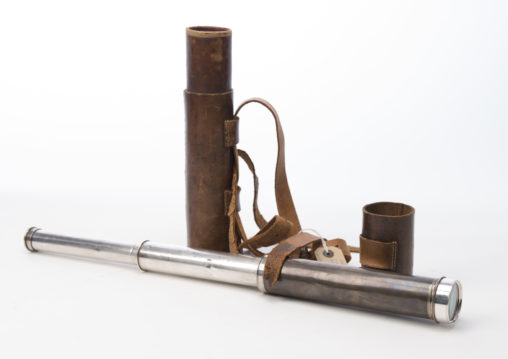
The RBGE Archives do not just hold papers – correspondence, administration and photographs – we also have a number of objects; plant models, gardening tools and camera equipment…
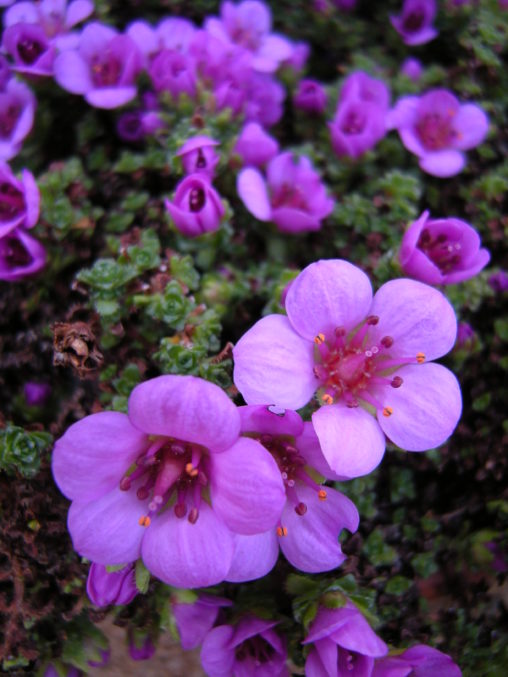
As the snow melts Saxifraga oppositifolia (Purple saxifrage) is normally one of the first tribunes of spring, heralding winter’s end as its bright petals unfold. Throughout March, its…