
Page 74 of 127

Last night saw the final performance of Watching, a collaborative project between musicians, historians, sleep scientists and primary schools which began in January 2014. The Garden provided the…
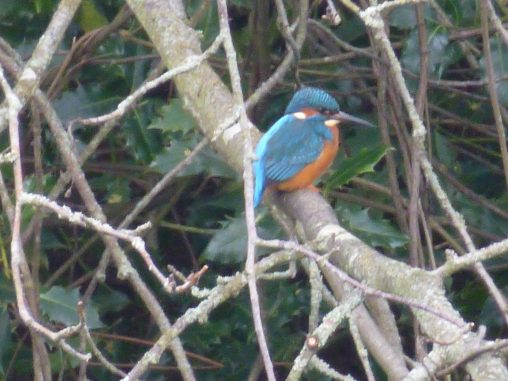
February 2015 was chilly for the most part with temperatures mostly not rising above 7 degrees C, and with a light snowfall near the beginning of the month….
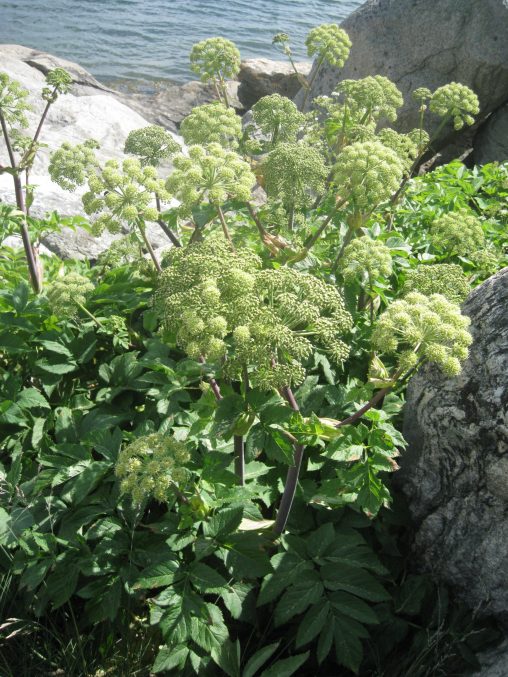
I spent an hour today in a discussion with a group of MSc Gastronomy students from Queen Margaret University considering whether there is a distinctive Scottish cuisine. More…
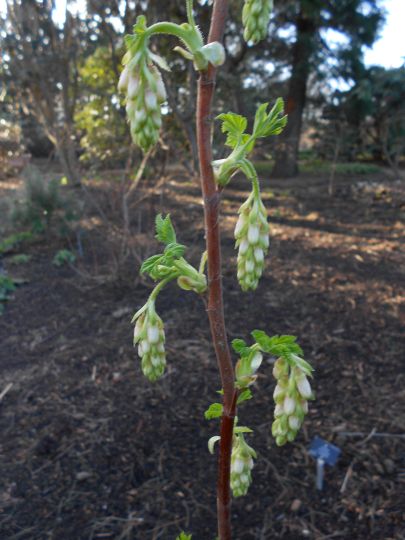
Ribes sanguineum ‘Albidum’ is an easily grown and propagated deciduous shrub that never fails to flower. The racemes of flowers develop as the new growth expands. These racemes…
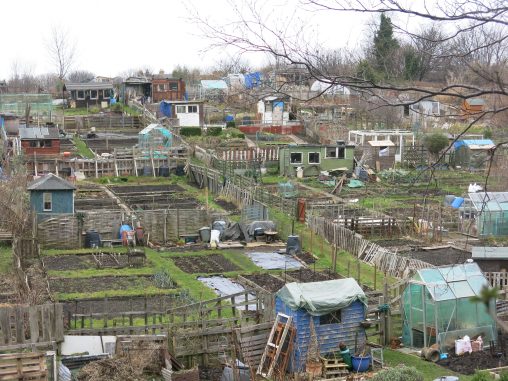
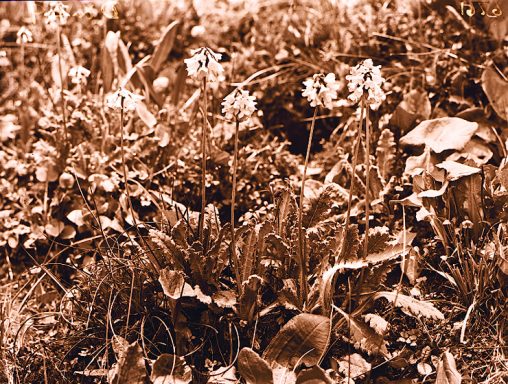
The Scots plant collector George Forrest (1873-1932) is now known as a talented photographer, though he didn’t necessarily enjoy the process of using a cumbersome glass plate camera,…
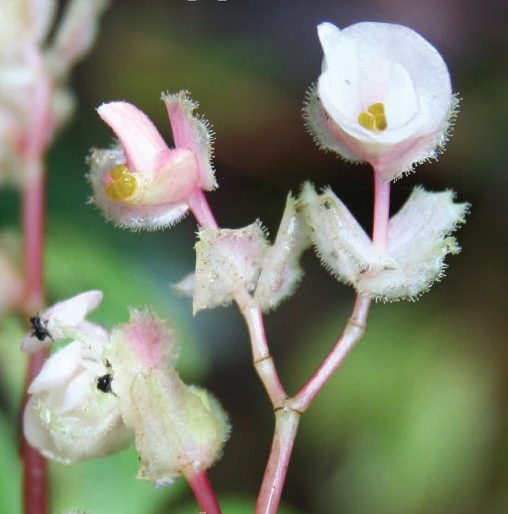
Not just a new species, but a new section, Begonia section Oligandrae, which is endemic to the highlands of New Guinea and comprises five species. This section provides…
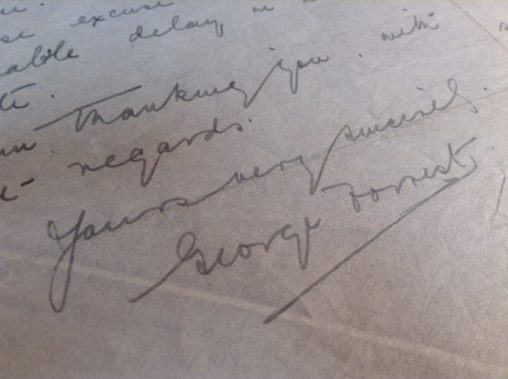
Pauline Maclean, an RBGE Volunteer, writes: “… By now you must be aware of the fact that I am no writer. As a practical worker I am a…
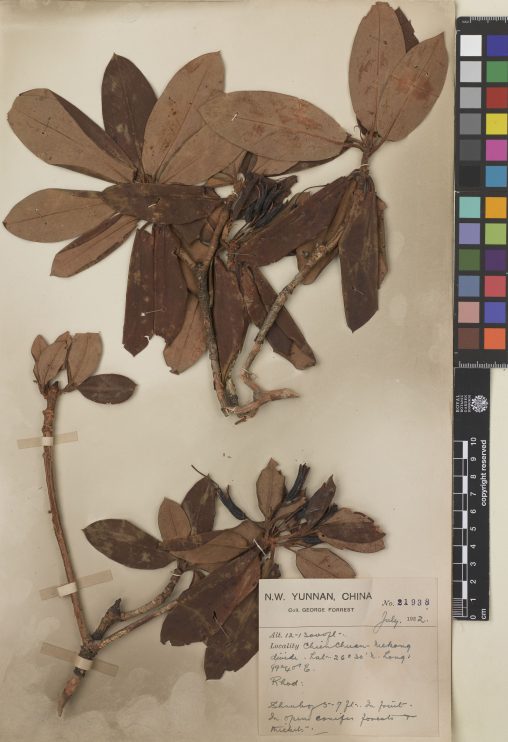
George Forrest was a prolific plant hunter; it’s estimated that here in the herbarium there are around 31,000 pressed plant specimens collected by Forrest and his team of…
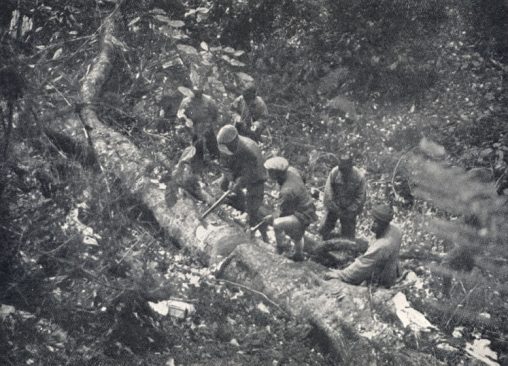
Plant Collector George Forrest (1873-1932) introduced over 300 new rhododendron species to Britain but one in particular dwarfed all of these, Rhododendron protistum, which is represented in our…
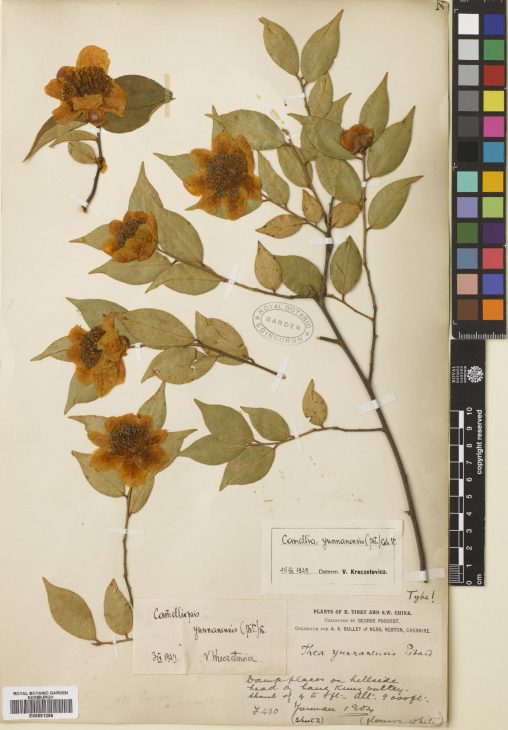
George Forrest was first sent to China in 1904 by the Regius Keeper Isaac Bayley Balfour. On this and six subsequent expeditions Forrest collected prolifically in NW Yunnan,…
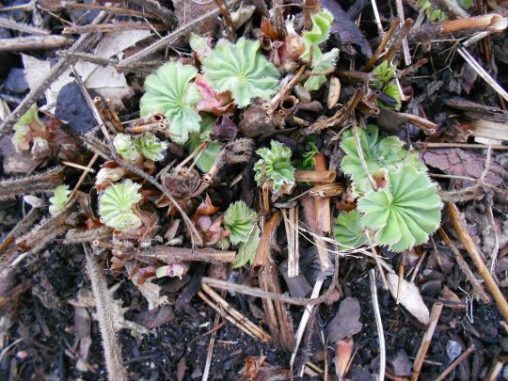
At this time of year wild fluctuations in air temperature are often experienced. Over the weekend, a high of 14.8oc was recorded at the Garden. The following two…
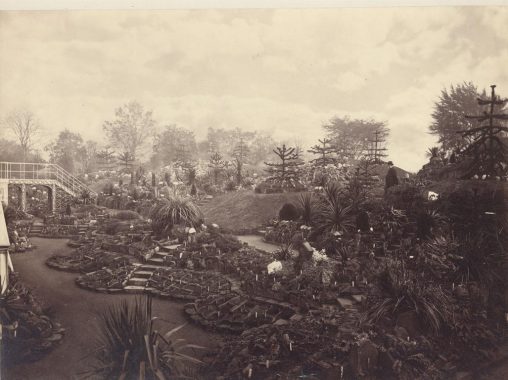
It was difficult to spot there even was a figure in a Victorian photo of the RBGE Rock Garden which was transferred to the Archives last week, and…
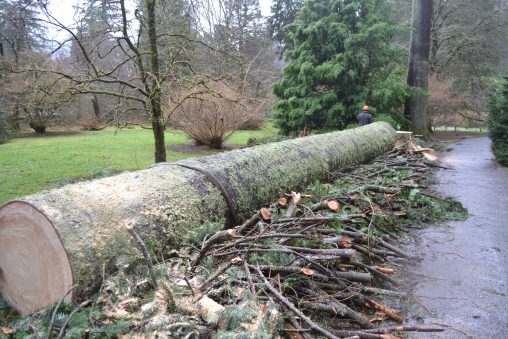
Last monday (2nd March 2015) I headed across to Benmore Botanic Garden with Martin Gardner & Nye Hughes (designer and web developer at Dalrymple), while there I saw…
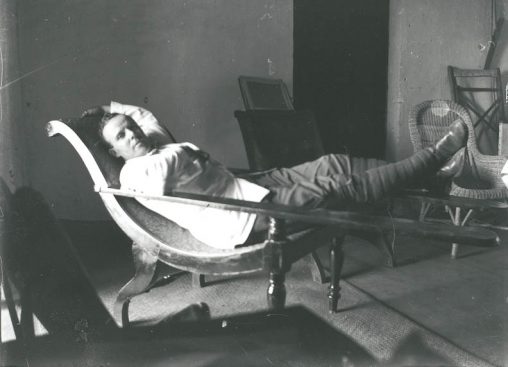
Let me tell you about a hero of mine, and the focus of one of the most requested collections stored in the Archives of the Royal Botanic Garden…
An apt name for a flower that bursts into colour at the start of the growing season. Iris ‘Vivacious Beginnings’ is one of several cultivars new to the…
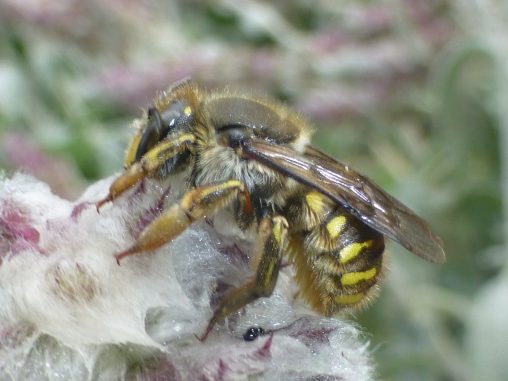
Watching bees visitng flowers is something to look forward to in the run up to spring. Their choices are far from random and they will specialise in whatever…
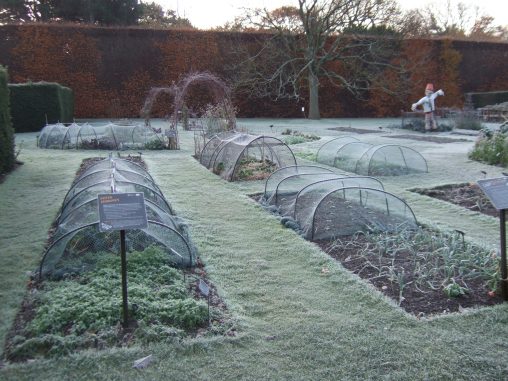
March heralds the start of the spring however in Scotland the weather can still be very cold and frosty. Gardening books and seed packets give a range of…
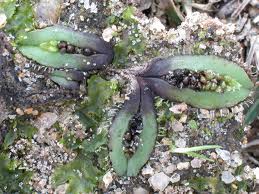
The complex thalloid liverworts, or Marchantiopsida, are one of the oldest land plant lineages, and contain a bewildering array of morphologies, ranging from comparatively simple plants like Blasia,…
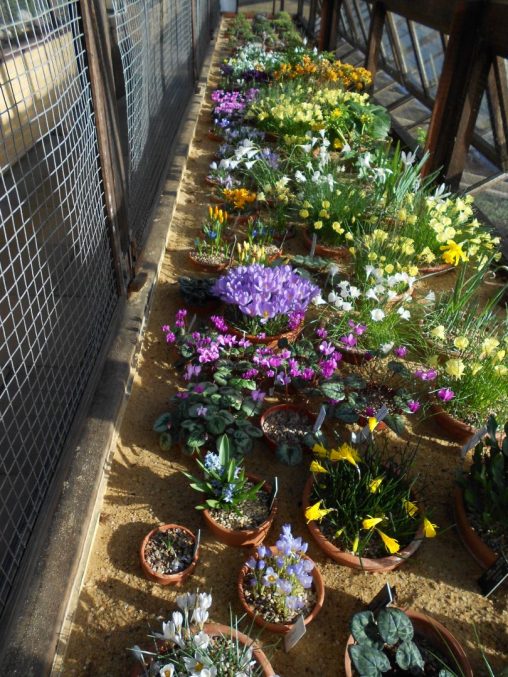
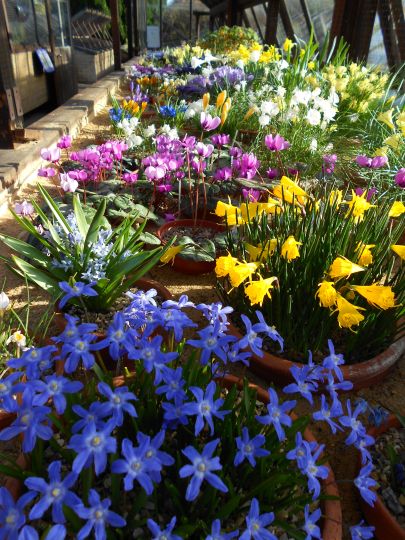
The sand bench within the alpine house contains a swathe of colour. Spring bulbs in full bloom are always a welcome show after the winter. Yellow, the predominant…