
Page 75 of 127
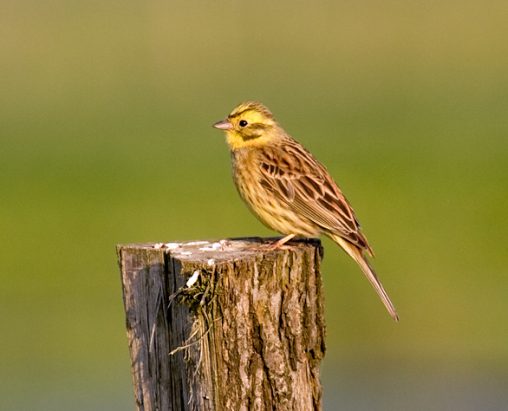
On 3 January 2015, Gavin Powell, one of the RBGE Visitor Welcome team, spotted an unusual bird with bright yellow head perched on brambles opposite the Cryptogamic Garden….
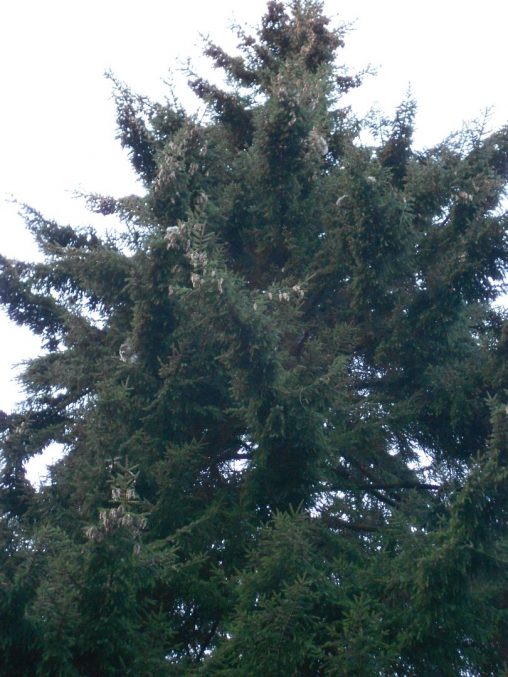
Carpeting the ground beneath Picea orientalis are the remains of cones that have been stripped of seed by the Gardens grey squirrel population. They have systematically worked their…
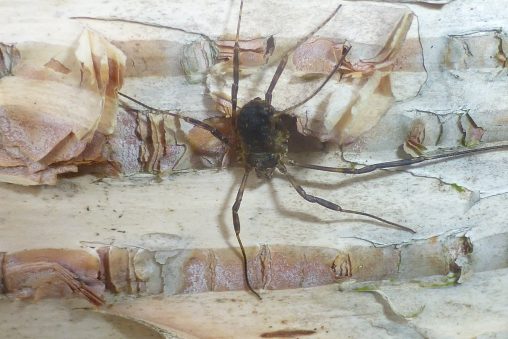
December 2014 was a month of varied weather, starting rather cold but sunny with some slight frosts, with a wetter, stormier period in the middle of the month,…
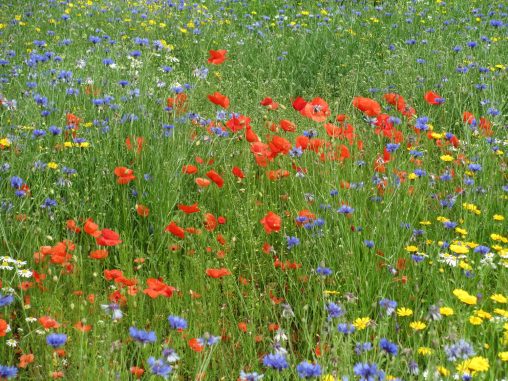
To mark the centenary of the First World War, the Royal Botanic Garden Edinburgh has created a poppy meadow at our Edinburgh garden. The meadow, located on the…
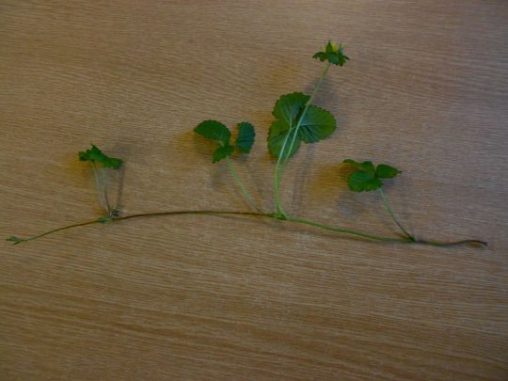
Duchesnea indica carries an interesting berry resembling a miniature strawberry. This invasive stoloniferous ground covering plant was introduced from Taiwan where it was growing in sub-tropical rainforest. Quite…
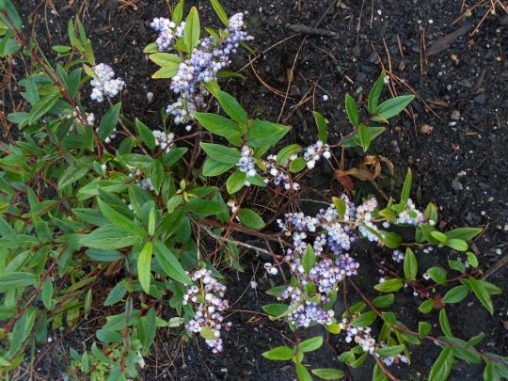
On the peat walls is a specimen of Gaultheria semi-infera native to western China and the Eastern Himalaya; where it was found growing at 2900metres in the Arun…
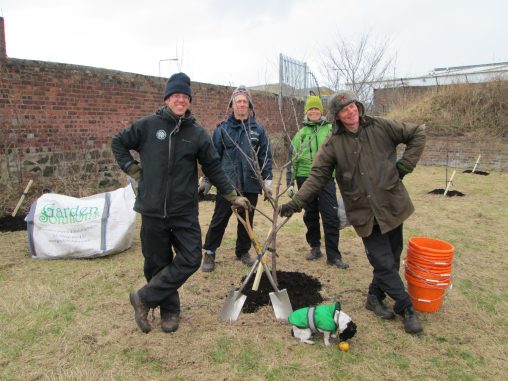
Happy New Year! Jobs in the garden at any time of the year are weather dependant. If you are planning activities then it is a good idea to…
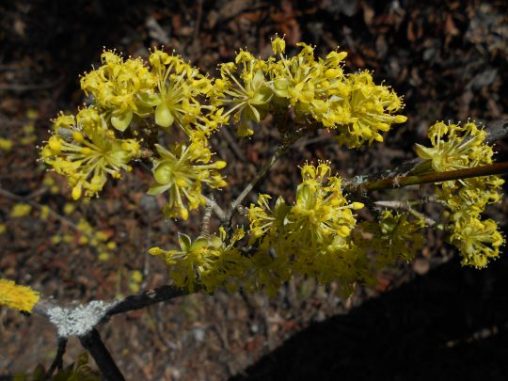
The forecast New Year’s Day storm did not materialise, allowing the Castle fireworks to herald in the start of 2014 with a great colourful spectacle. Storms blew in…
As the year comes to an end we wish everyone who has been involved in reading and writing stories about the Botanics in 2014 a Merry Christmas and…
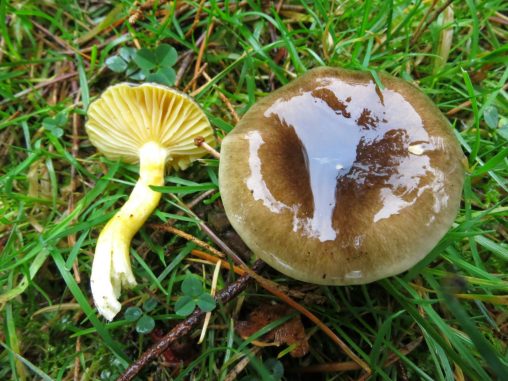
The appearance of Hygrophorus hypothejus– commonly known as The Herald of Winter- traditionally signals the beginning of winter and the end of the mushroom season. Hygrophorus mushrooms- commonly…
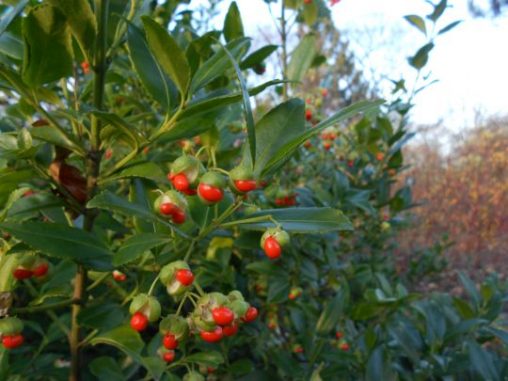
Euonymus spraguei is a recent introduction from Taiwan, found growing in cool temperate coniferous forest from 1100 – 2800m in association with Chamaecyparis formosensis, Pinus armandii, P.taiwanensis, Tsuga…

Three months into the contruction phase of the project, elements of the Botanic Cottage are now really starting to take shape. It’s wonderful to see the outline of…
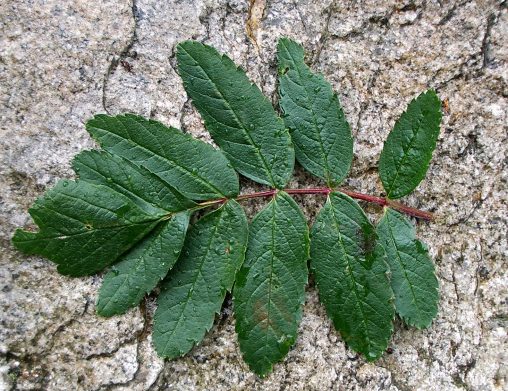
The trees planted adjacent to the coffee shop at the East Gate Lodge include three species found only on Arran on the west coast of Scotland. The origin…
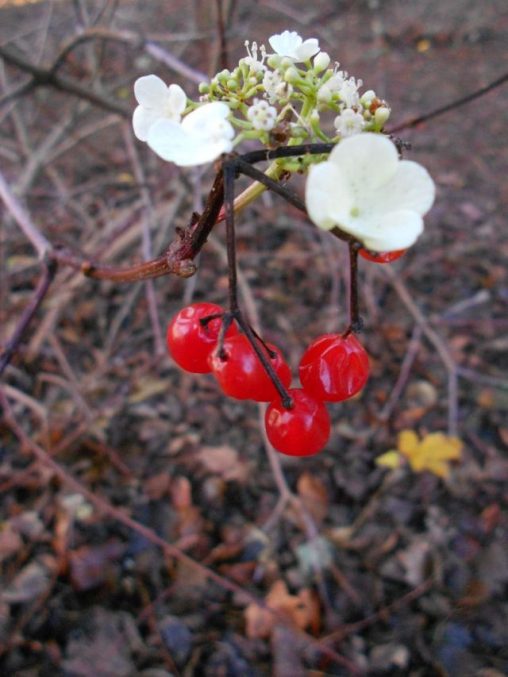
The glossy red berries of the Eurasian Viburnum opulus are a treat for bird life at this time of year. This plant is also trying to send out…
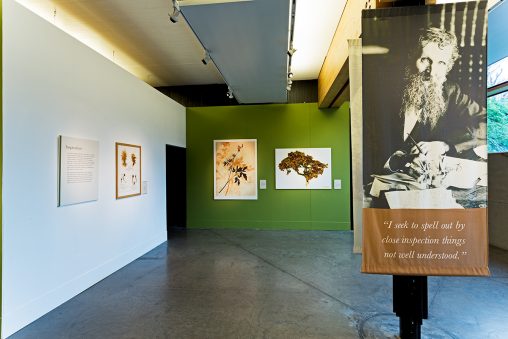
This year is marks the centenary of the death of one of America’s foremost conservationists; the Scots-born John Muir. Still remembered for his understanding of the need to…
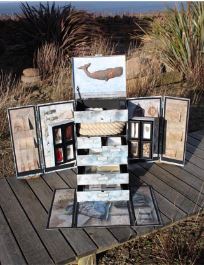
We are very excited to be hosting a unique artwork by Caithness artist Joanne B Kaar in the John Hope Gateway this December. The artwork, which was inspired…
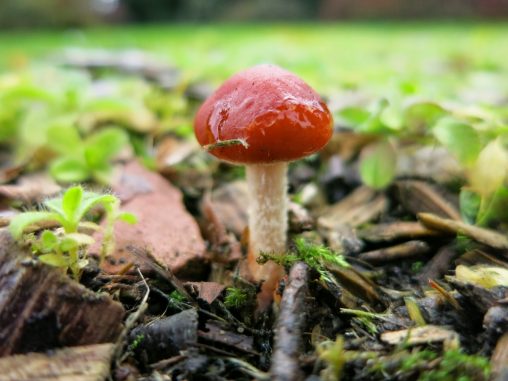
Leratiomyces ceres is a common and easily recognised fungus which can be found throughout the Botanics from summer to late autumn. It grows mainly on woodchip mulches but…
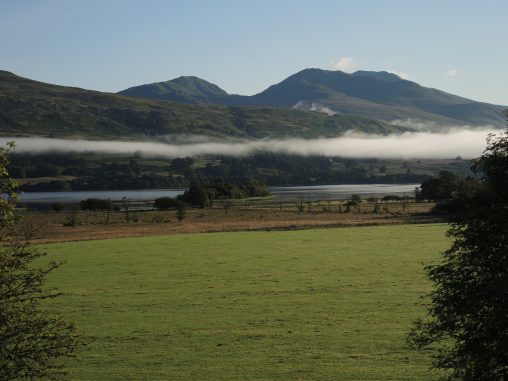
Bryologists at RBGE are actively engaged in recording bryophytes (mosses, liverworts and hornworts) in Scotland, and 2014 turned out to be an eventful year, when we made two…
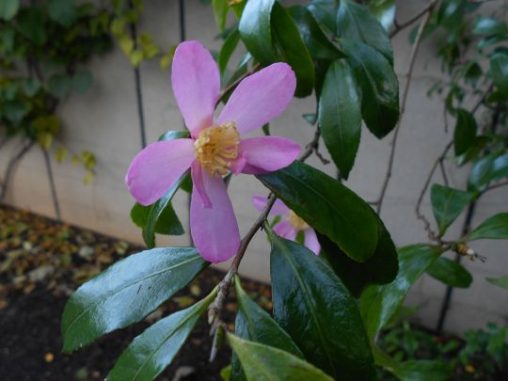
Camellia sasanqua, an evergreen bush itself is tucked away beneath an even greater evergreen behemoth. Yet even in this shady situation opposite the arid land house managing to…
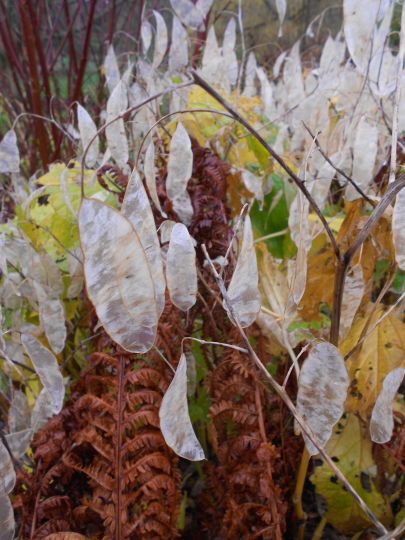
Just as the dampness of the short days creeps into our bodies so does the fabric of the plant world slowly decay. These images of seed pods illustrate…