
Page 98 of 127
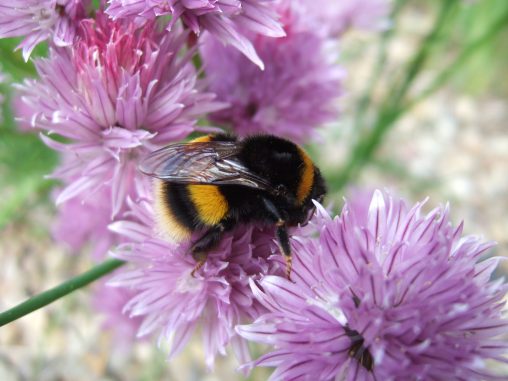
This week is Scotland’s Nature Festival, a celebration of Scotland’s wildlife and landscapes. Growing fruit and vegetables can sometimes feel like a battle against nature. There are hundreds…
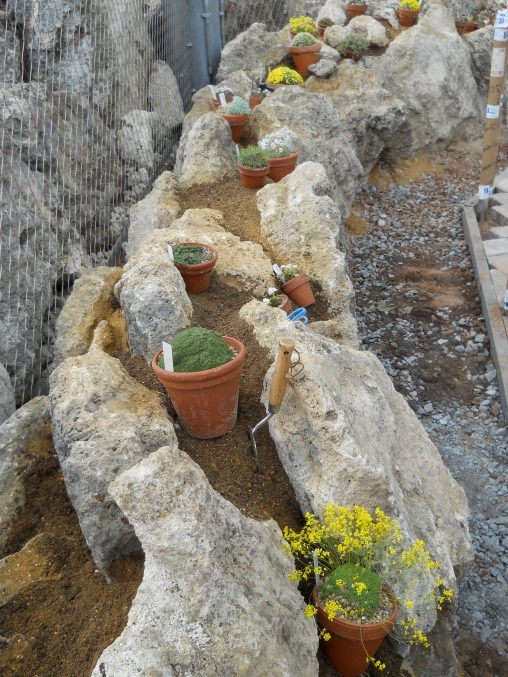
An exciting new development has been realised after nearly a decade of careful planning, design work, fundraising and plant collecting. The dramatic ‘tufa house’, which opens to the…
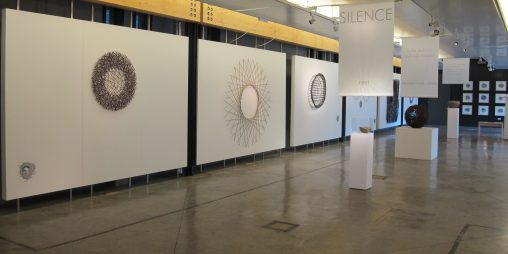
I was delighted to hear that the runner up in the Callum Macdonald Memorial Award for pamphlet poetry was recently announced as Roncadora Press for Nest. Nest was produced as…
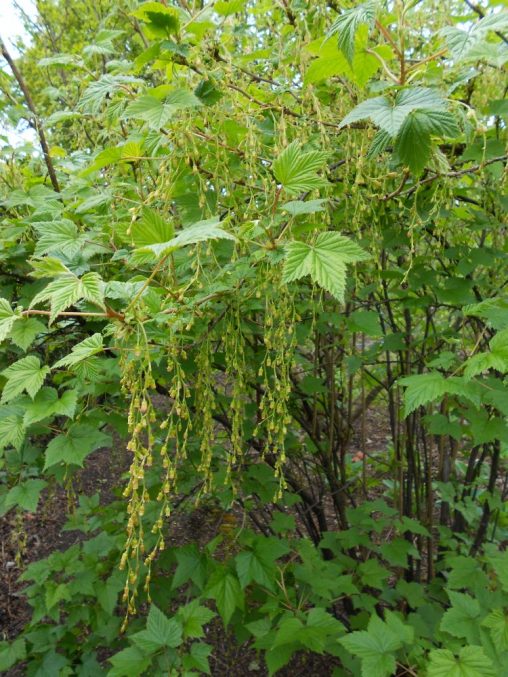
The genus Ribes includes the species that provide red, white and blackcurrants, also showy species of spring flowering shrubs that are found in many gardens. Ribes longeracemosum tucked…
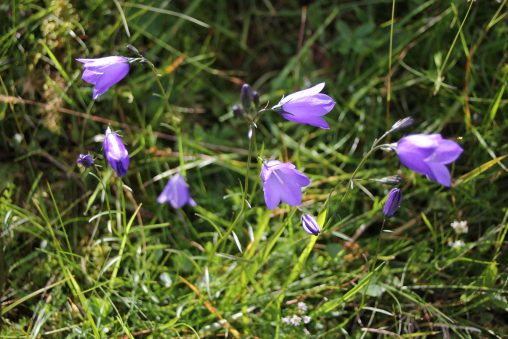
For the year of Natural Scotland, RBGE has launched the Big 5 survey to find the nations favourite plant, tree or shrub. We have short listed popular plants…
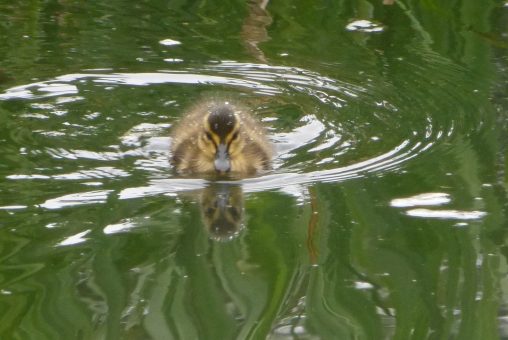
A brood of Mallard ducklings hatched on the main Pond at the end of last week. On Friday I counted about seven but I only saw about half…
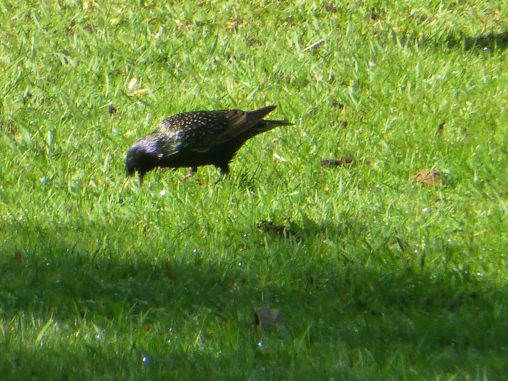
On Friday I saw three Starlings (Sturnus vulgaris) on the lawn west of the Pond. This rather grainy out of focus image taken from quite a distance away…
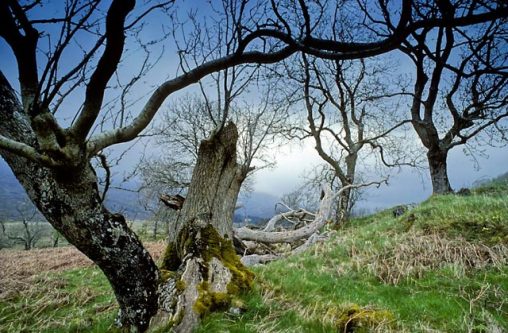
As part of the Moving Forward from Ash Dieback project we decided to search for a poem that would help people consider the value ash has in our environment…
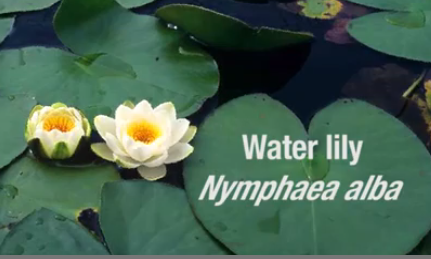
This is the promotional video for Scotlands Big 5 Plants. As part of The Year of Natural Scotland, the Royal Botanic Garden Edinburgh is championing biodiversity and…
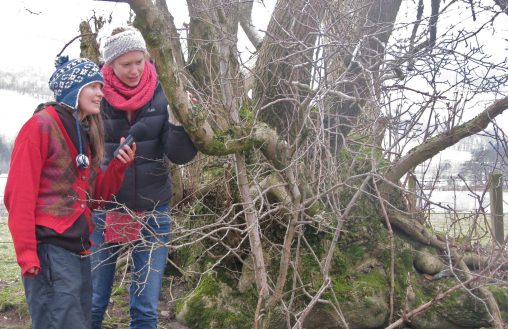
Disease is a normal part of nature. But in recent years there has been a considerable increase in the number of new pests and diseases affecting Scottish trees….
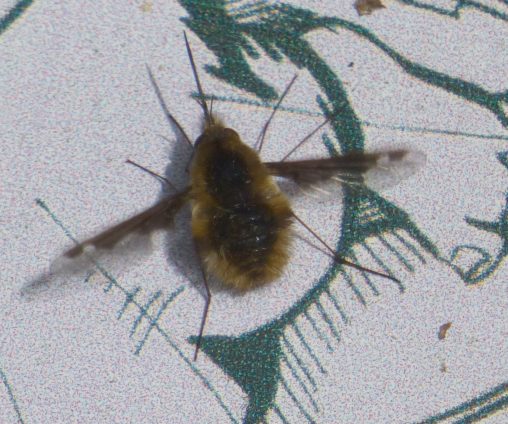
This Greater Bee-fly Bombylius major was seen hovering above the Scottish Heather information panel in the Scottish Heath Garden at lunchtime today. It finally settled on the panel…
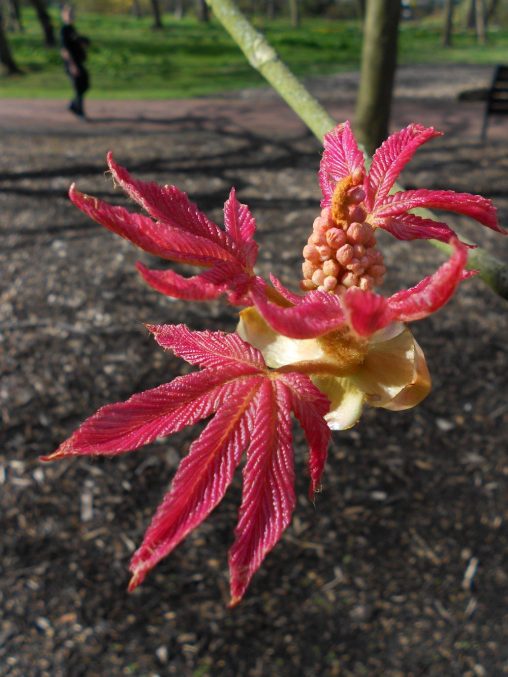
Opening in a blaze of glory in late April the foliage of Aesculus turbinata was as red as hot embers in the centre of a November night bonfire….
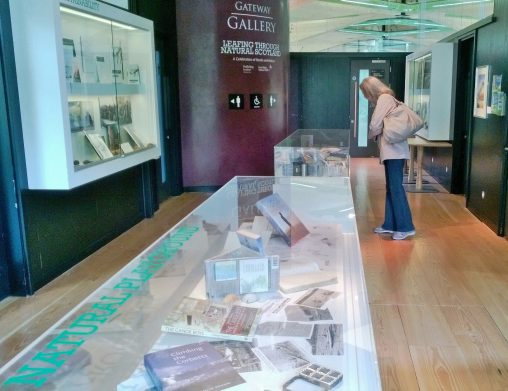
Over the last few months I have been working with Publishing Scotland to develop an exhibition and book festival at the Royal Botanic Garden Edinburgh (RBGE) to celebrate books and…
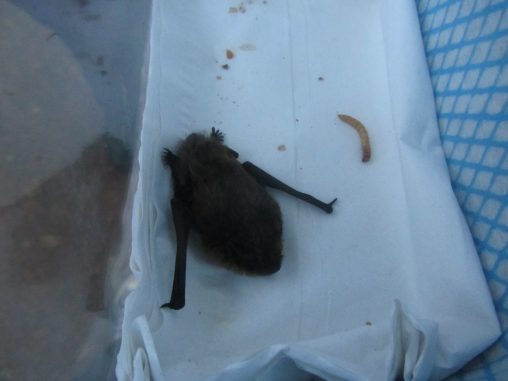
Local bat experts released a Soprano Pipistrelle bat, Pipistrellus pygmaeus, in the Garden on Saturday 11th May. The bat had been discovered by Robert Unwin on 12th April….
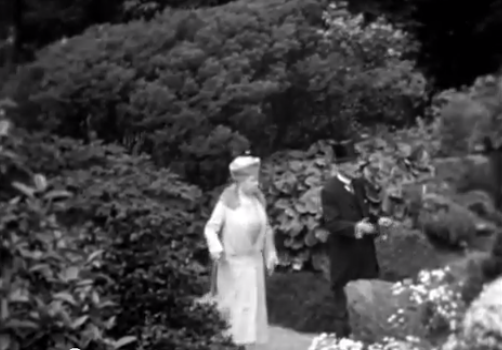
This footage was found on a reel of 16mm cine film amongst our film collection which we thought consisted mainly of footage shot by plant collectors in the…
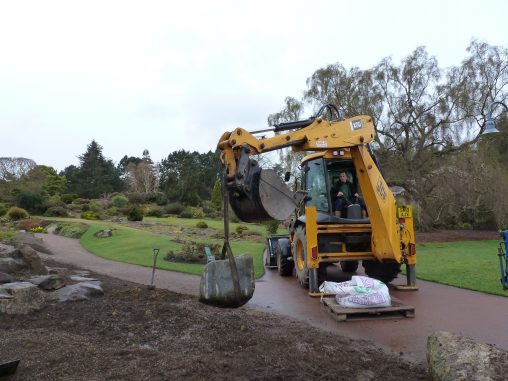
After a few weeks of hard work, landscaping the site where we are creating a new display of Scottish native plants, we have got to the exciting point…
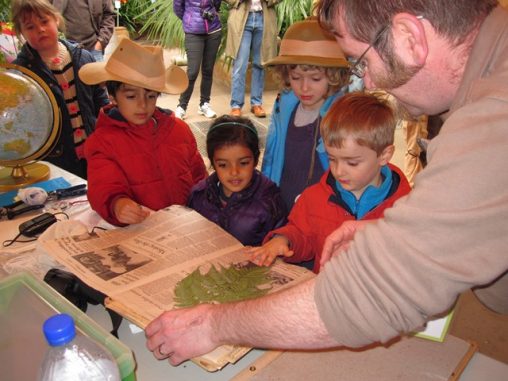
During Edinburgh International Science Festival 2013 the Botanics ran an activity trail for the public themed around plant collecting in Malaysia. The trail, called Expedition Botanics, ran for…
It might not feel like it today, but we had a wonderful warm sunny day in the Garden on Tuesday 7th May. During an early morning bird walk…
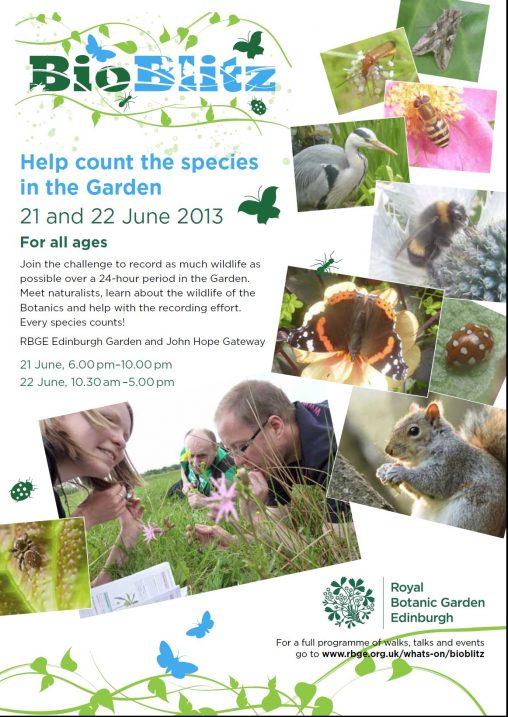
Posters advertising the BioBlitz will soon be appearing all around the Garden and in local shops, libraries etc. Look out for them and tell your friends. They’ll look…

Have you heard about the BioBlitz that is taking place at the Botanics on Midsummer Evening Friday 21 June and all day during Garden opening hours on Saturday…