
Category: Edinburgh BotanicsPage 27 of 50
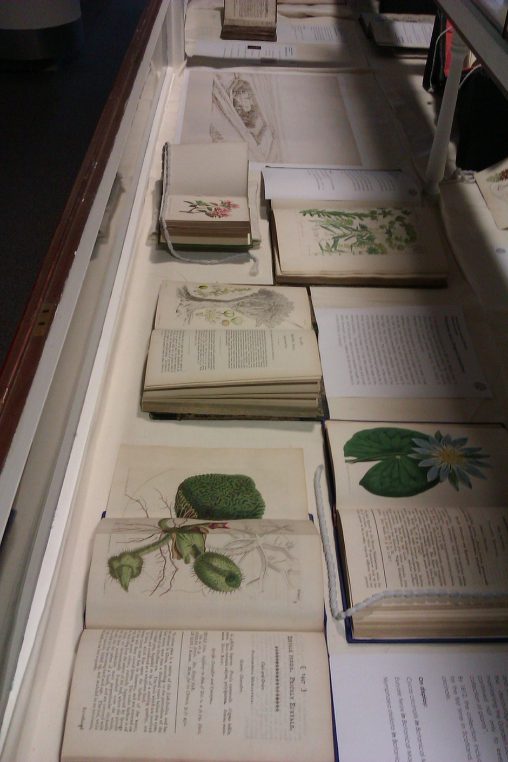
The new display in the Library Foyer provides a whistle-stop tour of the history of the Garden with illustrations from the Library and Archive collections of plants that…
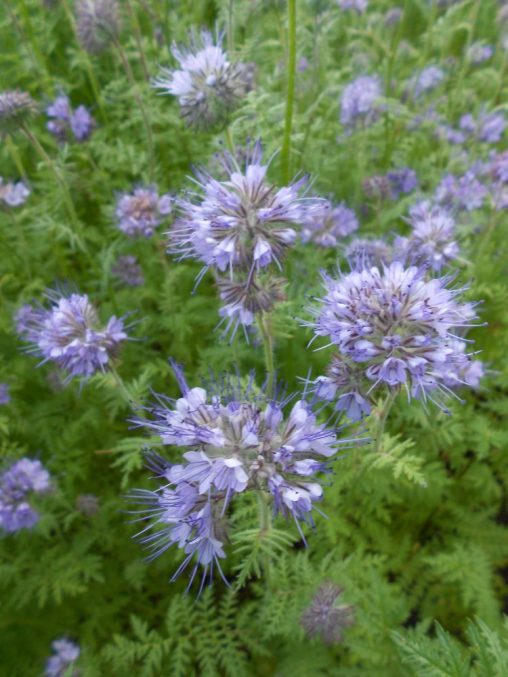
Phacelia tanacetifolia in full bloom on a patch of redundant ground is as rewarding a sight as you will see anywhere. Loved by pollinators due to the nectar…

For four months, The Royal Botanic Garden Edinburgh has been hosting poets in residence in each of the Gardens. This month Mandy Haggith has been our poet in…
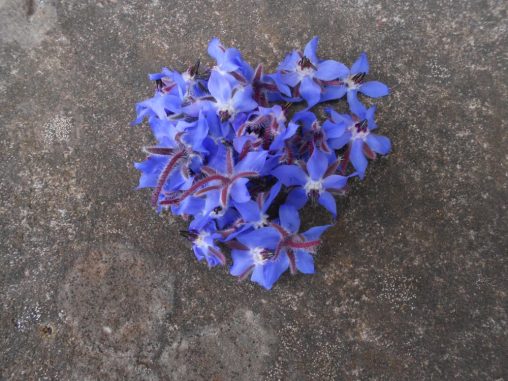
Hot days, shady spot in the garden, jug of refreshment on the table. The flowers of Borage, Borago officinalis are deemed an essential addition to long fruity beverages….
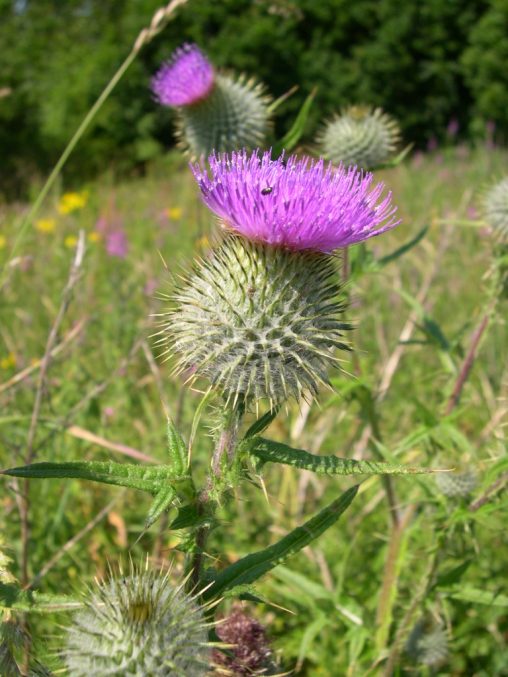
With our Big 5 survey running until October, we have finally reached 1000 votes! Voting is still underway and there is still time to vote for your favourite…
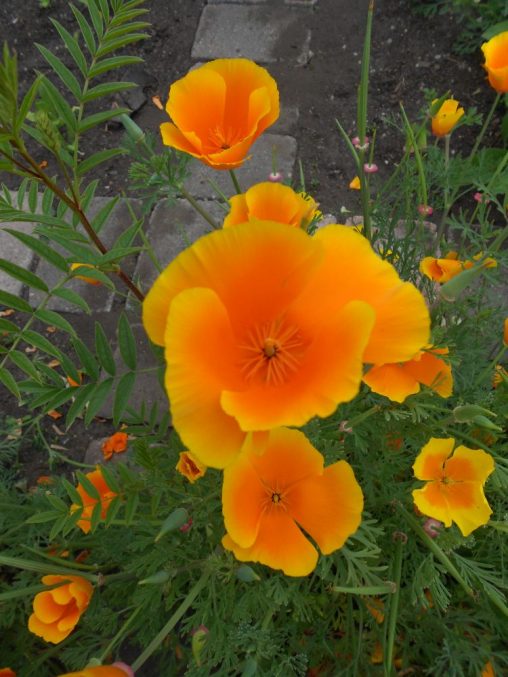
Mediterranean and warm temperate species are taking advantage of this prolonged spell of hot dry weather to flower. We are observing an exceptional amount of flower on the…
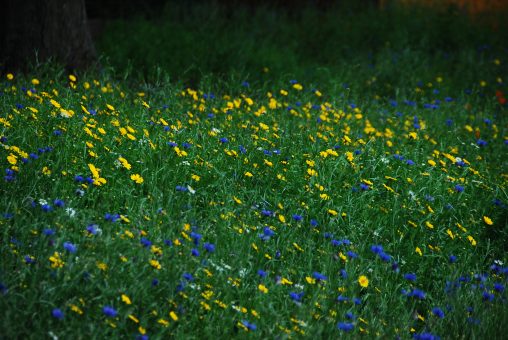
A recent report published by PLANTLIFE (Still & Byfield, 2007: available here.) begins, “Arable flora is the most threatened group of plants in Britain today”. Arable weeds which…
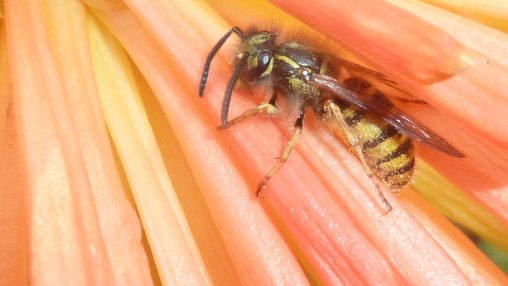
This is one of the richest areas of the Garden for wildlife. In the whole Garden, more than 460 animal species (mostly invertebrates such as insects and spiders)…
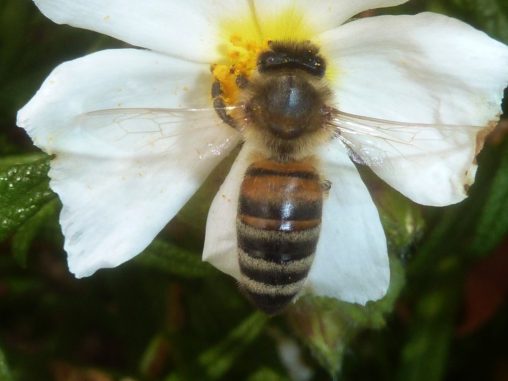
According to Horticulture Week, one-third of world food production and 87.5% of all flowering plant species on Earth depend on pollinators. Albert Einstein is credited with saying, “If…
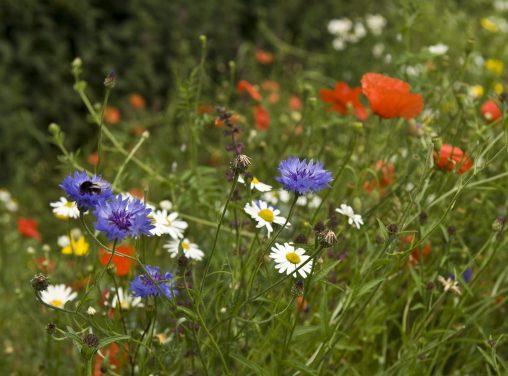
Why not create a wilderness area in your own garden? For information see these two publications by PLANTLIFE: Grow Wild – Native flowers in your garden and Create…
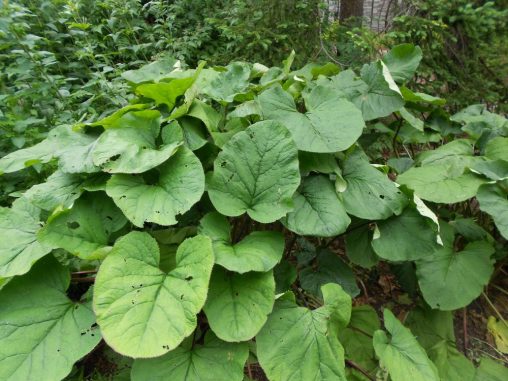
Sun wilt causes consternation when, on a warm day, leafy herbaceous stems flop. During the evening as the temperature drops the turgidity of the stems returns. The attached…
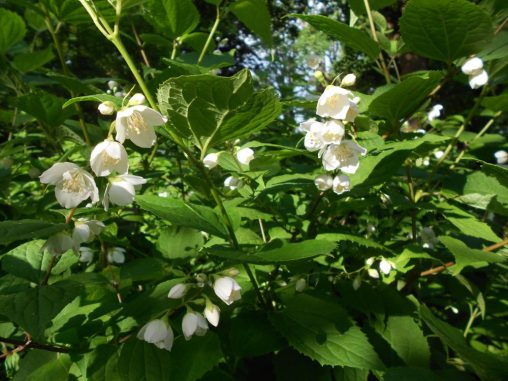
Tomato breeders eat your heart out; a naturally occurring square flower. Philadelphus schrenkii a native to Eastern and Northern Asia is flowering profusely in the Biodiversity Garden. Vigorous…
Giant Water Lily Victoria amazonica Family: Nymphaeaceae Description: The upper surface has a rather quilted appearance. The purplish-red under surface has a network of ribs, clad in abundant…
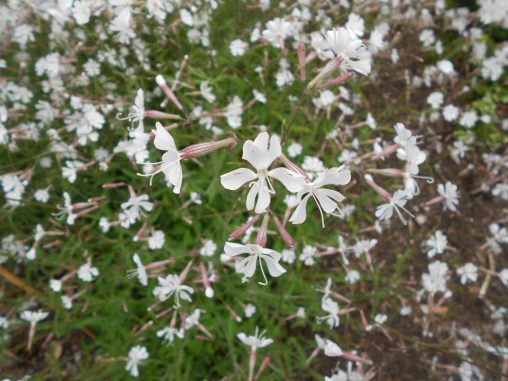
On the hot hillsides of Crete Elspeth saw the potential of Silene italica. A feature of the Mediterranean macchi or its poorer relative the garigue scrub vegetation it…
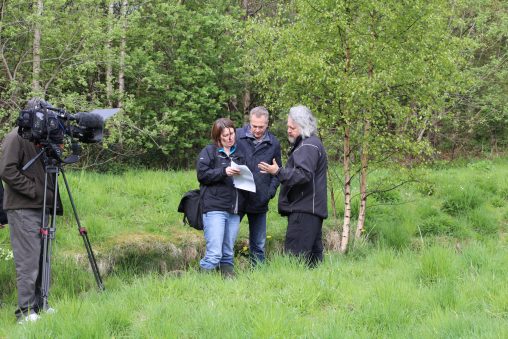
[polldaddy poll=6923122] Over the last couple of weeks we have had the privilege of BBC2 Landward filming in The Royal Botanic Garden Edinburgh. With the programme running over…
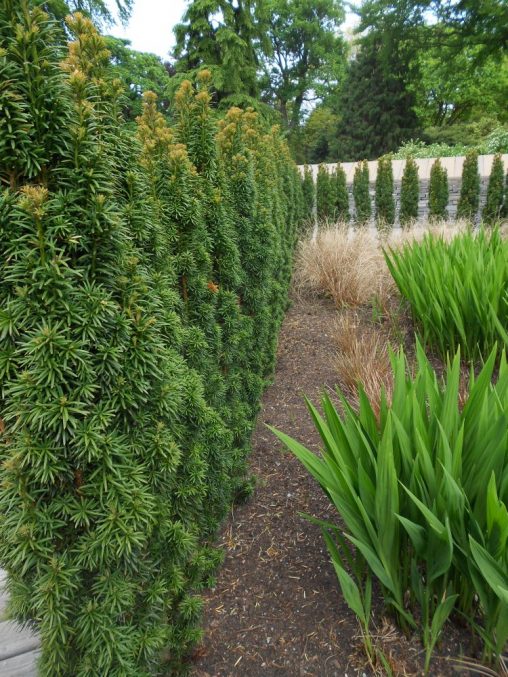
Now is the time to be cutting hedges for the first time this season. Where a formal appearance is required then trim using sharp hand shears. The fastigiated…
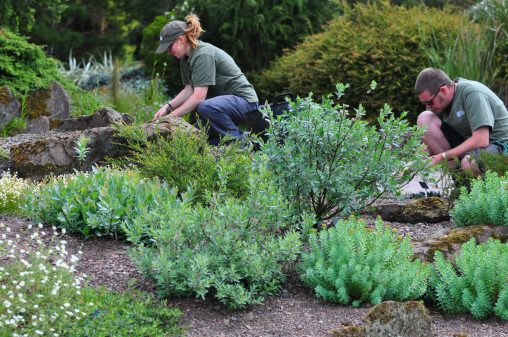
The recent warm weather has pushed on all our recently pricked out seedlings, so we have been able to get more plants out into the developing bed of…
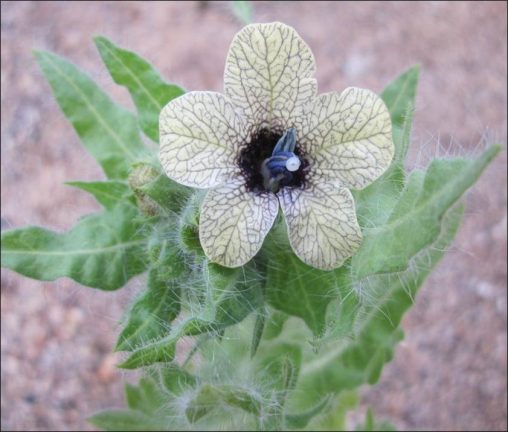
We have a small planting of Hyoscamus niger (Henbane) that has just started flowering in the Target 8 bed. As a biennial it takes two years to flower,…
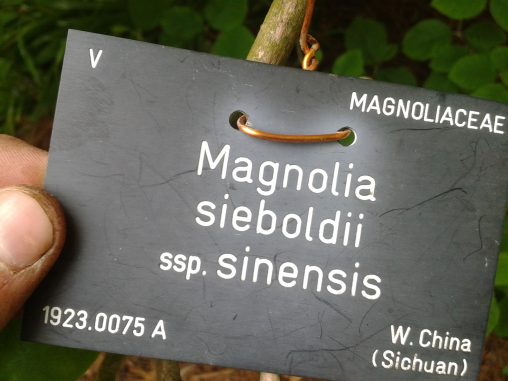
This beautiful Magnolia sieboldii ssp. sinensis is currently flowering in the copse area of RBGE. Click photos to enlarge.
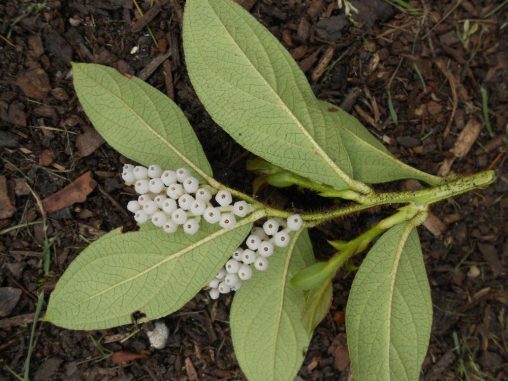
Gaultheria hookeri, a mass of prostrate evergreen twiggy growth that covers mountainsides and as undergrowth to Rhododendron species in the Himalayas and Western China. It is now flowering…