
Page 58 of 127
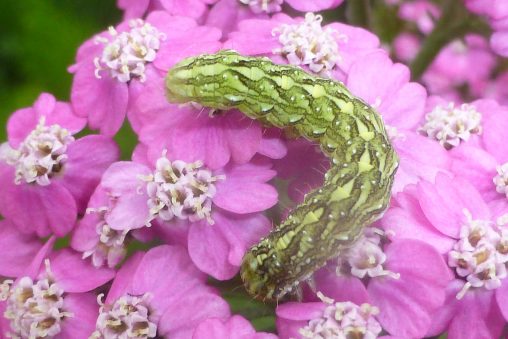
Yesterday morning I came across a caterpillar on a flower-head of Yarrow (Achillea millefolium) ‘Fire King’ in the Herbaceous Border. It had a very complex patterning along its…

Botanical names have a tendency to be utilitarian, geographical or commemorative, but very rarely are they whimsical. In 1964 however, Per Wendelbo described a new species of Scrophularia,…
Looking for a splash of colour in the border? Trollius chinensis ‘Gold Queen’ could be the plant you are looking for. An herbaceous perennial growing to a height…

Nordic ‘alimentation noire’: a culinary experiment, RBGE Canteen, 29 June 2016 (a continuation of Franklin Arctic Canadian Collections at RBGE – Part 1). What did the ‘tripe de…

The story and fate of the fourth of Sir John Franklin’s expeditions in search of the North-West Passage, on the ships Erebus and Terror in 1845–8, is well…

The Battle of the Somme commenced at 7:30am on the 1st July 1916, an offensive lasting for 141 days of blood, mud and horror. The first day stands…
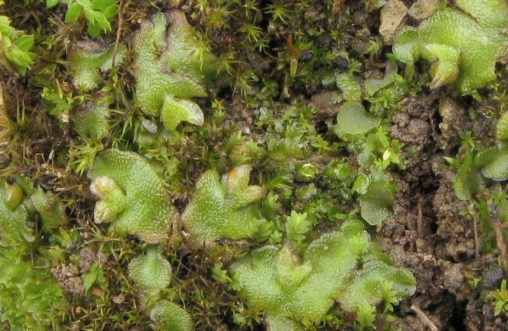
The genus Aitchisoniella contains a single species, A. himalayensis, which was described by Pakistani botanist Professor Shiv Ram Kashyap from plants that he collected in Mussoorie, Uttarakhand, India…
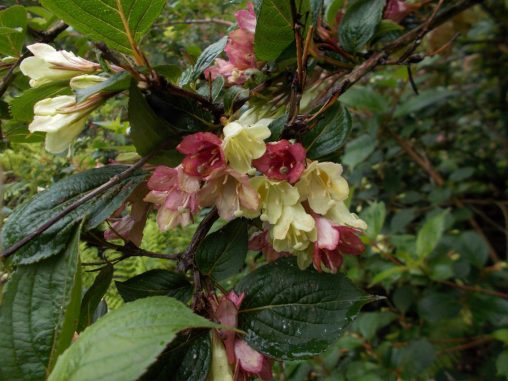
Weigela decora collected in Japan from an area of dense mixed forest containing Cryptomeria japonica and Stachyurus praecox, these were huge parent plants spreading and reaching 4m x…
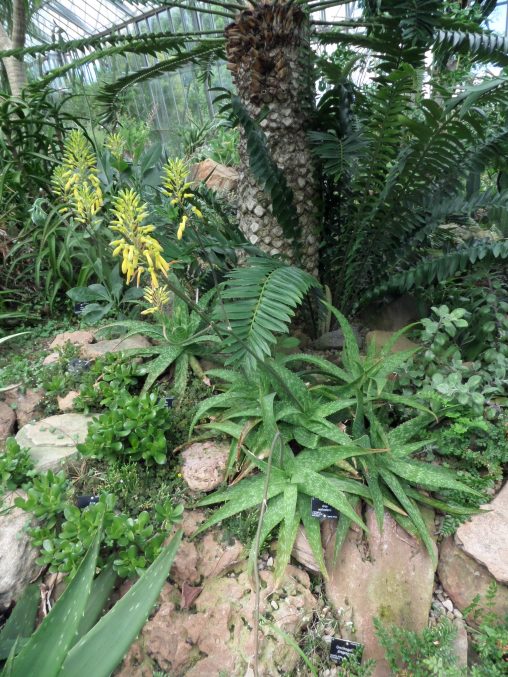
Currently flowering in the Arid Lands house at the Botanics is the Kenyan endemic Aloe springatei-neumannii. This species was described in 2011 from south-western Kenya by Leonard Newton…
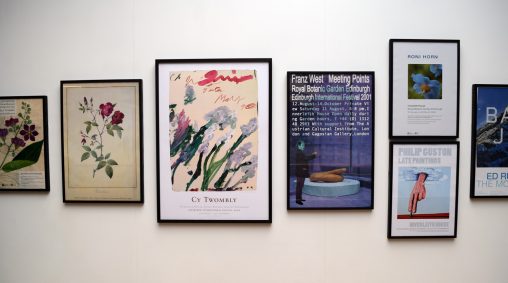
Inverleith House is celebrating three decades of contemporary art and botanical exhibitions at the Royal Botanic Garden Edinburgh with a presentation of rarely seen posters and invitation cards…
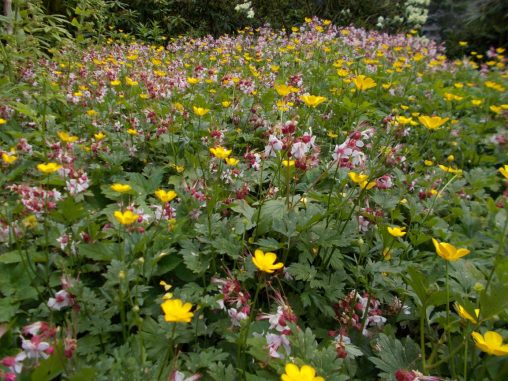
You study diligently, you consult books, you visit other gardens for ideas on colour and combination then a rampaging Ranunculus invades your border and the most appealing floral…
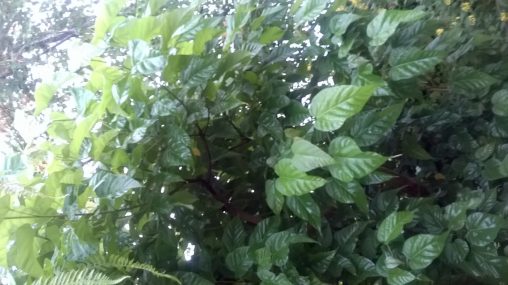
Annatto Bixa orellana Family:Bixaceae Description The snowy white flowers of Annatto make it an attractive ornamental shrub. The fleshy arils surrounding the seeds produce an orange-red dye, the…

Next month the Royal Botanic Garden Edinburgh will host the 10th International Flora Malesiana Symposium (11-15th July). This will bring together Taxonomists, Horticulturists and Conservationist to discuss the…
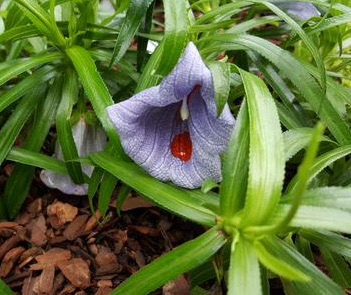
Sometimes it is the smallest plants that are the most intriguing. Displayed in the glasshouses, in-between other plants and rocks they can surprise you if you look closer….
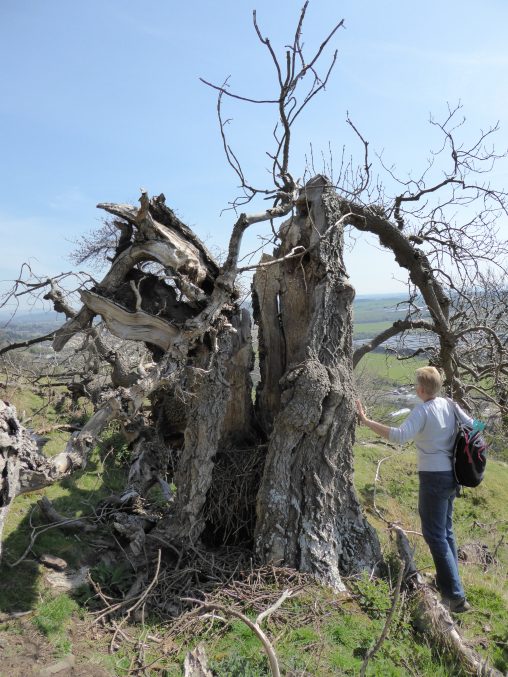
It is estimated that about 70% of Europe’s oldest trees are to be found in the UK. The Woodland Trust and Tree Register of the British Isles, have…
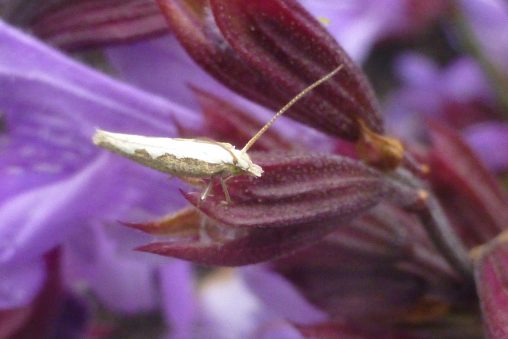
This year there has been an enormous migration of tiny Diamondback moths (Plutella xylostella) into Britain from the Mediterranean or farther south. Millions appeared along the south and…
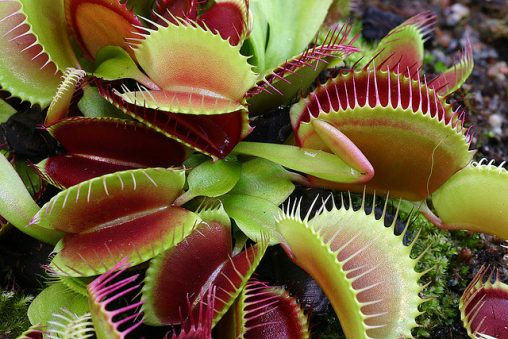
Venus flytrap Dionaea muscipula Family:-Droseraceae Description The Venus flytrap is a most remarkable and very recognisable plant. Its leaves are modified in an extraordinary way in order to…
May 2016 for the most part continued April’s rather chilly but dry theme. In the last few days of the month however, it seemed like summer began, for…