
Page 59 of 127
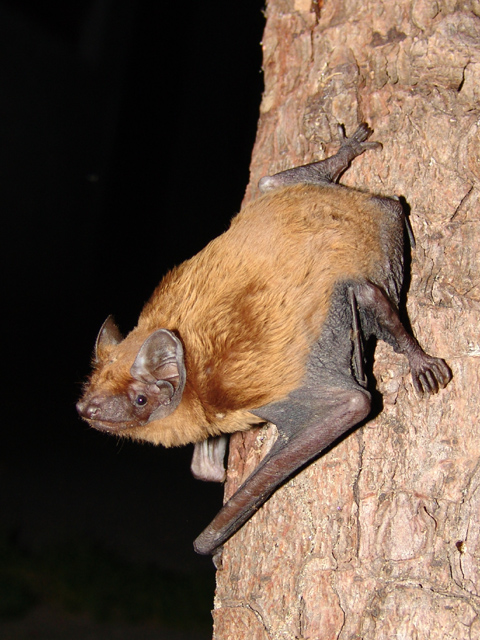
Leonie Alexander of Edinburgh Living Landscape writes: One of the best times to visit the Garden is after hours and on three recent consecutive nights I came…
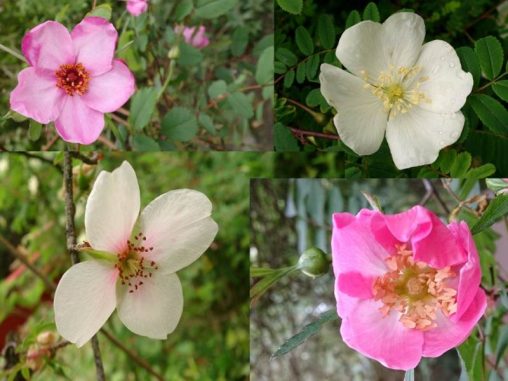
The Genus is just the start. As plants are collected in the field they arrive back at the Botanics with collectors notes; some detailed, some not so. These…
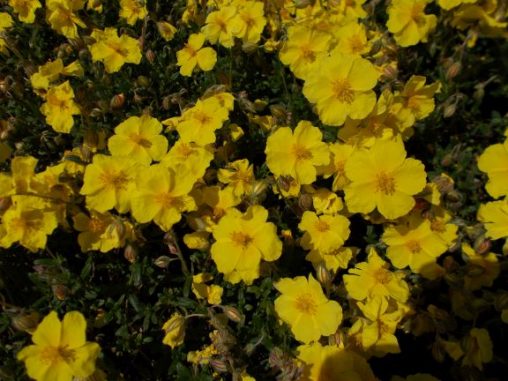
The sun filled days we have been experiencing have brought out the flowers on Helianthemum nummularium ssp. tomentosum to perfection. This subspecies is native to Italy, collected on…

Here at the Edinburgh Garden a team of staff from across the organisation are getting ready for our second assessment for a Green Tourism award in July. In…
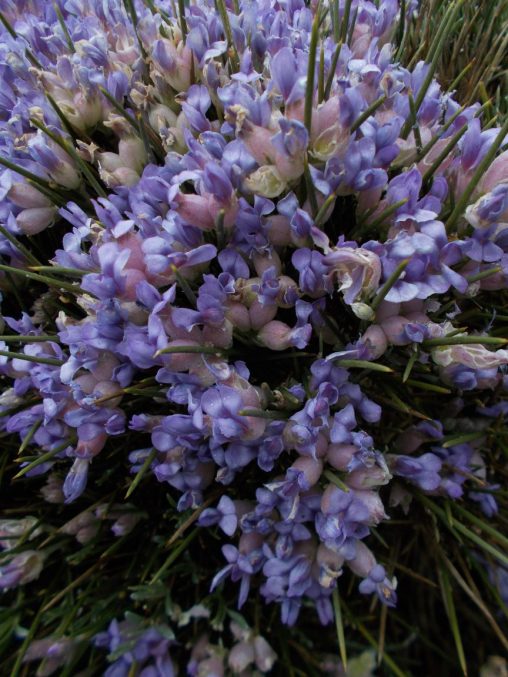
Erinaceae anthyllis grows in mountainous regions of Europe and North Africa. A hugging evergreen with sharp spines to protect from grazing animals. The blue tinged purple flowers cover…
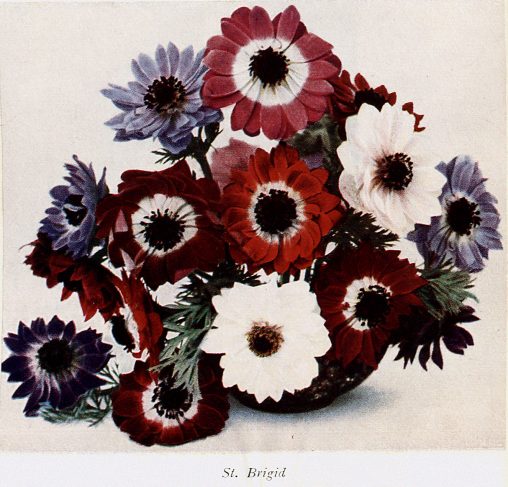
‘I like to plant something every day!’ Ruby Collett was in her eighties when she made this remark to a younger neighbour. A student probationer gardener at RBGE…
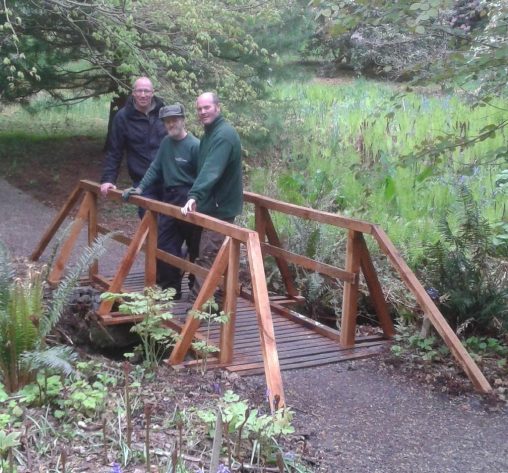
One of the finest assets of Dawyck Botanic Garden is the Scrape burn; it runs through the centre of the garden as it meanders its way to join…
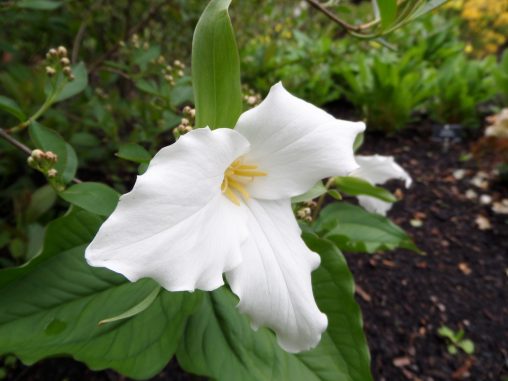
The Royal Botanic Garden Edinburgh is home to several Plant Heritage National Plant Collections including Trillium species and natural hybrids. Trillium are found in the woodland garden at…
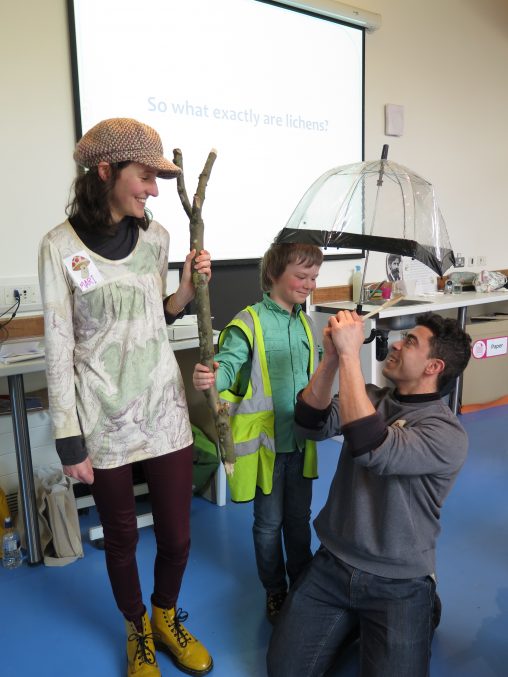
Lichens are extraordinary organisms. Easily overlooked, and often un-noticed by many people, lichens colonise trees and many other surfaces (walls, pavements, railings) in our urban areas. Did you…
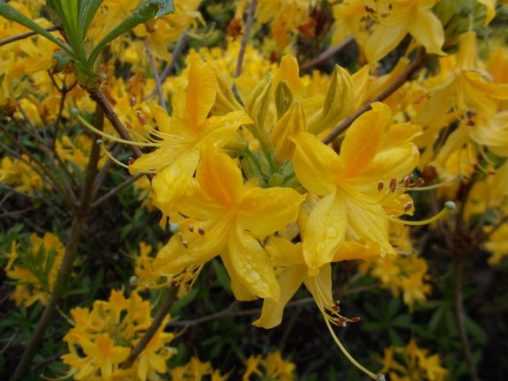
The Azalea collection is blooming. One of the best on the bank is Rhododendron luteum, reliable to flower, full of mid yellow blooms and the scent drifting through…
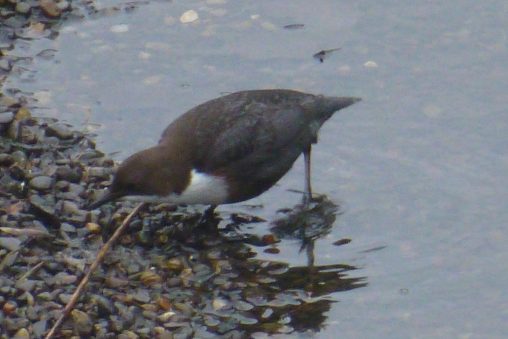
April 2016 was rather dry except for one really wet day. However, apart from some days mid-month, it was distinctly chilly, and snow or sleet fell, at least…
Congratulations on completing your Lichens – Making the Invisible Visible Air Pollution Survey We hope you enjoyed the experience and that through exploring your local area in new…
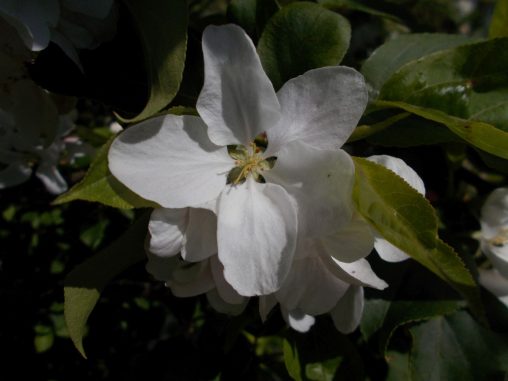
Growing in the nursery is a fine, sturdy young specimen of Malus sieversii. A native to Central Asia and known to be the wild apple that apple breeding…
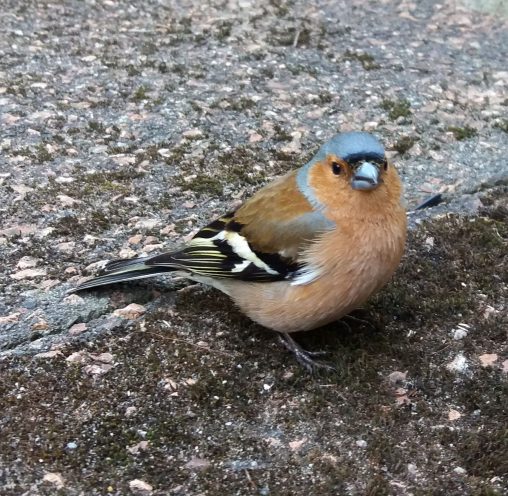
On the 5th April the Garden offered a special Spring Bird and Garden Walk. Tamar Duncan, Visitor Welcome Team, Pamela and Cathy our expert Garden Guides led the…
Plant diversity does not have to be far-flung and exotic to be worth studying; even within Scotland, there are unanswered questions about plant distributions. Growing in our towns and…
We are currently hosting an exhibition ‘New for Old’ which presents the outcomes of craft exchange and collaboration between eight Thai craft makers, and four Scottish craft makers…

Inverleith House As Inverleith House celebrates its 30th anniversary this year, we have been looking back into our own exhibitions archive and beyond when the house was the…
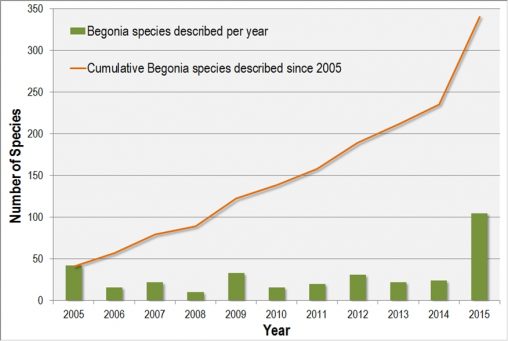
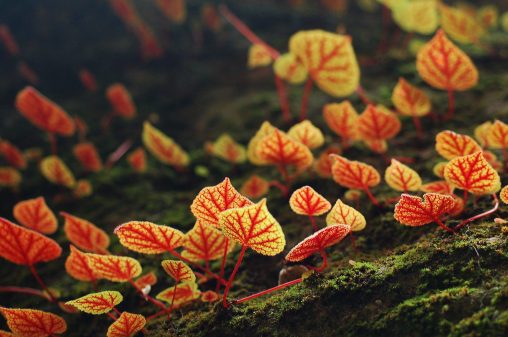
Thirty species were described as new to science at the Botanics last year, each of them now recognised as a unique and beautiful part of our green planet….
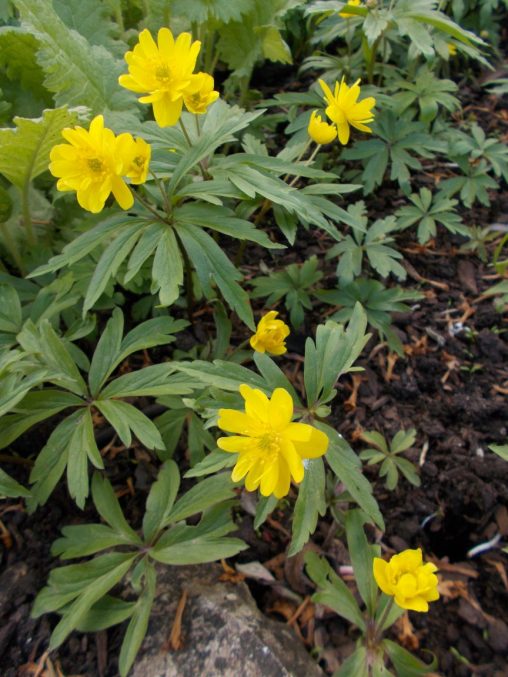
Anemone ranunculoides a spring flowering native that carpets open woodland. The long spindly stems arise from delicate rhizomes that colonise moist organic soil. Atop these spindly stems are…
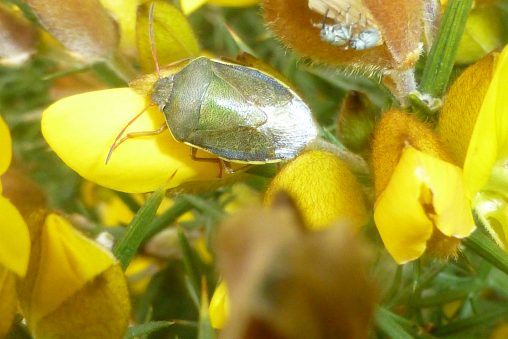
On 14 April I photographed Gorse Shield-bug, Piezodorus lituratus, on a gorse bush at the edge of the Scottish Heath Garden in RBGE. The following weekend I was…