
Author: Max ColemanPage 7 of 10
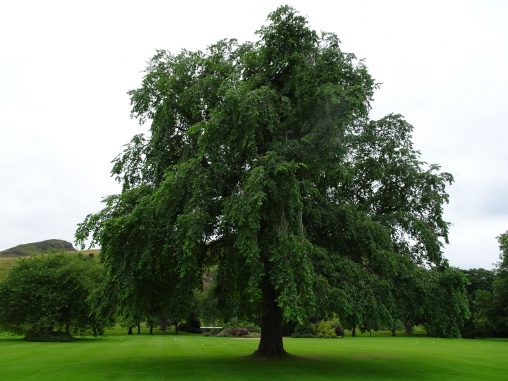
Following extensive media coverage of the discovery of the Wentworth elm at the Palace of Holyroodhouse this blog seems like the appropriate place to give a bit more…
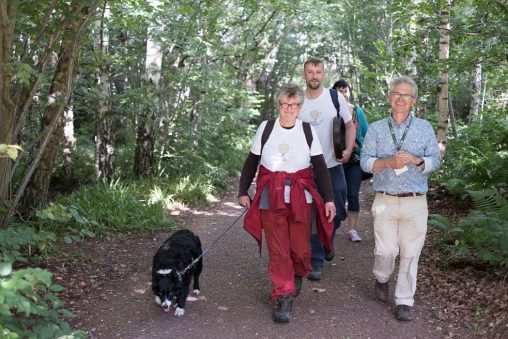
This morning around 11am Meg Beresford set off on her ‘Let’s Make a Bee Line’ walk from the Royal Botanic Garden Edinburgh to Wiston Lodge covering 10km a…
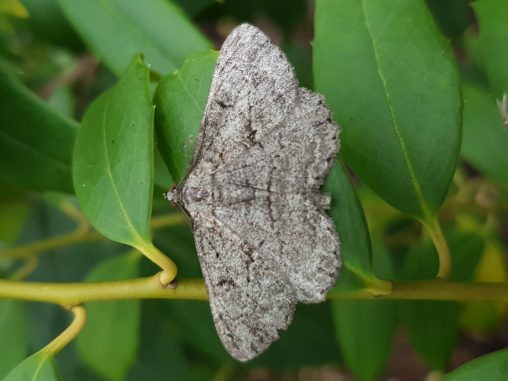
Moth trapping in the Garden is now happening on a regular basis with the input of Edinburgh Natural History Society and MSc student Tom Dawes. Records from 29th/30th…
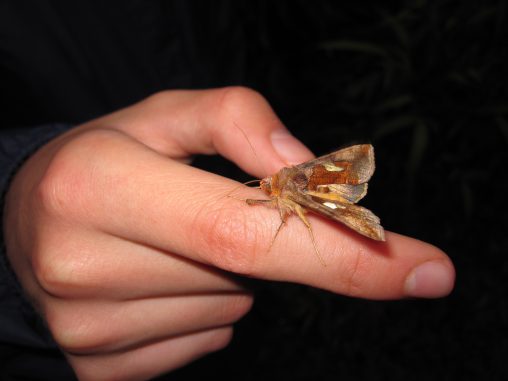
Counting the wild species in a given area in a set time is the aim of a BioBlitz. Clearly, the biggest list will be produced by involving as…
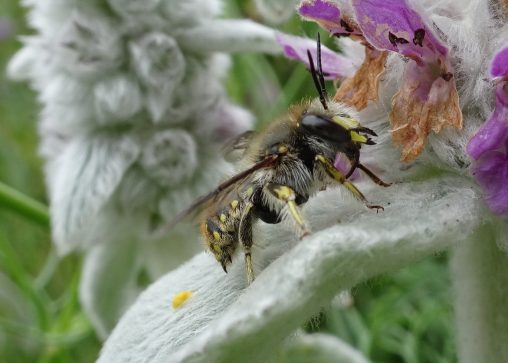
The wool carder bee (Anthidium manicatum) is one of the most distinctive solitary bees that lives in the Garden. During July and August the Demonstration Garden and the…
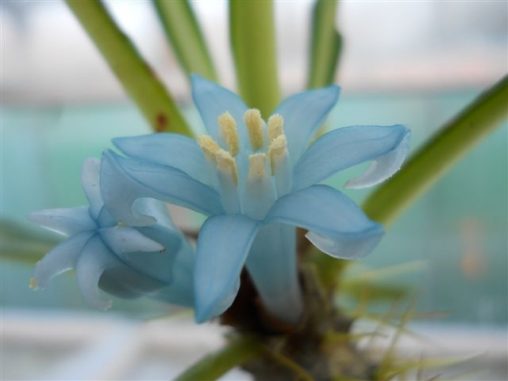
Some of us try our best to discourage ants in the garden. I’m not sure why as they really don’t do any harm. However, in the plant kingdom…
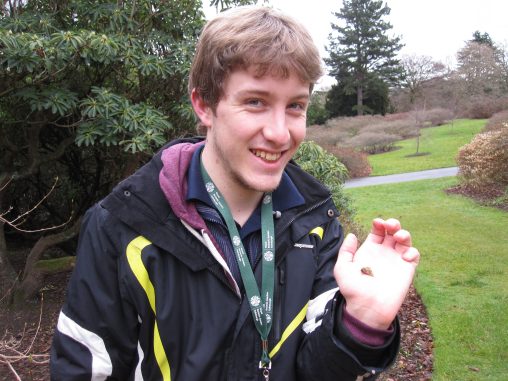
Monitoring the wildlife in the Garden is an ongoing task that helps us understand the value of gardens, and other amenity greenspaces, for all sorts of different animals….
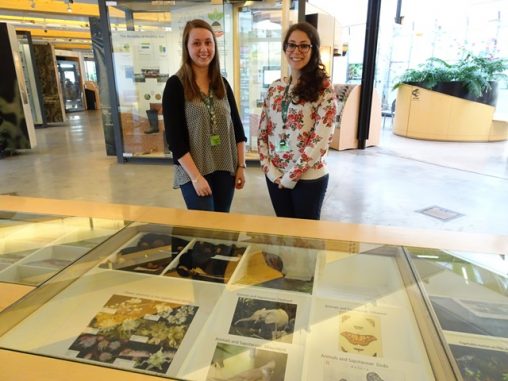
If anyone had asked me if I knew any plants belonging to the Sapotaceae family eight weeks ago, I would have had no suggestions – I probably wouldn’t…
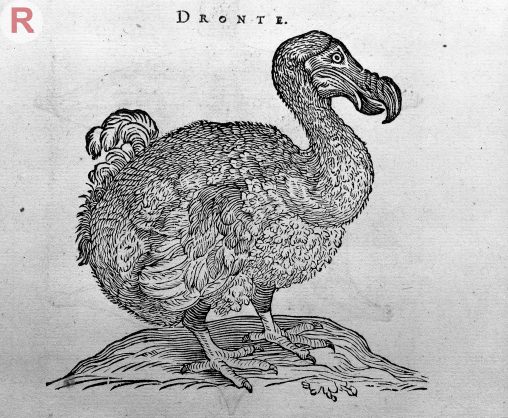
The Sapotaceae plant family provides us with some wonderful examples of the sometimes intricate interactions plants have with animals. One of the more intriguing cases is that of…
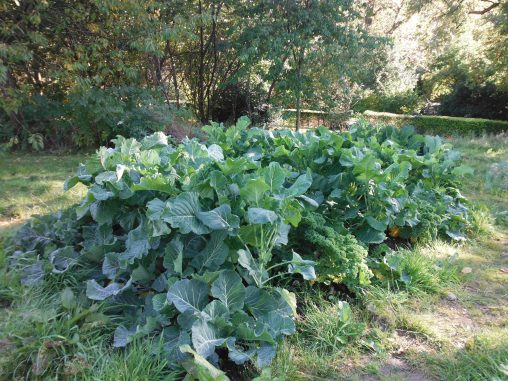
As 2015 draws to a close we end the third growing season for the Really Wild Veg project. The aim of the project is to explore how domestication…
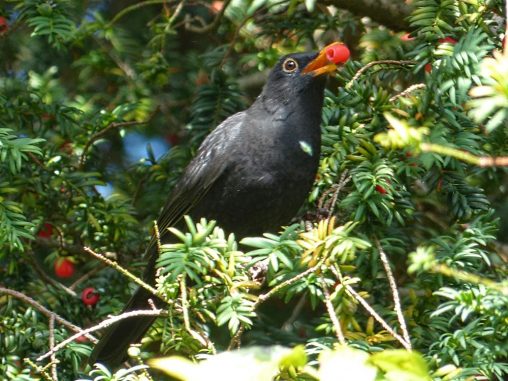
The idea that a story about a male yew tree producing a female branch would go viral and attract massive media attention would have seemed highly unlikely a…
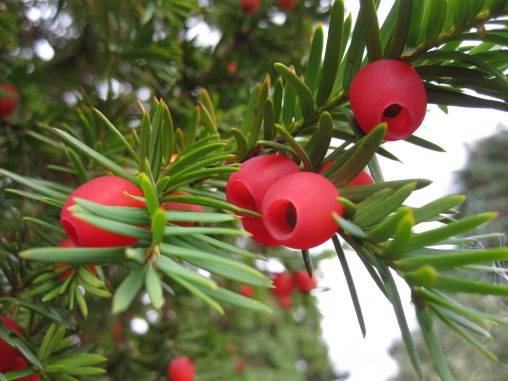
The Fortingall Yew in Perthshire is a tree of international renown as potentially the oldest individual tree in Europe. It has been suggested that it could be as…
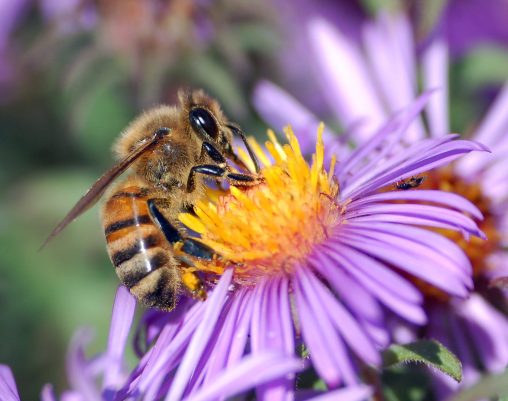
During the summer of 2015 the Botanics had a major focus on bees with the Urban bees exhibition in the John Hope Gateway and various pollinator-friendly initiatives in…
The wet summer may not have been much fun, but our celery has been loving it. One of the real challenges with growing celery on well-drained soils is…
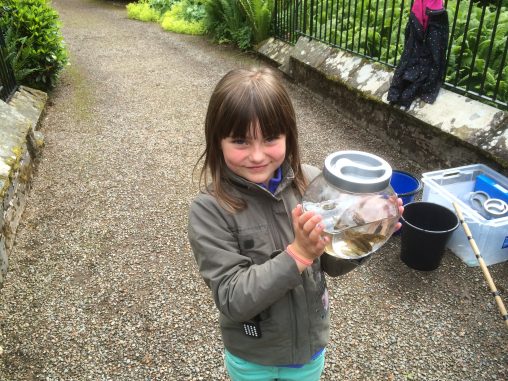
Over a 24 hour period from 5pm on the 24th July 2015 naturalists and the public joined forces to record as much wildlife as possible at Dawyck Botanic…
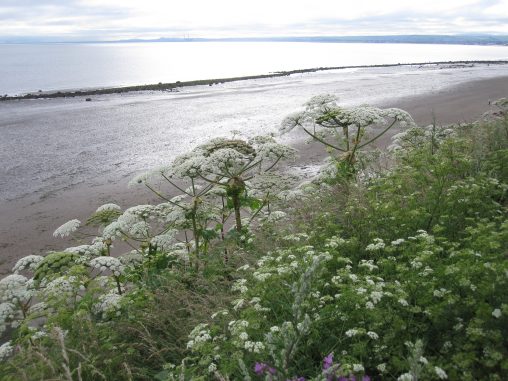
A recent case of severe skin burns in a 10 year old caused by exposure to the sap of giant hogweed is a reminder that plants can be…
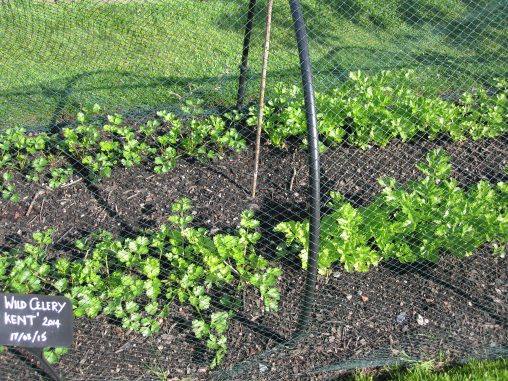
One of the difficulties with studying the wild ancestors of domesticated food plants is knowing if plants are truely wild? Domesticated plants will generally inter-breed quite happily with…
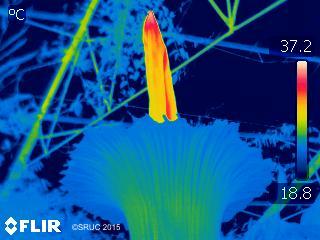
New Reekie is still drawing a crowd even though it is now begining to look past its best. Today (30th June 2015) the skirt-like spathe that wraps around…
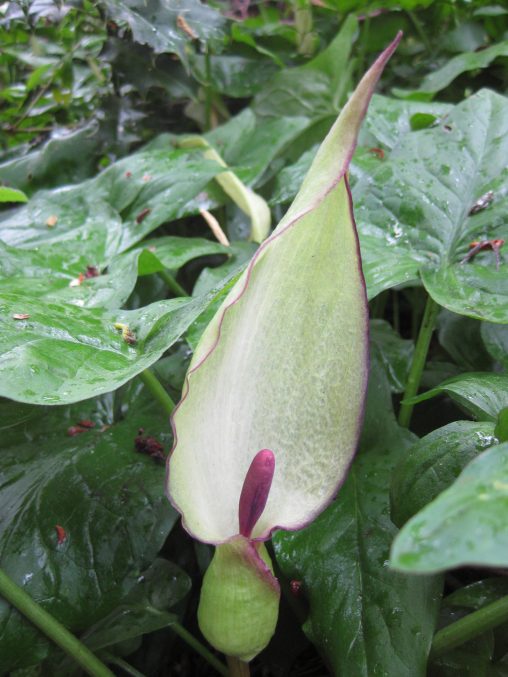
On Monday 29th June New Reekie is still looking good on the third day of flowering so there is time to introduce some of the family that you…
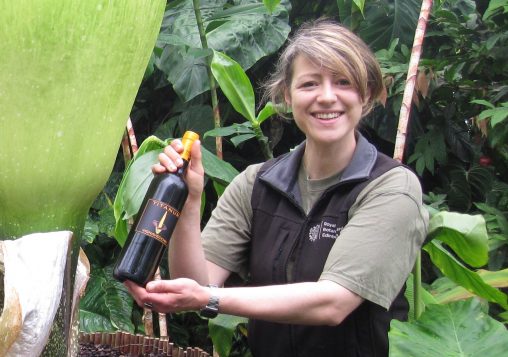
The first flowering in Scotland of the world’s largest “flower” is something to celebrate. So what better tipple than the wine produced by the decendants of the plants…