
Category: Other NewsPage 30 of 53
Stories not categories under anything else
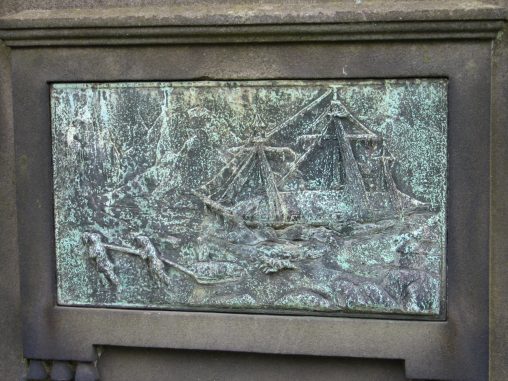
The story and fate of the fourth of Sir John Franklin’s expeditions in search of the North-West Passage, on the ships Erebus and Terror in 1845–8, is well…
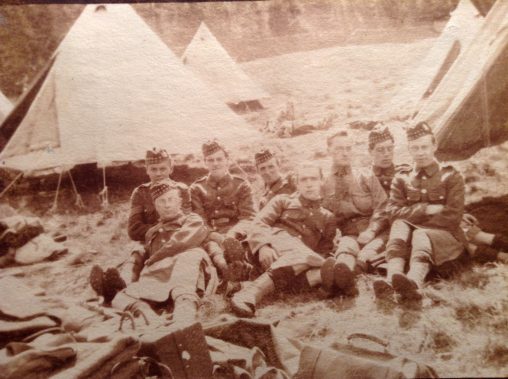
The Battle of the Somme commenced at 7:30am on the 1st July 1916, an offensive lasting for 141 days of blood, mud and horror. The first day stands…
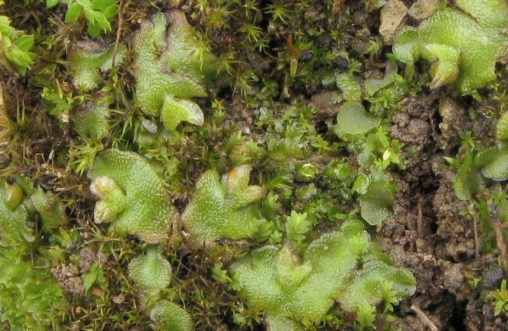
The genus Aitchisoniella contains a single species, A. himalayensis, which was described by Pakistani botanist Professor Shiv Ram Kashyap from plants that he collected in Mussoorie, Uttarakhand, India…
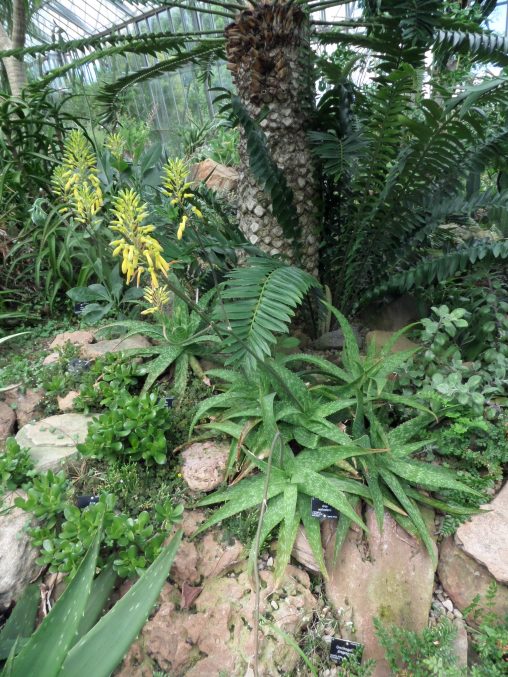
Currently flowering in the Arid Lands house at the Botanics is the Kenyan endemic Aloe springatei-neumannii. This species was described in 2011 from south-western Kenya by Leonard Newton…
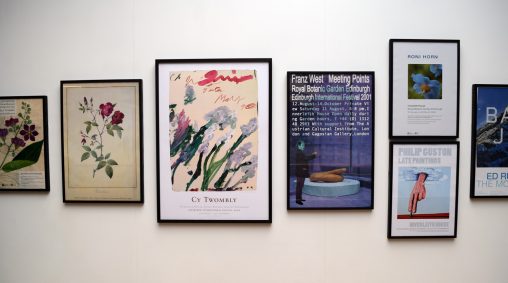
Inverleith House is celebrating three decades of contemporary art and botanical exhibitions at the Royal Botanic Garden Edinburgh with a presentation of rarely seen posters and invitation cards…
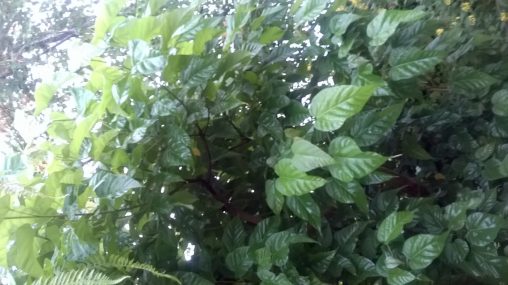
Annatto Bixa orellana Family:Bixaceae Description The snowy white flowers of Annatto make it an attractive ornamental shrub. The fleshy arils surrounding the seeds produce an orange-red dye, the…
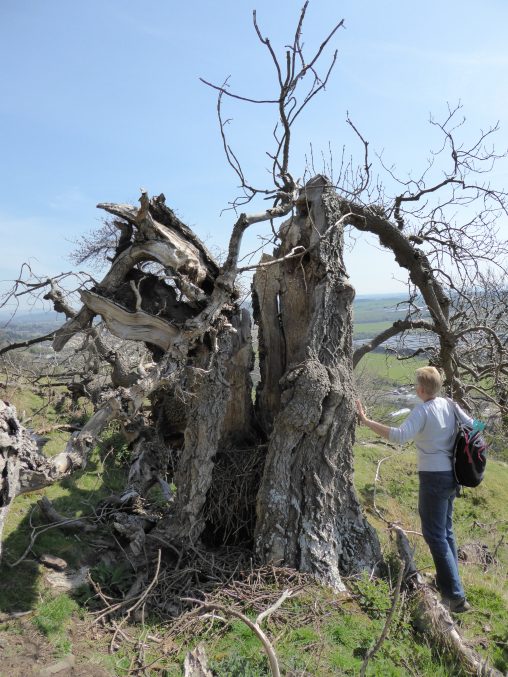
It is estimated that about 70% of Europe’s oldest trees are to be found in the UK. The Woodland Trust and Tree Register of the British Isles, have…
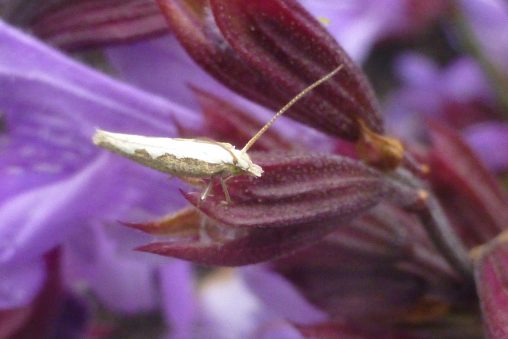
This year there has been an enormous migration of tiny Diamondback moths (Plutella xylostella) into Britain from the Mediterranean or farther south. Millions appeared along the south and…
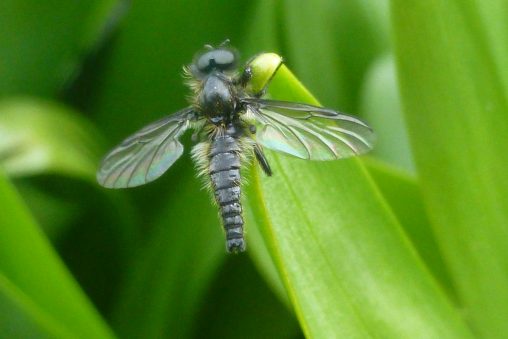
May 2016 for the most part continued April’s rather chilly but dry theme. In the last few days of the month however, it seemed like summer began, for…
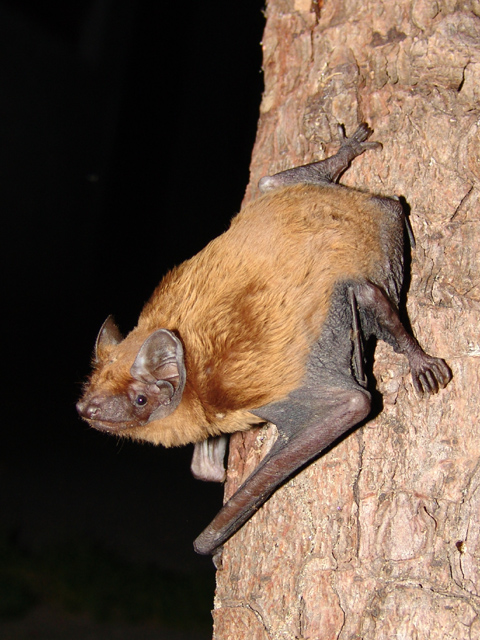
Leonie Alexander of Edinburgh Living Landscape writes: One of the best times to visit the Garden is after hours and on three recent consecutive nights I came…

Here at the Edinburgh Garden a team of staff from across the organisation are getting ready for our second assessment for a Green Tourism award in July. In…
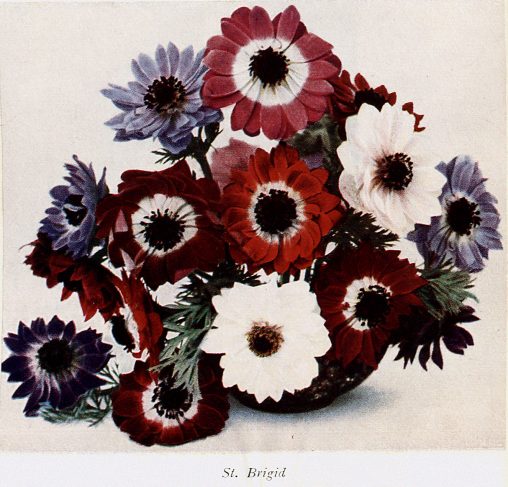
‘I like to plant something every day!’ Ruby Collett was in her eighties when she made this remark to a younger neighbour. A student probationer gardener at RBGE…
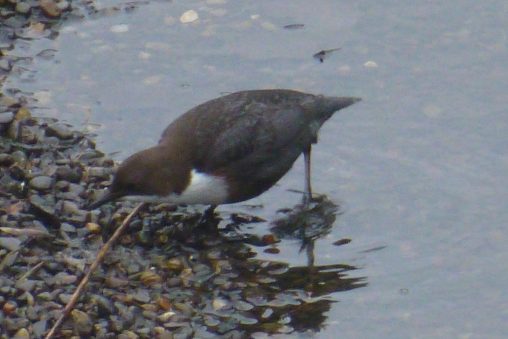
April 2016 was rather dry except for one really wet day. However, apart from some days mid-month, it was distinctly chilly, and snow or sleet fell, at least…
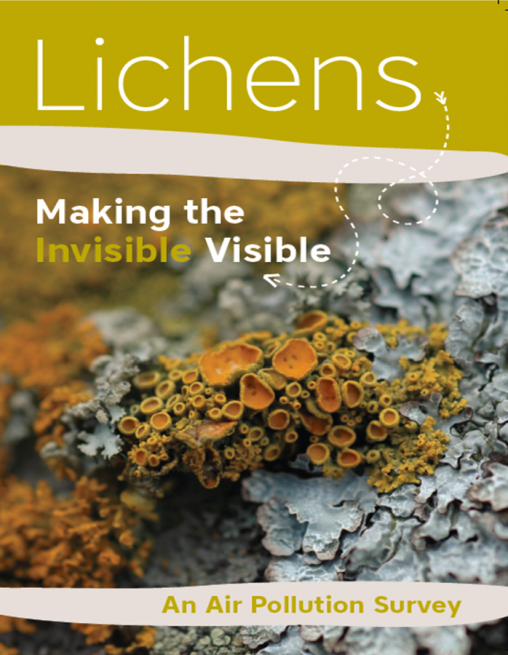
Congratulations on completing your Lichens – Making the Invisible Visible Air Pollution Survey We hope you enjoyed the experience and that through exploring your local area in new…
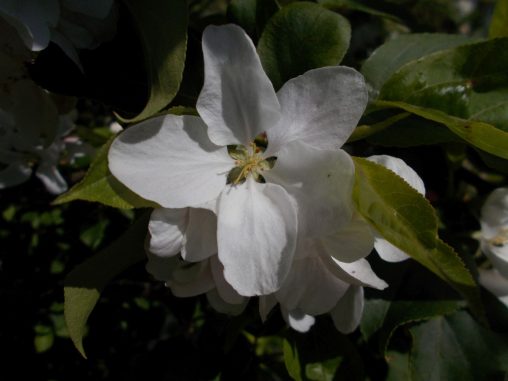
Growing in the nursery is a fine, sturdy young specimen of Malus sieversii. A native to Central Asia and known to be the wild apple that apple breeding…
Plant diversity does not have to be far-flung and exotic to be worth studying; even within Scotland, there are unanswered questions about plant distributions. Growing in our towns and…
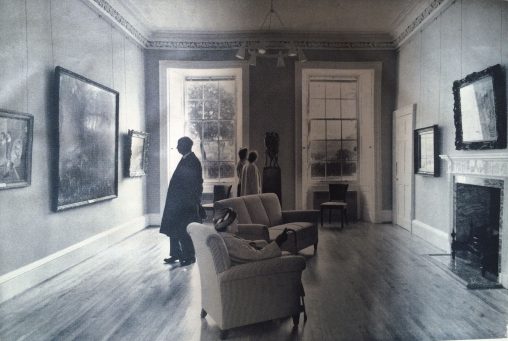
Inverleith House As Inverleith House celebrates its 30th anniversary this year, we have been looking back into our own exhibitions archive and beyond when the house was the…
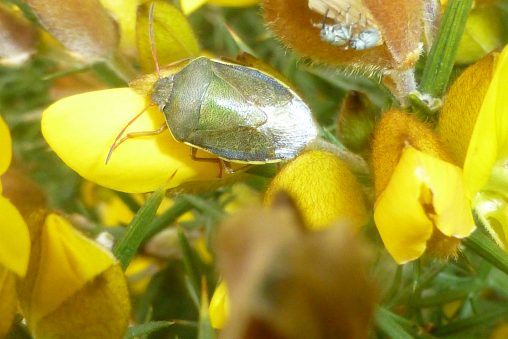
On 14 April I photographed Gorse Shield-bug, Piezodorus lituratus, on a gorse bush at the edge of the Scottish Heath Garden in RBGE. The following weekend I was…
In 1916, RBGE lost two members of staff in France during the First World War. The first was George Blackmore who was killed in the trenches of the…