Year: 2013Page 12 of 21
By gardenpoets ‘The best part of happiness is the pines.’ So said Terri Guillemets. The best part of today were the pines too, and their relatives. We walked…
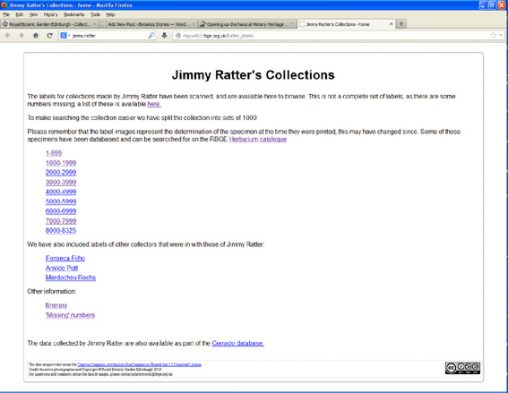
As part of the work of the OpenUp! Project, scans of labels from plant collections made by Jimmy Ratter are now available online at http://rbg-web2.rbge.org.uk/Ratter_labels/.
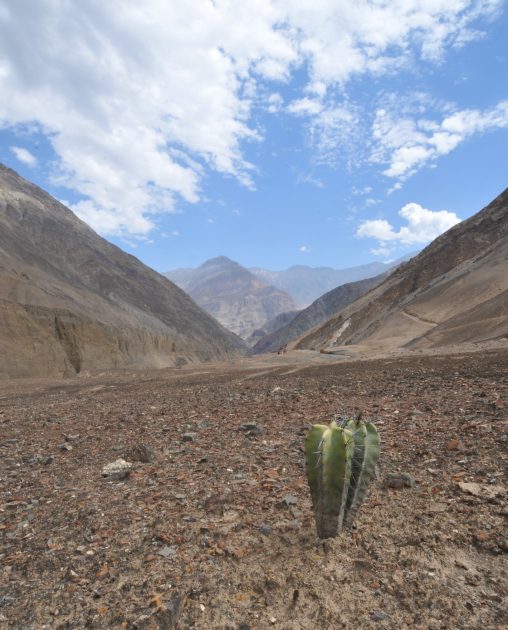
A global survey has identified major gaps in our collections of wild species related to crops. The survey found that more than half of the 455 Crop Wild…
By gardenpoets Today I met with Alex Davey, a very helpful guide into the deep time of trees. As well as a reading list, she has pointed me…
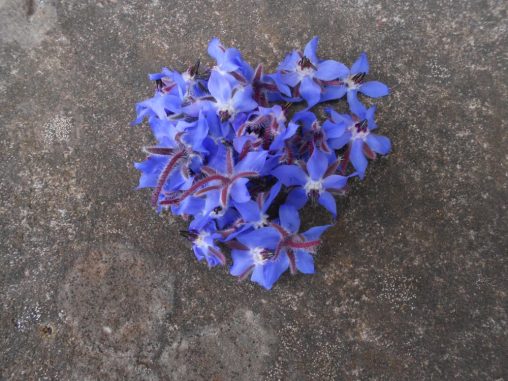
Hot days, shady spot in the garden, jug of refreshment on the table. The flowers of Borage, Borago officinalis are deemed an essential addition to long fruity beverages….
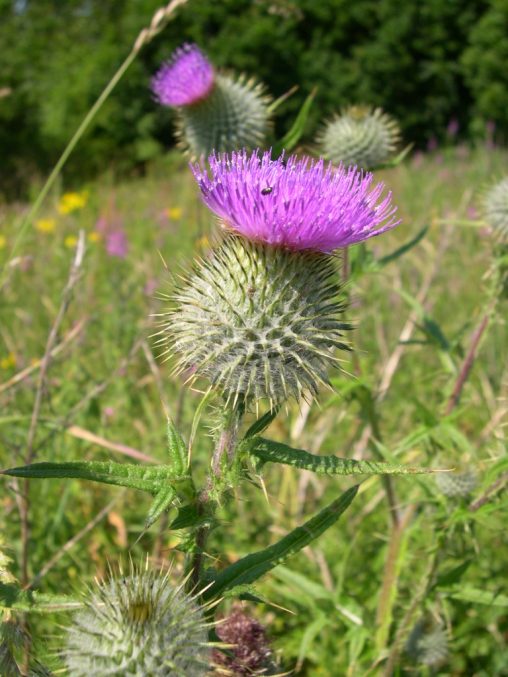
With our Big 5 survey running until October, we have finally reached 1000 votes! Voting is still underway and there is still time to vote for your favourite…
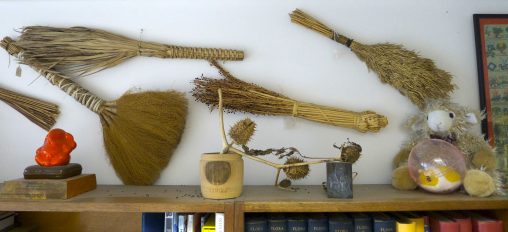
Taxonomic botanists are curious creatures. And I mean this in two ways – not only being (frequently) curious in themselves, but, of necessity for their work, possessed of…
By gardenpoets I began the day with close study of the Gunneras, giant rhubarbs with bad attitude. They look as if a pterodactyl could swoop down and perch…
By gardenpoets Today’s tree alphabet species is that great tree hugger, ivy. Spurred on by the news that a new world record for tree hugging was set yesterday…
By gardenpoets Not all of the letters in the Gaelic tree alphabet are trees! Today’s letter, M, stands for Muin, which is often translated from the old Gaelic…
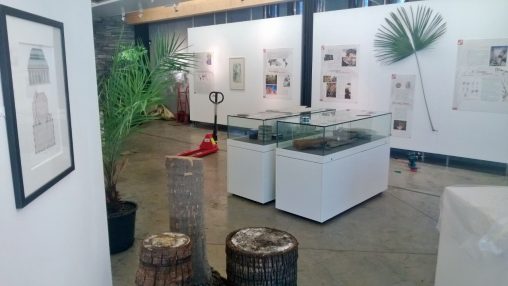
I am in the midst of installing our new exhibition The World of Palms, but thought I would take a moment away from our gallery space in the…
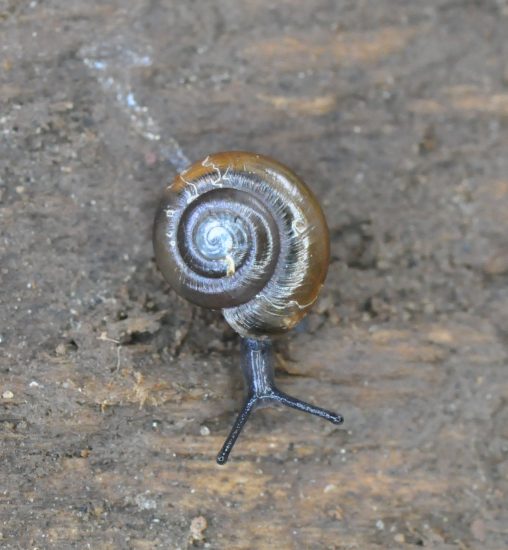
During the recent BioBlitz mollusc specialist Adrian Sumner discovered an alien snail, Zonitoides arboreus, in the RBGE glasshouses. The diminutive snail, just 5mm across, lives as a wild…
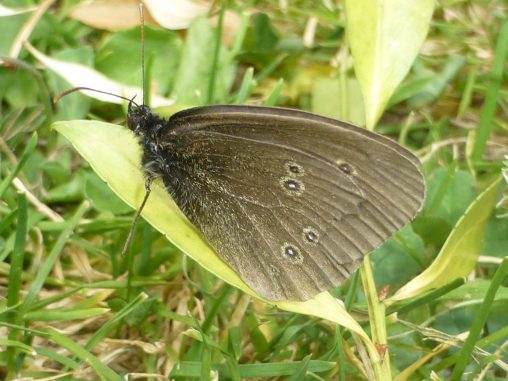
At our staff conference today Mandy Haggith, poet in residence at the Botanics for the month of July, commented about the lack of butterflies she had seen in…
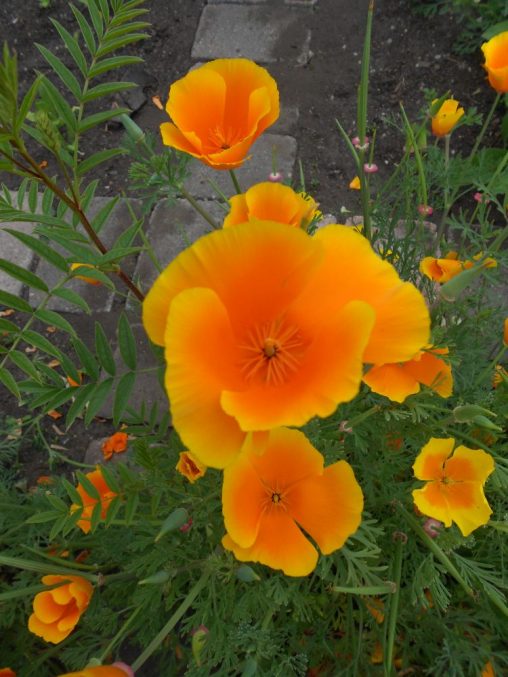
Mediterranean and warm temperate species are taking advantage of this prolonged spell of hot dry weather to flower. We are observing an exceptional amount of flower on the…
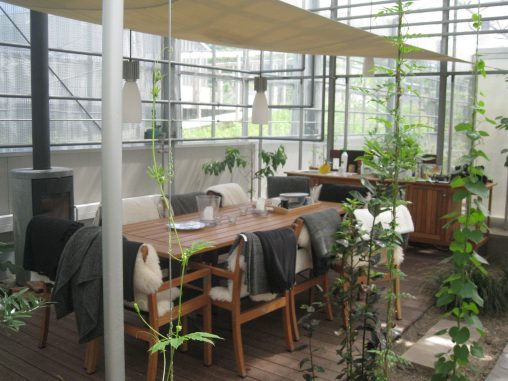
We are now familiar with the idea of horticultural therapy but how does the concept of a healing garden differ from this? I went to Sweden and Denmark…
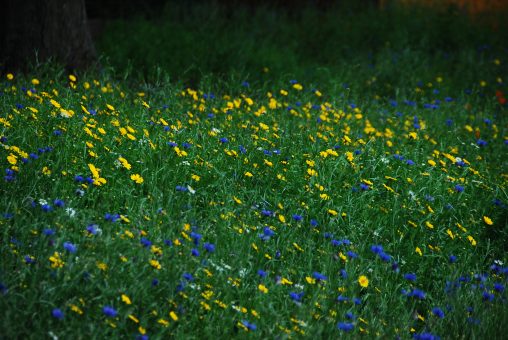
A recent report published by PLANTLIFE (Still & Byfield, 2007: available here.) begins, “Arable flora is the most threatened group of plants in Britain today”. Arable weeds which…
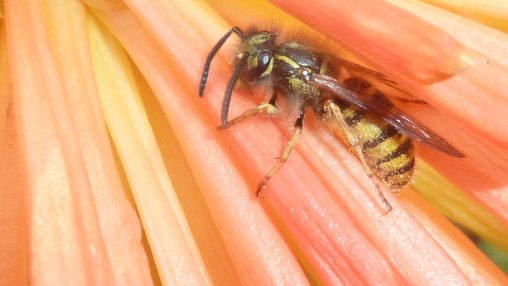
This is one of the richest areas of the Garden for wildlife. In the whole Garden, more than 460 animal species (mostly invertebrates such as insects and spiders)…
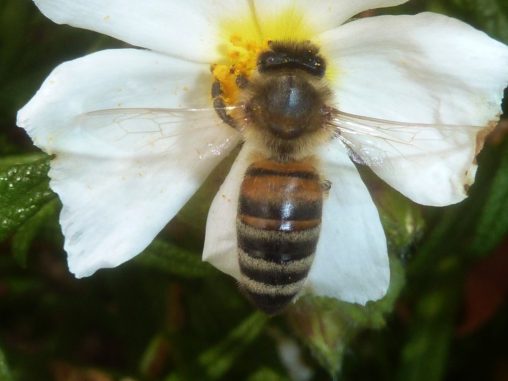
According to Horticulture Week, one-third of world food production and 87.5% of all flowering plant species on Earth depend on pollinators. Albert Einstein is credited with saying, “If…
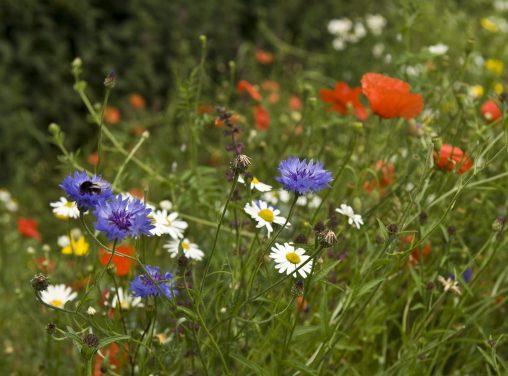
Why not create a wilderness area in your own garden? For information see these two publications by PLANTLIFE: Grow Wild – Native flowers in your garden and Create…
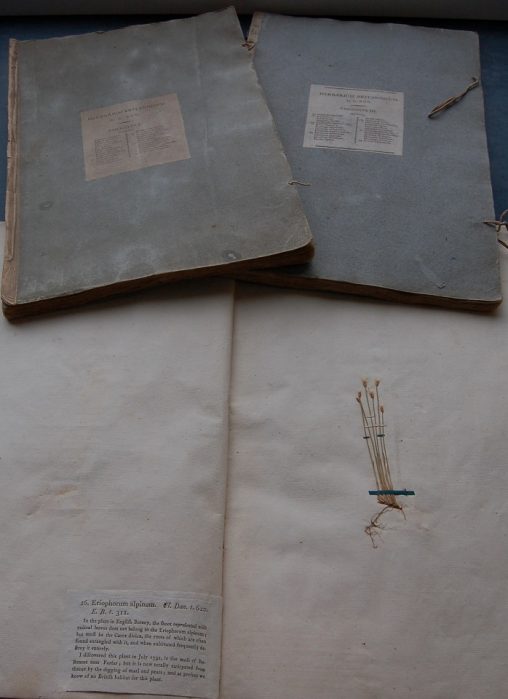
George Don spent much of his life exploring the corries and glens of Angus and further afield to Arran, Ben Nevis and Skye. His plant collections in the…