Category: SciencePage 23 of 38
Latest science blog posts from the Royal Botanic Garden Edinburgh
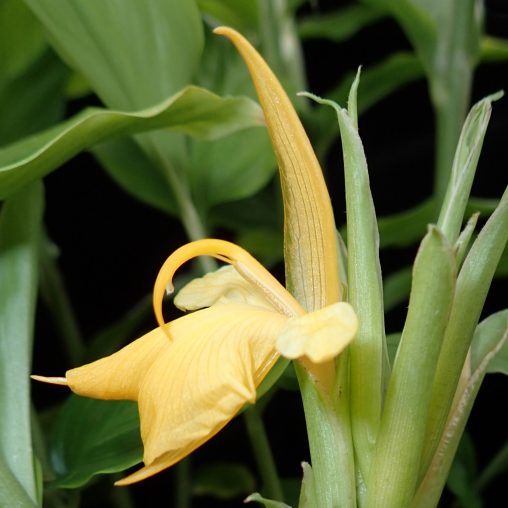
The genus Zingiber is distributed from India to the Pacific but only a few species are known from east of Wallace’s Line, where we discovered this new species…
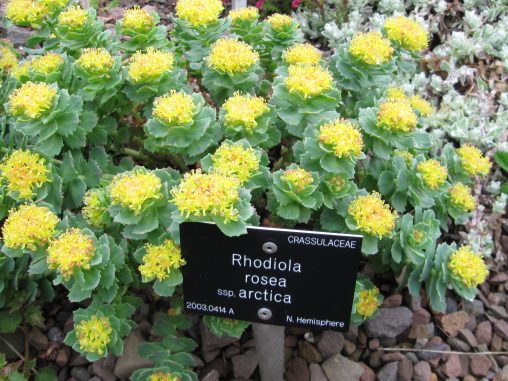
Herbal supplements are ‘big’ business – the global herbal supplements and remedies market is forecast to reach $107 billion USD in 2017. A recent press release by the…
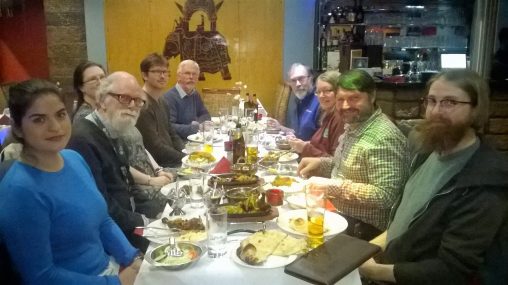
Despite a reputation for being rather a rare breed, this week, purely by chance, we have found ourselves with an embarrassment of bryologists at the Gardens. As well…
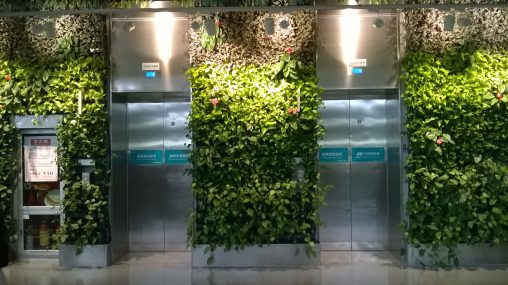
Our short damp November days offer the perfect opportunity for leafing through reels of photographs from earlier in the year; many of mine are from a short trip…
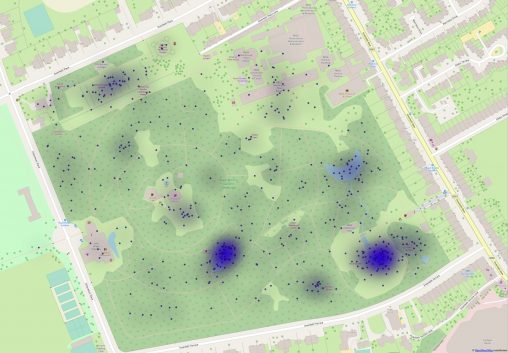
During the recent Project Soothe exhibition at the Botanics participants were asked to mark on a map of the garden places that Soothed them, Excited them or made…
If you are like me you are probably counting the days to Stars Wars 8: The Last Jedi. Films often seem to take a long time to arrive…
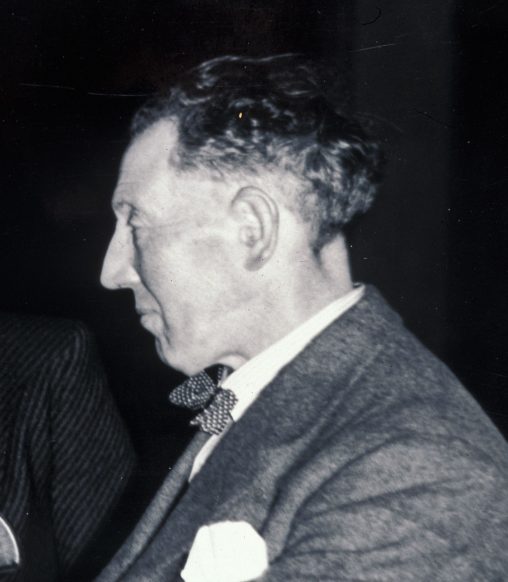
November 13th 2017 marks the 50th anniversary of the death of Robert Moyes Adam, a man central to the origins of RBGE’s photography unit. Often referred to as…
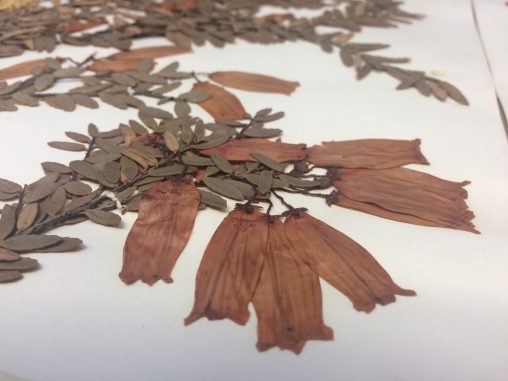
Following a very successful first expedition on DigiVol with ‘Proteaceae of Australia’ we are launching our second project ‘Ericaceae of Australia’. Our first project was launched as part…
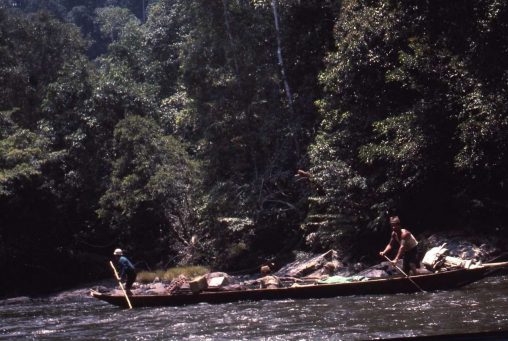
Brian Lawrence ‘Bill’ Burtt (1913-2008) began his career as a taxonomist at Kew Gardens, before coming to the Royal Botanic Garden Edinburgh (RBGE) in 1951. Throughout the course…
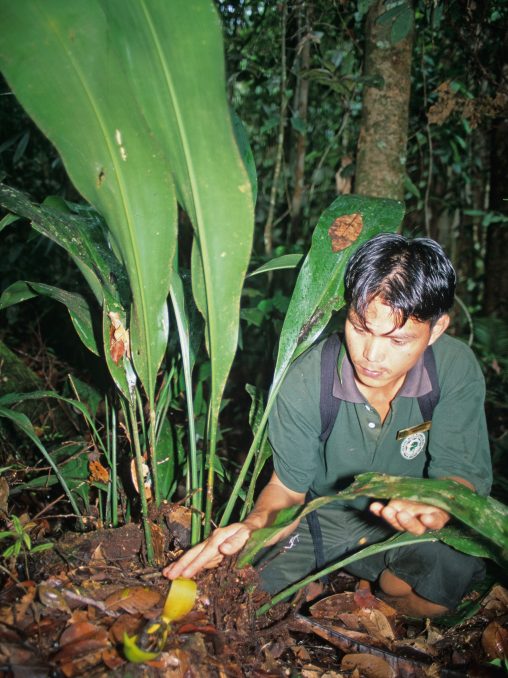
During an expedition to Borneo in 2003, we discovered two intriguing new species of the monotypic family, Lowiaceae, in the state of Sarawak, Malaysia. The large-flowered Orchidantha megalantha…
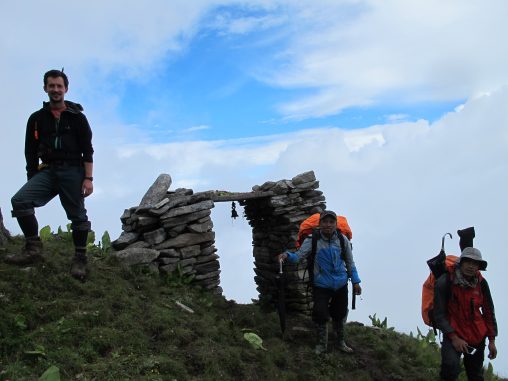
It is eight weeks since the expedition returned from Saipal Himal, and it already feels a very long way away. Our trip coincided with South Asia’s wettest monsoon…
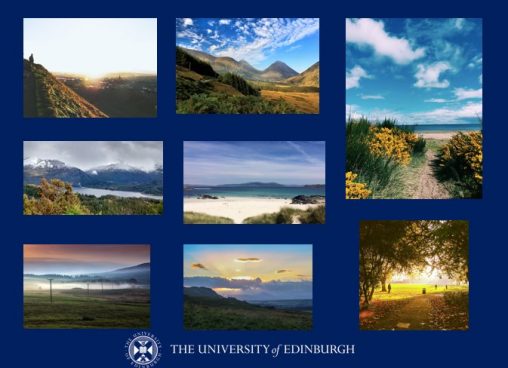
The dust has finally settled from the Project Soothe Exhibition and we have had a chance to catch our breath and take stock. The exhibition was a resounding success…

Help us unlock our collections data for use by researchers across the globe! As part of this year’s WeDigBio event, 19-22 October, we are launching a project to…
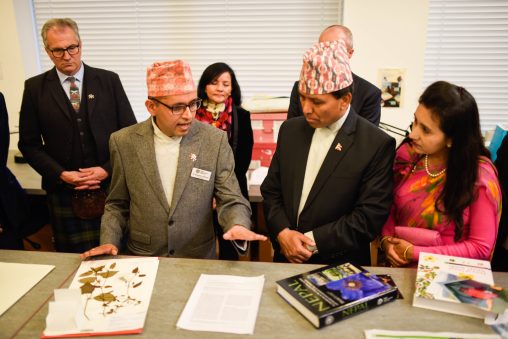
His Excellency Dr Durga Bahadur Subedi, Nepalese Ambassador to the United Kingdom, led a delegation from the Embassy in London to Scotland this weekend, visiting Edinburgh, Aberdeen and…
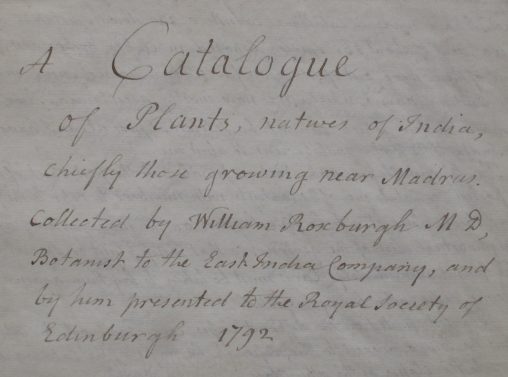
For many years I have been aware that in the herbarium of the Royal Botanic Garden Edinburgh (E) is more than one set of specimens collected in South…
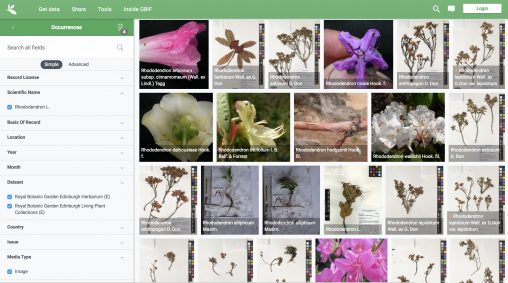
A couple of years ago GBIF started including images for occurrence records in their biodiversity portal. Last week I was able to add images from our digital repository…
After RBGE’s initial involvement in land plant DNA barcode marker selection, culminating in a couple of 2009 papers that both utilized bryophyte barcoding data sets, we started a…
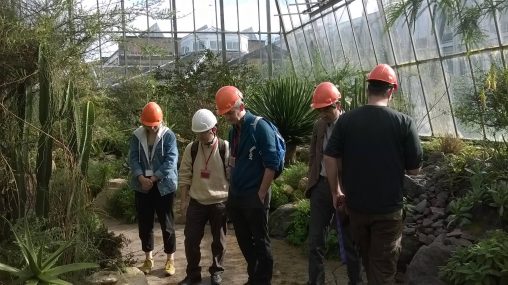
On Thursday the 28th September, we welcomed Professors Takayuki Kohchi and Ryuichi Nishihama, from Kyoto University, Japan, to the Botanics. Professor Kohchi’s lab is renowned for their evolutionary…
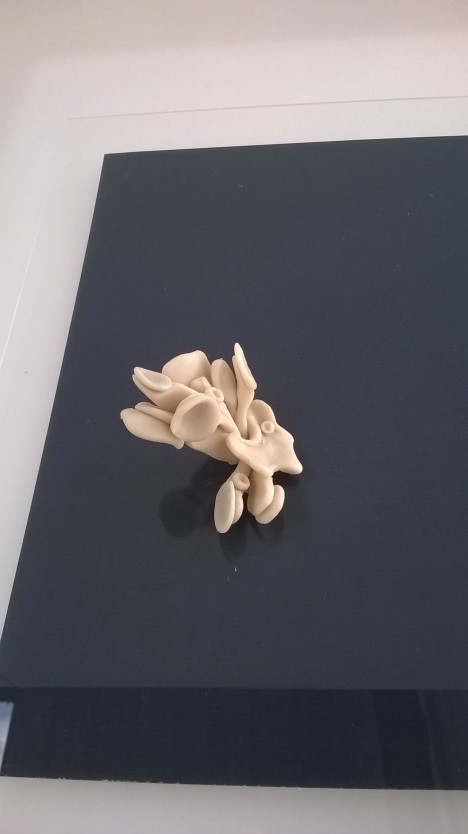
Over the past year, Glasgow based artist Simone Landwehr-Traxler has been studying some of the lichen specimens in the Herbarium at RBGE from the islands of Scotland. Her…
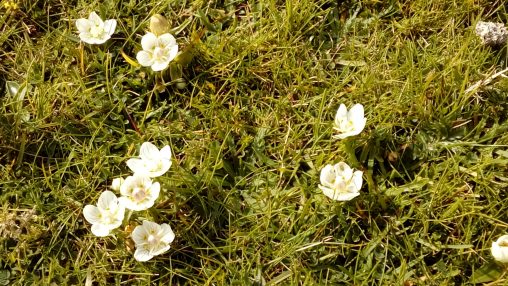
I was asked this question on a recent trip to North Ronaldsay and had to plead ignorance. We had been discussing a floral display on the local golf…