
Category: SciencePage 22 of 38
Latest science blog posts from the Royal Botanic Garden Edinburgh
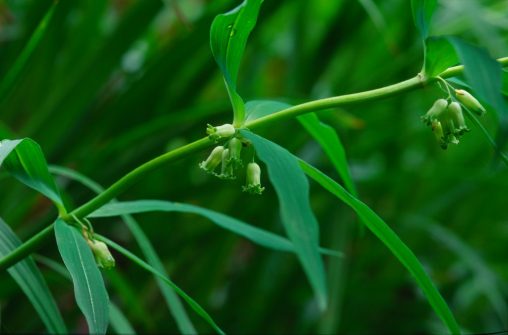
Polygonatum verticillatum (also known as Whorled Solomon’s Seal) is a rare and endangered perennial plant of steep sided wooded gorges; now only found at nine locations in the…
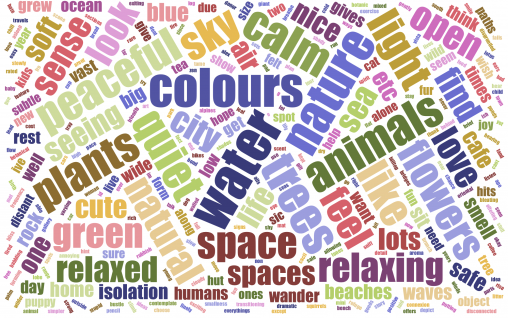
We have finished pulling together the results from the Project Soothe Exhibition that we held here at RBGE in September and October last year. If you are one…
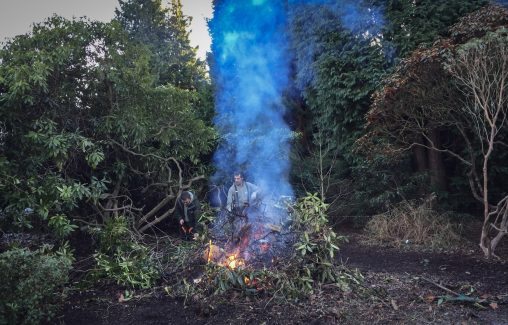
Visitors to the gardens will be familiar with the foot baths at all entrances. These foot baths are just one of the measures we take to protect our…
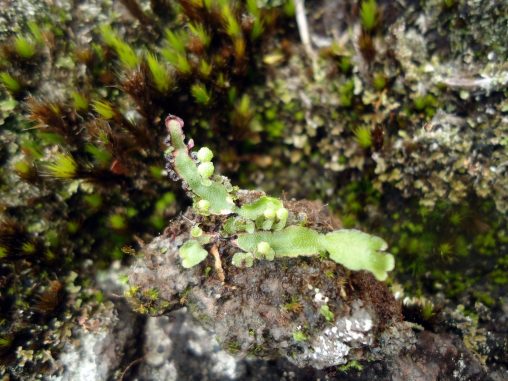
During a family holiday to Santiago, Panama in June/July 2011, we snuck in a short bryologising trip, first heading west along the Pan-American Highway, then north, to the…
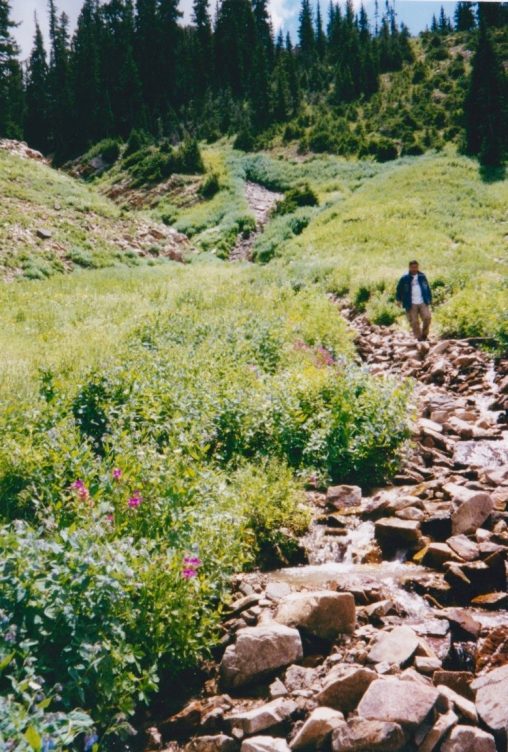
The Botany 2004 meeting was in Snowbird, Utah – a chance to see a different part of the United States (and, of course, to present our research to…
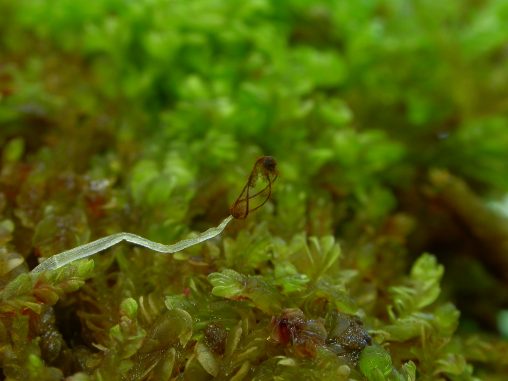
In April 2004, I flew north from Illinois to met up with a botanical friend, Dr Zoe Badcock. Our meeting point was Vancouver, British Columbia; from there we…
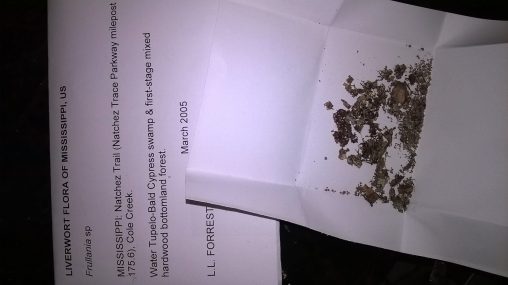
There’s something quite melancholy about going back through all the little paper packets of voucher specimens, remembering who and where you were when you collected them, and thinking…

The Science building at the Botanics closes down between Christmas and New Year, so any last bits of work for the year have to be packed up and…
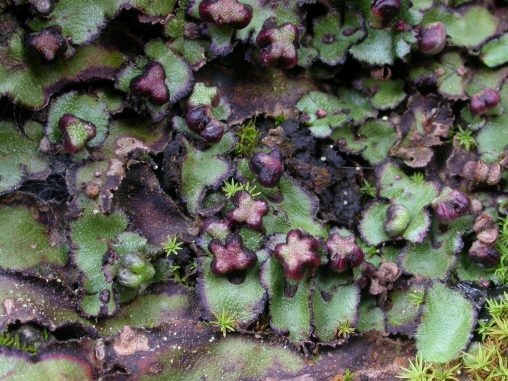
Now that we have six wild-collected accessions of Plagiochasma currently growing on public display in the RBGE Arid House, from China, the US (Texas) and Saudi Arabia, I’ve…
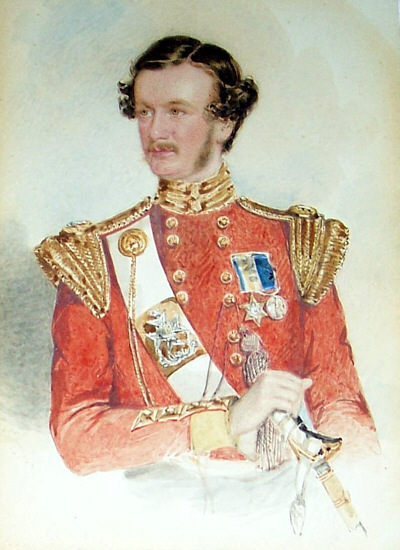
Scattered throughout the herbarium cabinets of Gramineae at Edinburgh are many sheets from the herbarium of the distinguished soldier and agrostologist William Munro, bearing a printed label ‘from…
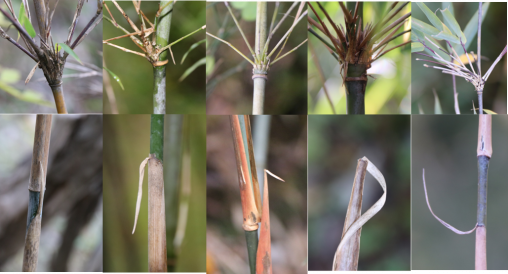
To understand giant panda diet you need to understand bamboos and there are many types of bamboos in their habitat. Giant pandas seems to know which is best…
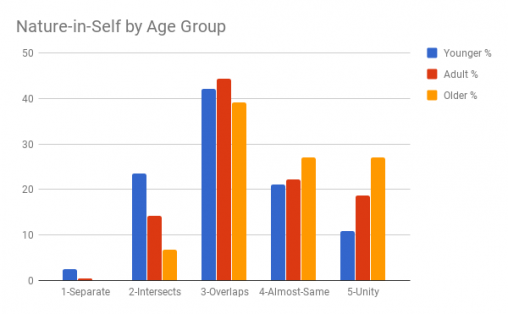
During the recent Project Soothe Exhibition we asked visitors a simple question: How interconnected are you with nature? Please tick the picture below which best describes your relationship with…
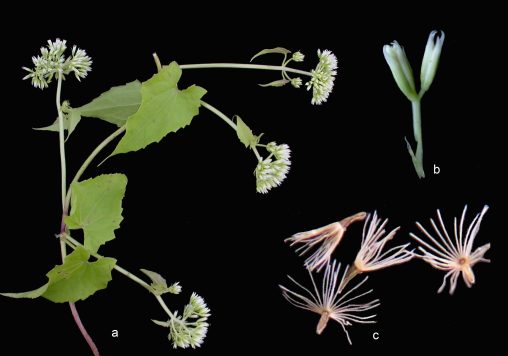
We just published “Mikania micrantha: its status and impact on people and wildlife in Nepal” in a new book, Invasive Alien Plants: Impact on Development and Options for Management,…
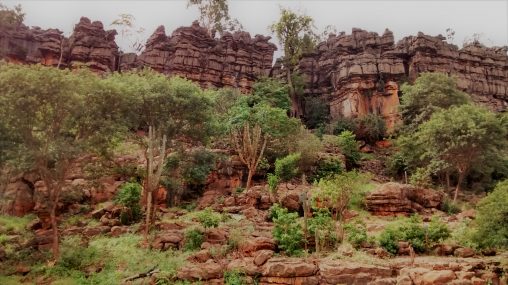
This week’s Science Club talk was given by Ph.D. student Moabe Ferreira Fernandes. His research focuses on understanding diversity and evolutionary patterns within Brazilian Caatinga. The Caatinga is…
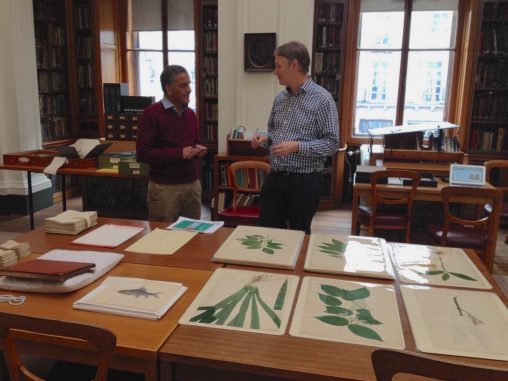
Two hundred years ago a new chapter of British-Nepali relations was beginning and one of the first Western scientists to be able to explore Nepal was the Scottish…
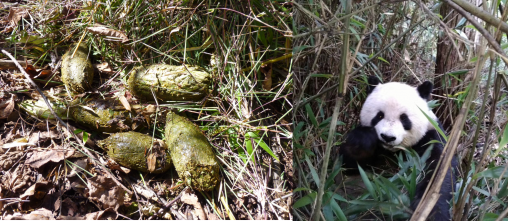
On a mountain in China a giant panda spends hours sitting eating bamboo but there is no time for a scientist to sit when you are trying to…
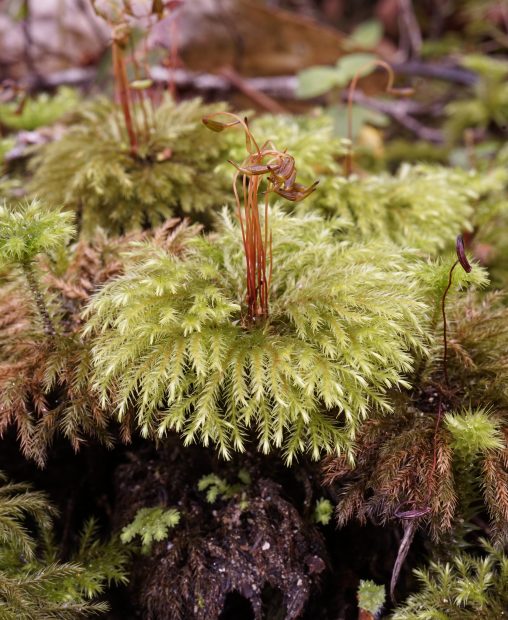
I’m just back from field work in New Zealand with Yoan Coudert, a French CNRS funded researcher based at the Ecole Normale Supérieure in Lyon. A major objective…
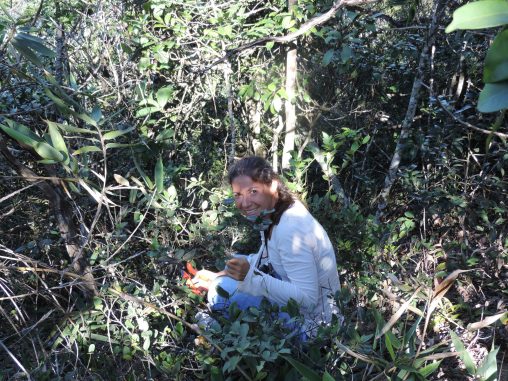
Last week we were privileged to have Dr Raquel Negrão present her work on developing a deeper understanding of what we mean when we say a plant is…
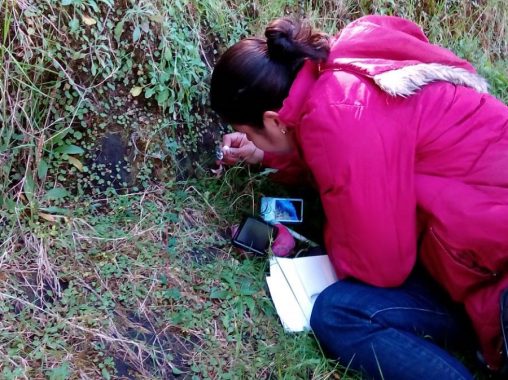
Karla Yunuen Magaña Marcial is a bryologist on a mission to solve a global puzzle. She is visiting the Botanics from her home institute, Michoacan University of Saint Nicholas…
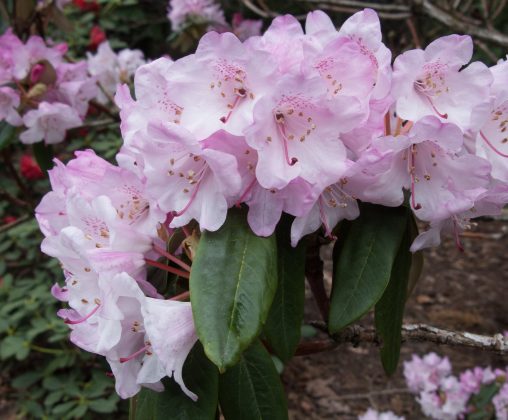
Botanical Society of Scotland together with the Royal Botanic Garden Edinburgh invites you to a talk by Dr Richard Milne, University of Edinburgh on Thursday 30th November 2017…