
Category: SciencePage 33 of 38
Latest science blog posts from the Royal Botanic Garden Edinburgh

Pauline Maclean, an RBGE Volunteer, writes: “… By now you must be aware of the fact that I am no writer. As a practical worker I am a…
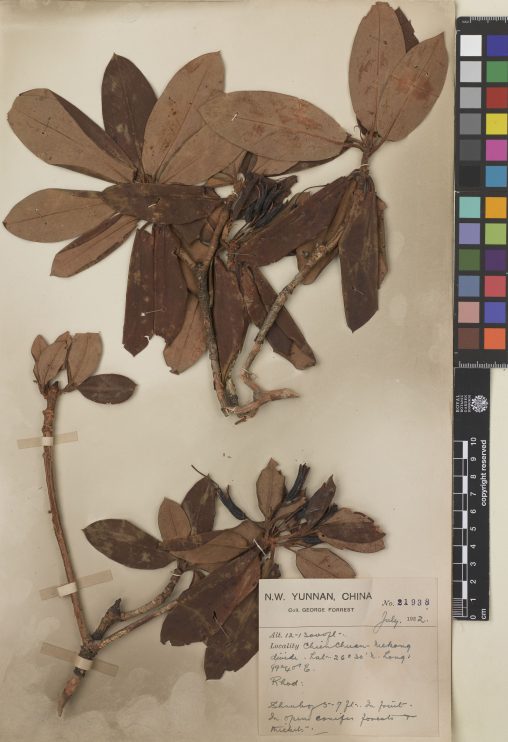
George Forrest was a prolific plant hunter; it’s estimated that here in the herbarium there are around 31,000 pressed plant specimens collected by Forrest and his team of…
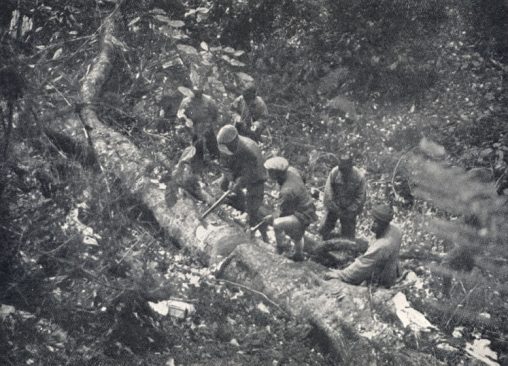
Plant Collector George Forrest (1873-1932) introduced over 300 new rhododendron species to Britain but one in particular dwarfed all of these, Rhododendron protistum, which is represented in our…
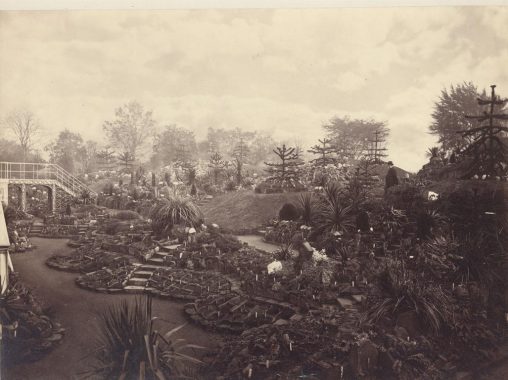
It was difficult to spot there even was a figure in a Victorian photo of the RBGE Rock Garden which was transferred to the Archives last week, and…

Let me tell you about a hero of mine, and the focus of one of the most requested collections stored in the Archives of the Royal Botanic Garden…
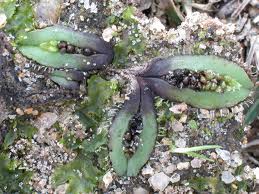
The complex thalloid liverworts, or Marchantiopsida, are one of the oldest land plant lineages, and contain a bewildering array of morphologies, ranging from comparatively simple plants like Blasia,…
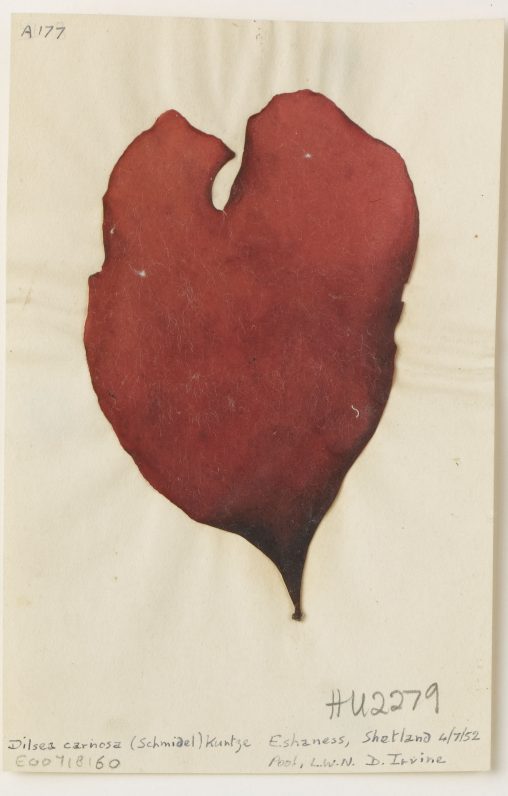
Whilst digitising the British algae, we have been finding some interesting and beautiful seaweeds. This Dilsea carnosa, collected in Shetland, is particularly appropriate with Valentines day this weekend……
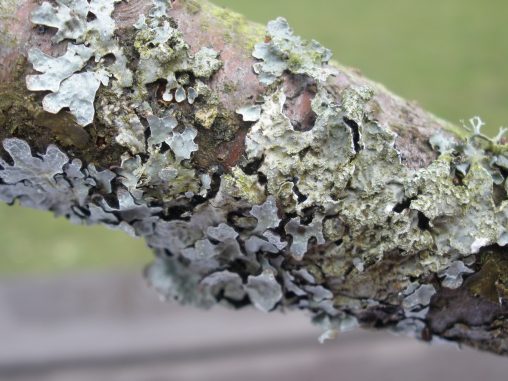
A fantastic new project is taking place within Edinburgh City – the Edinburgh Living Landscape The Edinburgh Living Landscape (ELL) is a groundbreaking initiative which brings together the…

It has now been over 4 months since we returned to Edinburgh after the successful botancial exploration of Baglung, Rukum and Dolpa districts for the Flora of Nepal…

Peter Wilkie, intrepid Sapotaceae botanist, has been blowing the trumpet for plant taxonomy in an article entitled What’s in a name? A mass of analysis in The Scotsman…
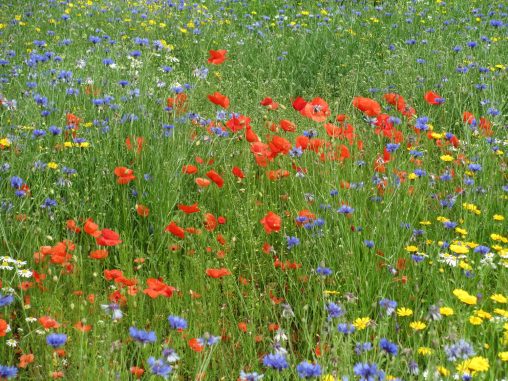
To mark the centenary of the First World War, the Royal Botanic Garden Edinburgh has created a poppy meadow at our Edinburgh garden. The meadow, located on the…
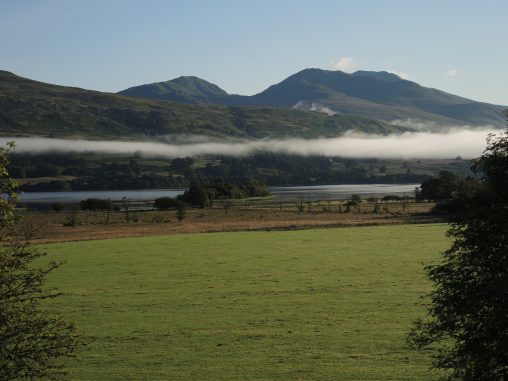
Bryologists at RBGE are actively engaged in recording bryophytes (mosses, liverworts and hornworts) in Scotland, and 2014 turned out to be an eventful year, when we made two…

The International Dendrology Society is an organisation for tree enthusiasts from around the world, most of whom grow trees in their gardens and arboreta, and many join the…
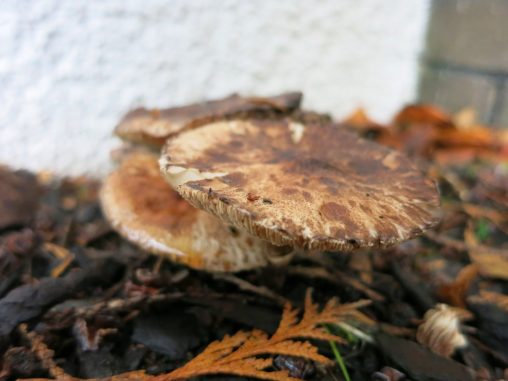
Leucoagaricus croceovelutinus, also known as the Blushing Dapperling, is rare saprobic fungus found on decaying leaf litter, often with conifers . This particular collection was made under mature…

Programming is becoming an increasingly useful skill as it can aid in the execution of large, repetitive tasks, and in running analyses of large data sets. Four staff…

You may be interested to know that there is a small display in the library foyer, just up the stairs from the garden’s memorial, covering our WW1 Roll…
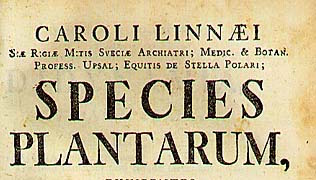
Names and Nomenclature When tracking down published scientific names, and their places of publication, IPNI, The Plant List and Tropicos are the three primary websites. The other listed…
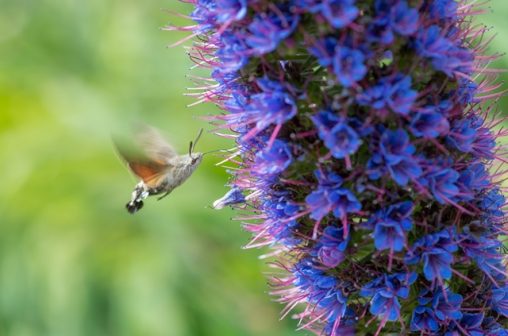
Well alright not real hummingbirds. The closest thing we have in Britain is the equally spectacular humming-bird hawk-moth. This extraordinary day-flying moth put in an appearance in the…

Although I trained as a botanist, picking up a PhD in Rhododendron in the 1990s, my principle role is now working with information about plants and how we…
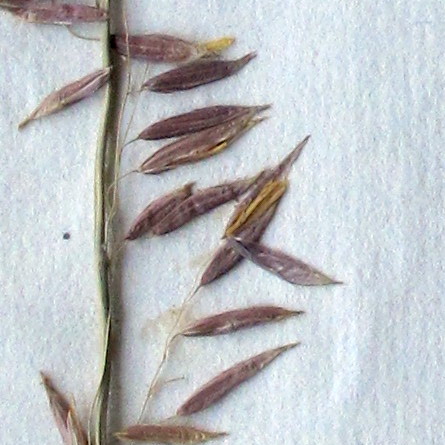
Looking into the cabinets of the RBGE herbarium never fails to turn up a surprise. Today I was looking for specimens that might have come from the almost…