
Category: SciencePage 34 of 38
Latest science blog posts from the Royal Botanic Garden Edinburgh
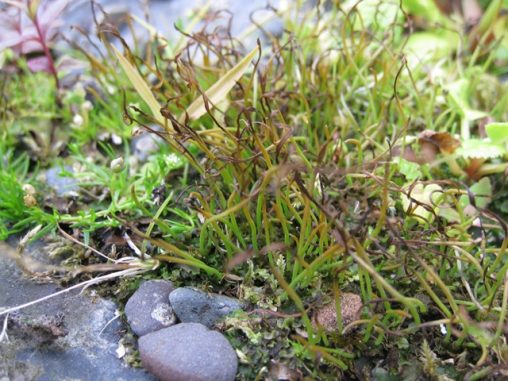
Discovery of a plant previously unknown in an area is not what you might expect to happen within a botanic garden. Such places have large managed collections of…
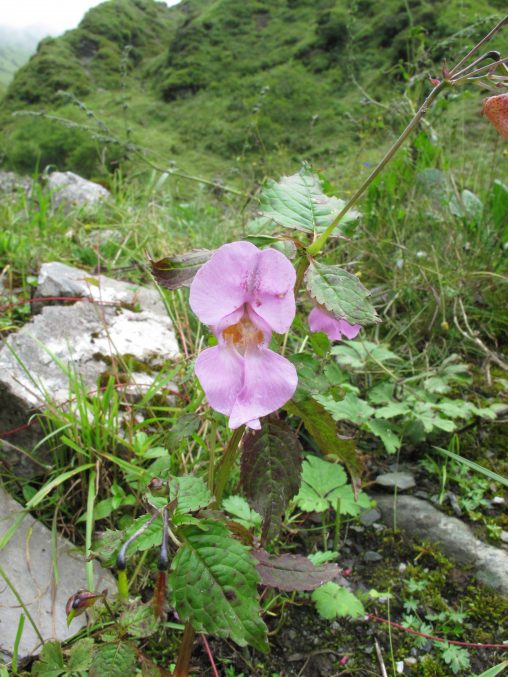
We all know this plant too well from colonising river banks, cycle paths and becoming an increasing problem in as an invasive plant in the UK. Its native…
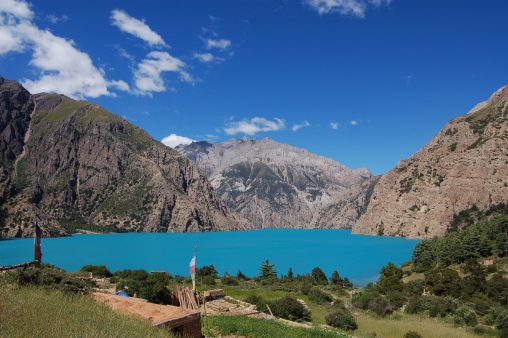
We are all back safe and sound in Kathmandu and after a few very busy days I now have a chance to do this. Since getting back we’ve…
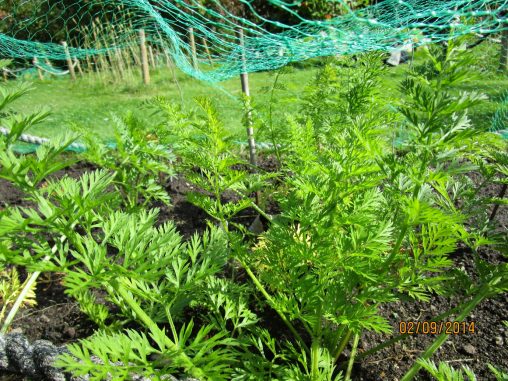
Now that we are coming to harvest time we will shortly be able to measure the crops in the Really Wild Veg trials to see how they have…
In memory of Private David Hume, who was killed in action 100 years ago today, on the 26th August 1914, a few weeks short of his 26th birthday….

Small orange/brown pustules on the leaves of plants could be a sign of infection by a rust fungus. James Iremonger, Heriot Watt University Student, will be searching Edinburgh…
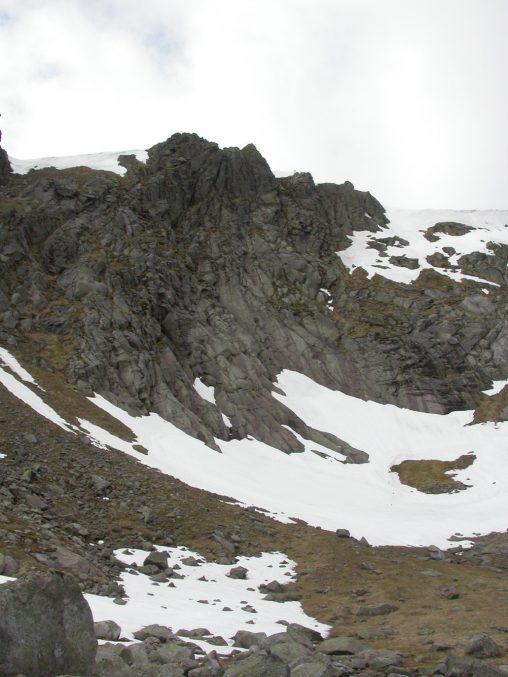
In May, Scotland published its first Scottish Climate Change Adaptation Programme – a set of actions to increase Scotland’s resilience to the impacts of a changing climate. RBGE…
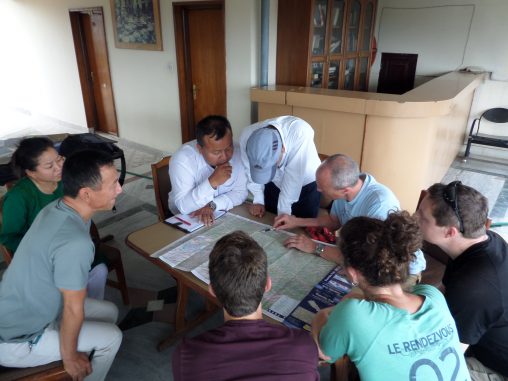
Namaste from Kathmandu. We’ve been in country now for 3 very busy days and are now ready to leave for the field. As with expedition of this nature…
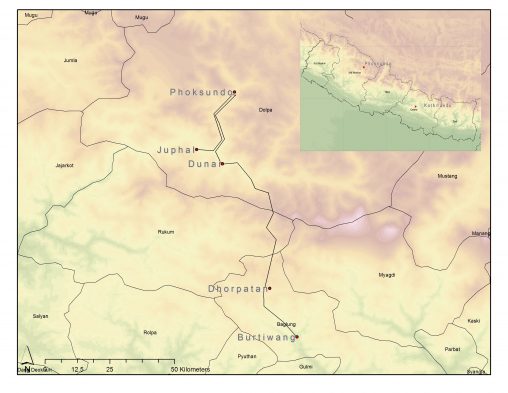
In a few days time the Flora of Nepal project are about to leave for an expedition to Mid-West of the country. Leading the expedition is Dr Colin…
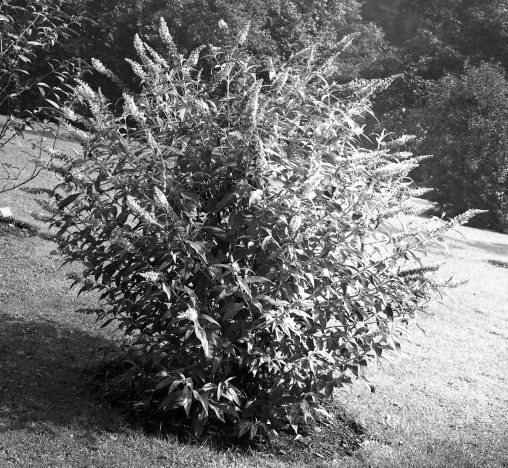
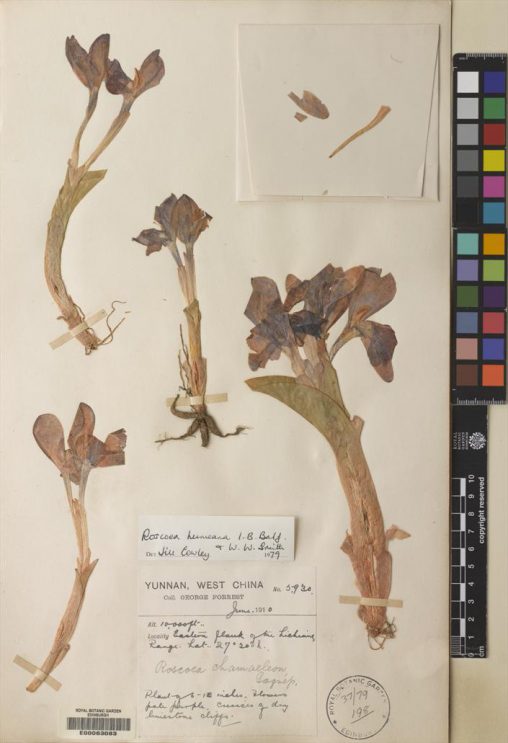
As a fan of eminent plant collector George Forrest (1873-1932), I’d long known that two of his plant introductions had been named after former RBGE gardeners killed in…
As Botanics Stories is a live site we have a third party service monitoring its performance. The two graphs below show the performance over the last thirty days….
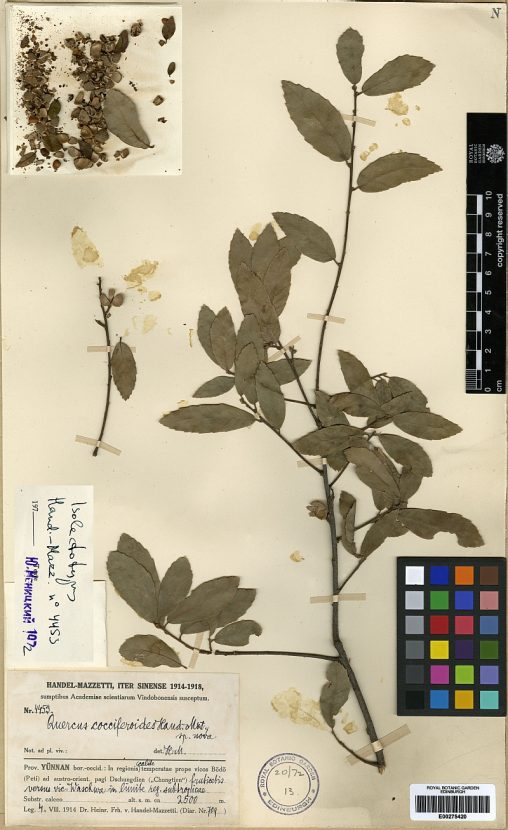
4th August 1914 – collections on the day that war was declared between Britain and Germany On the 4th August 1914 the tension was building during the day…
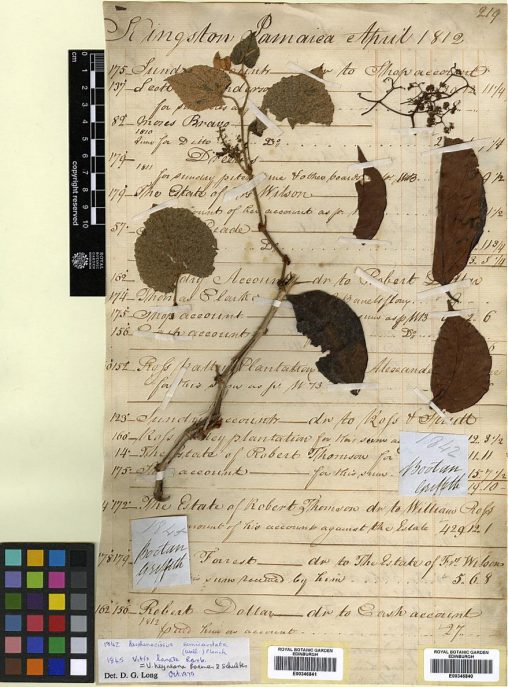
I’ve said this before but sometimes you find amazing things when raking through the herbarium cabinets. I first came across this specimen when I was part of the…
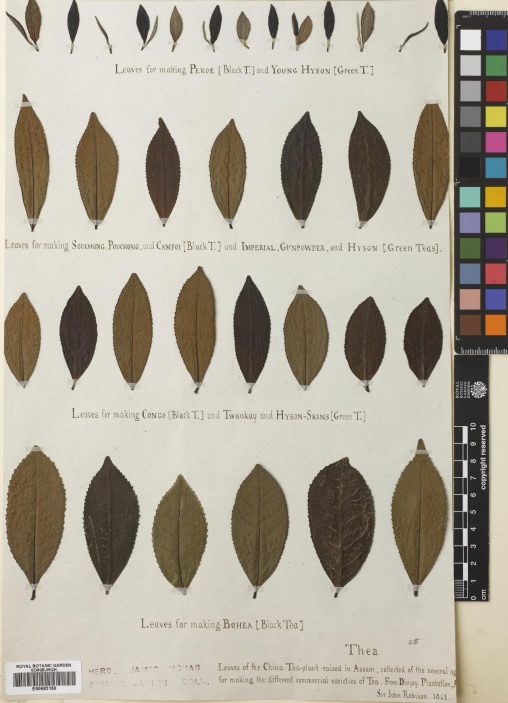
Everyone loves a good cup of tea – as evidenced from our Assam tea bush in the Temperate Glasshouse at Edinburgh. As well as living plants at the…
We are hosting a small two-day workshop at the Royal Botanic Garden, Edinburgh on the 11th-12th September 2014 to discuss issues around morphologically cryptic species, whether we can…
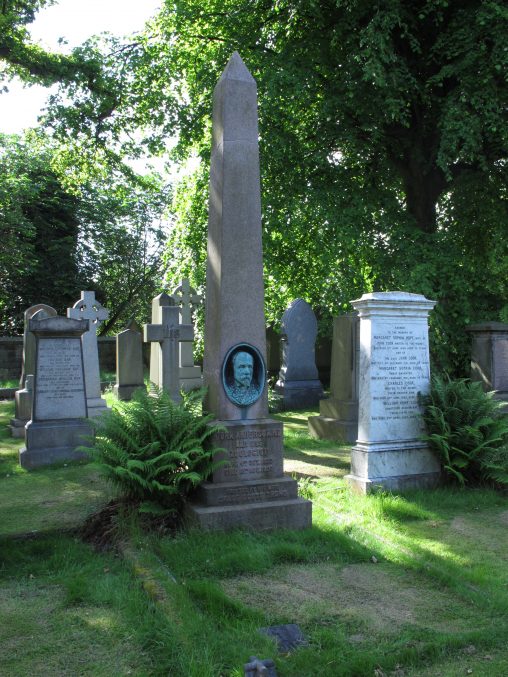
While looking for monuments to people with Indian connections in the Dean Cemetery recently, I was intrigued to see the letters ‘FLS’ emerging from the fringes of an…
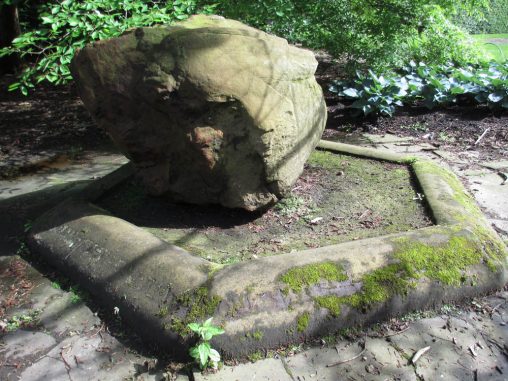
Have you ever wondered what the stone situated to the west of the beech hedge at RBGE is? Have you even noticed it’s there? The lump of red…
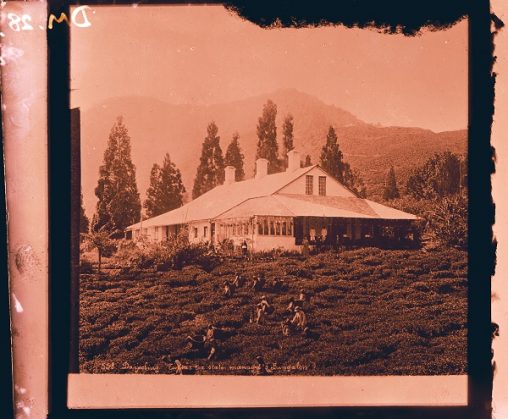
Born on the 24th of April 1851 in Old Meldrum, Aberdeenshire, Scotland. He was educated at the Grammar School, King’s College and Marischal College, Aberdeen, and later attended…
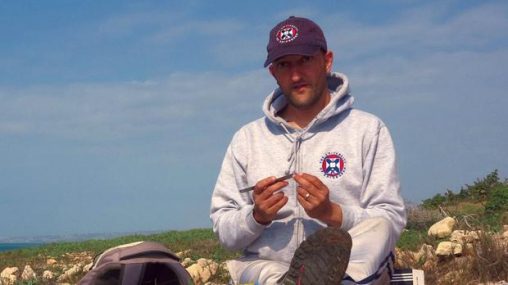
Stephen Mifsud, botanist and former MSc student at the Garden, has discovered a new fern on the island of Malta. The fern is a new subspecies of Polypodium…
Building on the success of the Really Wild Veg trials last year we will be doing further growing trials this year. Last year we grew beet, radish and…