
Category: Other NewsPage 35 of 53
Stories not categories under anything else
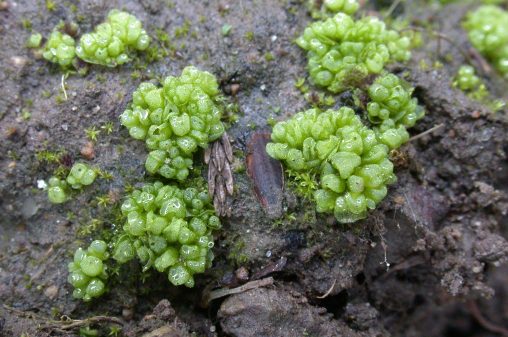
As far as liverworts go, Monocarpus is a rather strange plant. It’s very small, in itself not that unusual for a bryophyte, but rather problematic if you need…
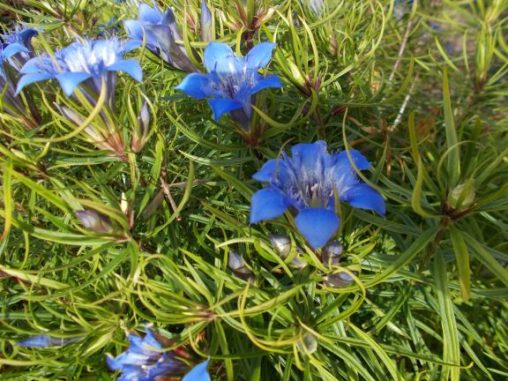
Sitting atop the limestone wall at the alpine area where the roots are guaranteed a growing medium with good drainage is Gentiana paradoxa. Enjoying exposure to full sun…
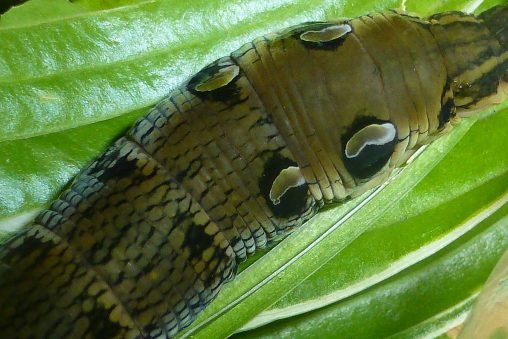
August was quite a bright sunny month especially in the second half, with 23rd being a particularly glorious warm day. Eight more species were added to the Garden’s…
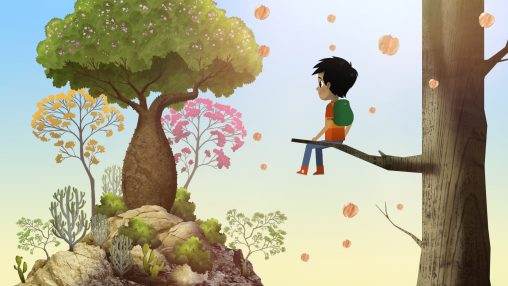
Seasonally Dry Tropical Forests are found throughout Latin America from Mexico to south-western Brazil and northern Argentina. Dry forest is the world’s most threatened tropical forest due to…
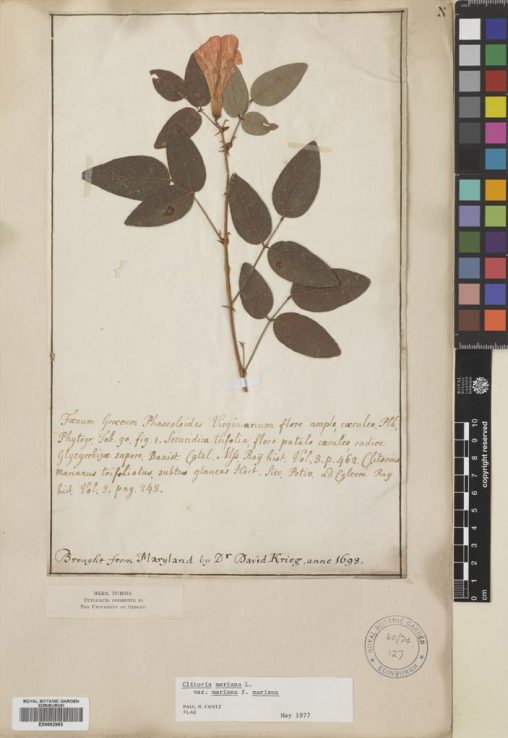
Yesterday saw the 300,000th specimen from our herbarium collection imaged and made available on our website. This is a big milestone for the digitisation programme, which has been…
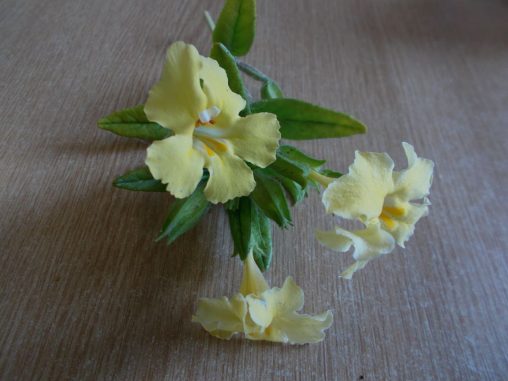
In flower just now is a plant of the Californian chaparral; a shrub land plant community evolving through mild wet winters and hot dry summers. These areas are…
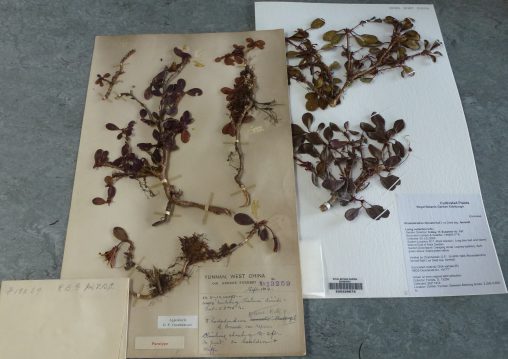
In the Autumn of 1914, George Forrest was travelling in China. His letters written at the time mention the difficulties he was facing in getting permission to…
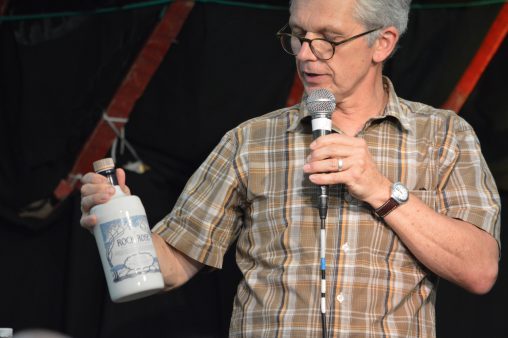
Last week I presented my first one off show as part of the Cabaret of Dangerous Ideas in the Edinburgh Fringe. The event got a good audience and…
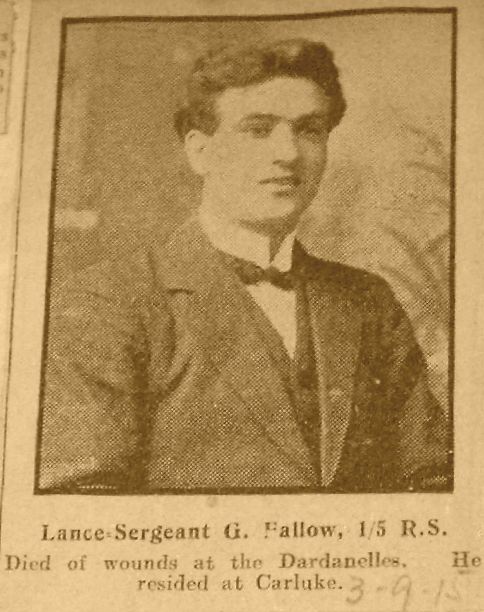
George Cruickshanks Fallow was born to Archibald (a grocer and fruit grower) and Margaret (by 1914 a postmistress) in Rosebank near Dalserf, Lanarkshire on the 5th November 1890. …
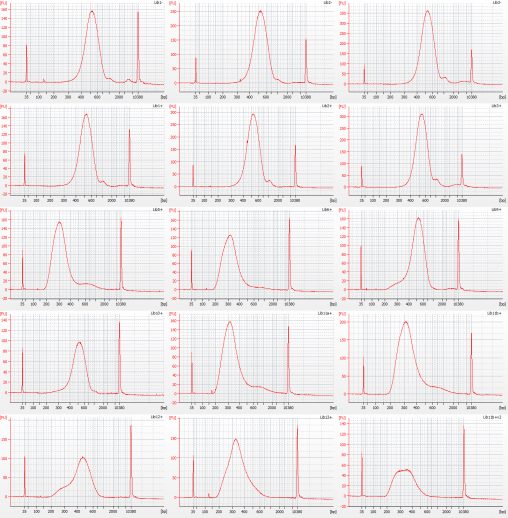
Both the Tru-Seq and NEB libraries were amplified pre-hybrid capture – another step at which modifications were made, according to how much DNA there was in each library….

It may seem an unlikely task but Asylon Theatre have created a beautiful and intensely moving piece of theatre inspired by the devastating ash-dieback disease that is spreading…
As previously mentioned, we tested two different kits in our NBAF project. The first is the Illumina Tru-Seq Nano library preparation kit (FC-121-4001), which recommends a starting DNA…
The flowering of our Amorphophallus titanum (titan arum) was a tremendous event with c 19,000 people visiting the Glasshouses to see the plant growing from a small bud…
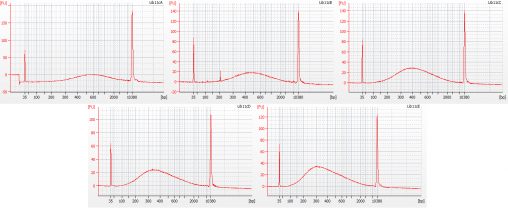
A few days ago, I read a tweet from the Botany2015 meeting in Alberta that described DNA extracted from herbarium specimens as “pre-sheared”. This resonates with our own…
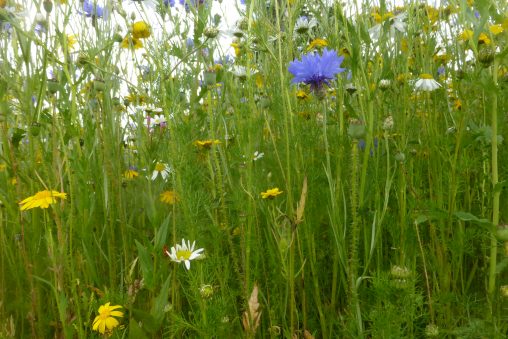
July did indeed start with a heat wave as hinted in June’s report, but once that ended it was all downhill with much of the month being wet…
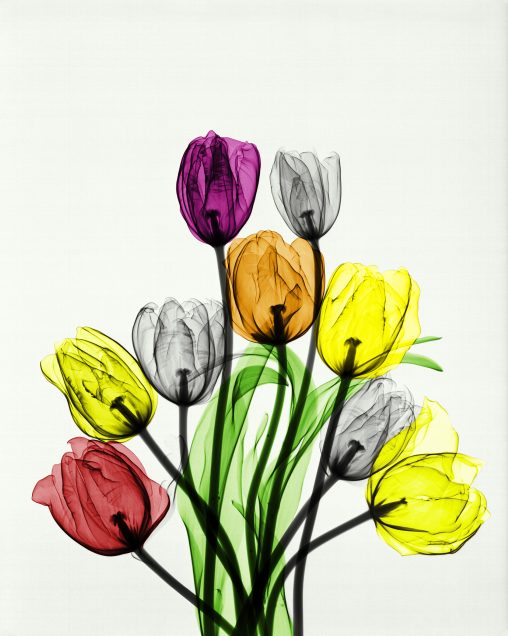
I’m delighted that yet again Fringe shows here at the Royal Botanic Garden Edinburgh have been shortlisted for the Fringe Sustainable Practice Award. Last year’s winners were the…
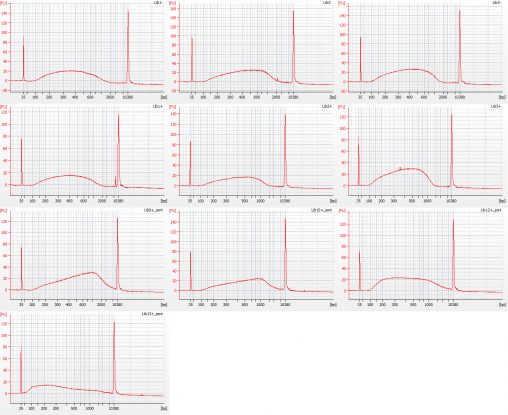
The mantra for many years for next generation sequencing has been, like “garbage in, garbage out”, that the optimal starting point is high quality, high molecular weight DNA….
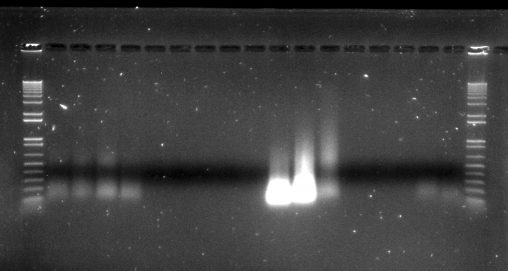
In March this year, having already chosen and obtained the plant material that we were going to use for our NBAF project on using a hybrid bait protocol…
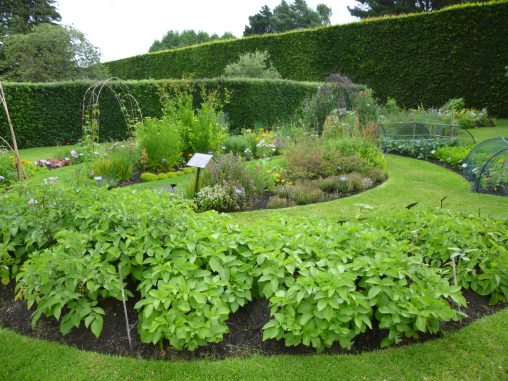
Here is a list of jobs to do in the garden this month: Weed regularly to prevent weeds setting seed for next year. Water copiously if we have…
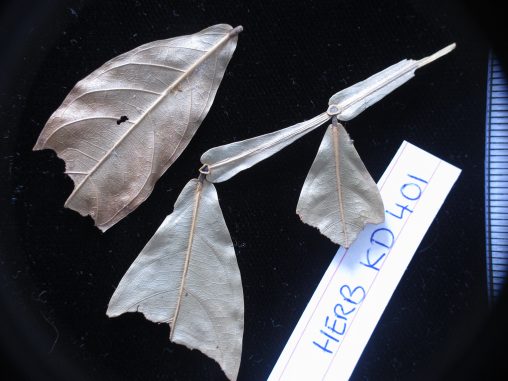
Having chosen Inga umbellifera as the study organism for our NBAF-funded project to test the use of hybrid baits for recovery of DNA sequences from herbarium material, we…