
Year: 2013Page 3 of 21
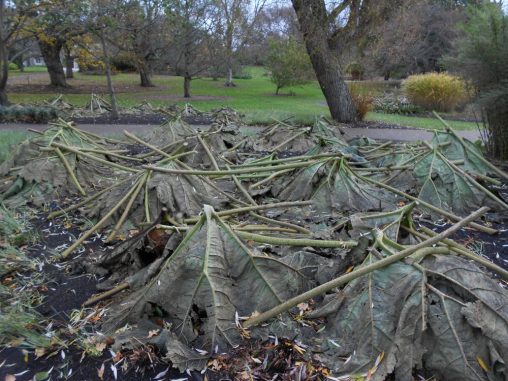
Coincidentally set out to resemble a group of tepees, the giant leaves of Gunnera manicata have been cut down. Left to stand, the winter winds would gust through…

From the RBGE Colombia Fest tent at Rockness in 2013 Next year the RBGE will be presenting a programme of events, exhibitions and engagement on the theme of…
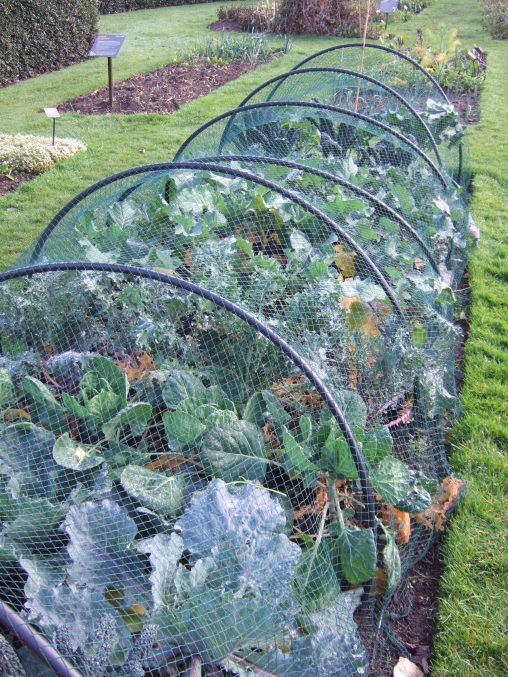
Kale is the quintessential winter crop. 5 reasons to call it super: 1. Super attractive – The leaves come in a range colours and shapes that are equally…
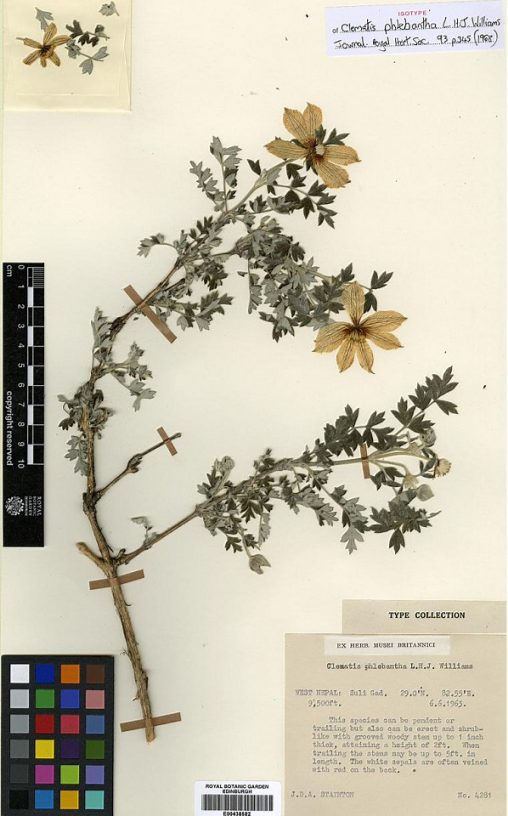
In biogeographic circles everyone likes a good line and no I’m not talking about illicit substance abuse. Biogeographers draw lines on maps to divide geographic area and to…
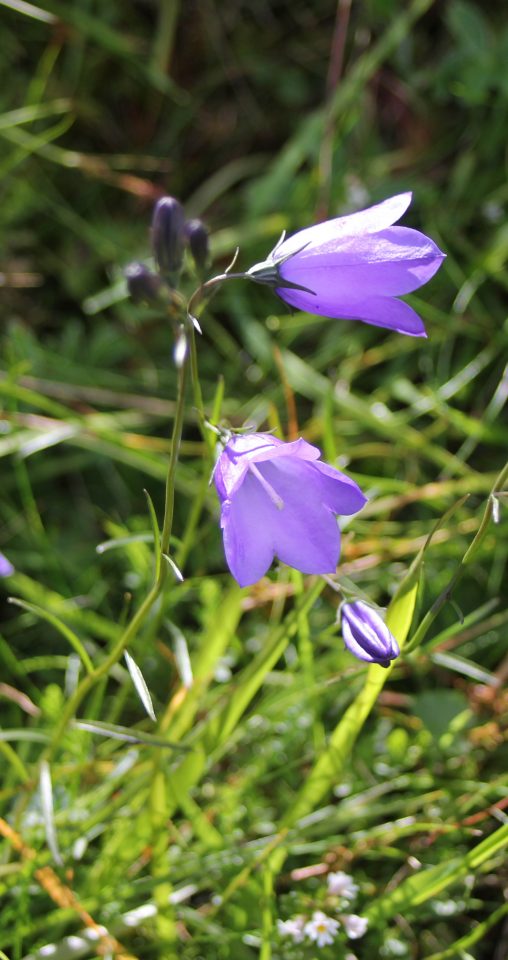
When the RBGE announced the results for the public vote on Scotland’s Big 5 Favourite Plants the Scottish Bluebell came second to the Scot’s Pine. Since then, there…
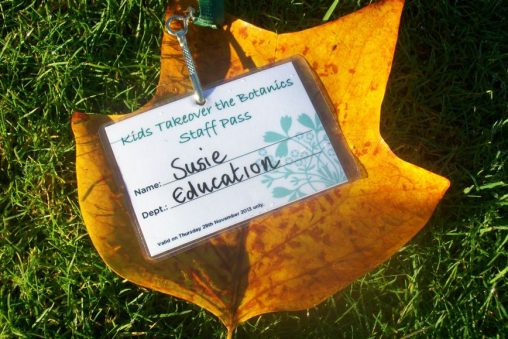
The Royal Botanic Garden Edinburgh (RBGE) is delighted to be the first garden ever to take part in the national ‘Kids Takeover the Museum Day’ on Thursday 28th November…
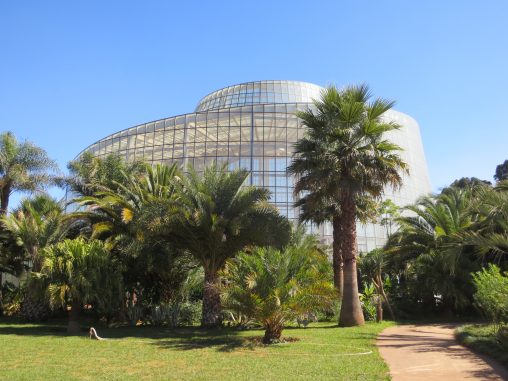
From 14th – 22nd November 35 staff from 20 of China’s Botanical Gardens have been attending a horticulture training course at Kunming Botanic Garden. This course has been…
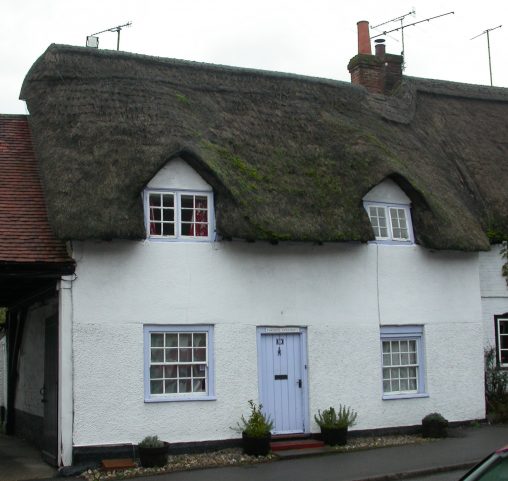
Lichens are a specialised group of fungi that are useful indicators of the state of the environment. The loss of various species sensitive to air pollution created by…
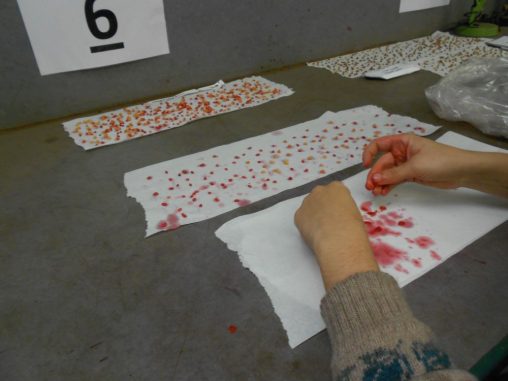
Most people gather seasonal fruits for preserves. At the Garden we collect a selection of material for seed sowing demonstrations as class practical’s for the various horticultural courses…
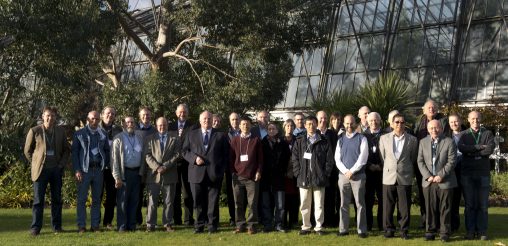
The first meeting of the Consortium for the World Flora Online was held at RBGE on the 14th and 15th November 2013. This is the latest in a…
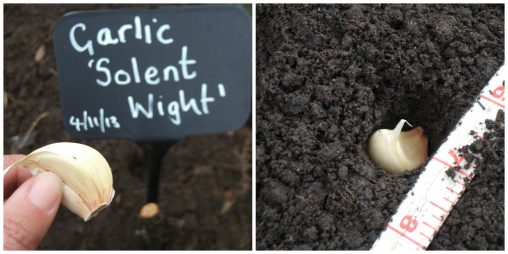
Garlic can be planted anytime in late autumn or early winter. It actually benefits from a cold spell, which helps it to form the best bulbs. There is…
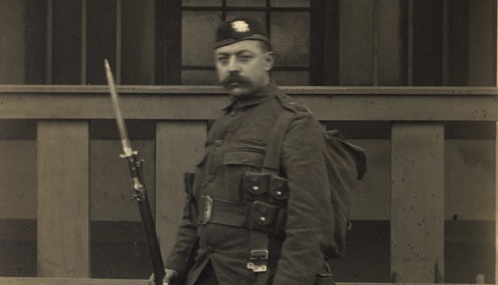
2013 marks the 100th anniversary of the foundation of the RBGE Guild. The primary role of the Guild was to be an agent of social intercourse and support…

The Sea Change exhibition runs until 26 January 2014 at the John Hope Gateway, Royal Botanic Garden Edinburgh. www.rbge.org.uk/seachange
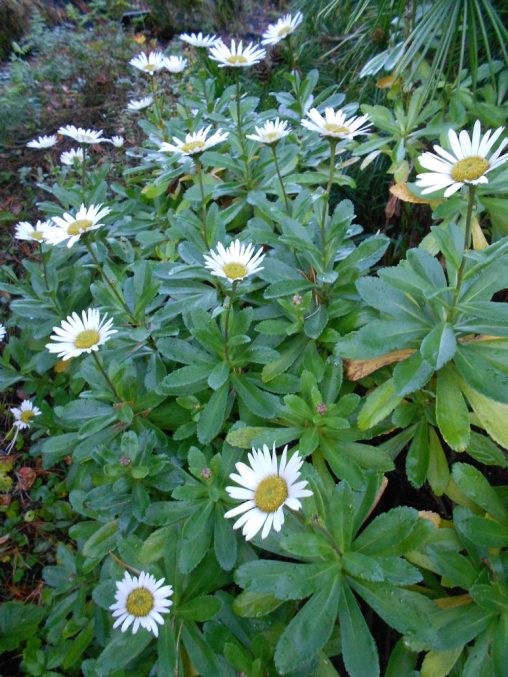
A sub shrub, one that continues to increase in woody growth until a severe winter cuts it to the ground like an herbaceous plant. The growth habit of…
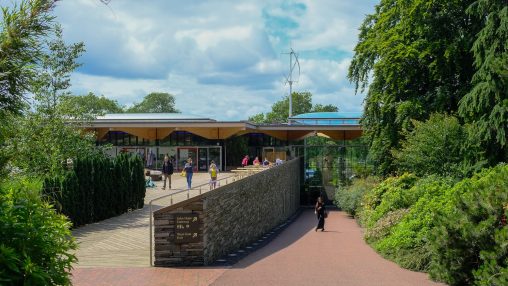
The John Hope Gateway opened in October 2009, it is RBGEs biodiversity and information centre, and the main entrance to the garden at Inverleith.
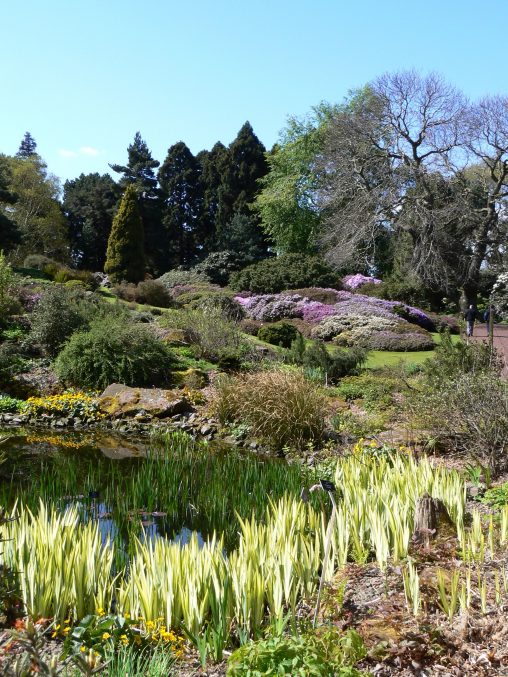
The first rock garden at Inverleith was built in 1871 by James McNab. Whilst rockeries (landscaped features with rocks) were popular, the concept of a rock garden designed for true alpines was new.
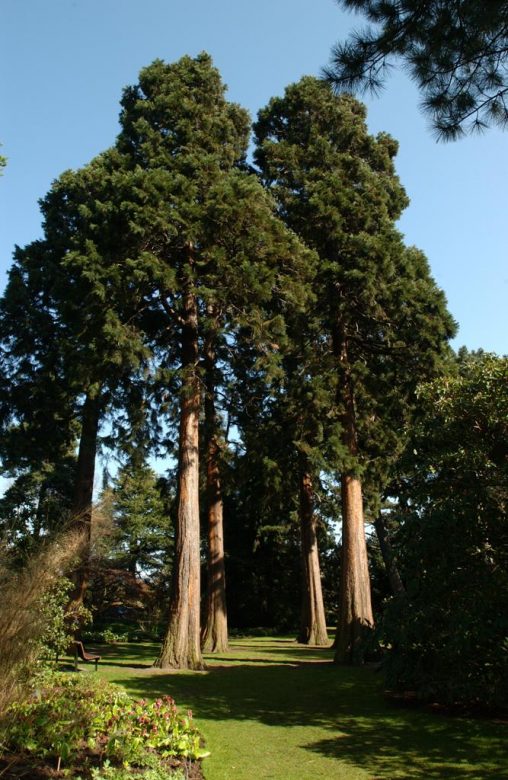
The woodland garden was developed during the 1930s and 1940s, with large conifers planted to create a climate for Rhododendrons and other woodland plants which benefit from a more shaded aspect.
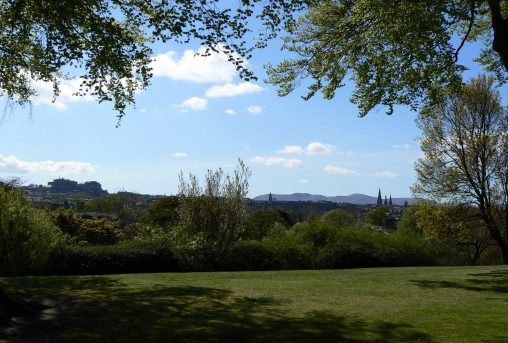
The lawn in front of Inverleith House provides an opportunity for visitors to relax and take in a spectacular panorama of the city, stretching from Calton Hill (left), along the length of Princes Street to Edinburgh Castle rising up on the mound (Right).
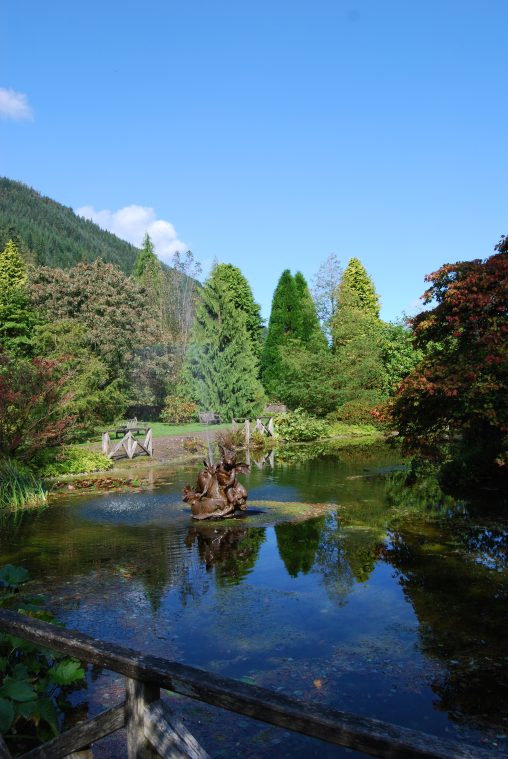
The pond was created by Piers Patrick (1861-1870), with the bronze fountain of the Boy with Two Dolphins being added by James Duncan (1870-1889).
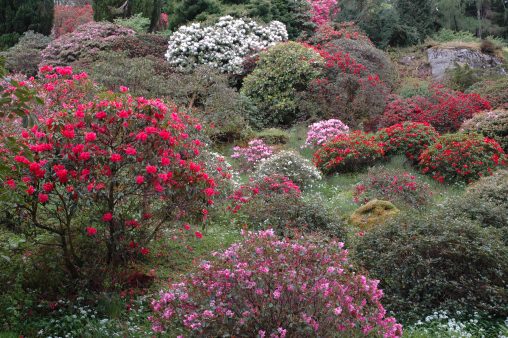
Rhododendrons form an integral part of Benmore’s history. They were one of the main drivers for finding a West Coast garden, as the conditions and space at Inverleith were not suited to the numerous new species that were being bought back by Forrest, Wilson and Rock.