
Category: Garden WildlifePage 8 of 68
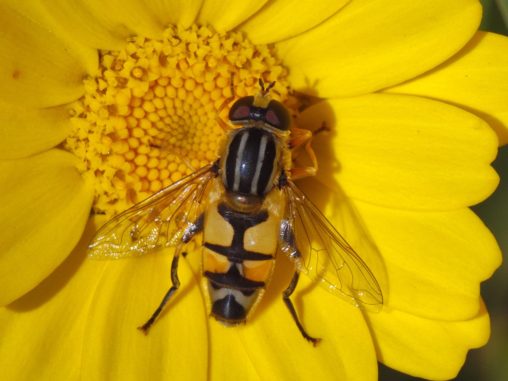
September 2019, perhaps predictably, followed the pattern of previous months this summer. Once again it was both sunnier (141.4 hours, 129% of average) and wetter (79.4 mm, 161%…
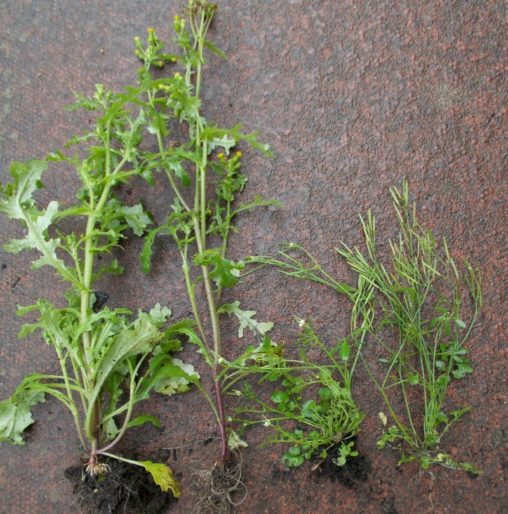
As herbaceous foliage dies back those weeds that were missed when cultivating through the border during the summer months reveal themselves. With mild temperatures any annuals left to…
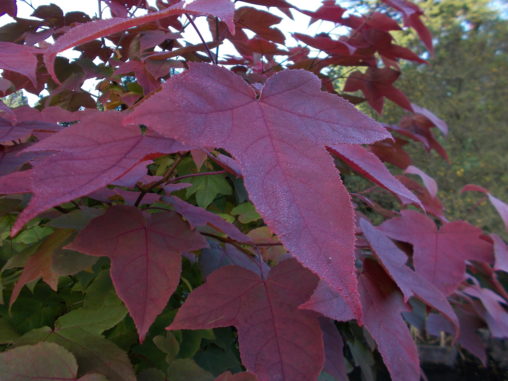
The start of the leaf colour season. Stresses show up as early autumn colour. Where plants grow is soils of poor nutrient status or moisture deficit these are…
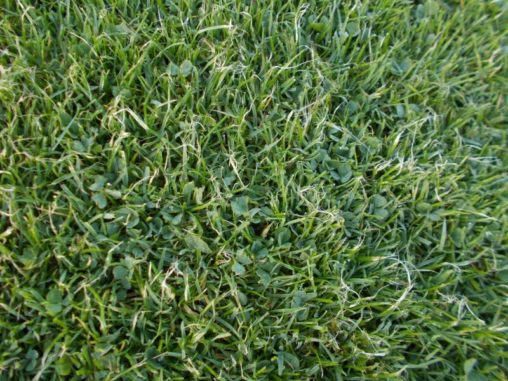
As we dig deeper into autumn thoughts of the last mow of the lawn come to mind. This is the time to raise the height on the mower….
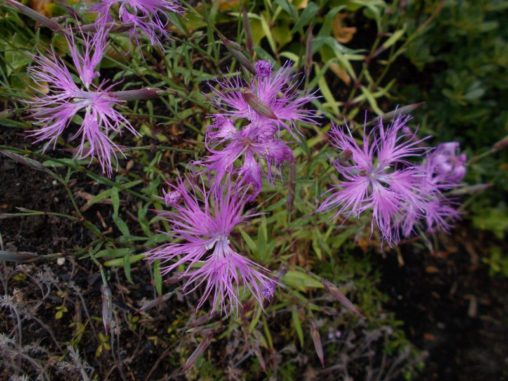
The flowers of Dianthus superbus var. longicalycinus are delicate in composition, resembling silk threads. The plant is a short lived perennial sending flower stalks up to 180mm. These…
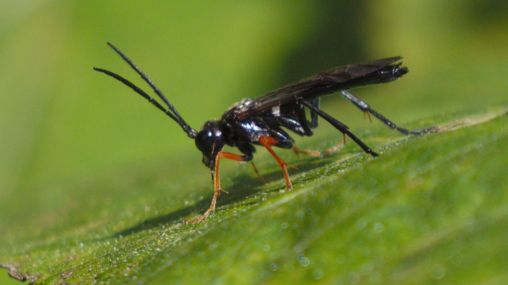
Summer 2019 seems to have been following a pattern, for August 2019, like July, was a month when both sunshine (201.7 hours, 179% of average) and rainfall (140.8…
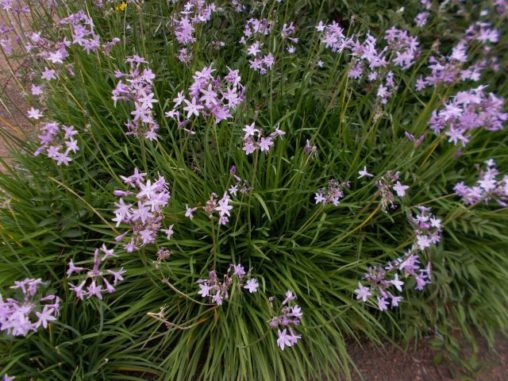
The disadvantage of Tulbaghia violacea is the ever present smell of onions lingering around the planting. This gets worse in wet weather, the force of raindrops bruising the…
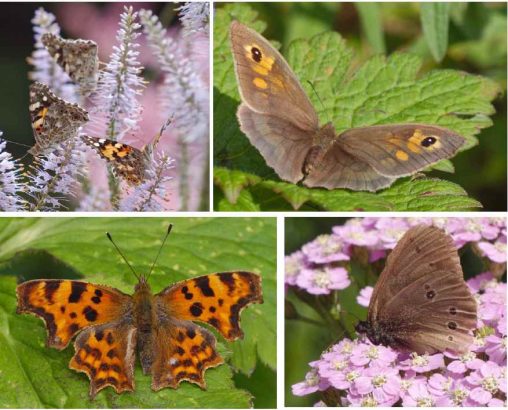
July 2019 has been described as the warmest globally on record. It was also a warm month at the Botanics, due in part to an intense heatwave in…
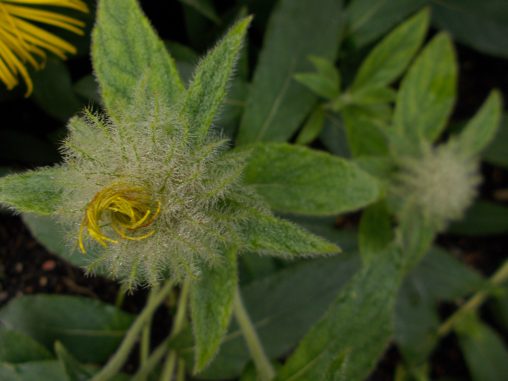
The real detail of Inula hookeri is the unfurling flower bud. A late flowering gem of Himalayan vegetation it resembles a swirl of frosted ice with the yellow…
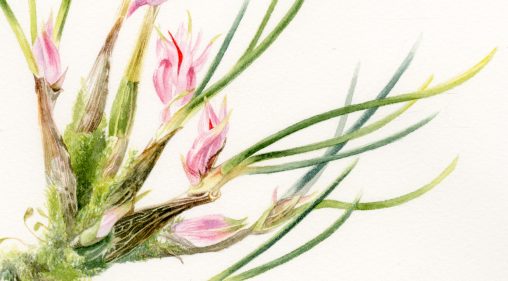
In a cloud forest on the Indonesian island of Seram an orchid was collected during an expedition led by the Royal Botanic Garden Edinburgh in 1986. The living…
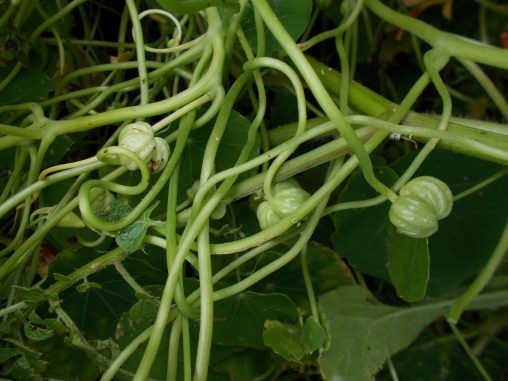
The Gentians are flowering, the first apples have fallen and beneath the mass of foliage Nasturtium seed pods are to be found. All coinciding with the end of…
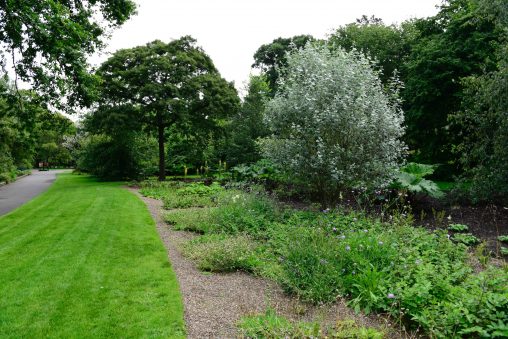
In the past few years at the Royal Botanic Garden Edinburgh (RBGE) we have experienced changing weather patterns that reflect how climate change will affect Scotland in the…
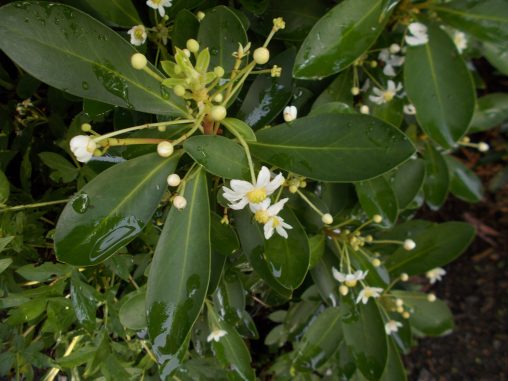
Drimys andina is a compact evergreen shrub native to Chile and Argentina. It is currently producing clusters of white petalled flowers at the end of the current season’s…
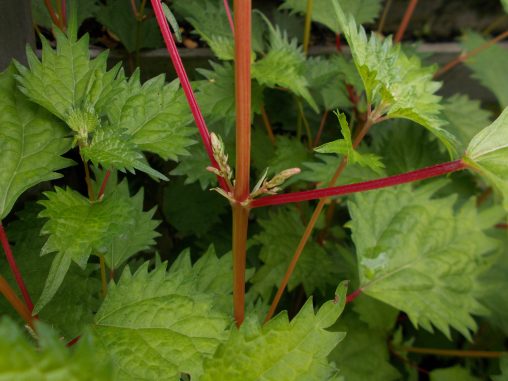
A childhood dream; a nettle patch you can fall into and emerge unscathed from. Growing in the south facing glasshouse border is a planting of Boehmeria ticuspis var….
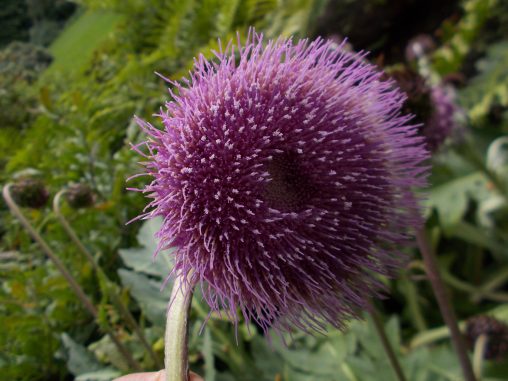
The shepherds crook bend on the flower stalk of Cirsium purpuratum ensure the densely packed mass of flower parts are dry and attractive to bees who have no…
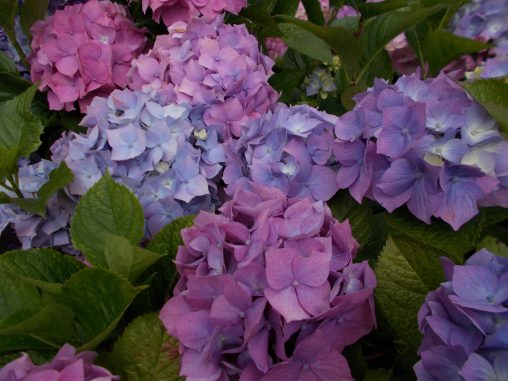
Once seen this planting of Hydrangea will either make you want to fill your front garden with a similar planting or you will think – too blousy and…
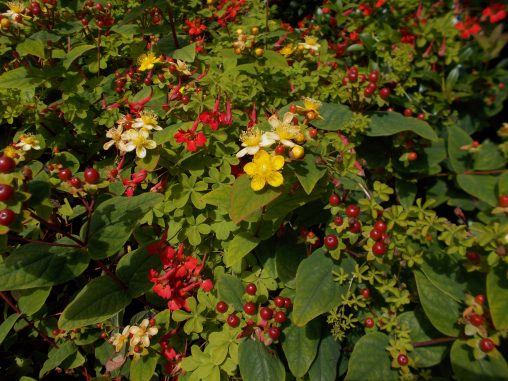
Tropaeolum speciosum is often observed growing through woody plants and hedges at RBGE. Rarely though does it associate with its supportive partner as well as when seen growing…
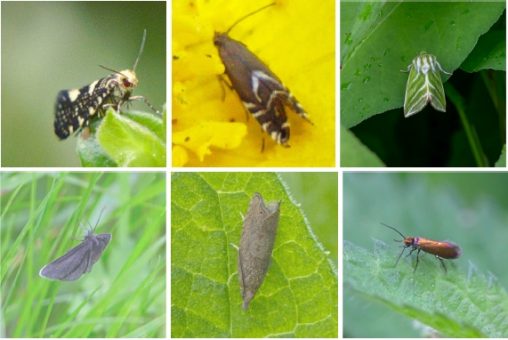
June 2019 was a showery, often rather chilly month at the Garden for the most part. Total rainfall at the Garden was 78.8 mm — much less than…
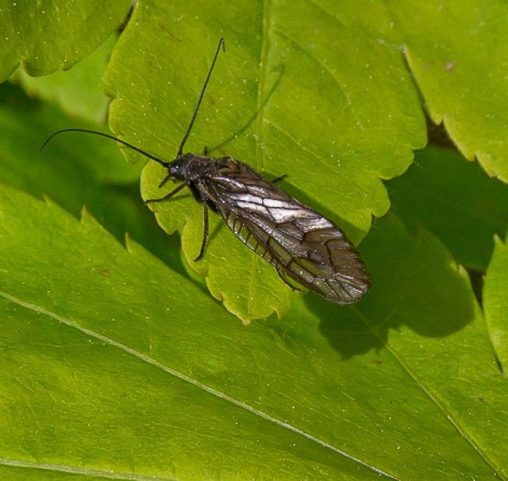
On 13 May 2019, Alan Crawford, one of the wildlife photographers that regularly visit the Garden, photographed an unusual insect and identified it as being an alderfly. There…
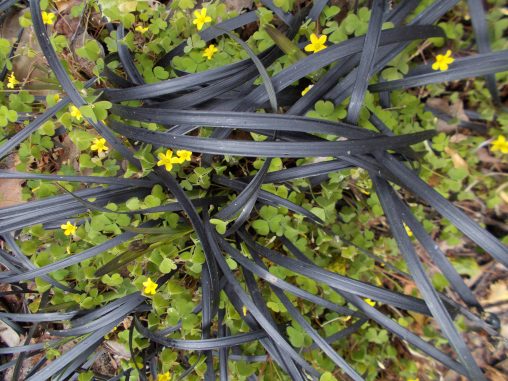
Growing through the planting of Ophiopogon planiscapus ‘Nigrescens’ at the edge of the Copse is Oxalis corniculata a low growing creeping weed. Both plants adapted to dry, shaded…