Category: SciencePage 16 of 38
Latest science blog posts from the Royal Botanic Garden Edinburgh
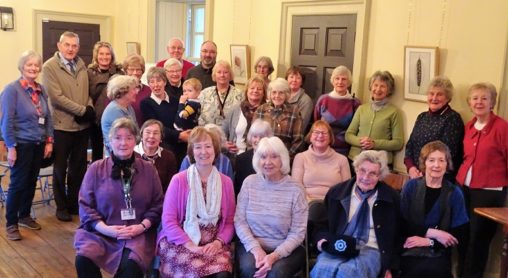
A series of posts from our volunteers … Laura Gunstensen – Library Volunteer The ‘Botanics’ have always been a very special place for me since I arrived, fresh…
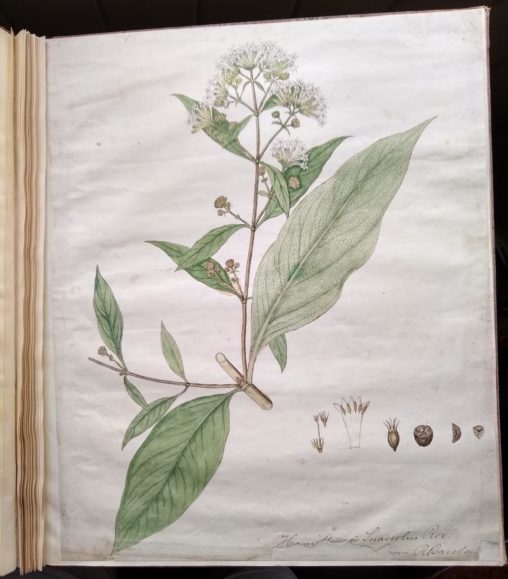
Some years ago, as part of the barter economy, I acquired a handsome, but all but empty, early nineteenth-century album, its calf spine lettered in gilt ‘CHINESE PAINTINGS’….
A series of posts from our volunteers … Helen Bennett A period of secondment from Scottish Arts Council in 2006 confirmed my ambition to volunteer with Royal Botanic…
A series of posts from our volunteers … Jane Gardner My name is Jane Gardner and I am retired. I have lived in Edinburgh for nearly six years…
A series of posts from our volunteers … Brenda White – A Photography Volunteer Long ago, when the world was simple, and taking photos involved no more effort…
A series of posts from our volunteers … Simon Muirhead – Trawling through the Archive For some years I have been a member of EDFAS [Edinburgh Decorative and…
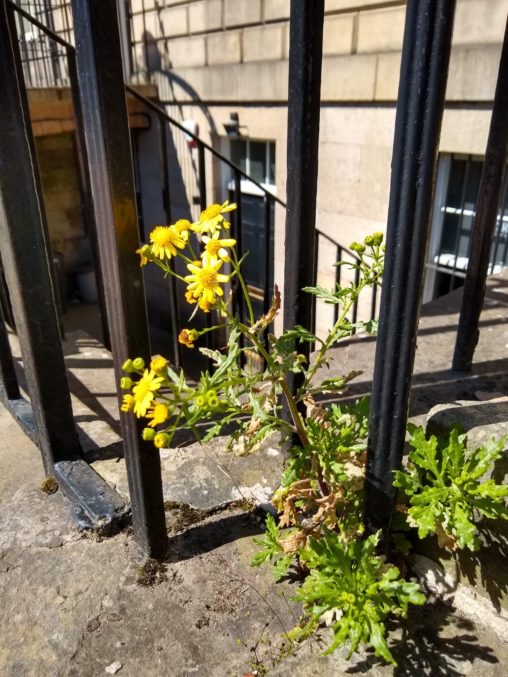
Henry Noltie Introduction In 1823 Robert Brown published an account of the plants collected on Melville Island in the Canadian Arctic during the first voyage (1819–20) commanded by…
A series of posts from our volunteers … Peter Middleton I’m a retired journalist, cum corporate communications director. Ok, so I was a sort-of spin doctor working for…
A series of posts from our volunteers … Paul and Ruth Maxwell We came to be Volunteers at RBGE quite by chance in that while attending a Fine…
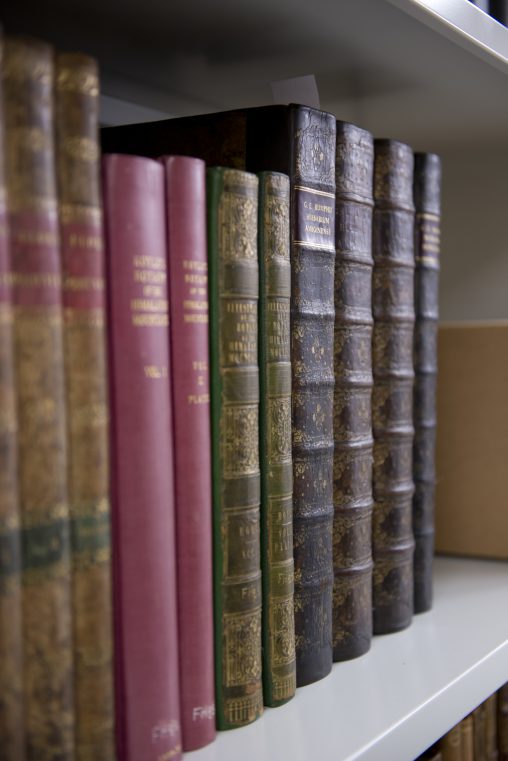
In March 2020, in response to the Coronavirus outbreak, the RBGE Library, Archives and Photography staff, along with most of our colleagues, found ourselves working remotely from home….
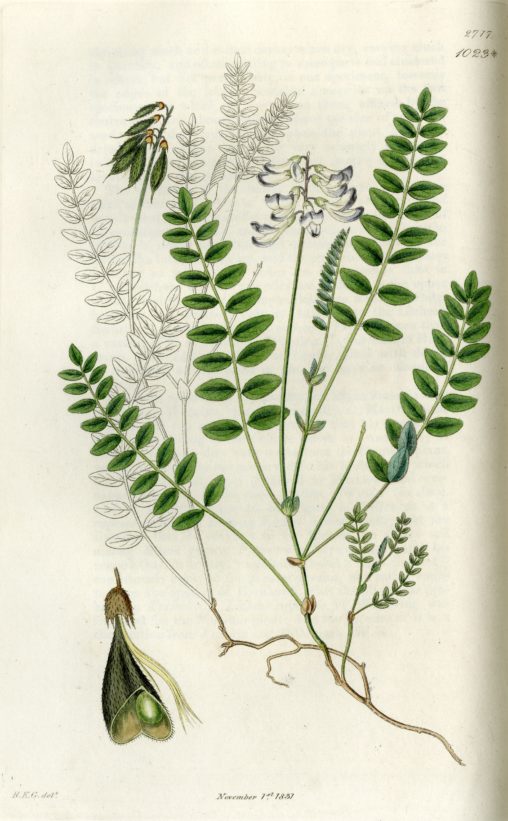
Henry Noltie In pursuit of interesting facts for some captions I was recently asked to write I turned to David Pearman’s fascinating account of the first records of…
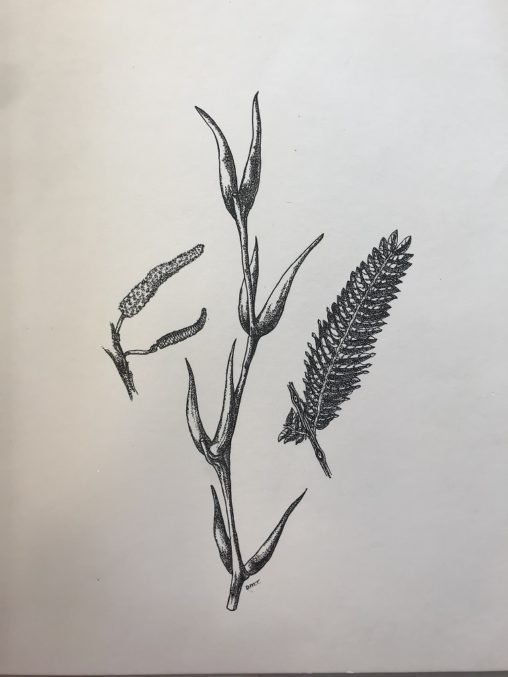
In January 2020 Manshu Xu, an MSc student at Edinburgh College of Art began a work placement in the RBGE Library that involved creating an initial finding list…
As with all other aspects of our lives, the Coronavirus pandemic has impacted on the scholarly communication process. With most libraries closed, a number of publishers have made…
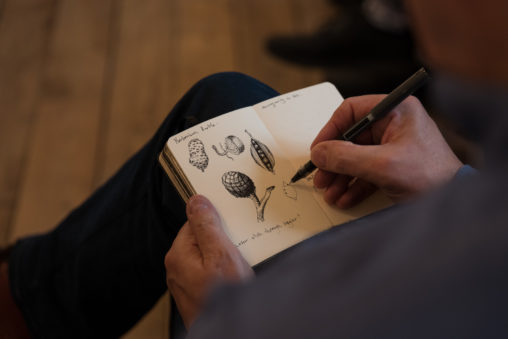
Alessandra Leruste has been a Volunteer gallery assistant with Inverleith House since 2019. Alessandra has an MA in History of art from the University of Edinburgh and has her own art-writing blog. Here, Alessandra shares her experience from the afternoon of Siân Bowen’s micro-conference at RBGE.
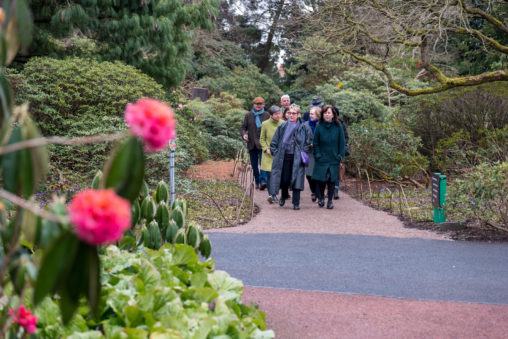
Klaudia Jaworska is in her third year at Edinburgh Napier University, studying International Festivals and Events Management and Marketing. As part of her course, she is currently carrying out a work placement in RBGE’s Public Engagement Department. Here, Klaudia shares her experience from the morning of Siân Bowen’s micro-conference at RBGE.
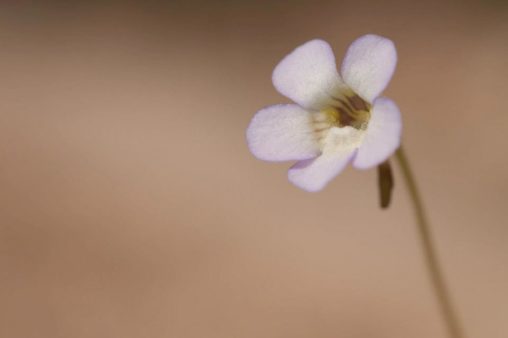
“Hey Zoë, we’ve found a Pinguicula!” “I doubt it, they don’t grow in Belize.” “Well, this is definitely a Pinguicula.” With that conversation shouted across a hillside, we…
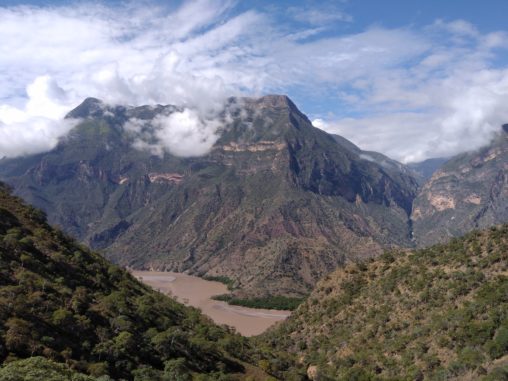
Working in the dry forests of the Marañón valley in Peru can be pretty intense. Firstly, as you might expect, it can get exceptionally hot. While clouds might…
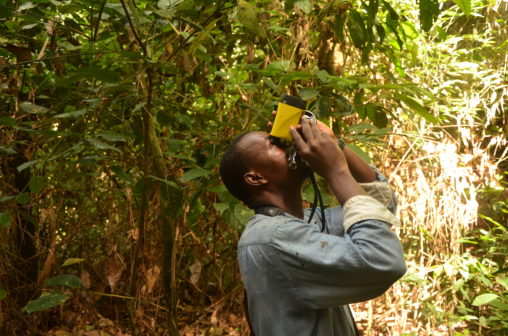
RBGE scientists contribute to a landmark study suggesting that increasing global temperatures may cause both Amazon and African rainforests to become net sources, rather than sinks, of carbon…
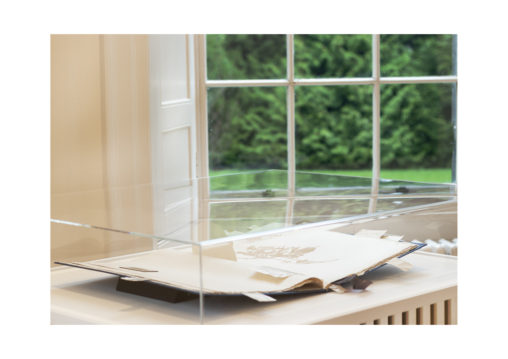
After Hortus Malabaricus: Sensing and Presencing Rare Plants marks the culmination of my four-year collaboration with the Herbarium at the Royal Botanic Garden Edinburgh (RBGE). Having held my first solo exhibition in Scotland at Inverleith House at RBGE in 1995, it is wonderful to be able to exhibit here once again. In 2017, I was awarded a Leverhulme Research Fellowship to carry out the project. The Leverhulme Trust is known for supporting experimental proposals with an emphasis on outward facing journeys. The journey that the award facilitated has certainly been extraordinary – opening up possibilities to work with botanists, ecologists, historical researchers, cultural geographers, taxonomists and curators. It has allowed encounters with rare plants in darkened herbaria and light-filled South Indian forests and swamps; epistemologies used to ‘reveal’ specimens and sensory differences between plants’ live and preserved states.
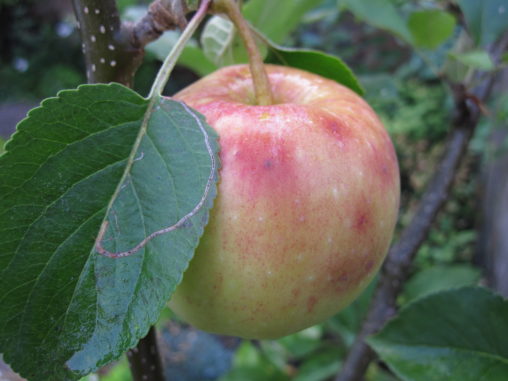
The Scottish native wild apple (Malus sylvestris), like the Scottish wild cat, could be regarded as being under threat from interbreeding with its domesticated counterpart. In the cat’s…