
Page 98 of 126
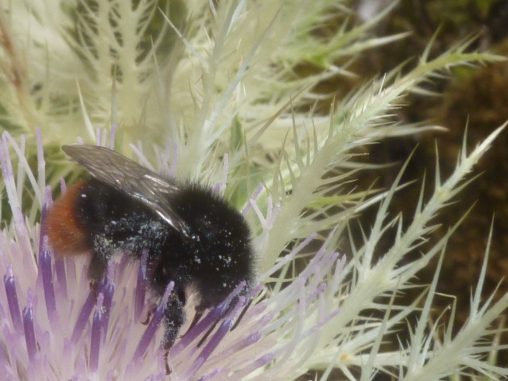
Slowly but surely bees are beginning to buzz in the Botanics this slow, late spring. As more flowers come into bloom more bees, and more bee species, emerge….

The Himalayan Garden (@The_Hutts) tweeted this great picture of two RBGE staff on a Rhododendron tour run by David Chamberlain. ‘the brothers hairy’ Chris Coatham and David Tricker…
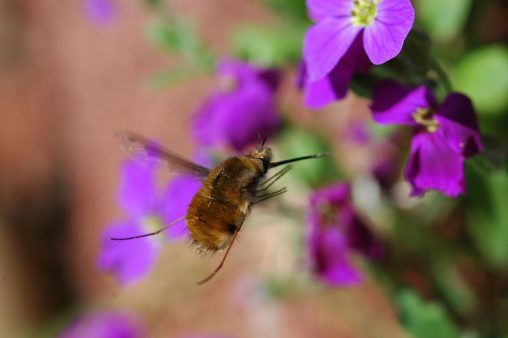
A Greater Bee-fly, Bombylius major, was spotted in the Copse yesterday and again today, visiting the mass of Pulmonaria ‘Munstead Blue’ near the entrance opposite the path to…
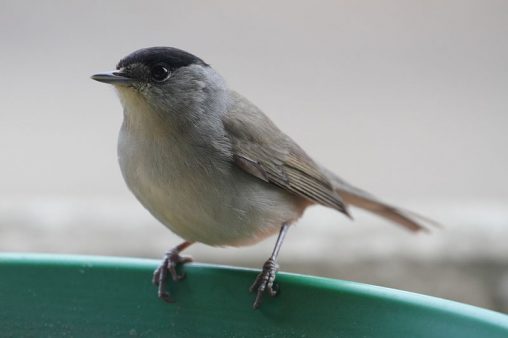
The Garden seemed full of spring migrants this morning! I heard at least three, possibly four, different Willow Warblers around the Chinese Hillside and Pond areas. A Chiffchaff…
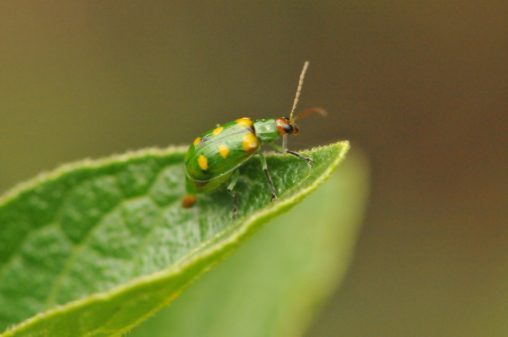
Identifying traits that make organisms prone to extinction is an important question in conservation biology. Studies thus far have focused on extinction risks in vertebrates, but we know…
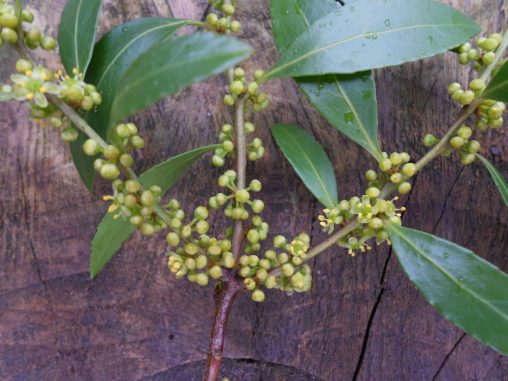
The mature specimens of Maytenus boaria seen in the garden are laden with flower buds. As these open the four yellow anthers are prominently displayed proud of the…
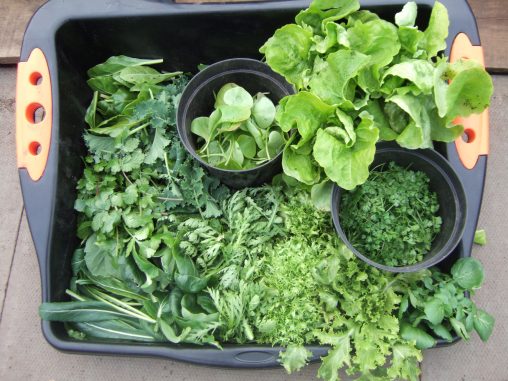
The Edible Garden at the Royal Botanic Gardens Edinburgh is carefully tended by a team of dedicated volunteers. In reward for their endeavours the volunteers are able to…

A Willow Warbler was heard singing from bushes on the Chinese Hillside this morning (15 April) – the first spring migrant bird to arrive in RBGE this year!…
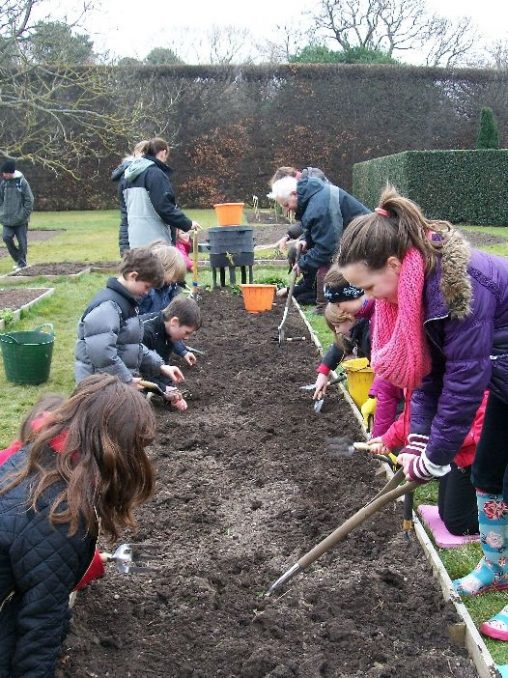
Pupils finally had a chance to work on their plots this week due to better weather. We prepared our plots by first weeding them using hand tools and…
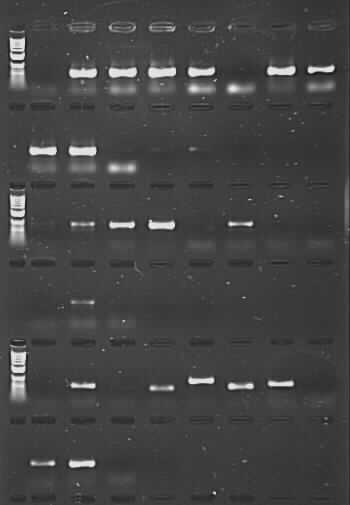
It’s a confusing world out there – betaine, DMSO, bovine serum albumin (BSA), trehalose, glycerol, formamide – the list of things that you can throw into a PCR…
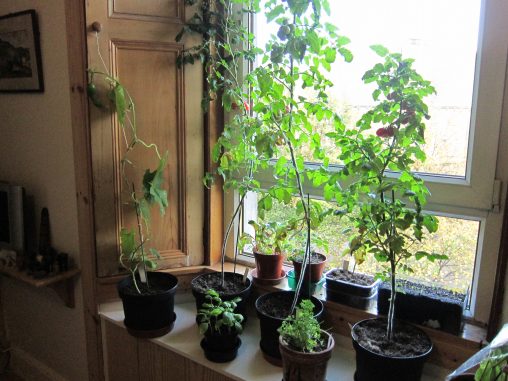
Growing fruit and vegetables is an immensely rewarding and popular activity. The average waiting time for an allotment in Edinburgh is 4 ½ years with some people waiting…
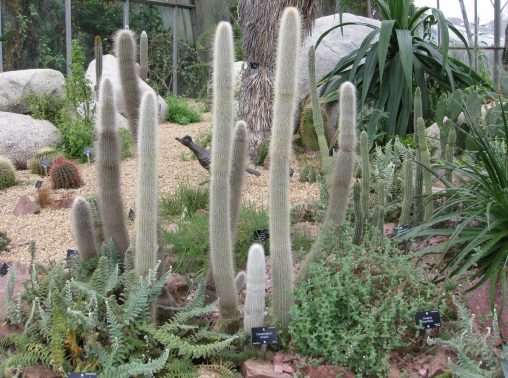
On the first weekend in April fern enthusiasts had a meeting in Edinburgh. Members of the British Pteridological Society (Fern Society) heard horticulturalist Andrew Ensoll describe an official…
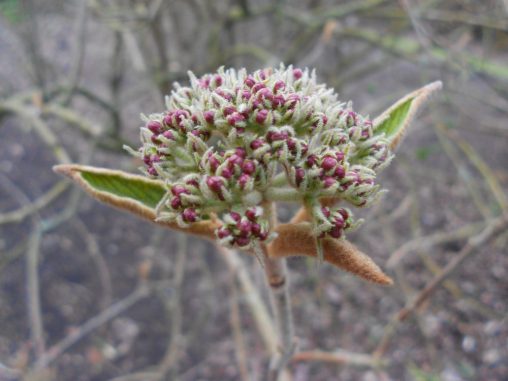
With leaves unfurling and flower buds poised to burst Viburnum buddlejifolium is an open growing wide spreading semi evergreen shrub native to Central China. In its present stage…
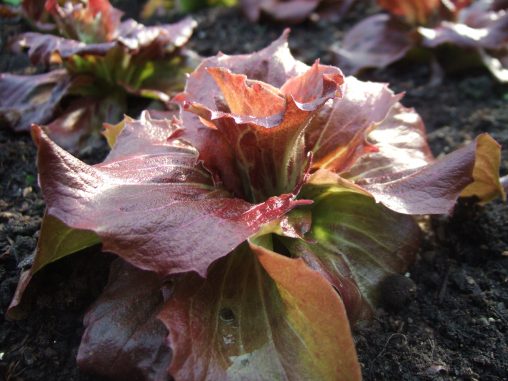
Endives and chicory are attractive salad plants that are now found in many pre-prepared supermarket salad bags. They are relatively hardy and easy to grow. Some varieties provide…

Throughout his catalogue of the East India Company Herbarium, Nathaniel Wallich makes reference to herbarium collections by using the abbreviations ‘Herb.’, ‘Hb.’ or simply ‘H.’ The clues to…
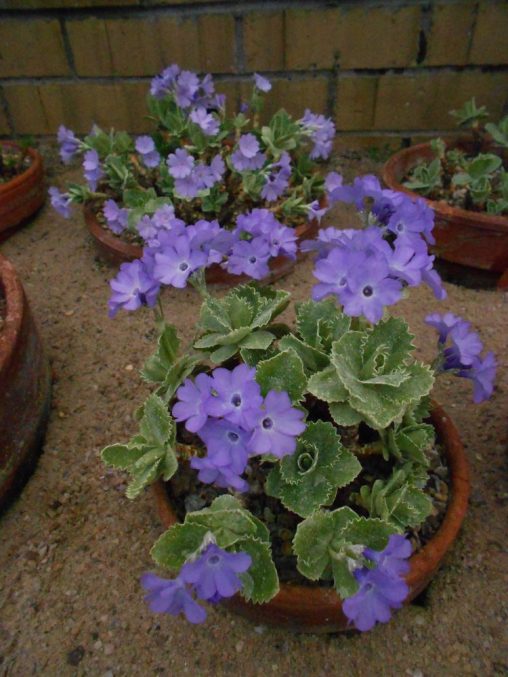
The extended cold has taken a toll on clay pots. These pots are absorbent and susceptible to freezing and thawing temperatures. Dependant on the kiln temperatures when fired…
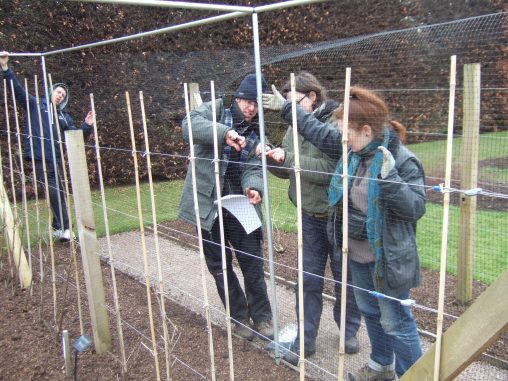
The Siberian winds this March have put a stop to any outdoor seed sowing in the Edible Garden. However, it is still possible to sow hardy crops indoors…
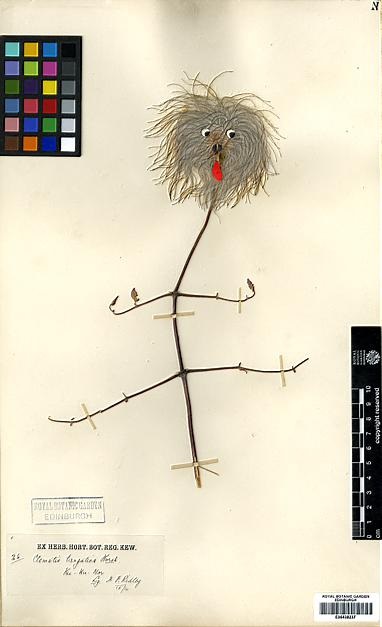
As part of my project for the Flora of Nepal I am revising the species of Clematis and the closely related genus Naravelia that occur there. I spend…
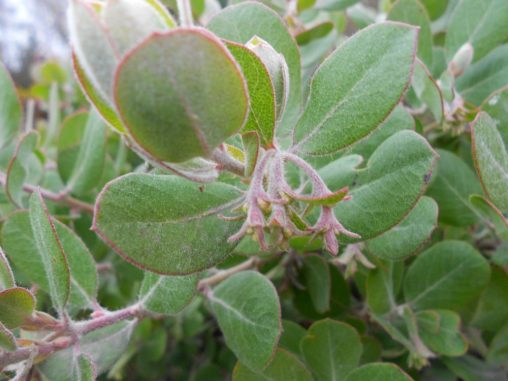
Clumping over a mound in the rock garden is a sturdy plant, Arctostaphylos pumila, an evergreen shrub of the Ericaceous family. It is endemic to a small area…
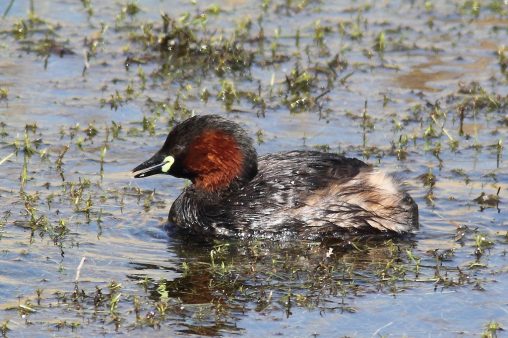
Three Canada Geese were on the Pond at RBGE Edinburgh yesterday (21 March) – two adults and a juvenile, distinguishable by its more orange beak. A Dabchick (also…