
Tag: biodiversityPage 3 of 5
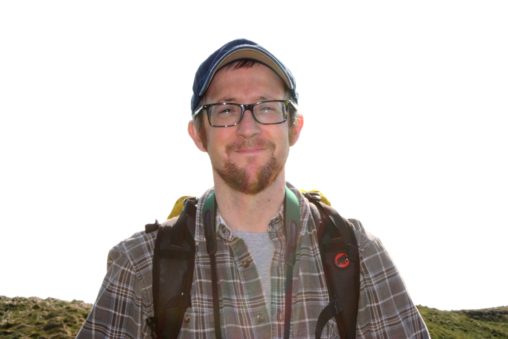
Harnessing ecological knowledge for sustainable agriculture. Professor Rob Brooker is a plant ecologist working at sites across Scotland. His research focuses on the interactions between plants, which can…
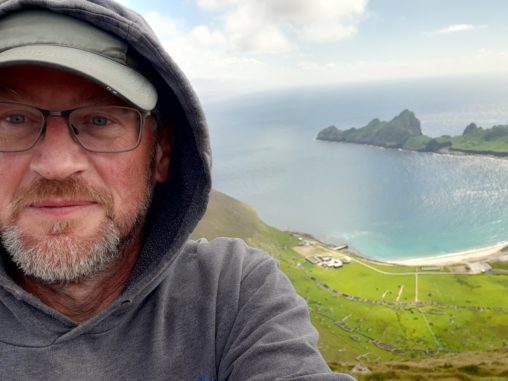
Leading large-scale research into grazing impacts on upland biodiversity. Professor Robin Pakeman’s wide-ranging ecological research spans plant functional traits, the diets of Soay sheep, long-term vegetation change and…
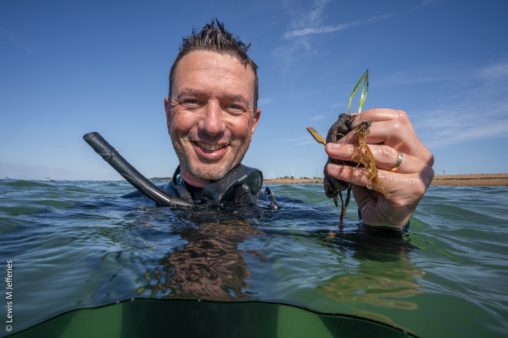
Combining research and community action to secure a future for seagrass. Marine scientist Dr Richard Lilley started his research career studying sustainable supply chain management in small-scale capture…
Modelling marine ecosystems for conservation and sustainability. As leader of the Oceanography Group within the Marine Scotland Directorate of the Scottish Government, Dr Alejandro Gallego coordinates the observation…
Revealing the hidden impact of plant pests and pathogens. Plant and soil ecologist Dr Ruth Mitchell studies how human activities – such as land use, grazing pressure and…
Improving understanding of climate change impacts. Global change ecologist, Professor Alistair Jump explores the impacts of climate on ecological systems, our dependence on and our place within them….
Understanding the interplay between landscapes and people. Professor Jaboury Ghazoul is plant ecologist studying the bidirectional impacts of land-use decisions and ecological processes. Previously focused on the tropics…
Essential empirical data for effective ecological restoration. Human activity can have both positive and negative impacts on biodiversity, often playing out over long timescales. Professor Kirsty Park’s research…
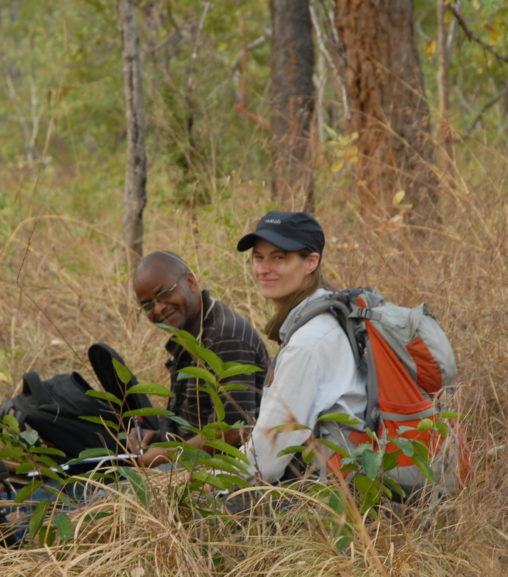
A radical approach to forest degradation and destruction. The role of plantation agriculture in deforestation – and hence biodiversity loss and climate catastrophe – has been widely publicised,…

Exploring open ecosystems through a lens of environmental and social justice. Dr Caroline Lehmann describes her research as a “bridge between evolutionary and ecological science to understand the…
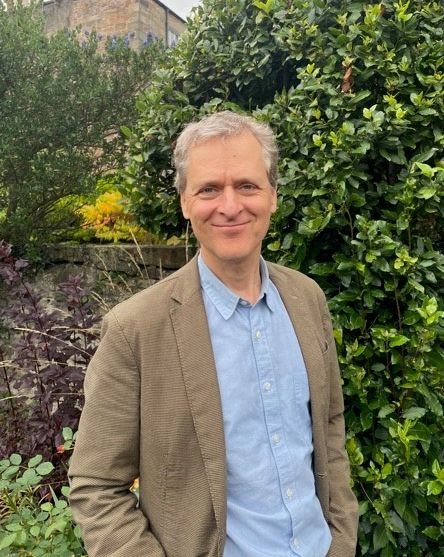
In the run-up to the global biodiversity conference, COP15, we present a series of posts in partnership with Scottish Government and NatureScot, showcasing Scotland’s innovative, high-impact research supporting…
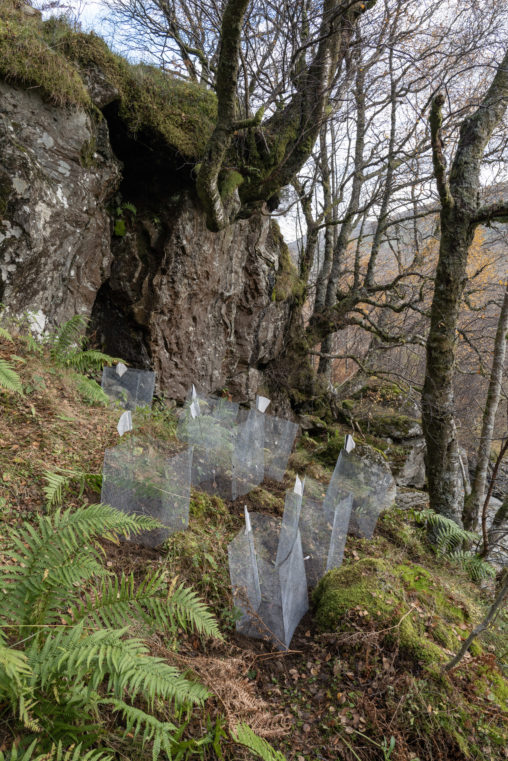
In the run-up to the global biodiversity conference, COP15, we present a series of posts in partnership with Scottish Government and NatureScot, showcasing Scotland’s innovative, high-impact research supporting…
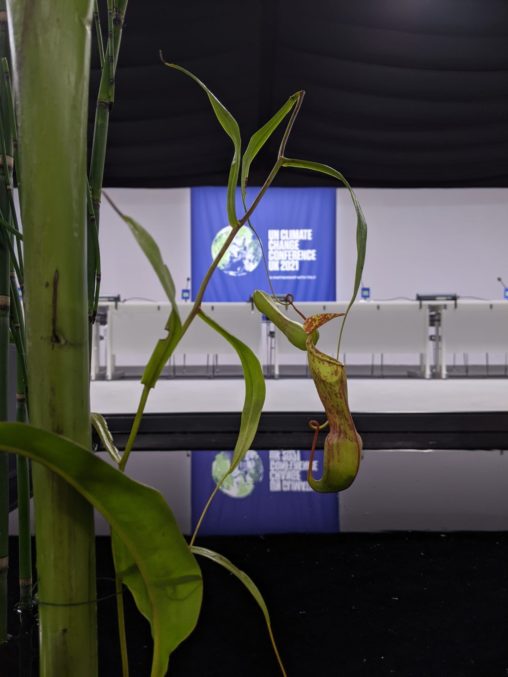
It was a heady fortnight of frantic networking and tough negotiating in the Glasgow rain. But did the twenty-sixth Conference of the Parties (COP26) to the United Nations…
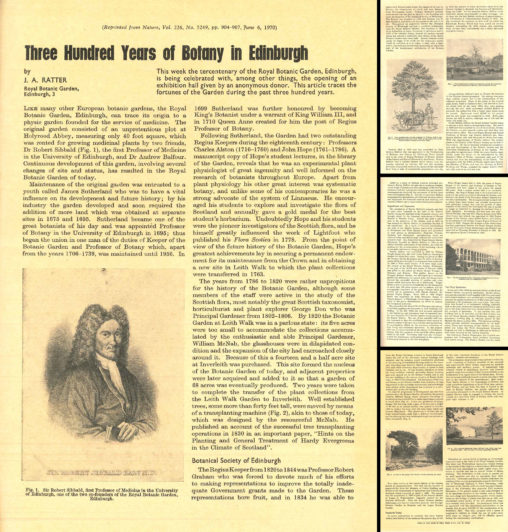
Rediscovering a fifty-year old article prompted us to explore RBGE’s last half-century at the forefront of science, conservation, horticulture and learning. 2020 will inevitably go down in history…
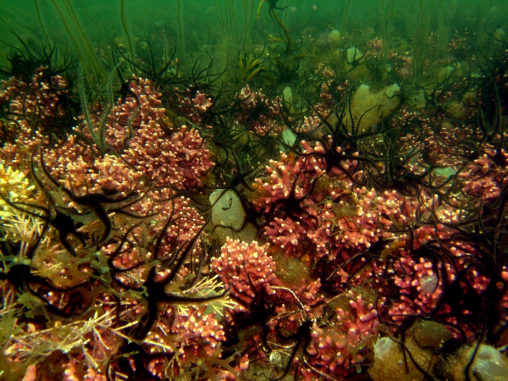
Maerl beds are one of the world’s most biodiverse habitats – but most people haven’t even heard of them! Maerl, a free-living red seaweed with a hard calcium…
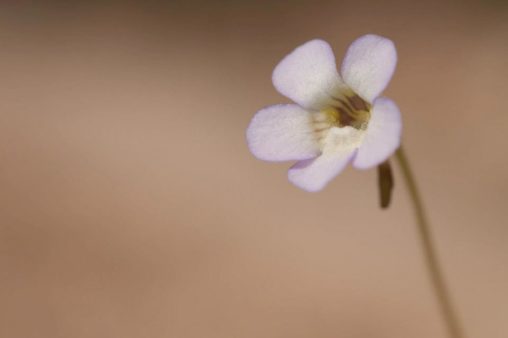
“Hey Zoë, we’ve found a Pinguicula!” “I doubt it, they don’t grow in Belize.” “Well, this is definitely a Pinguicula.” With that conversation shouted across a hillside, we…
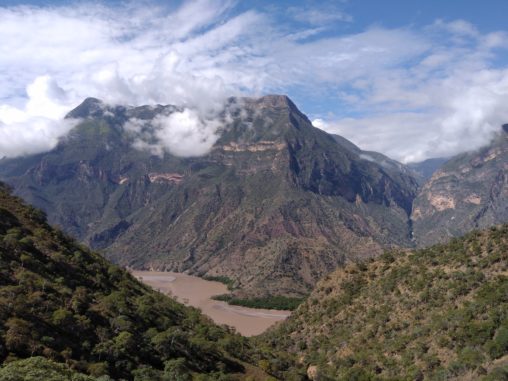
Working in the dry forests of the Marañón valley in Peru can be pretty intense. Firstly, as you might expect, it can get exceptionally hot. While clouds might…
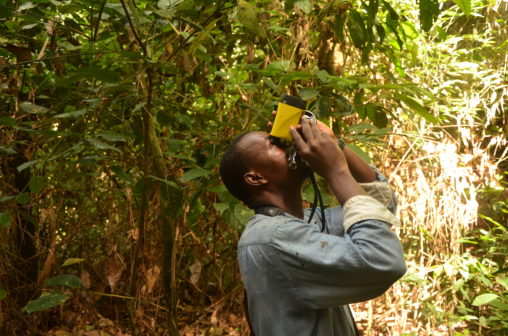
RBGE scientists contribute to a landmark study suggesting that increasing global temperatures may cause both Amazon and African rainforests to become net sources, rather than sinks, of carbon…

This week (7th-13th October 2019) is Scotland’s Climate Week, which this year comes at a decisive time for our planet, its people and its biodiversity. As UN Secretary-General…
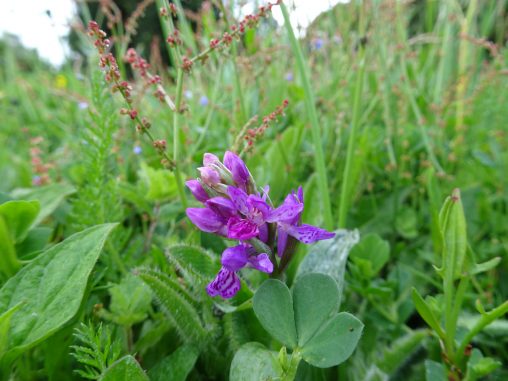
Next to the Front Range and within sight of the Library and Herbarium two small squares of lawn have been transformed into flower-rich ‘living lawns’ as part of…