
Category: Point of InterestPage 7 of 16
Places of interest around the Gardens
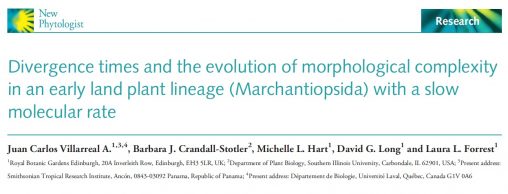
Rather a while ago, back in 2003, we started working on a phylogeny of the complex thalloid liverworts at the Royal Botanic Garden Edinburgh (as a Molecular Phylogenetics…
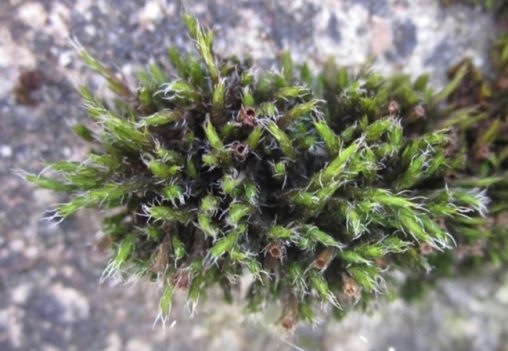
Back in 2014, staff in the molecular lab and herbarium at RBGE greatly enjoyed a three-week visit from Austrian Dr Wolfgang Hofbauer. With funding from the EU SYNTHESYS…
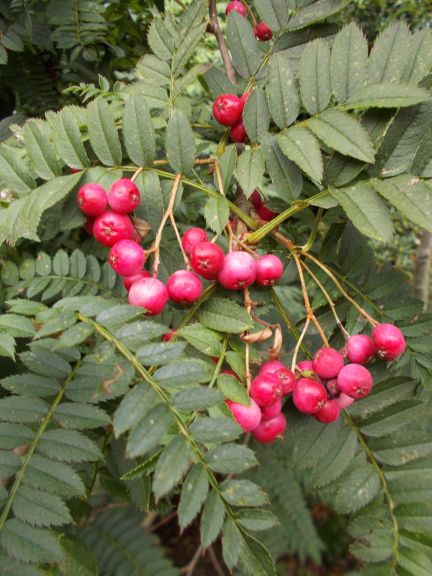
The specimen of Sorbus microphylla agg fruiting profusely in the copse was collected in the Langtang National Park area of Nepal. This is the area devastated by the…
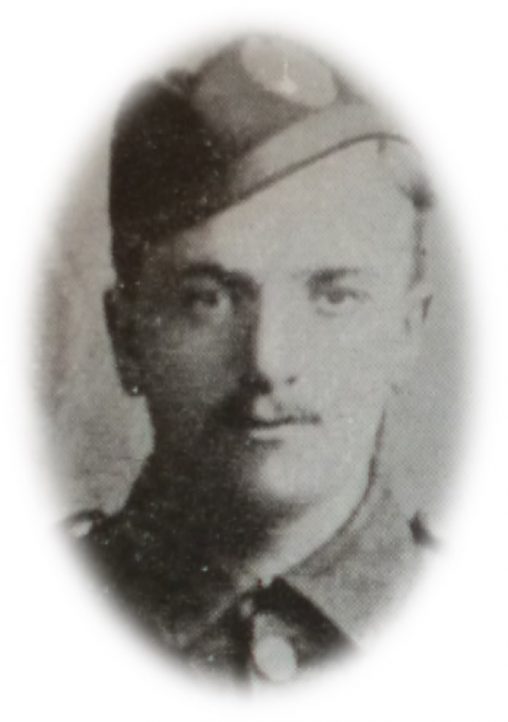
In memory of Lance Corporal William F. Bennett (1889-1915), Private Alan Menzies (1894-1915), Lance Corporal John Stewart (1891-1915) and Private George H. Stuart (1891-1915) In August 1914, RBGE…
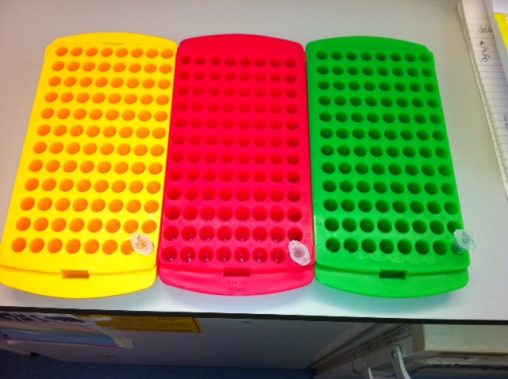
By mid-May 2015, we had 32 separate Inga umbellifera libraries, 15 generated using the Illumina Tru-Seq Nano library preparation kits, and 17 with the NEBNext Ultra library preparation…
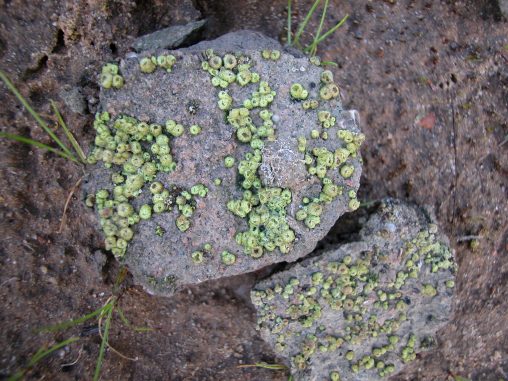
Sadly, although not surprisingly, I was not able to amplify the regions of Monocarpus DNA needed to compare it to other complex thalloid liverworts from a 1950s collection that we had…
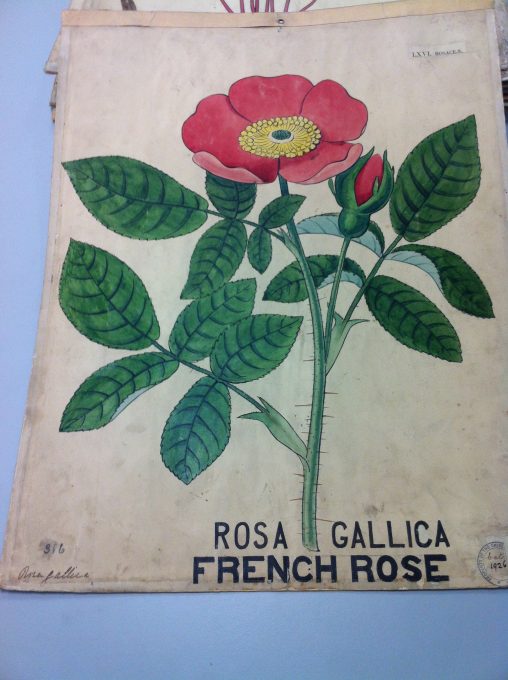
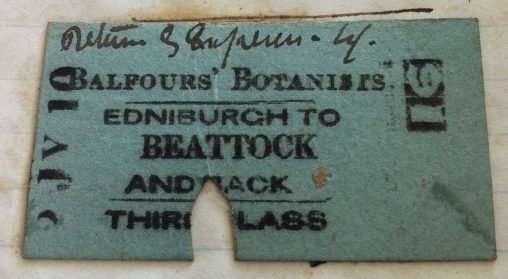
“Excursions may be truly said to be the life of the botanist. They enable him to study the science practically, by the examination of plants in their living state, and…
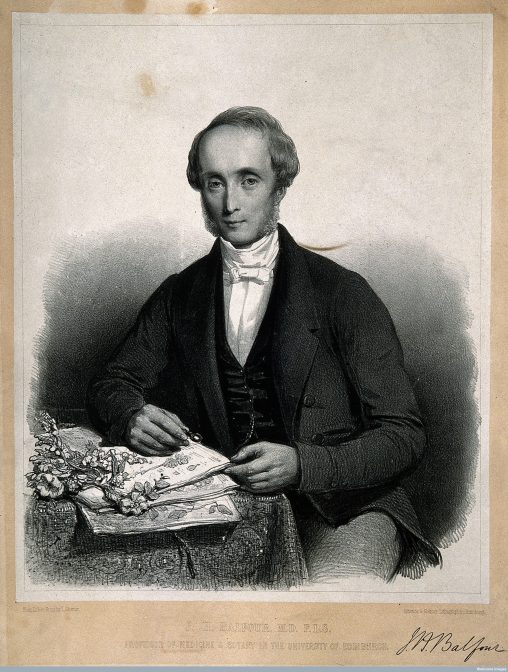
John Hutton Balfour Born: 15 September 1808 Place of Birth: Buccleuch Place, Edinburgh Died: 11 February 1884 Place of Death: Inverleith House, Edinburgh Occupation: Botanist and Teacher The…
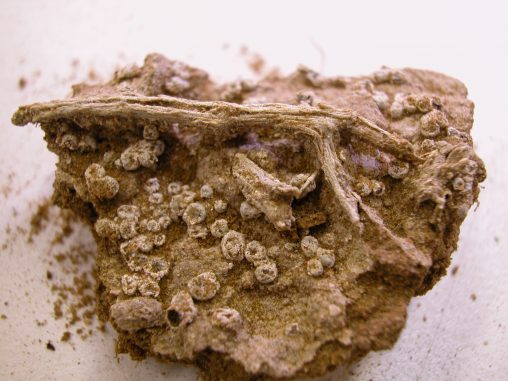
At the Royal Botanic Garden Edinburgh we’ve been working on the phylogeny of the complex thalloid liverworts for rather a while now. David Long presented a poster on…
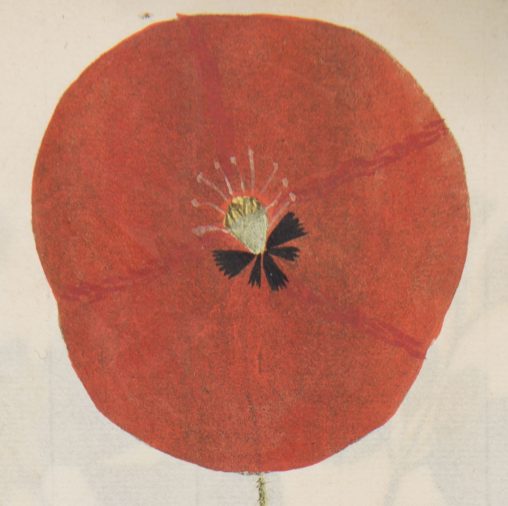
The memorial poppy and wild flower meadow on the glasshouse lawn at RBGE has inspired many visitors to contemplate the bravery and sacrifice of men and women involved…
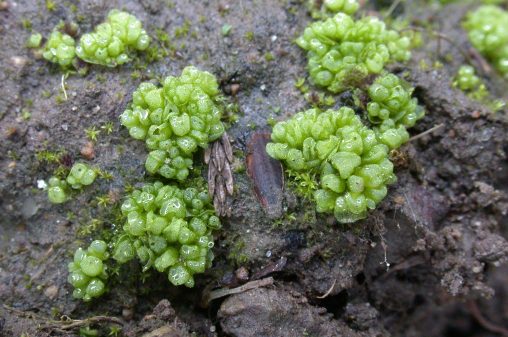
As far as liverworts go, Monocarpus is a rather strange plant. It’s very small, in itself not that unusual for a bryophyte, but rather problematic if you need…
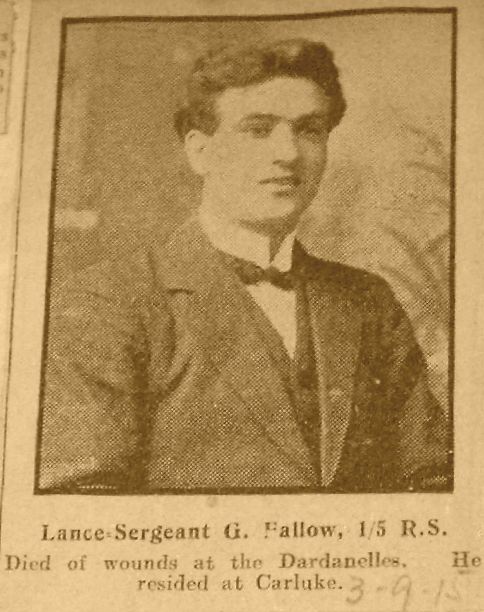
George Cruickshanks Fallow was born to Archibald (a grocer and fruit grower) and Margaret (by 1914 a postmistress) in Rosebank near Dalserf, Lanarkshire on the 5th November 1890. …
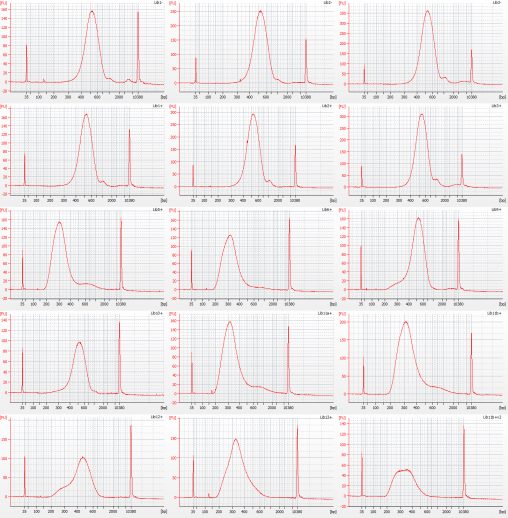
Both the Tru-Seq and NEB libraries were amplified pre-hybrid capture – another step at which modifications were made, according to how much DNA there was in each library….
As previously mentioned, we tested two different kits in our NBAF project. The first is the Illumina Tru-Seq Nano library preparation kit (FC-121-4001), which recommends a starting DNA…
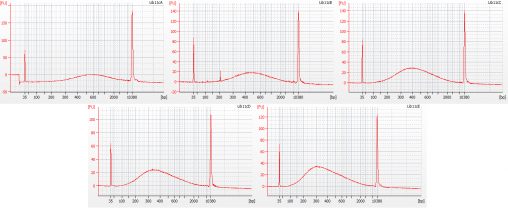
A few days ago, I read a tweet from the Botany2015 meeting in Alberta that described DNA extracted from herbarium specimens as “pre-sheared”. This resonates with our own…
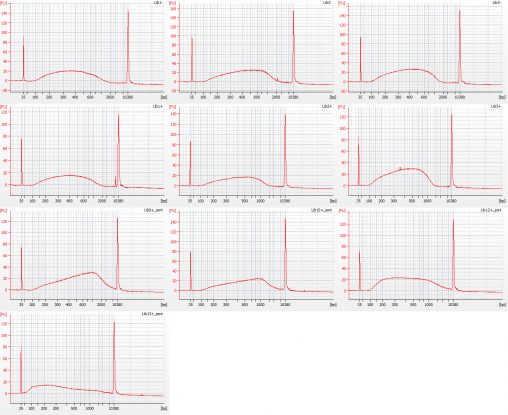
The mantra for many years for next generation sequencing has been, like “garbage in, garbage out”, that the optimal starting point is high quality, high molecular weight DNA….
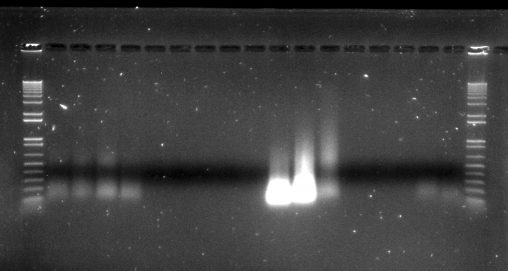
In March this year, having already chosen and obtained the plant material that we were going to use for our NBAF project on using a hybrid bait protocol…
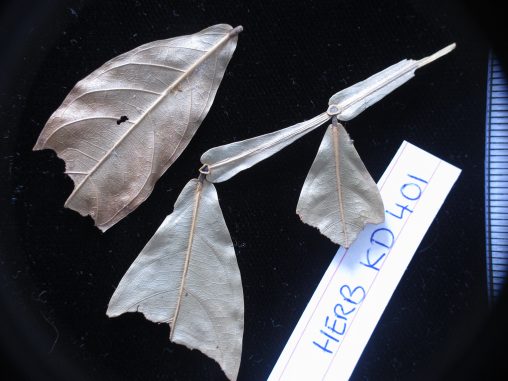
Having chosen Inga umbellifera as the study organism for our NBAF-funded project to test the use of hybrid baits for recovery of DNA sequences from herbarium material, we…
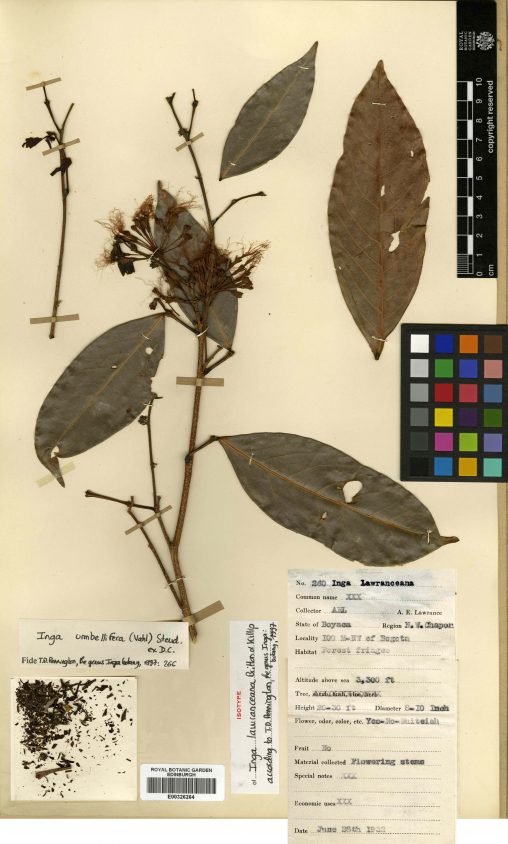
About 300 species of Inga (Leguminosae: Mimosoideae: Ingeae) grow in lowland and montane rain forest throughout the humid tropical zone, from Mexico to Uruguay. Most species diversity is…